Insults, threats, hate campaigns that start with an article or a post and never let up. That is what the journalists in A Dark Place describe: the OSCE documentary on online violence against women who work in the news, and on what it means for press freedom. On Saturday, November 21, at 11:30 a.m. the film comes to the Giunti Odeon, with a free screening followed by a discussion.
The event is part of the festival L’Eredità delle Donne (“Women’s Legacy”) and is organized by GiULiA Giornaliste, the Italian network of women journalists, under ACT – Alliance to Counteract Threats of Hate in Italy, the EU-cofunded project against hate speech.
The OSCE documentary
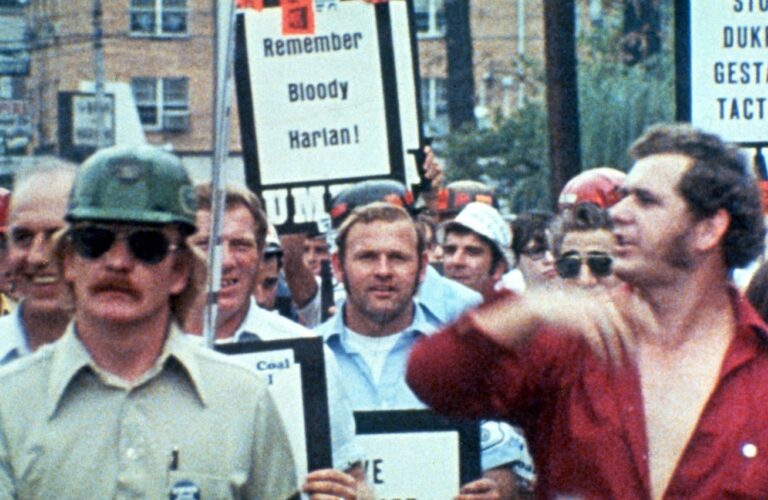
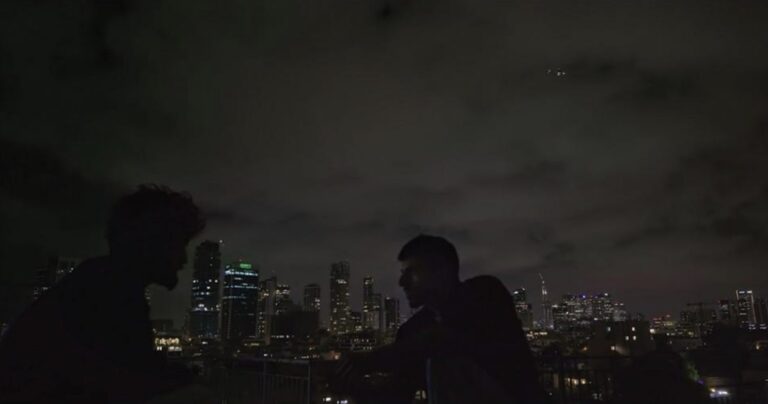
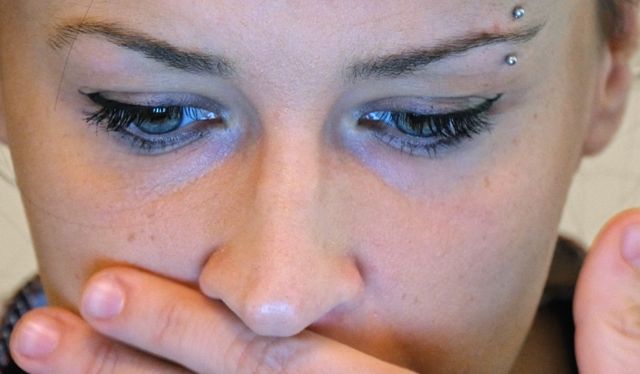
A Dark Place came out in 2018. It was produced by the Office of the OSCE Representative on Freedom of the Media together with the International Press Institute and directed by Javier Luque Martínez, and it lines up the voices of women journalists from several countries who have faced harassment, threats and full-blown hate campaigns online.
The film doesn’t stop at the attack. It shows what comes after: how this pressure ends up shaping the work of journalism, and keeping women out of public debate.
The numbers on online violence
The problem hasn’t shrunk since then. According to the Tipping Point report, published by UN Women in April 2026, 45% of the women journalists and media workers surveyed say they self-censor on social media because of online violence. In the 2020 survey, the figure was 30%.
Nearly 22% self-censor at work as well. And one in four say they have been diagnosed with or treated for anxiety or depression linked to the abuse they faced online.
The discussion at the Giunti Odeon
After the screening, the conversation turns to exactly this: the consequences, and the possible responses. On stage is Mimma Caligaris, a journalist who sits on the executive board of Italy’s national press federation (FNSI), on the Gender Council of the International Federation of Journalists (IFJ) and on the GenDeg of the European Federation of Journalists (EFJ).
Joining her are Paloma Madrigal, Associate Project Officer at the Office of the OSCE Representative on Freedom of the Media, where she coordinates the Safety of Female Journalists Online (SOFJO) project, and Paola Rizzi, vice president of GiULiA Giornaliste. The moderator is journalist and author Silvia Boccardi, a member of GiULiA.
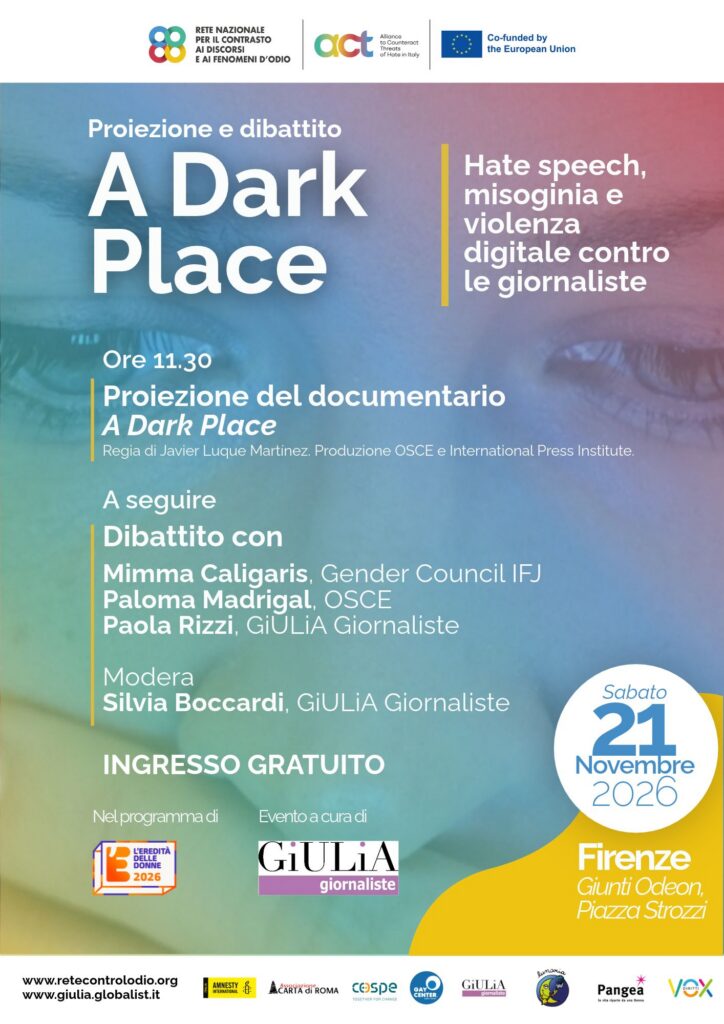
Admission is free and open to everyone. Registration isn’t required, but it is recommended.
When Saturday, November 21, 2026, 11:30 a.m.
Where Giunti Odeon, piazza degli Strozzi, Florence
What screening of A Dark Place and discussion
Admission free, registration recommended
Registration on the event page