The New Limonaia at Casa Ruffino
There is something quietly compelling about the limonaie (lemon houses) of Tuscan villas. Built for a practical purpose, sheltering citrus trees through the coldest months, over time they became an aesthetic statement too: tall glass walls, natural light, light-framed architecture set into the landscape. Spaces suspended between usefulness and beauty.
At Casa Ruffino, inside Tenuta Poggio Casciano, one of these spaces has come back to life with a new identity.
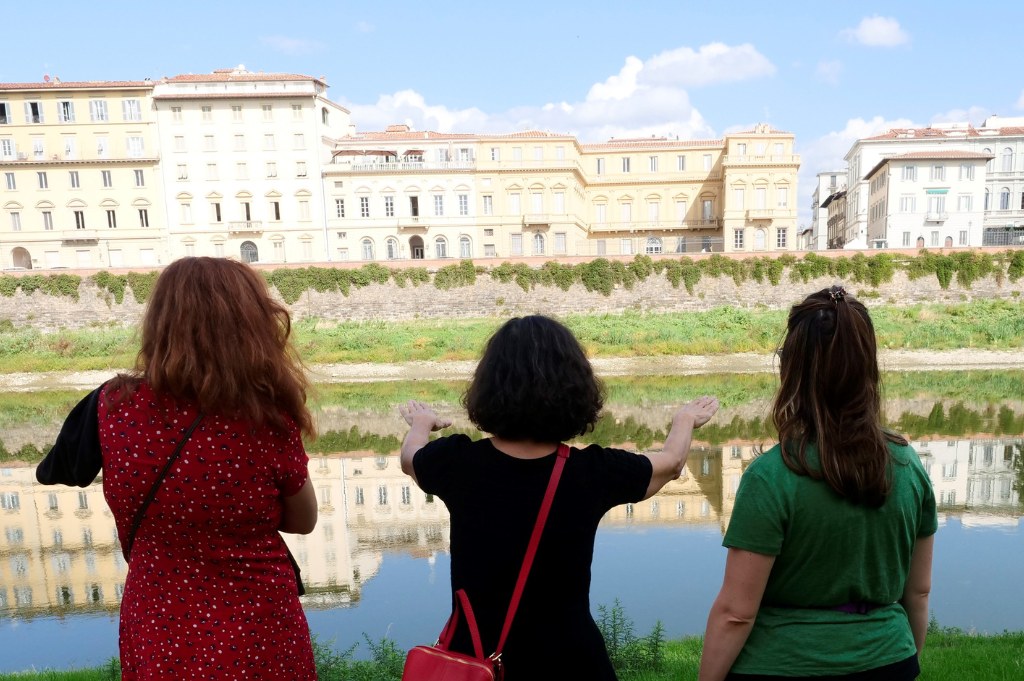
The recently restored Limonaia is one of the most interesting additions to the Ruffino project: not simply an architectural rescue, but a place designed to create experiences and connections around wine, food and hospitality. The setting is the hills of Bagno a Ripoli, a few miles from Florence, among neat rows of vines, olive groves and a Renaissance villa that has passed through many different stories over the centuries.
Here, though, the focus shifts to a smaller, almost hidden space, one that chooses to work on the idea of gathering.

Step into the new Limonaia and you feel that double nature right away. On one side, the original charm remains: light pouring through the glass, the constant conversation with the garden and the landscape beyond, the sense of standing in a place that holds its memory.
On the other, a contemporary reading emerges, more open, turning the space into something alive.

This is where cooking classes will take place, along with programs devoted to Tuscan food traditions and occasions built around making, learning and spending time together. Not simple demonstrations, but experiences in which working with your hands becomes part of the story.
The Limonaia will also host private dinners and small events, keeping a deliberately intimate scale.

A space made for special moments, far from busier rhythms and the rituals of a traditional restaurant. And this is probably the most interesting part of the project: the idea of reclaiming a historic space without turning it into an object to be admired from a distance.
More than restoring a place, Ruffino seems to have chosen to give it a new purpose. At a time when so many experiences risk looking alike, perhaps that is exactly where the difference lies: in the ability to create spaces that ask not only to be visited, but to be lived in.