Glue, and Why Florence Still Needs Live Music
“Sixteen years ago we were saying Florence needed one more stage. Today it needs one even more.” That one line from Simone Giuliani, one of the founders of Glue, is almost enough to capture what has happened to live music in Florence over the past few years.
When Glue opened in 2010 in the spaces of the former Teatro dell’Affrico, the idea was fairly simple: to create a home for independent music, the kind that sits outside the mainstream and was already struggling to find a place in Florence back then. Sixteen years later the problem hasn’t gone away. If anything, it has become more visible.
In the meantime, Flog has stopped its music program, Viper has been shut since the fire, the Jazz Club has closed its doors for good (moving to Drinking Blues), and other projects have come and gone. Florence still hosts concerts, festivals, and big events, of course, but it struggles a lot more once you scale down: what has been steadily thinning out is the middle tier of clubs, social clubs, and small venues. And that is exactly where emerging bands find room, along with the tours that won’t fill an arena but still need a stage to get heard.
It’s a story we’ve told on FUL several times over the past few months, talking with festivals, associations, and people at the heart of the independent scene. The voices change, but the issue keeps coming back: Florence is short on spaces for live music.
“When we started 15 years ago, we thought independent music needed one more stage. Today there are even fewer spaces than there were back then,” says Simone Giuliani. “Keeping a stage open has almost become a form of resistance.”
Why Glue holds on
To understand why Glue is still here, though, you need to be clear on one key difference. Glue isn’t a traditional club, and it isn’t a business that lives off ticket sales. Behind it are people who do other things for a living: about fourteen active members, all volunteers, who give their time and skills to keep the association running.
Nobody draws a salary from Glue: that clearly comes with limits, but over the years it has also been a kind of freedom.
“We can make artistic choices that a business owner probably wouldn’t. Live music costs a lot, and in small clubs the takings are modest. We can pick a project because we like it, because we think it has something to say, without having to think only about the financial return.”
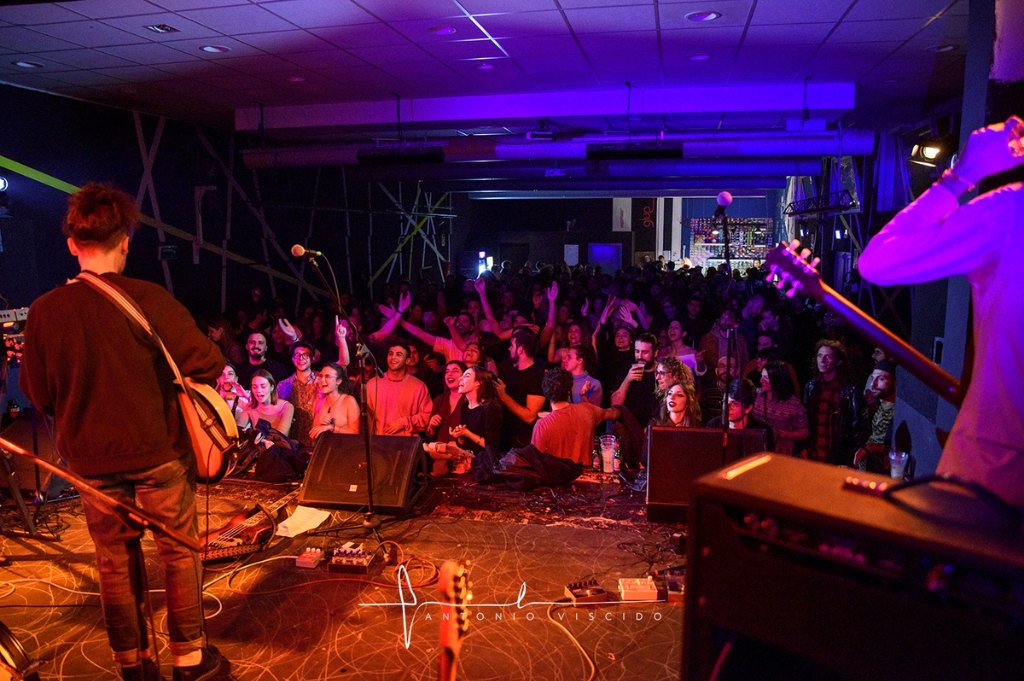
That’s part of what the membership card is for. The yearly fee gets you into around thirty concerts over the season without buying a ticket every time. It means deliberately giving up some of the money the club could make, but it puts the relationship between venue and audience on a different footing, because whoever walks in shouldn’t be just a customer. “When you get the card, you become a member. You have a vote, you have a voice, you can take part in the life of the association. We’re trying to build a community around live music.”
No longer just customers
Discovering and listening to new music has never been easier. But having access to a practically endless amount of music doesn’t mean having places where you can experience it, meet people, and share it. “Anyone who goes to shows knows the difference between listening to music at home and spending a night in front of a stage. It’s sharing time and space, it’s being with people, it’s quality free time. And I think that’s worth even more today than it was sixteen years ago.”
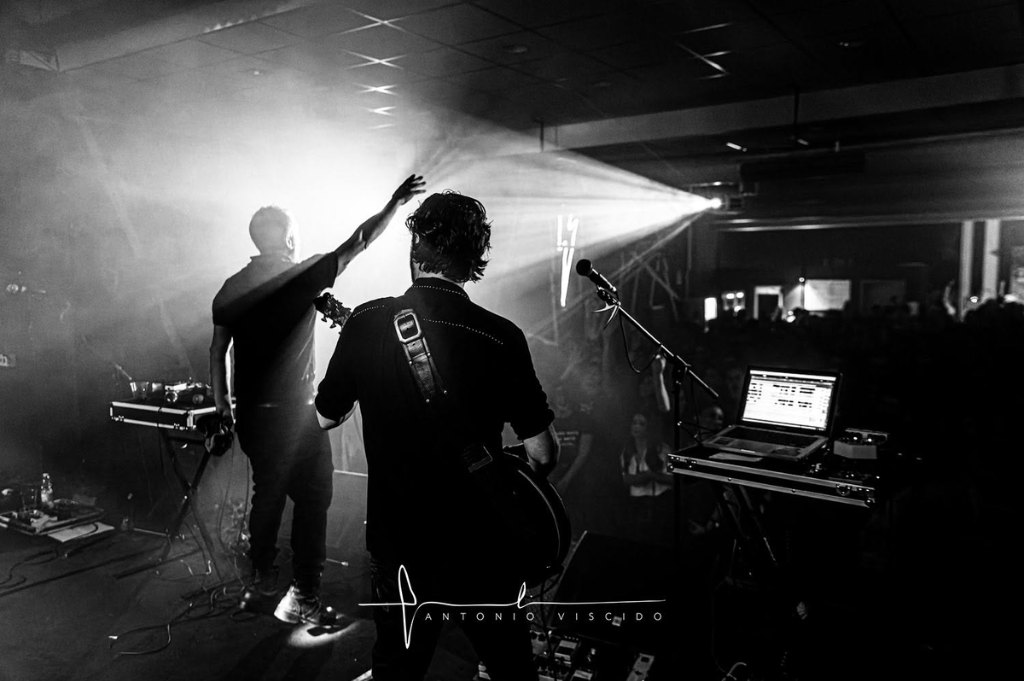
Glue stands up for exactly this physical dimension. “We feel the need for culturally alternative spaces. We’re all a bit fed up with being nothing but customers everywhere we go.”
It’s a line that probably says a lot more than any single music season. Because a club isn’t just the place where a certain band plays on a certain night. It’s the place you can walk into without knowing who’s on, where you can discover something you’d never heard, and then keep coming back. Simone puts it even more simply: Glue is “a place for curious people, not for social media event hunters.”
Dinner before the show
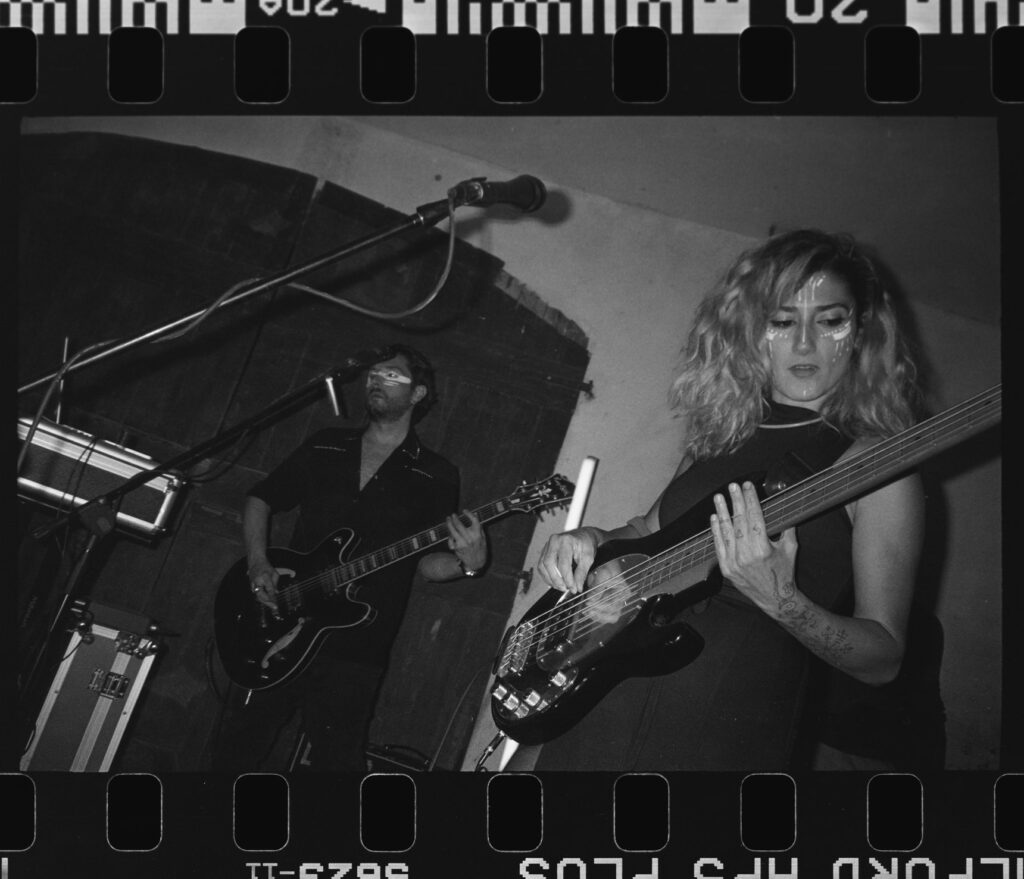
This idea of community isn’t only about the people in front of the stage. Before every concert at Glue there’s a ritual that hasn’t changed over the years: the band and the staff eat dinner together, at the same table. “It’s like when someone comes over to your place. You’re our guest, we eat together and we talk. It’s a moment when we can swap experiences, find out what’s happening in other clubs, talk with musicians, production crews, labels.”
Sixteen years of these dinners have built a network of relationships with bands and industry people that may explain part of the project’s longevity. A chain made up of those who write music, those who play it, produce it, distribute it, and listen to it. For the association’s fifteenth anniversary, that wealth of relationships also became a celebratory book: a paper map of the independent scene that has passed through Florence along the way.
What it takes to keep a stage open
Then there’s the less romantic side. These days, Giuliani says, the difficulties aren’t so much about the neighbors – the room is soundproofed and Glue has no particular problems on that front – as about the regulations and red tape that associations running cultural activities and live music have to work within.
Over the past few months, Glue, Lumen, Arci Firenze, Exfila, Gada, and La Chute have opened a dialogue, asking for a working group with the city administration. The conversation has started, though there are no definitive results yet.
What they’re asking for, according to Simone, isn’t necessarily funding. “In sixteen years we’ve been completely independent and have never received public funding. We’re proud of that. What we’re asking for is recognition of what makes organizations like ours different.”
The point is to tell apart those who run a business from an association of citizens who volunteer their time and professional skills to offer a cultural activity to their members. “I don’t want anyone to pat us on the back. But I don’t want to get beaten up either.”
Because the risk, even before any fine or bureaucratic hurdle, is that people lose the will to carry on. “Every now and then you do wonder: why are we even doing this? If you give up your free time and then have to worry about getting caught up in problems and disputes, you might just decide to go do something else. That would be sad. But if we close, we’re all a little poorer.”
And further weakening an already fragile network of venues would have consequences that go beyond a single club shutting down. For part of the independent music world, Florence risks dropping off the tour map: artists and bands keep stopping in Bologna, Milan, or Rome, while landing a Florence date gets harder and harder.
And that’s the most glaring contradiction: an international university city, crossed by millions of people every year, that keeps drawing big events but offers fewer and fewer places where a band can simply get up on a stage, play, and build an audience.
October 3: the season restarts with God of the Basement
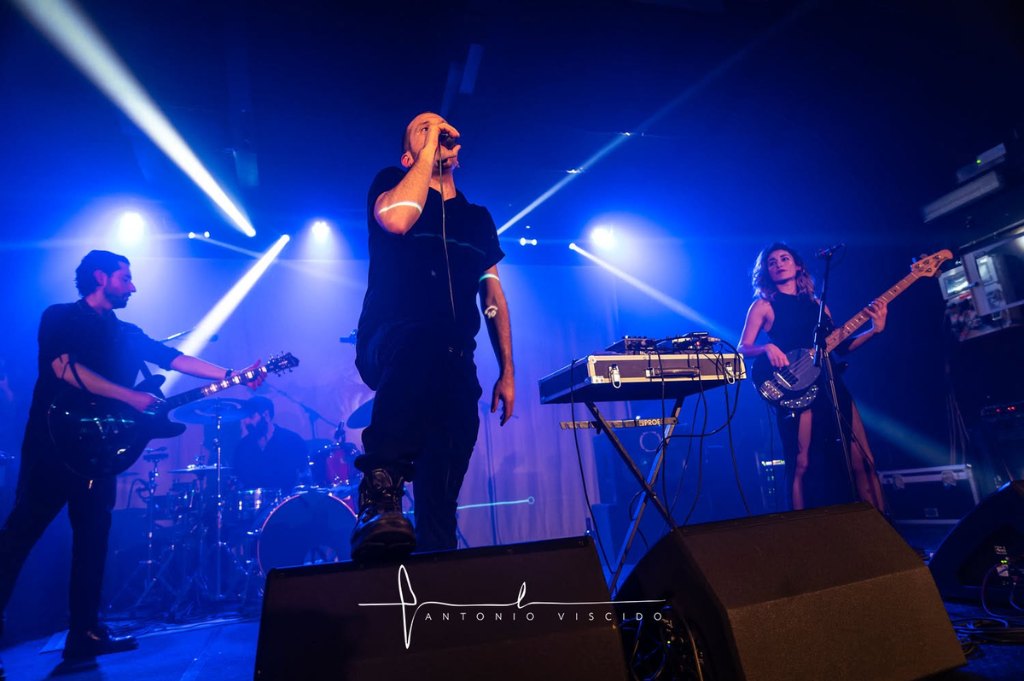
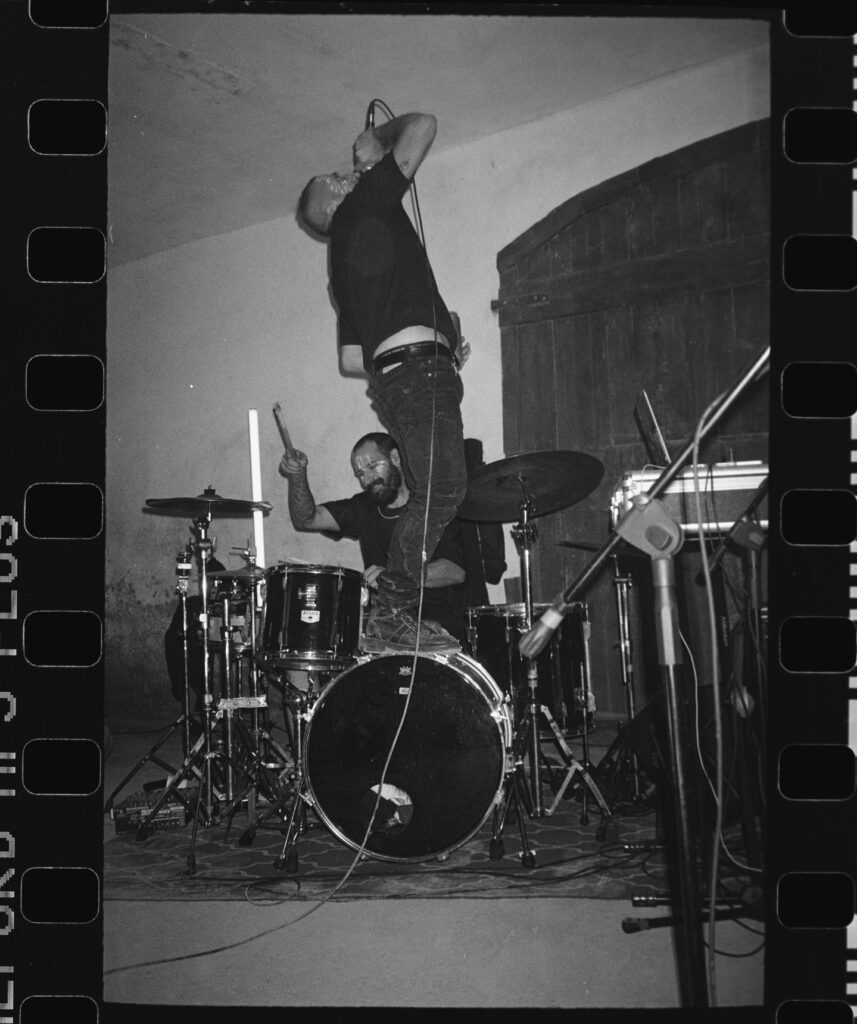
Glue’s sixteenth season kicks off on Saturday, October 3, and it hands the stage to a Florentine band: God of the Basement, who are celebrating their first ten years together in 2026. It’s a choice that almost sums up the role Glue claims for itself: giving room to a scene that is born, grows, and keeps making music in the city.
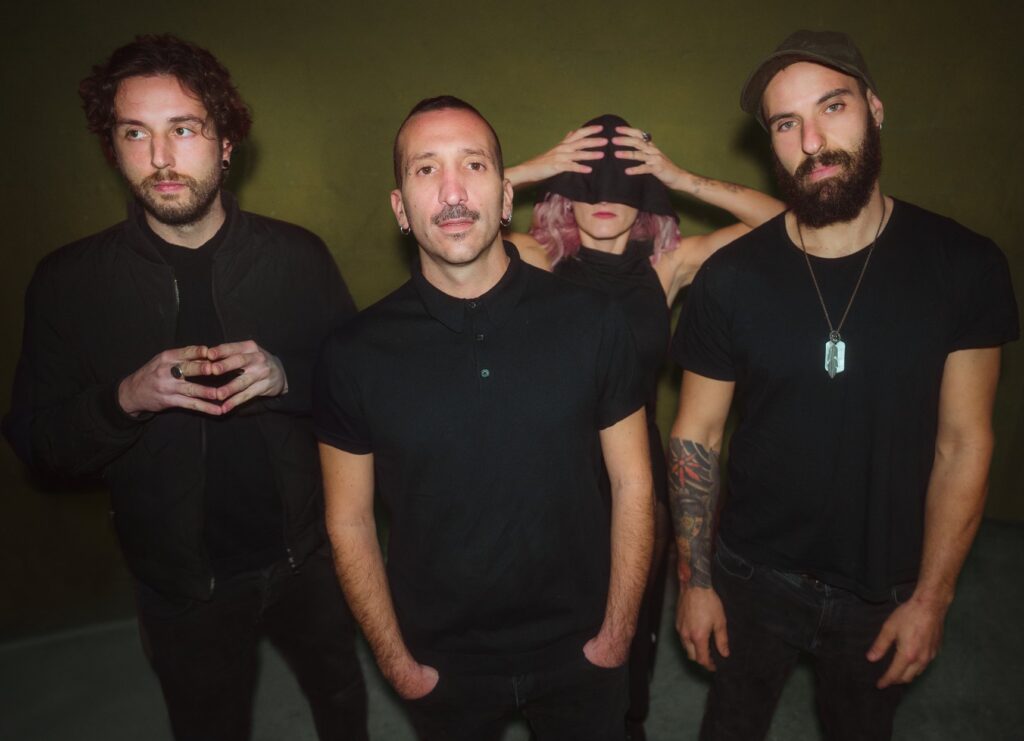
Active since 2016, GOTB have built a sound over the years that blends electro-rock, groove, old-school sampling, and electronics. After their self-titled 2018 debut and Bobby is Dead in 2021, the band began exploring new territory in 2022 with singles like TUM, Loaded, and Tale Of A Devil. In 2025 came Whatever, a short record that also marked an important shift toward singing in Italian, pairing more introspective, socially minded songwriting with an increasingly present electronic side.
It’s a direction that carries on right into their tenth-anniversary year: on October 2 they release Canzone per i Bambini Buoni (“A Song for Good Children”), a new single paired with a “videoallucinazione” – a video-hallucination – by Rebecca Lena.
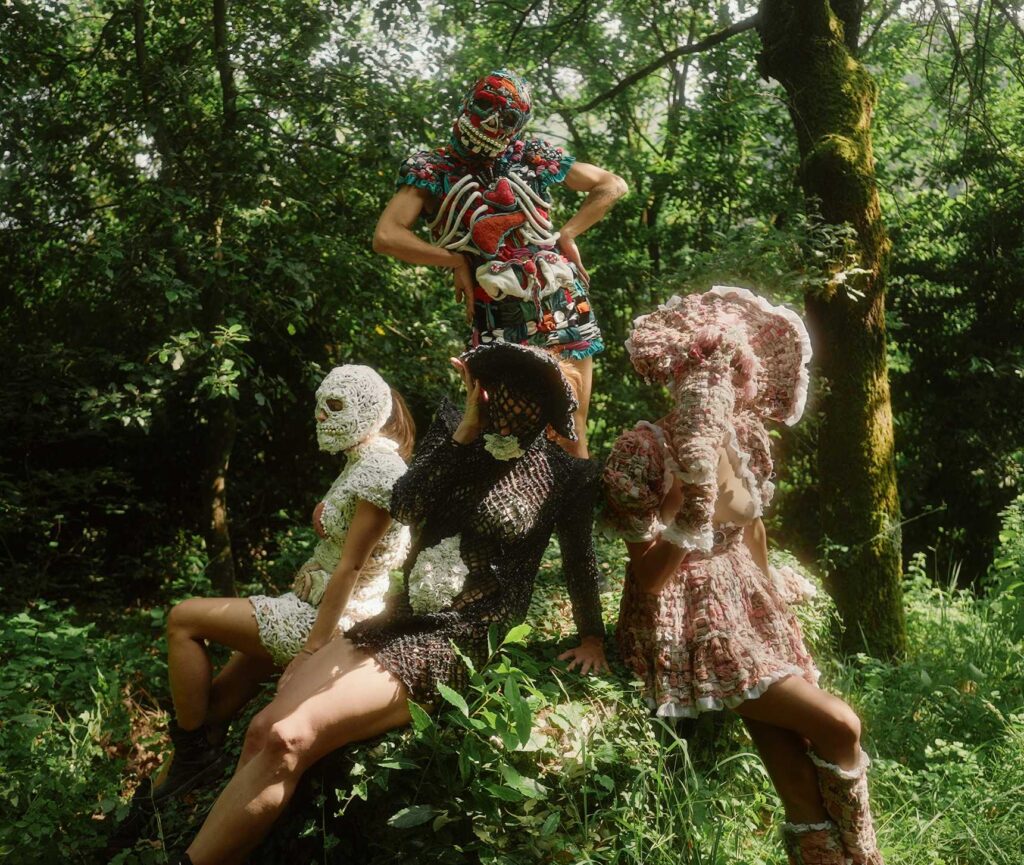
And God of the Basement’s ten years will be the thread running through Glue’s whole opening night: a party conceived and curated by the band itself, which for the occasion has brought in artists, musicians, producers, and friends it has shared the road with over the past decade.
Joining GOTB on stage will be Lorenzo Pellegrini of Handlogic, Tina Galassi of Hate Moss, and Stock-a Production. Opening the night is Lazzaro, the electro-pop project of Yuri Ginanni, fresh off the release of his second album, Feste di paese (“Village Fairs”), while closing duties go to a DJ set for “bimbi cattivi” (naughty kids) by RAUJ / DIGIPUR.
A season still taking shape
The rest of the 2026/27 season is still being put together. Even planning well ahead, Giuliani says, has become harder in a climate that offers few certainties. The direction, though, is the one Glue has followed for years: championing local and Tuscan bands, bringing back to Florence artists who might otherwise skip it, and continuing to look for projects outside the more predictable circuits.
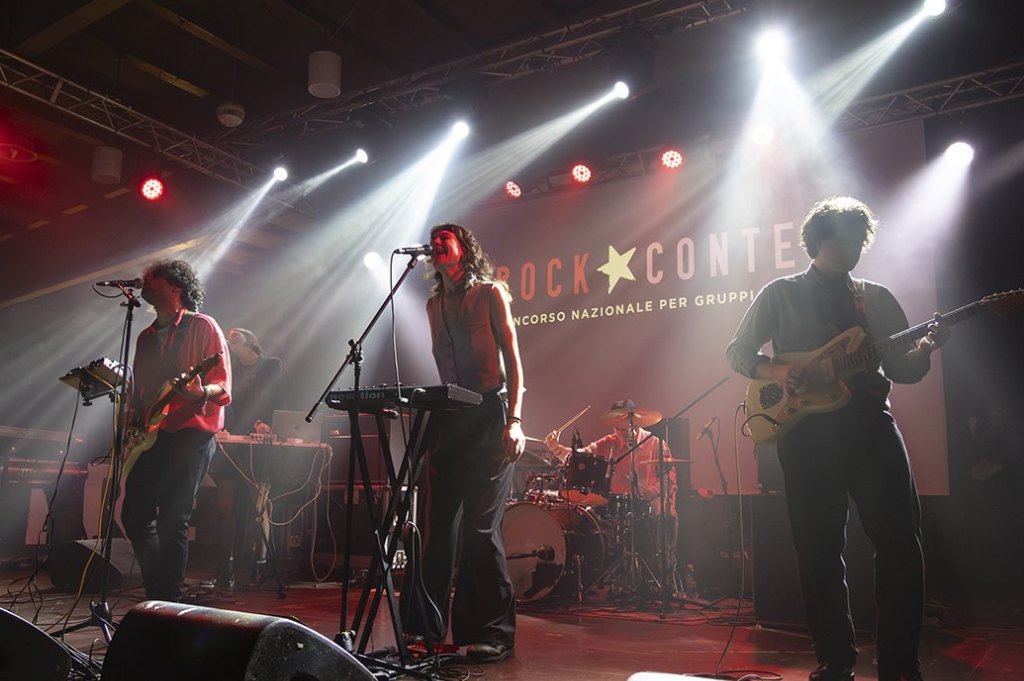
Rock Contest is also coming back, with four nights hosted at Glue. It’s a partnership built on exactly the same idea: offering the chance to discover and hear something we don’t know yet.
The Friday film club is also confirmed for the new season, another long-running fixture of the association, still with free entry for members and the option of having dinner together before the screening.
Here too the choice follows a clear line: bringing back films that got little or poor distribution, titles that went almost unnoticed in the big theaters, or that deserve to be rediscovered a year or two after their release.
Updates on the full program will be posted on the channels of GLUE Alternative Concept Space and through the association’s newsletter.