Beyond the Uffizi and the Galleria dell’Accademia, Florence has a string of smaller museums you visit out of pure curiosity: the anatomical waxes of La Specola, the armored knights of the Stibbert, Leonardo’s machines that you work with your own hands, Galileo’s telescopes, a mammoth at the geology museum, which reopened in June, and a 280-square-meter (about 3,000-square-foot) model railroad inside an old movie theater.
There are seventeen of them, and we’ve sorted them by type. First the fun museums, where you touch and play, and which work well with kids too. Then the strange and curious ones, almost all of them born from science. Then the collectors’ homes, with the collections still in the rooms of the people who put them together, and two museums of craft: pietre dure, or hardstone inlay, and coffee. Two addresses are outside Florence, in Fiesole and in Calenzano. At the end, how to pair them on a single outing.
Fun museums in Florence, for kids too
Museo delle Illusioni
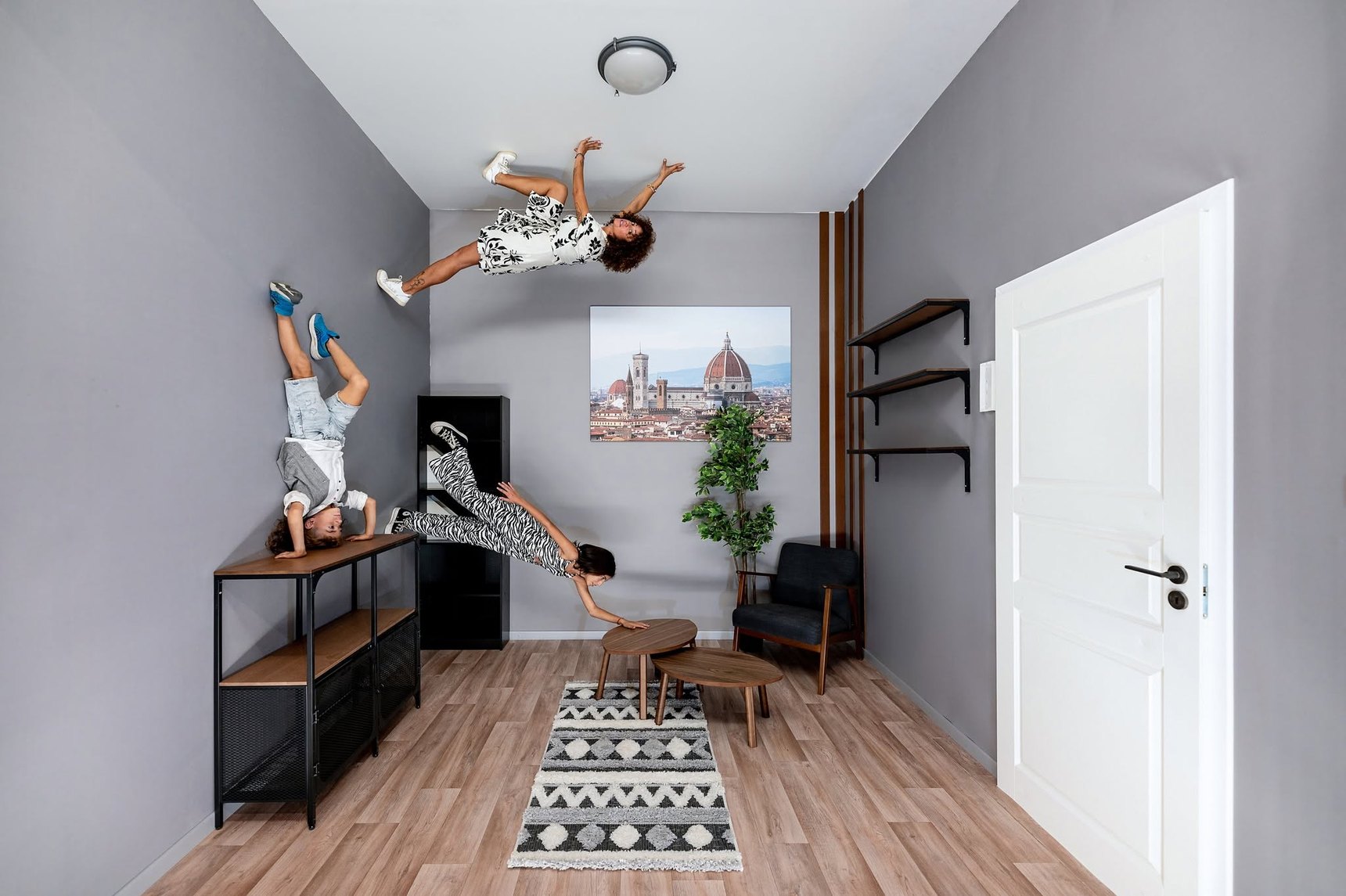
On Borgo degli Albizi, the Museo delle Illusioni is made of rooms and optical games that get proportions, depth and space wrong on purpose. You step inside the installations, strike a pose and take pictures. In an upside-down room, shown in the photo, anyone who walks in seems to hang from the ceiling.
Where Borgo degli Albizi 29, Florence
Website museumofillusions.it
Il Museo Impossibile
Let’s be clear from the start: it’s an exhibition, not a permanent museum. It’s run by SpazioMostre, which also has venues in Genoa and Turin; the Florence one, next to Piazza Santissima Annunziata, has been extended through 2027, according to its website.
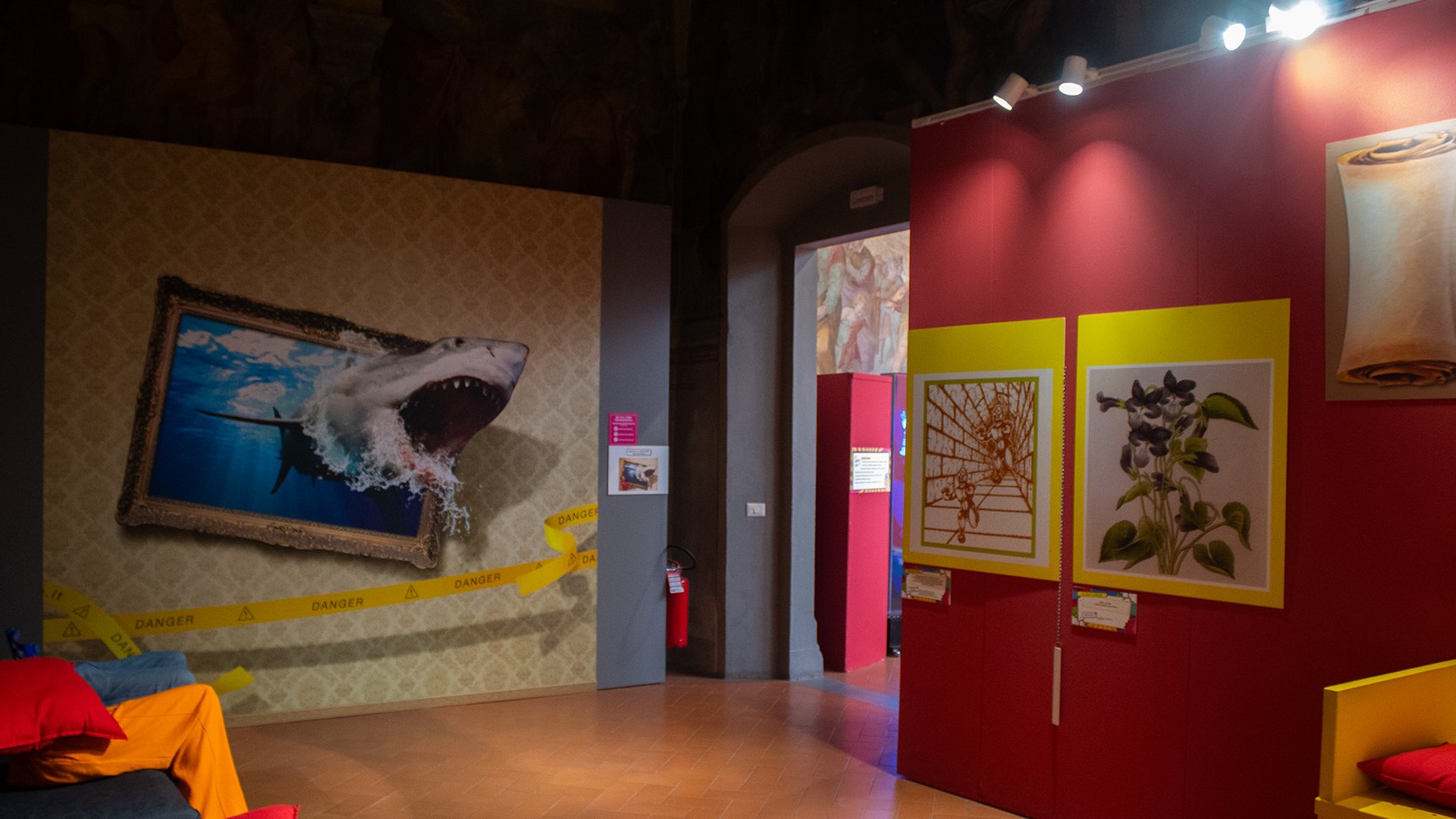
Inside are more than 50 interactive installations: the Ames Room, Archimedes’ Paradox, giant sets like the shark bursting out of a painting or the fall from a building, virtual reality headsets, a green screen to step into movie scenes, and the “urlometro,” a scream meter.
Where Via Gino Capponi 4, Florence
For families, with a package for kids ages 6 to 17
Website ilmuseoimpossibile.it
Leonardo Interactive Museum
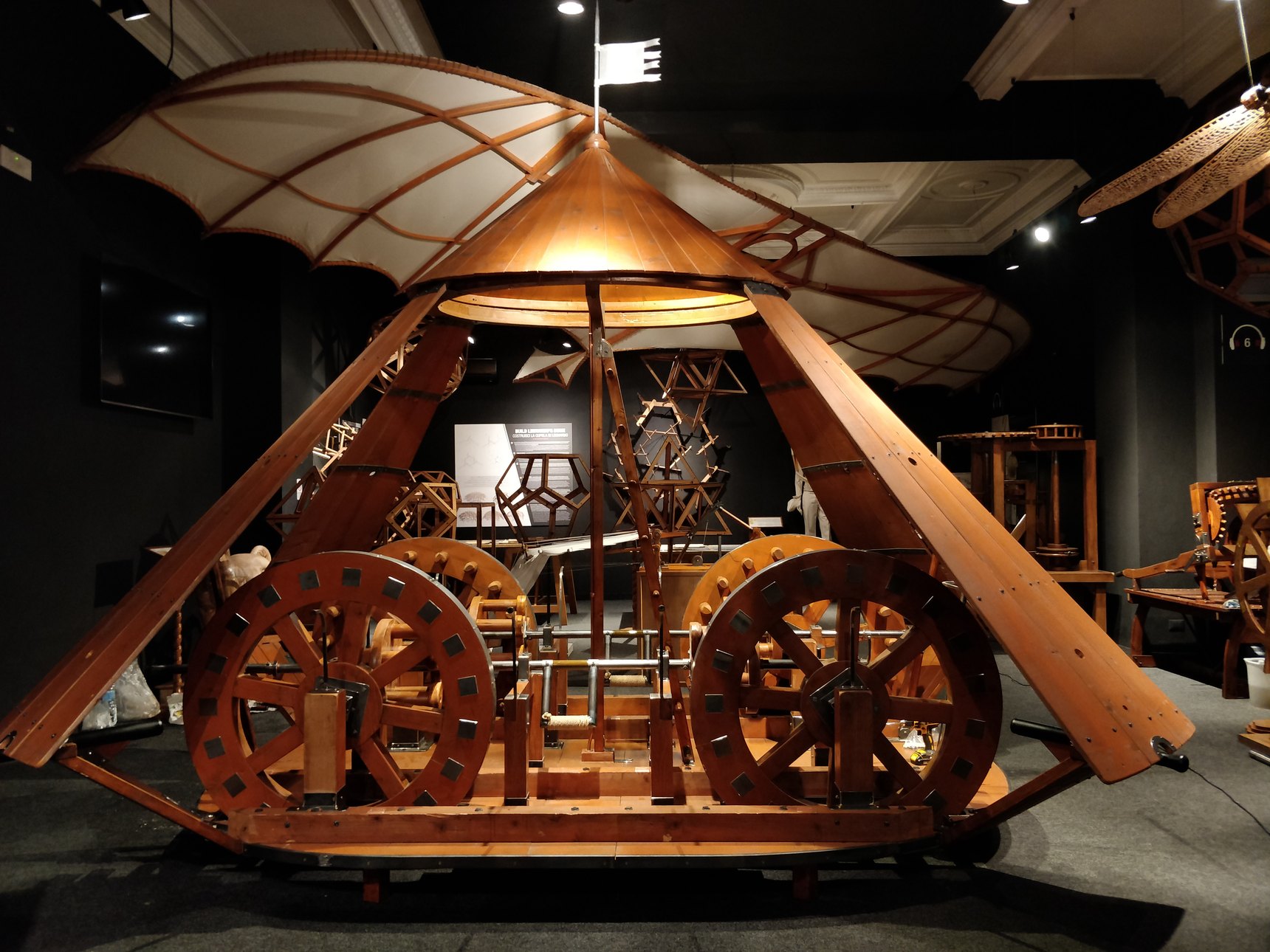
On Via de’ Servi, the machines rebuilt from Leonardo’s drawings are there to be touched and set in motion: the museum calls them “truly operable.” There’s the tank, the catapult and the vertical ornithopter.
Watch which door you walk through: fifty meters (about 160 feet) away, on the corner of Via del Castellaccio, there’s another Leonardo museum that has no connection to this one. The museum’s own website says so.
Where Via de’ Servi 66/r, Florence
For kids ages 7-8 and up, according to the museum
Website leonardointeractivemuseum.com
HZERO
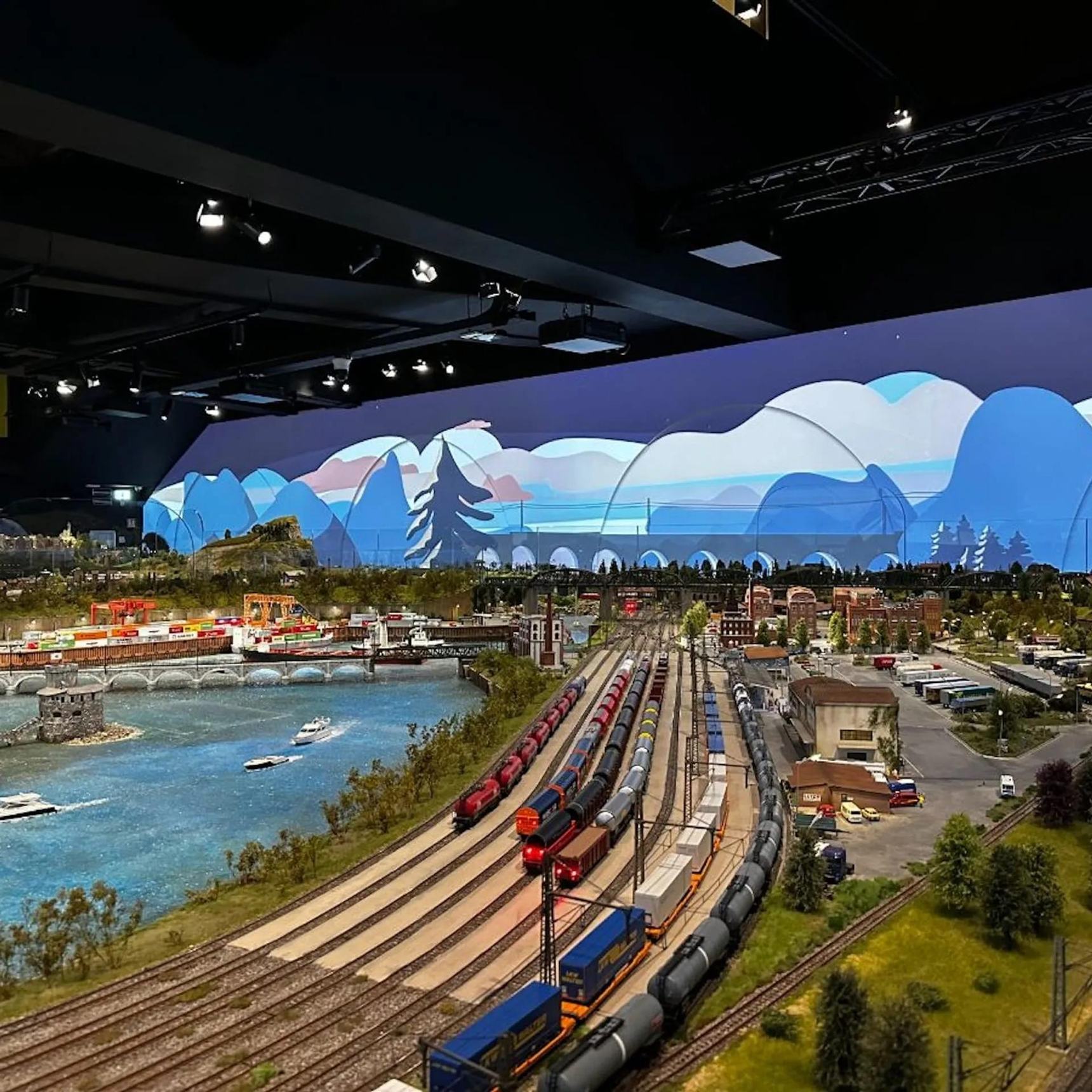
Inside an old movie theater near Santa Maria Novella there’s a model railroad in H0 scale, the one known in the US as HO, covering 280 square meters (about 3,000 square feet): almost a kilometer (about 0.6 miles) of track, where more than 70 trains can run at once. Giuseppe Paternò Castello di San Giuliano built it with a group of model makers over more than forty years, starting in the 1970s.
Where Piazza degli Ottaviani 2r, Florence
For kids, even little ones: workshops split by age, from 2 to 10
Website hzero.com
Pinocchio Museum Experience
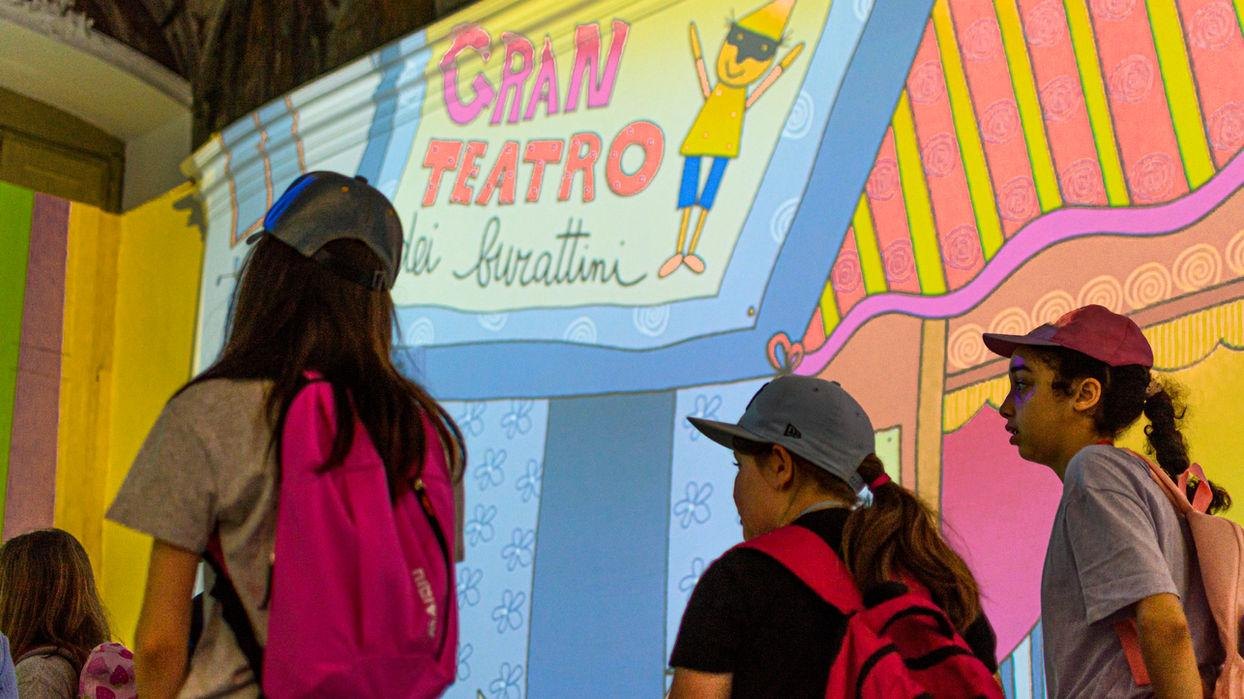
On Via Ricasoli, Pinocchio’s story is something you walk through: projections, sets and digital installations retrace the journey of Collodi’s puppet. It’s a museum of spaces more than of objects, designed above all for families.
Where Via Ricasoli 44, Florence
Website pinocchioflorence.it
Museo di Geologia e Paleontologia
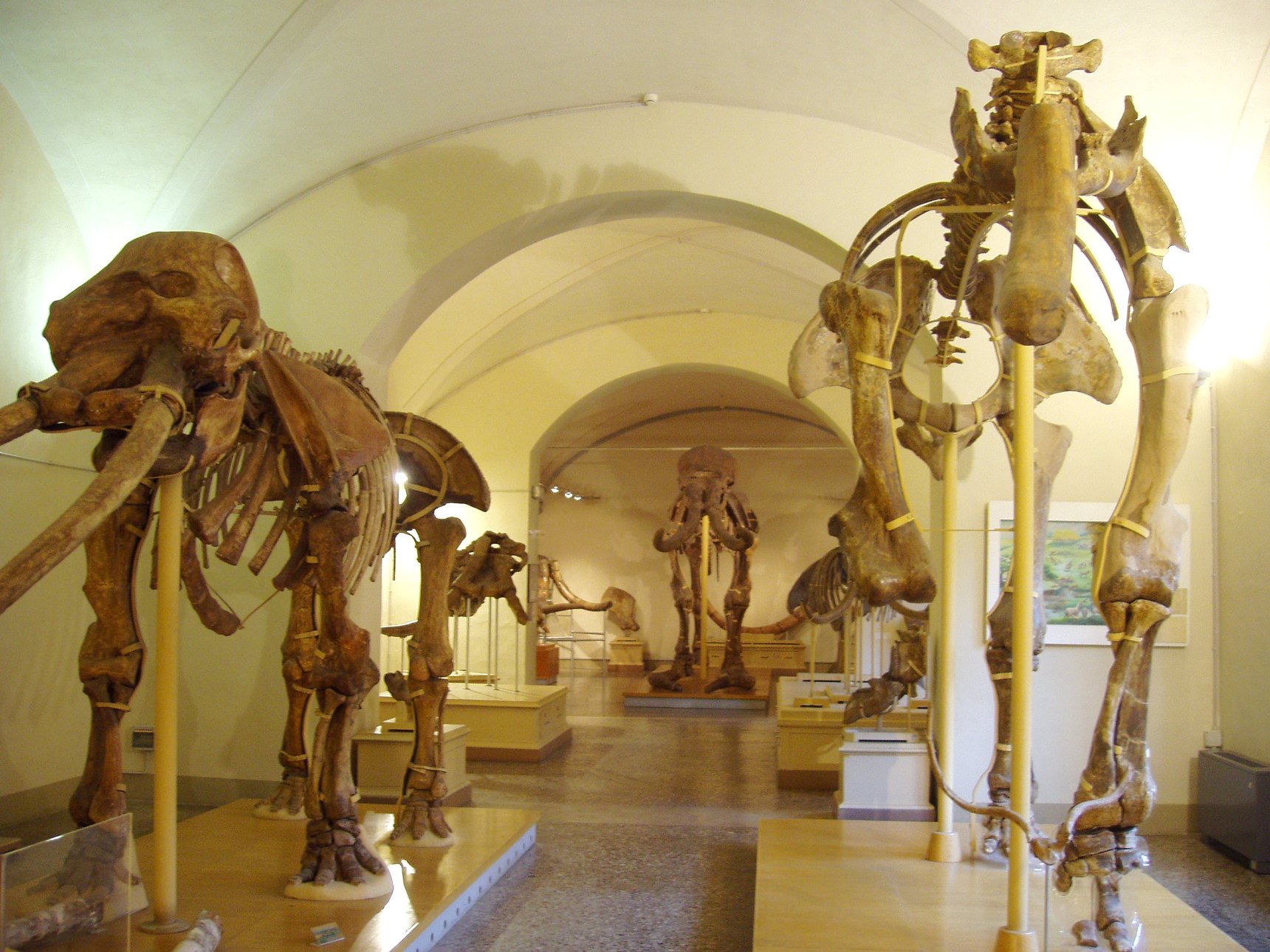
It reopened on June 19, 2026, after renovation work, with a new ramp entrance at number 6 on Via La Pira. The rooms tell the story of a Tuscany that once looked like a savanna: skeletons of great proboscideans, saber-toothed cats, a mammoth, Mammuthus meridionalis, and the Balena di Orciano Pisano, a whale that went extinct about three million years ago.
Where Via Giorgio La Pira 4, Florence (ramp entrance at no. 6)
Website sma.unifi.it
Strange and curious museums in Florence
La Specola
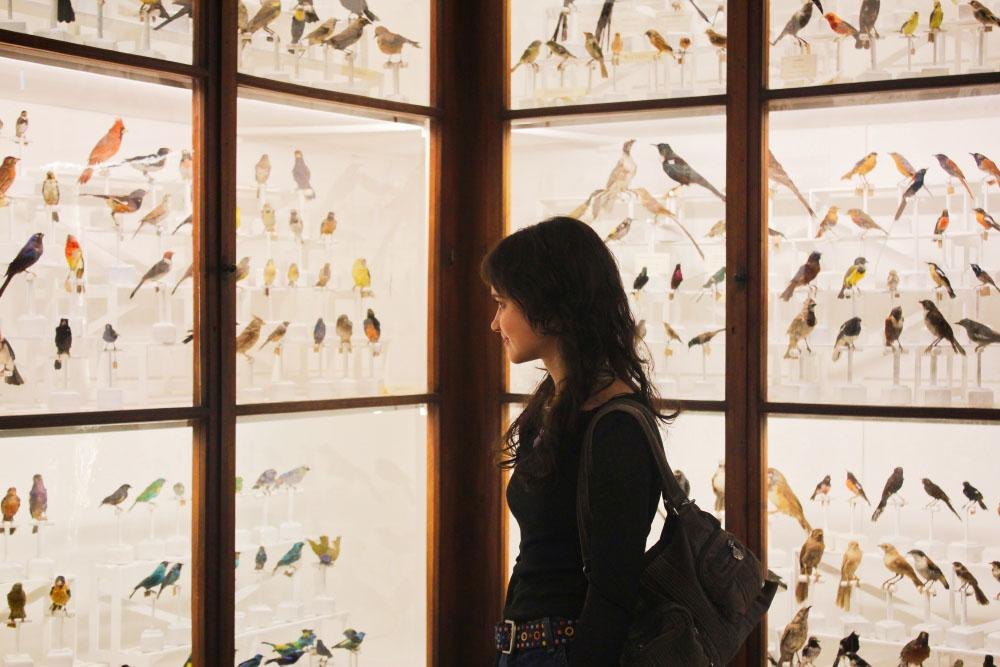
On Via Romana, in the Oltrarno, La Specola is the University’s natural history museum: rooms of stuffed animals, display cases of birds of many species and colors, and the anatomical waxes, models of the human body made to study it.
The waxes can be seen only on a guided tour and are not wheelchair accessible. The guided tour also takes you up to the Torrino, the astronomical tower, and the Tribuna di Galileo. The Salone degli Scheletri, the hall of skeletons, opens only for private tours by reservation.
Where Via Romana 17, Florence
For families too: there are activities for kids and day camps for ages 6-11
Website sma.unifi.it
Museo Galileo
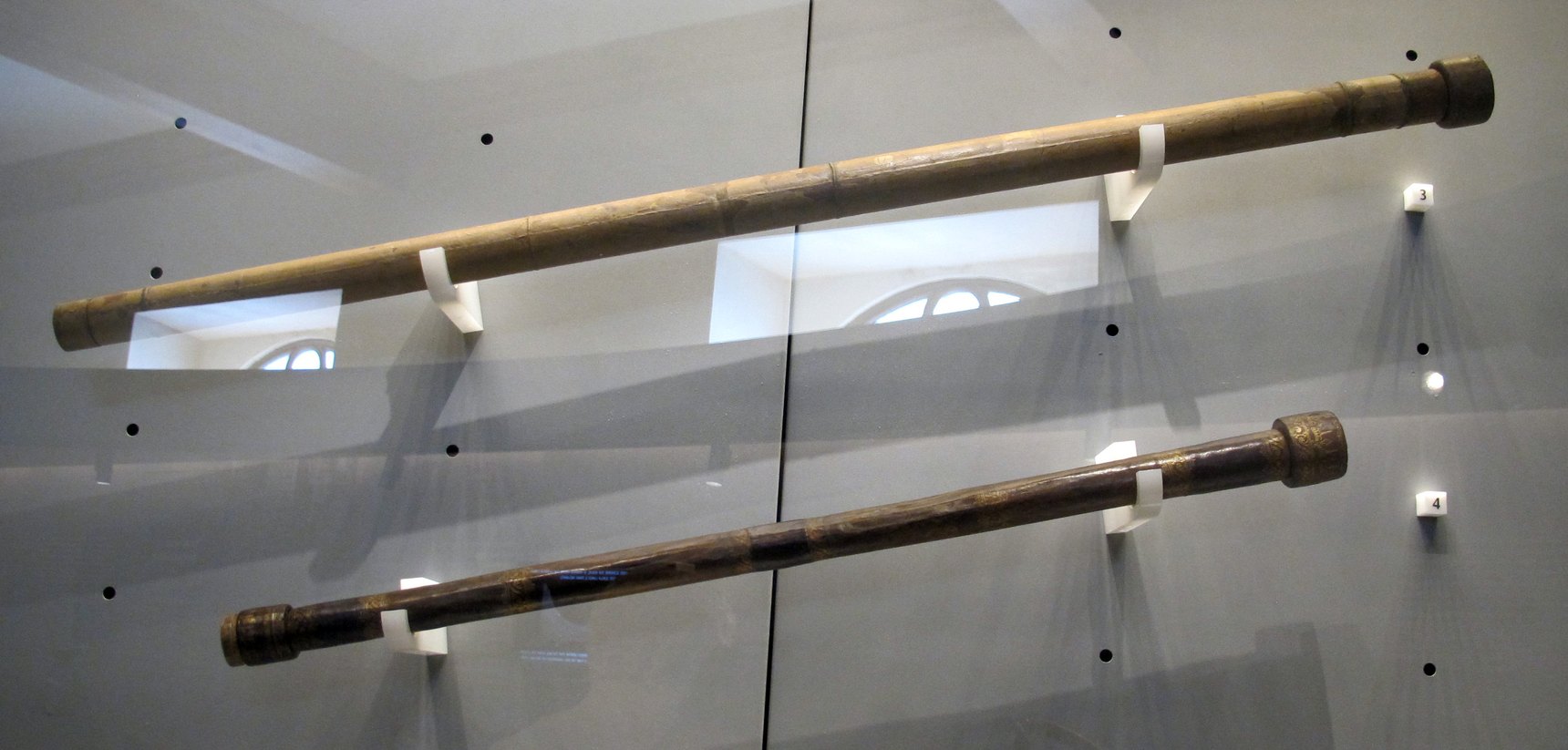
On Piazza dei Giudici, next to the Uffizi, the Museo Galileo holds the only two telescopes by Galileo that have survived, and the framed lens of the telescope he used to discover the moons of Jupiter. The middle finger of his right hand is on display too.
In the rooms, nine per floor, you’ll find Antonio Santucci’s great armillary sphere, from 1593, and the obstetric wax models from the hospital of Santa Maria Nuova.
Where Piazza dei Giudici 1, Florence
Website museogalileo.it
Museo di Antropologia e Etnologia
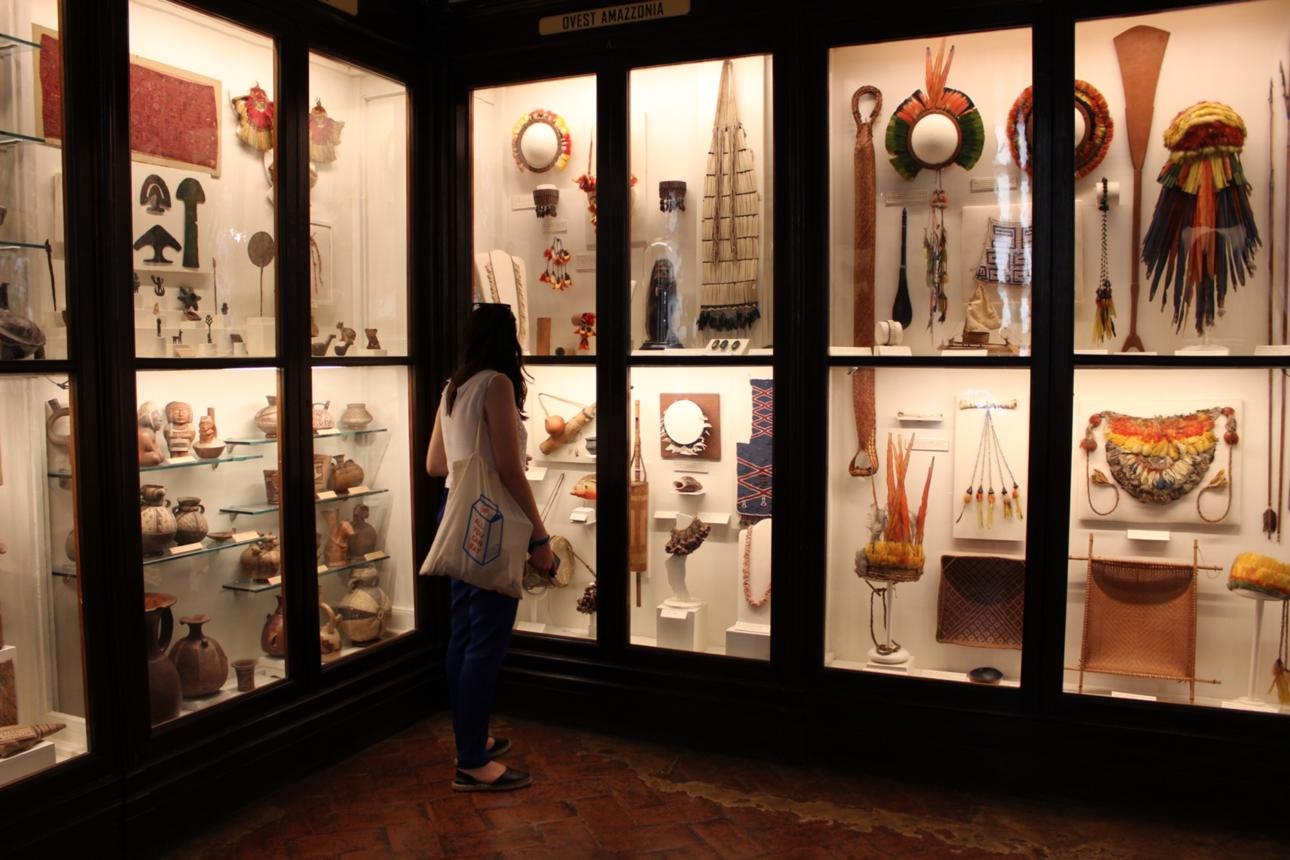
On Via del Proconsolo, inside Palazzo Nonfinito, begun in 1593 and never finished, is the museum Paolo Mantegazza founded in 1869, described as the first Italian museum of anthropology and ethnography. There are 25 rooms and about 25,000 objects: Peruvian mummies crouched in the fetal position, pieces from James Cook’s third voyage, the wooden statue of the “Patagone,” more than two meters (over 6.5 feet) tall, and a nine-string Ostyak harp shaped like a swan.
Where Via del Proconsolo 12, Florence
Website sma.unifi.it
Museo Fiorentino di Preistoria
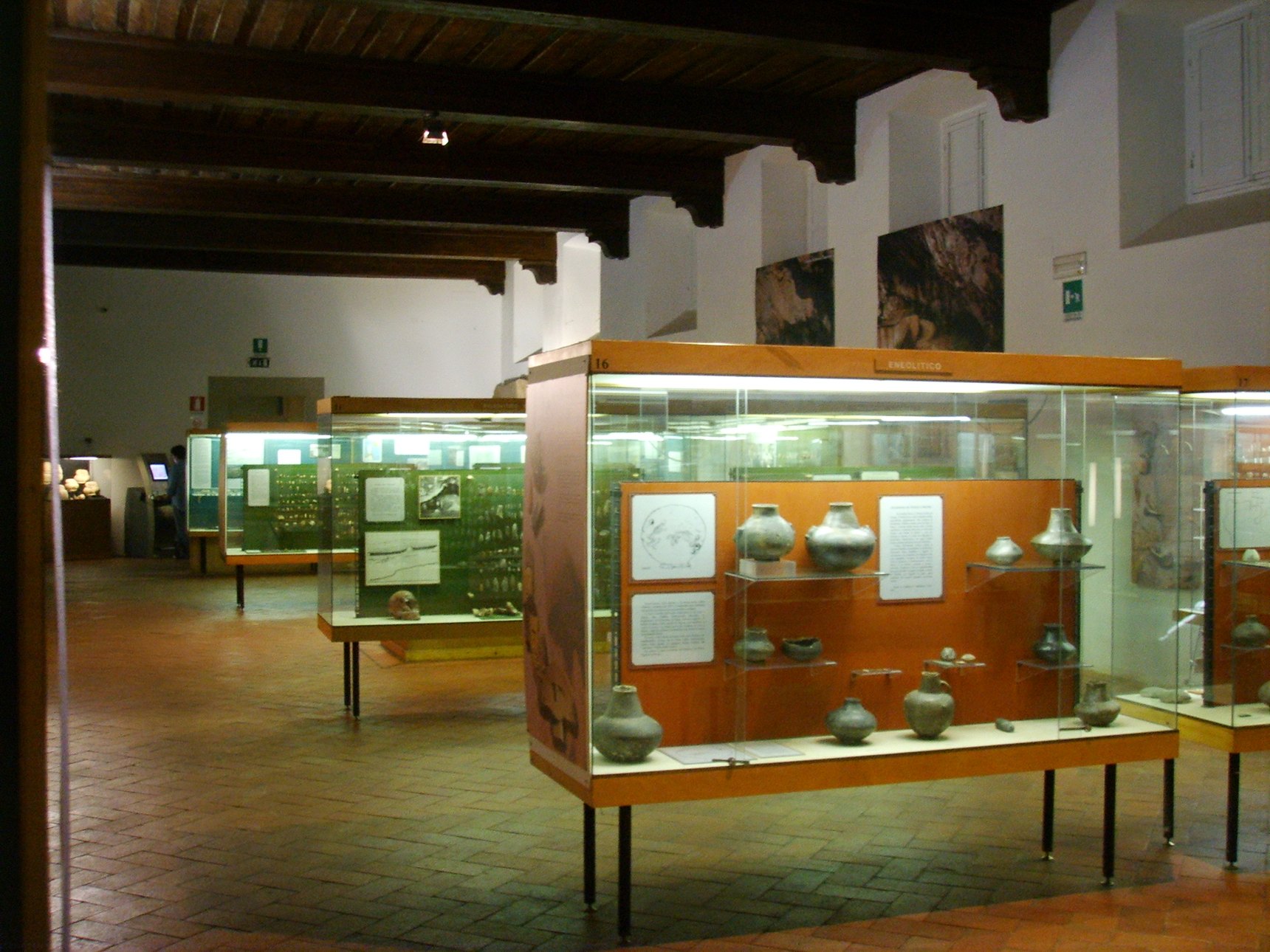
On the second floor of the former convent of the Oblate is the museum founded in 1946 by Paolo Graziosi and Gaetano Pieraccini. In the middle of the first room stands the skeleton of a cave bear found at Equi, with casts of hominid skulls. Farther on are the “uomo barbuto,” or bearded man, a small relief from about 11,000 years ago, and a section on African prehistory that ranks among the richest in Italy for pieces of this kind.
Where Via Sant’Egidio 21, Florence (entrance from Via dell’Oriuolo 24)
For schools and families too, with workshops in winter and summer
Website museofiorentinopreistoria.it
Museo del Figurino Storico, Calenzano
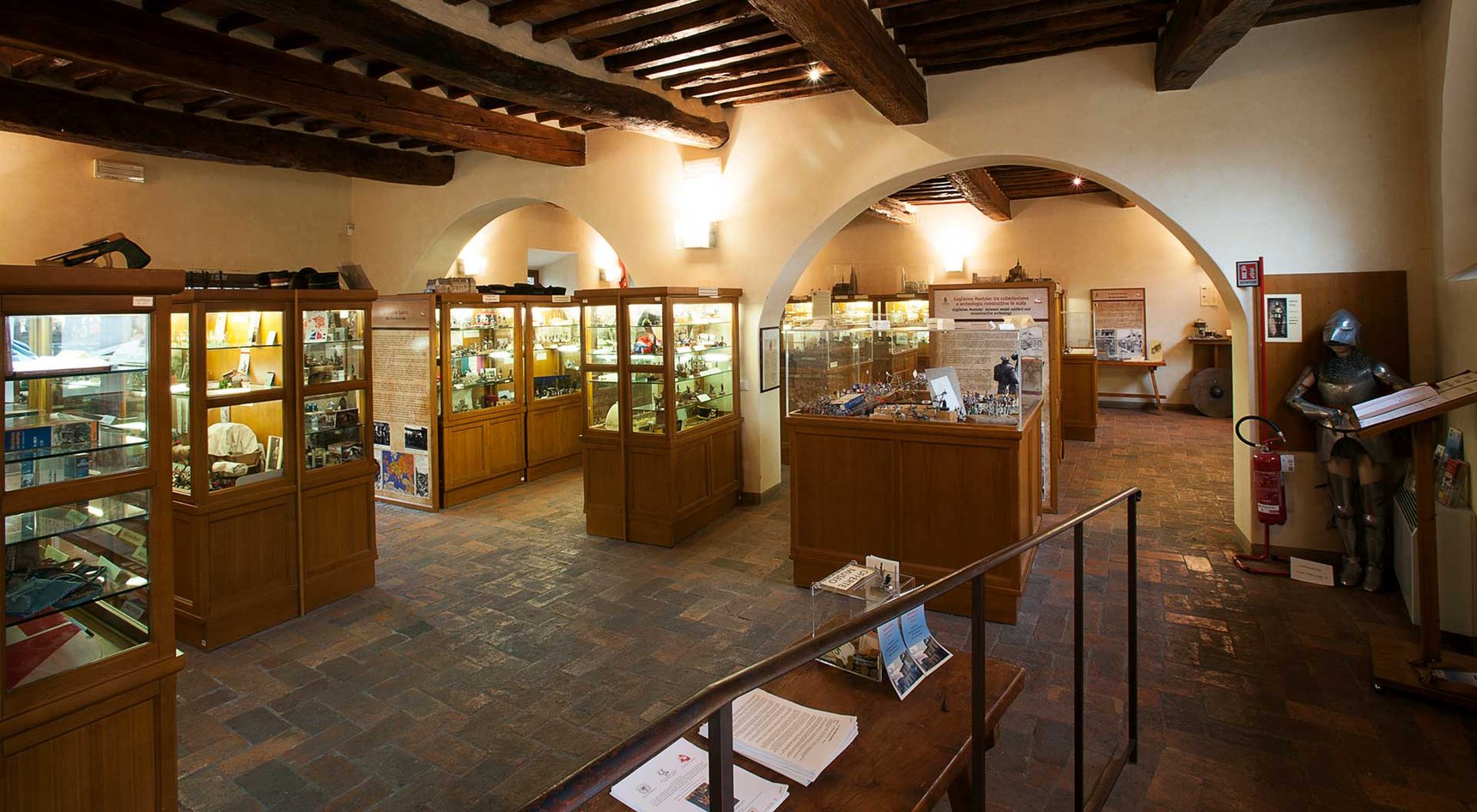
Since 2004 it has been housed in the medieval castle of Calenzano Alto, but it was born in 1981. Toy soldiers, dioramas and scale models tell the story of armies, uniforms and battles from the Assyrians to World War II. The visit pairs well with a stroll through the village.
Where Via del Castello 7, Calenzano
For elementary and middle schools too, with tours and workshops
Website museofigurinostorico.it
Collectors’ house museums
Museo Stibbert
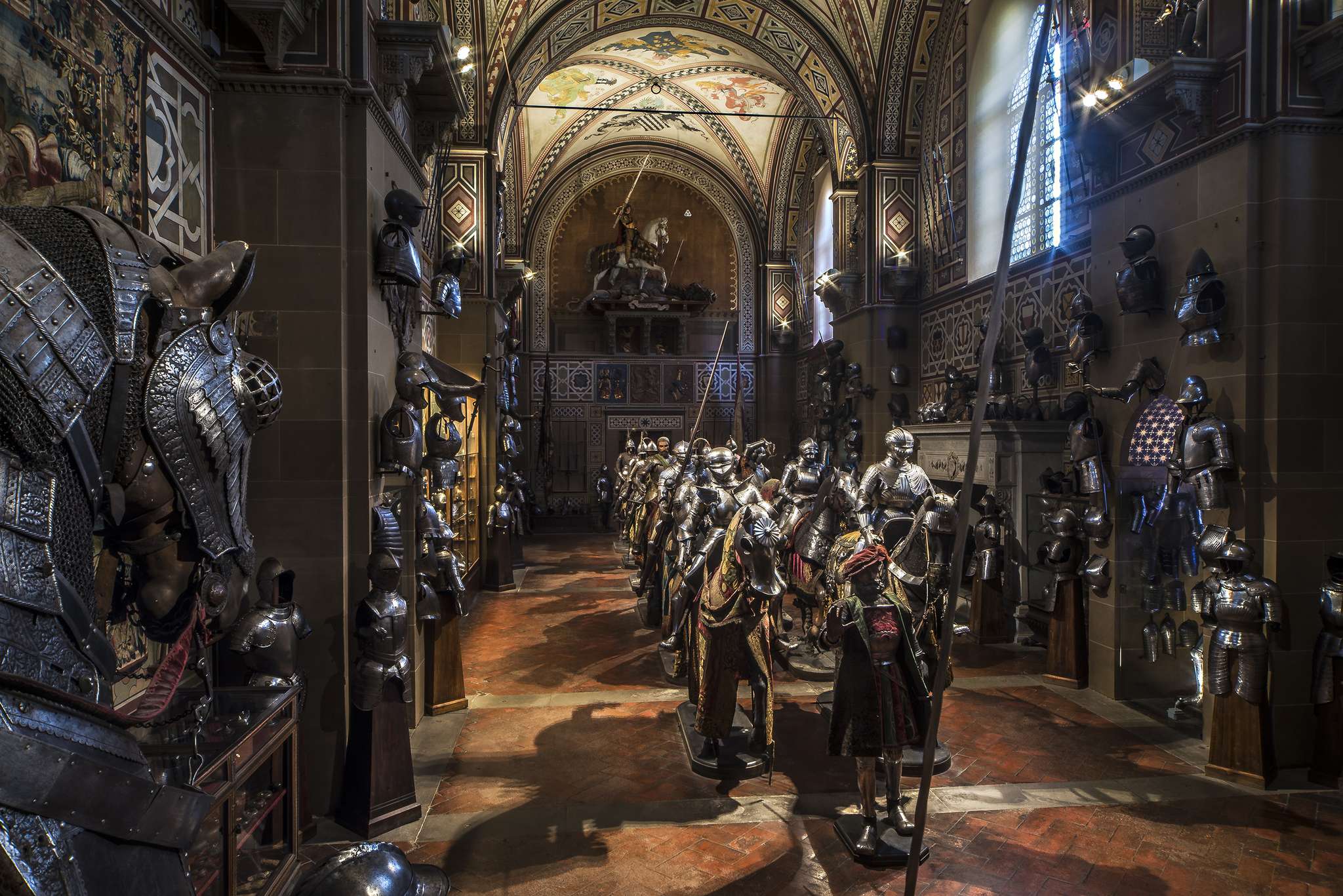
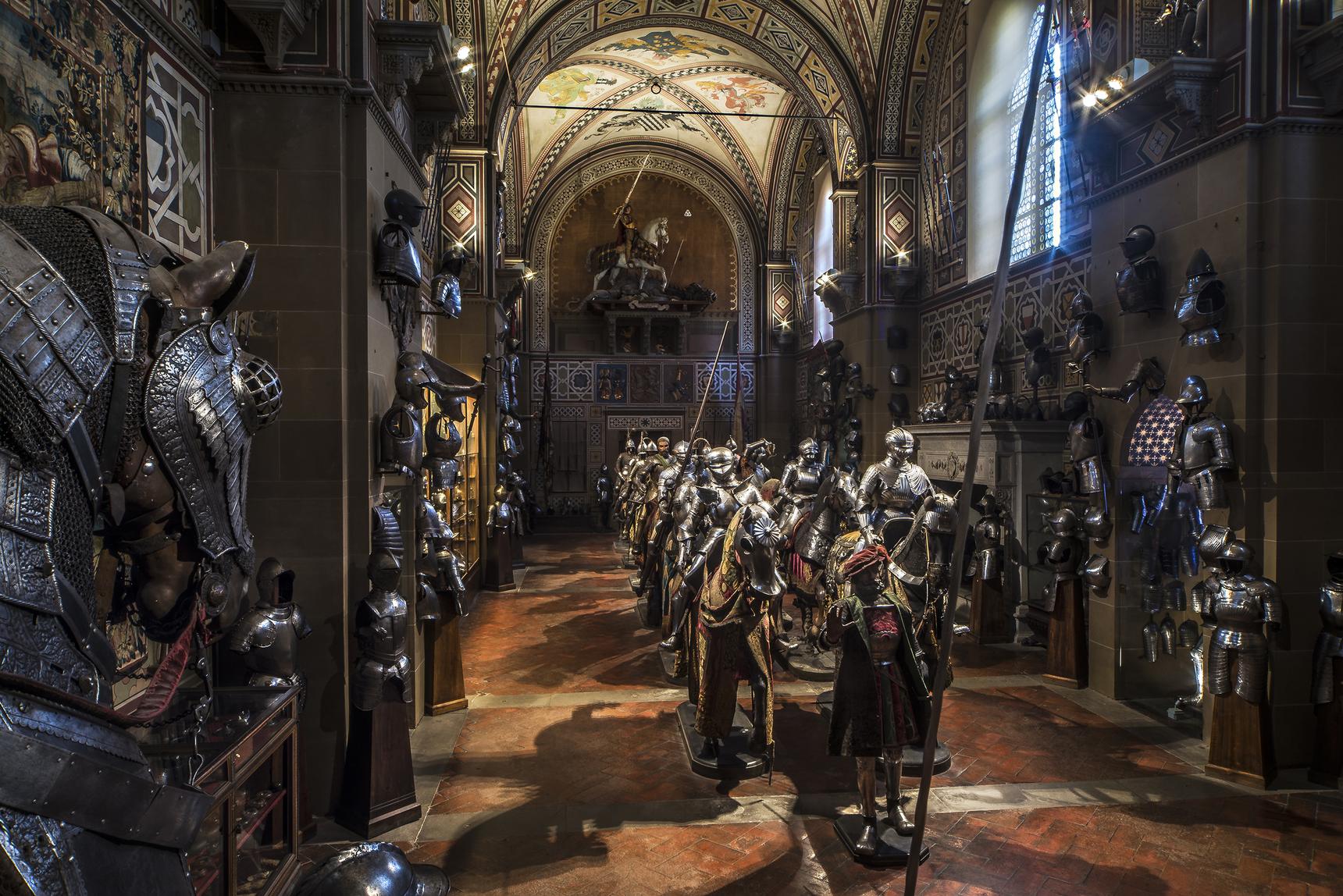
Frederick Stibbert (1838-1906), born in Florence to an English father and an Italian mother, left the city his villa and his collections: more than 50,000 pieces, among them arms, armor and costumes. In the Sala della Cavalcata, the hall of the cavalcade, armored knights parade on horseback beneath painted vaults, and the Japanese collection is considered the largest in the world outside Japan.
In the park, on the banks of the pond, there’s a small Egyptian Revival temple.
Where Via Federigo Stibbert 26, Florence
For families too, with an education program for them and for schools
Website museostibbert.it
Museo Horne
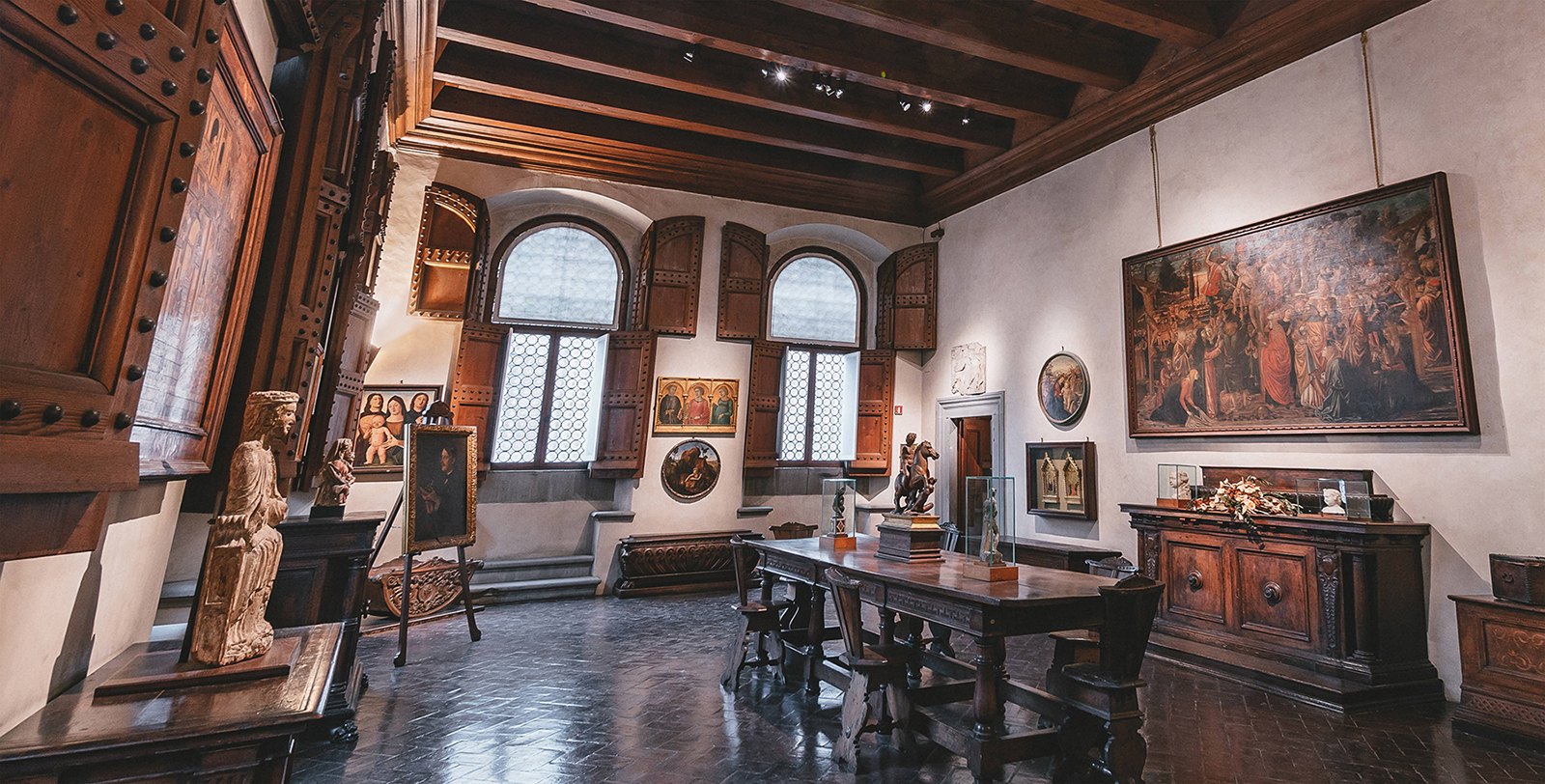
Herbert Percy Horne, born in London in 1864, bought the palazzo on Via de’ Benci in 1912, which the Corsi family had rebuilt between 1495 and 1502, and installed his collection there. He died in Florence in 1916; the museum opened in 1921.
The most important piece is Santo Stefano (Saint Stephen) by Giotto. Alongside it are a fragment of a predella by Masaccio and works by Beccafumi and Filippo Lippi. And the kitchens are on the third floor, so the smoke wouldn’t drift through the house.
Where Via de’ Benci 6, Florence
Website museohorne.it
Palazzo Davanzati
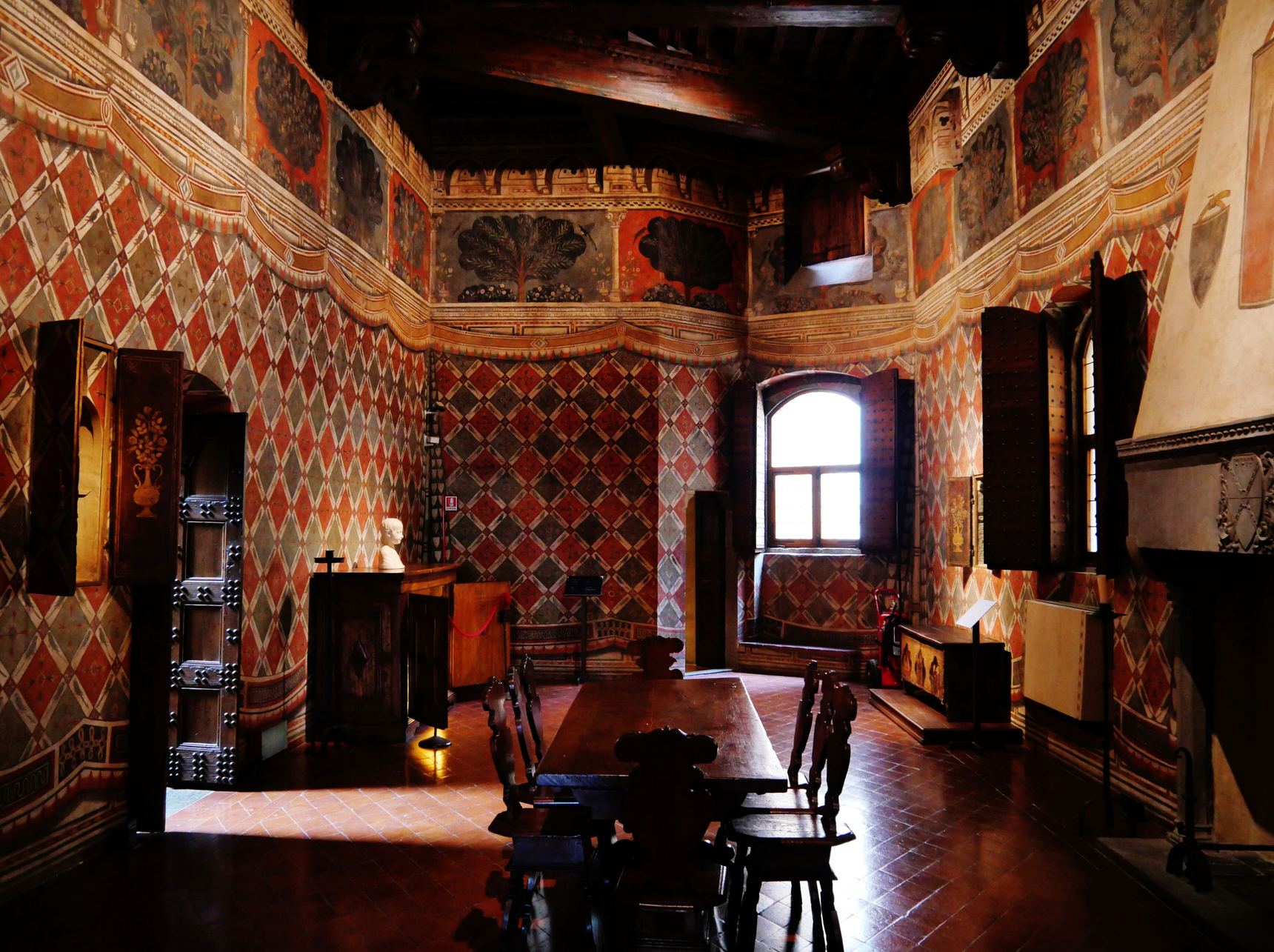
On Via Porta Rossa stands a 14th-century Florentine house whose rooms are still painted. It’s the Museo della Casa Fiorentina Antica, the museum of the old Florentine home, opened in 1956; from 1910 it had been Elia Volpi’s private museum.
The walls of the Sala dei Pappagalli, the Room of the Parrots, frescoed at the end of the 14th century, imitate drapes and tapestries. In the bedroom of the Castellana di Vergy, the frescoes tell the story of a 13th-century French courtly poem. Then there’s the well, with the pulleys that carried water to every floor, and a collection of lace from the 16th to the 20th century.
Where Via Porta Rossa 13, Florence
Website bargellomusei.it
MUSMA, Museum of Masonic Symbology
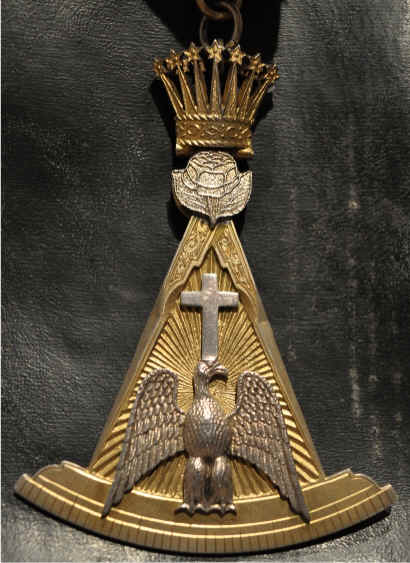
On Via dell’Orto, in the Oltrarno, is a collection carried on for three or four generations: more than ten thousand Masonic objects from around the world, dating from the late 18th century to today. There are robes, aprons, pins, glasses, porcelain, posters and magic lanterns.
The oldest piece is a late-18th-century French apron, buried during the Second World War to save it from the Nazi-Fascists. Upstairs, the Gabinetto di Riflessione, the Chamber of Reflection, and a complete lodge have been rebuilt, with the symbols and tools of the three degrees. The museum has no ties to any Masonic obedience.
Where Via dell’Orto 7, Florence
Website musma.firenze.it
Craft museums: pietre dure and coffee
Museo dell’Opificio delle Pietre Dure
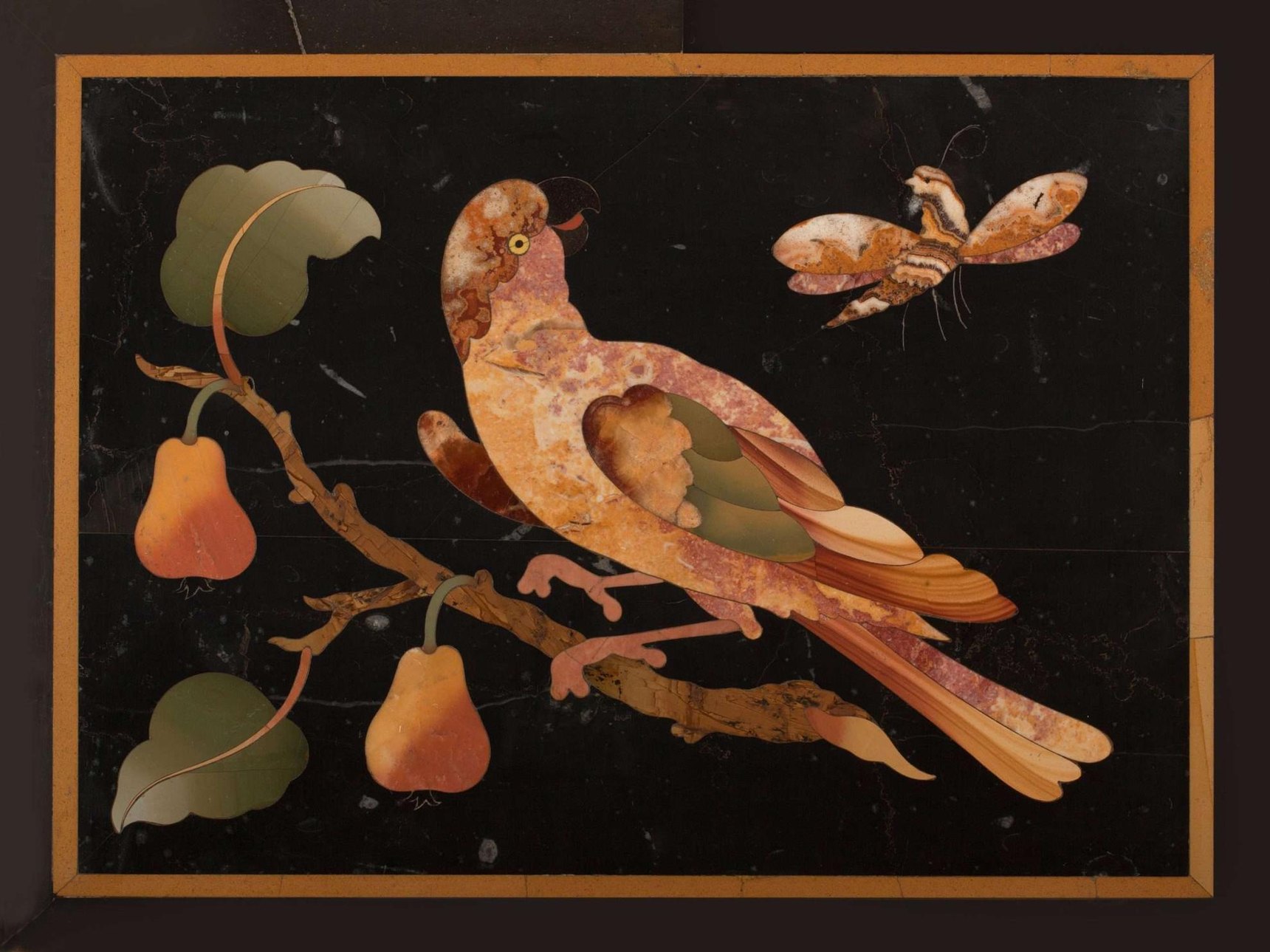
On Via degli Alfani you can see commesso fiorentino up close: pictures made of colored stones, cut and fitted together in place of paint. The workshop was founded by Ferdinando I de’ Medici in 1588.
In the great hall, on the raised ground floor, are the sample collection of stones, the workbenches and the tools of the workshops, with examples of each stage in making inlays and carvings.
Where Via degli Alfani 78, Florence
Website opificiodellepietredure.cultura.gov.it
Accademia del Caffè Espresso, Fiesole
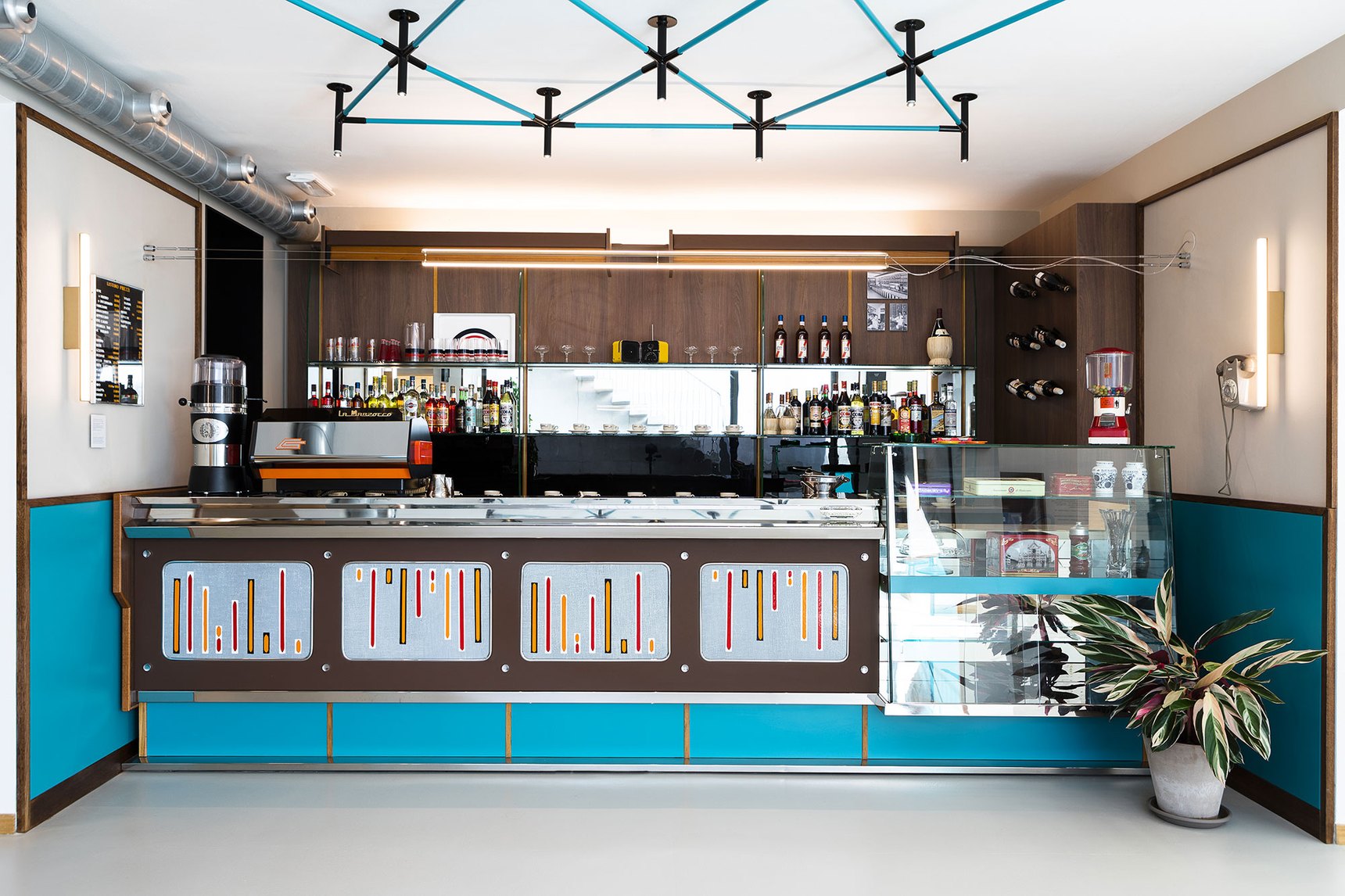
In Pian di San Bartolo, on the Via Bolognese, the Accademia del Caffè Espresso tells the story of espresso in five areas: the machine, with its design, its engineering and the innovations born from mistakes; the history of La Marzocco; and coffee as a raw material, with growers’ voices to listen to.
There’s a reconstructed 1960s Italian bar, with the counter, vintage bottles, a La Marzocco GS and a token-operated pay phone. And there’s a greenhouse with a coffee plantation.
Where Via Bolognese 68, Pian di San Bartolo, Fiesole
Website accademiaespresso.com
How to plan a tour of unusual Florence
Between San Marco and Santissima Annunziata are five museums on this list, just a few streets apart: the Leonardo Interactive Museum on Via de’ Servi, Il Museo Impossibile on Via Capponi, the Opificio on Via degli Alfani, the geology museum on Via La Pira and Pinocchio on Via Ricasoli. With kids, two in a morning is plenty.
Between the Duomo and Santa Croce, the prehistory museum, with its entrance on Via dell’Oriuolo, the anthropology museum on Via del Proconsolo and the Museo delle Illusioni on Borgo degli Albizi go well together. Toward the Arno, instead, are the Museo Galileo, next to the Uffizi, and the Museo Horne on Via de’ Benci; Palazzo Davanzati, on Via Porta Rossa, is a short distance away.
The others call for a separate outing: La Specola and the MUSMA in the Oltrarno, the Stibbert north of the center, HZERO near Santa Maria Novella. For the Accademia del Caffè and the Figurino Storico, you’ll leave Florence.