Unusual Florence: Five Museums Worth a Visit
But say “wax museum” and we all think of Madame Tussaud’s in London, forgetting that Florence is home to the largest collection of anatomical waxes in the world. Off the well-worn tourist trails, there are at least five unusual museums in Florence that are absolutely worth a visit.
La Specola
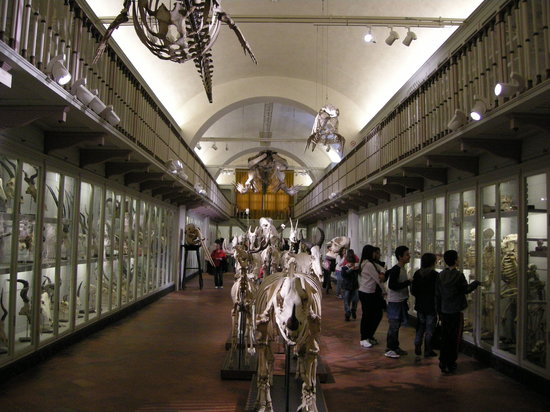
With more than three and a half million animals — five thousand of them on public display — and 1,400 anatomical wax models, La Specola is one of the largest science museums in Europe. And one of the most unusual museums you may ever come across, and not only in Florence. Marvel your way through the halls of Ungulates and Carnivores; linger before the giraffe gazelle and the white rhinoceros. Let the South American lizards pique your curiosity, and feel a little like Darwin in front of the giant Galápagos tortoises. But the real chills come when you reach the wax collection, crafted between the late 1700s and early 1800s for teaching purposes, so that students would not have to rely each time on the direct observation of a cadaver. Beyond that lies the Hall of Skeletons, open by reservation only, where three thousand specimens are gathered — skulls, bones, and animal skeletons, among them the Tasmanian tiger, an Indian elephant, and three extraordinary cetaceans.
Museo Stibbert
An Englishman schooled at Cambridge but chafing at the rigidity of college life, Frederick Stibbert was so devoted to Italy that he enlisted in Garibaldi’s Guides. On coming of age he inherited an enormous fortune and spent the rest of his life amassing the most disparate objects in his villa-museum, enlarging and adapting it to house them. Today Villa Stibbert is one of the unusual museums of Florence. The collection numbers more than fifty thousand objects — paintings, porcelain, costumes, works of art, but above all arms and armor from every corner of the globe. Especially remarkable is the section devoted to the Japanese Armory, one of the largest such collections outside Japan itself: some 95 complete suits of armor, 200 helmets, 285 short and long swords and polearms, 880 tsuba (the hand-guards of sabers), plus countless accessories dating mostly to the Momoyama and Edo periods (between 1568 and 1868).

The Dutch University Institute for Art History
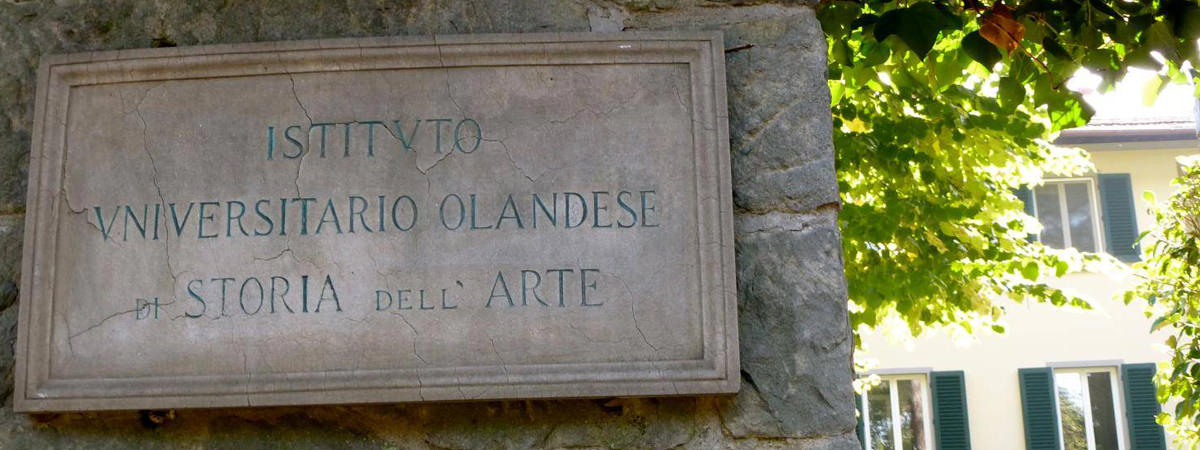
It’s not all stars and stripes: what many don’t know is that Florence is also home to a Dutch University Institute, dedicated, naturally, to the history of art. Founded in 1958, it sits on viale Torricelli, between the Poggio Imperiale and Porta Romana, if that helps place it. It regularly hosts temporary exhibitions of real taste and quality, which earns it a spot among the unusual museums of Florence. Well worth a stop.
Museum of Anthropology and Ethnology
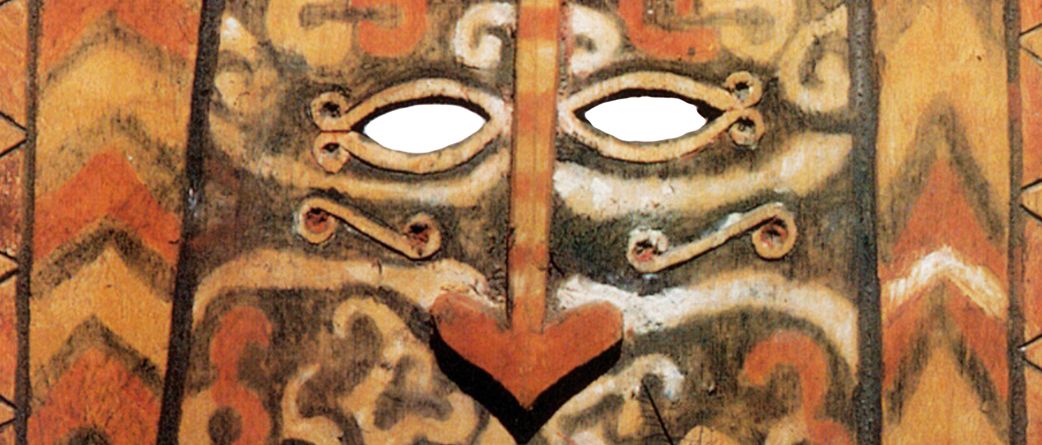
Garments and clothing accessories, jewelry, weapons, amulets, kitchen utensils, furnishings, musical instruments, paintings, and manuscripts. A stone’s throw from the Duomo, inside the Palazzo Nonfinito designed by Bernardo Buontalenti, stands the Museum of Anthropology and Ethnology of Florence. A jumble of objects of every kind, recounting the customs and traditions of the most varied peoples and centuries. The core of the collection is material gathered by explorers in the New World, as well as in Africa and Asia, from the eighteenth century onward. Among the holdings are exceedingly rare kimonos and ornaments from the island of Hokkaido, in Japan; mourning masks and trophy skulls from New Guinea; erotic-themed tiles from India. And then a collection of thousands of photographs taken between the late 1800s and early 1900s in the most far-flung places on earth. A trip around the planet in a single afternoon.
Galileo
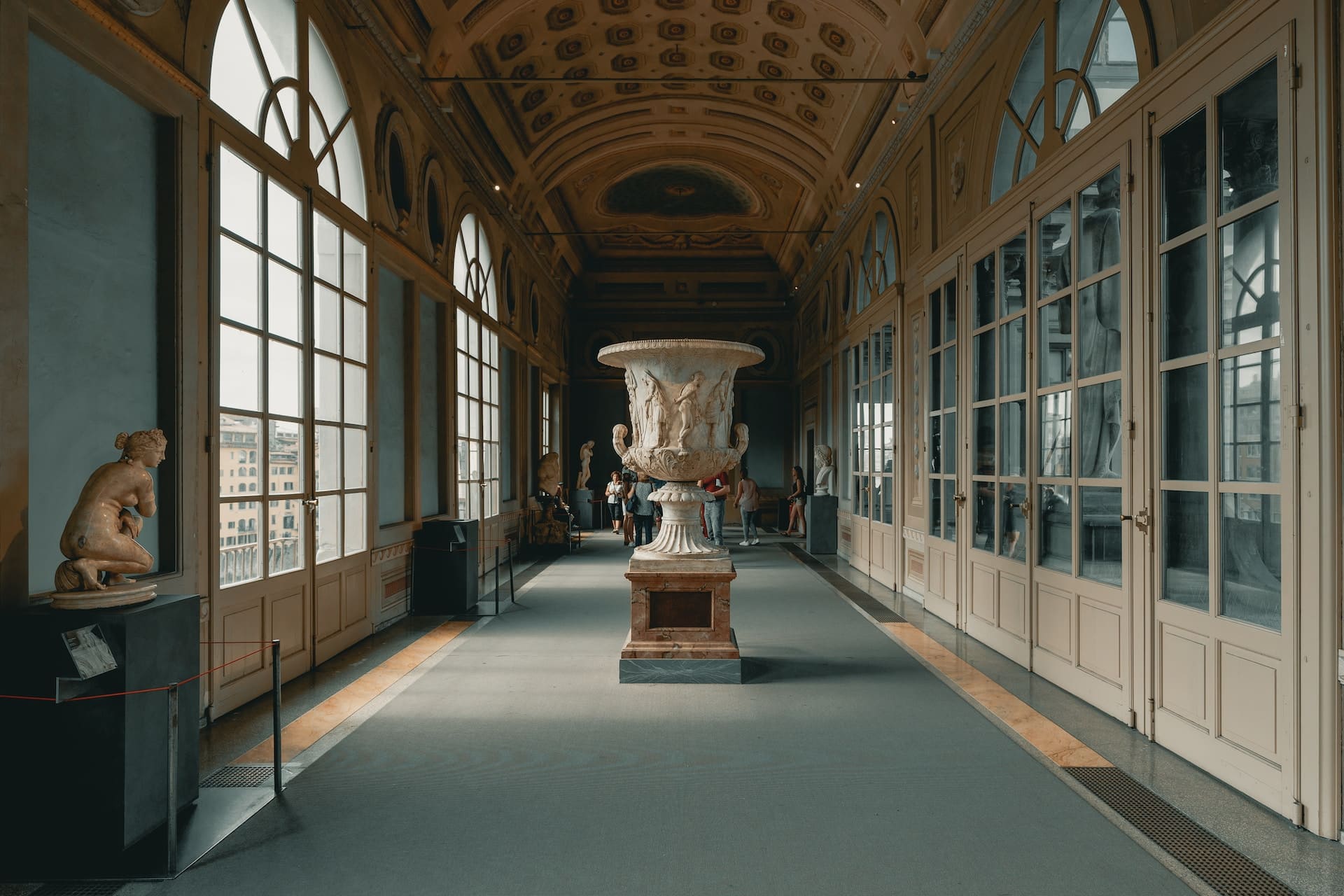
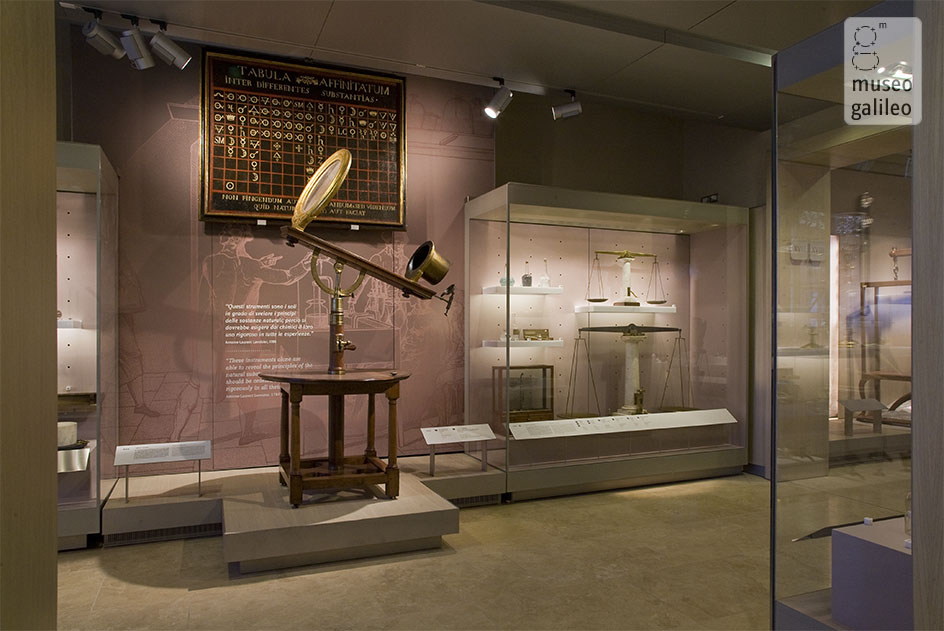
Telescopes of every kind, astrolabes of every size, alchemists’ glass bottles and bell jars, hydrometers, archimeters, an early-nineteenth-century doctor’s case, surgical instruments for operating on the skull, optical toys, lenses, clocks of every sort — edicola, pendulum, oil, carriage — and even a pair of magnetic ducks fitted with floats beneath their wings, dating to the eighteenth century (perhaps for teaching purposes). At the Museum of Science in Florence, also known as the Museo Galileo, you’ll find everything and its opposite: objects that shaped the history of philosophers, inventors, scholars, and astronomers on the road to modern science.
The Museo dell’Accademia del Caffè Espresso
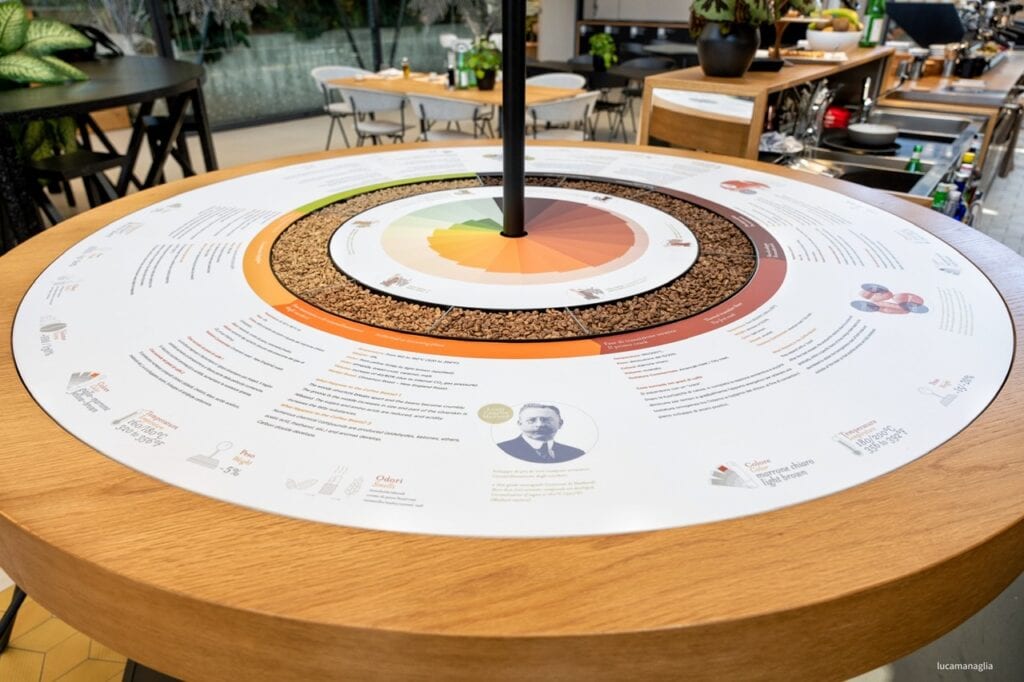
In the hills just outside Florence — at via Bolognese 68, in Pian di San Bartolo, to be precise — La Marzocco has created a place where you can get to know the world of espresso from every angle. The Museo dell’Accademia del Caffè Espresso engages all of its visitors’ senses with a journey that follows the bean all the way to the cup. It touches on fields such as technology, botany, and agronomy, but also the social and environmental sustainability of raw materials. The Accademia’s spaces also host temporary exhibitions, experiences, and in-depth courses in collaboration with institutions and universities. The goal of the company — a maker of coffee machines since 1927 — is to spread the culture of coffee more widely by sharing its history and the processes behind it. And so the old factory has been transformed into a versatile, open space for sharing knowledge, skills, and craft.