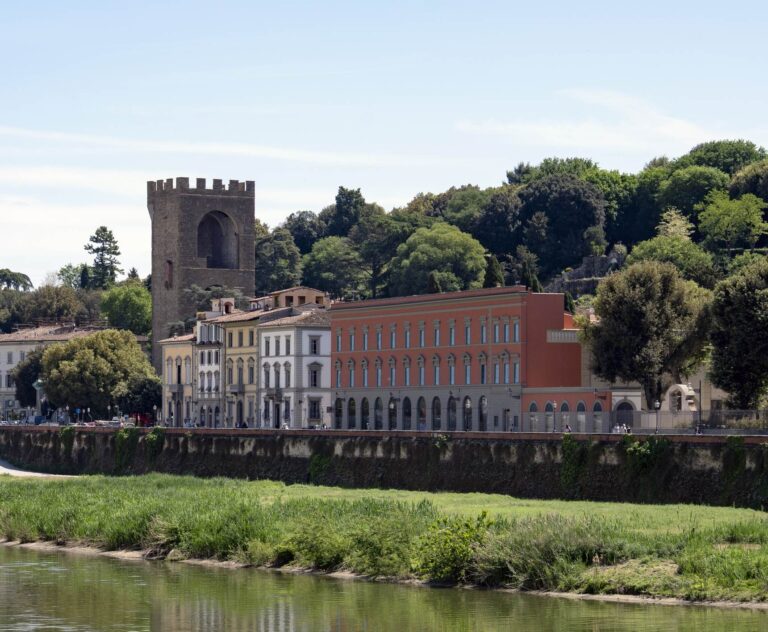
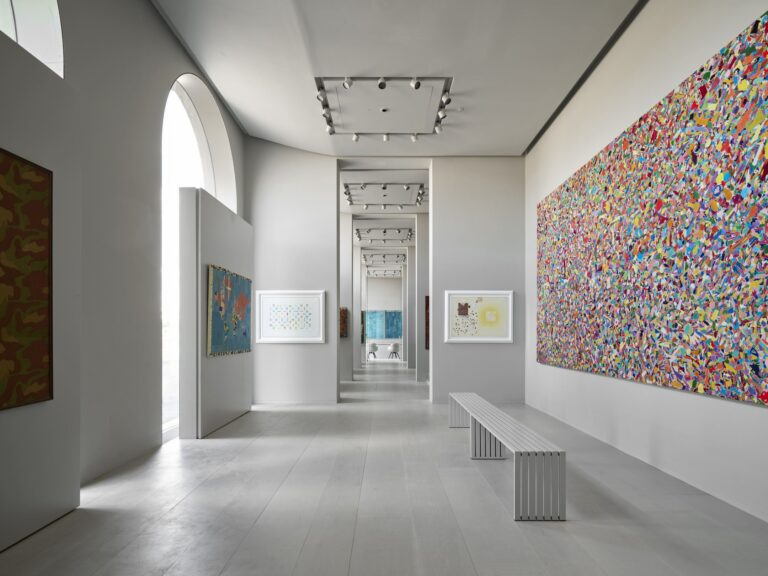
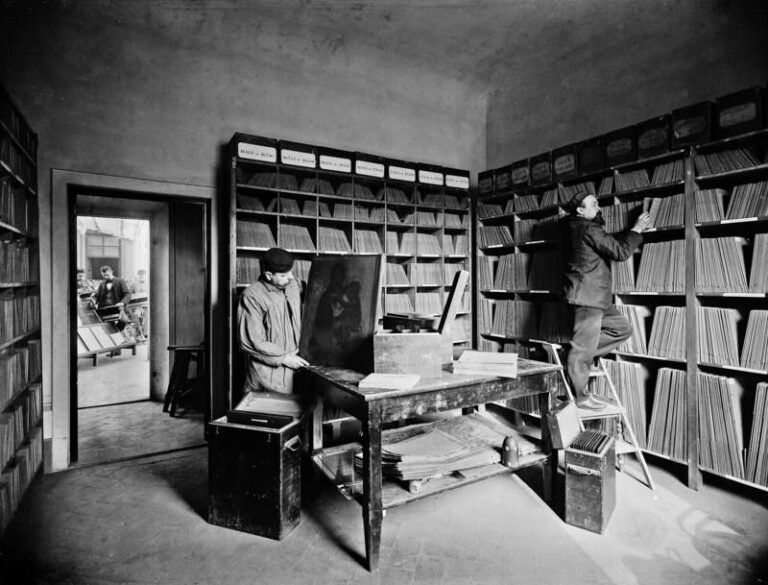
For more than four centuries, Leonardo da Vinci’s papers have been scattered. In the late sixteenth century the sculptor Pompeo Leoni broke up many of his notebooks and loose sheets, and those pages have never been brought back together since. Today a good share of them can be read in one place, online: the LeonardoTheka, the digital library developed by the Museo Galileo in Florence for the study of Leonardo’s manuscripts, which has just been named a finalist for the Apollo Awards 2026.
The Apollo Awards are the prizes that the British art magazine Apollo hands out every year to the people, institutions and projects that stand out on the international art and cultural scene. The LeonardoTheka is competing in the Digital Innovation of the Year category, for projects that make innovative use of digital technology in art and cultural heritage. The winner will be announced on Thursday, November 19, in London.
What’s inside the LeonardoTheka
The project was born at the Museo Galileo and took ten years of work, carried out together with the Royal Collection Trust, the Veneranda Biblioteca Ambrosiana and the Biblioteca Leonardiana in Vinci. The result is the largest online collection of Leonardo’s drawings and manuscripts: some 3,500 pages brought back together digitally.
It includes the 1,119 sheets of the Codex Atlanticus, kept in Milan, and the roughly 550 sheets of the Royal Collection at Windsor, which can be explored side by side instead of in two separate archives. Digital research and restoration tools also made it possible to reassemble 50 manuscripts, putting the sheets back in their original context. For anyone studying Leonardo’s artistic and scientific thinking, new paths are opening up.
The award ceremony at the Old Sessions House in London
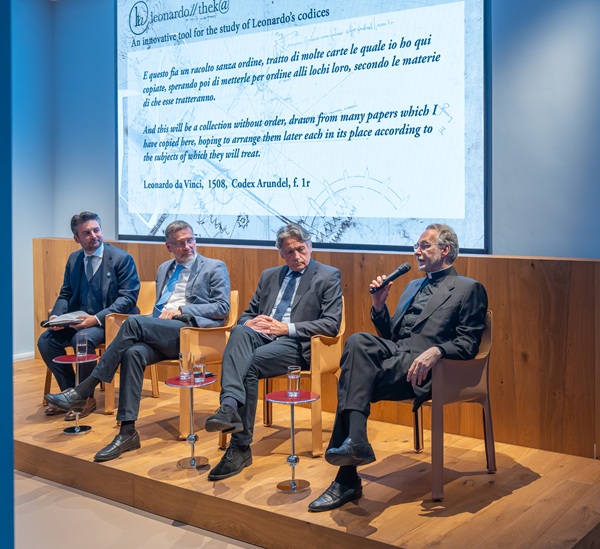
The new version of the LeonardoTheka was unveiled in London last June, and it is to London that it returns for the verdict: the ceremony takes place at the Old Sessions House. Attending will be Roberto Ferrari, executive director of the Museo Galileo; Martin Clayton, Head of Prints & Drawings at the Royal Collection Trust; and Maria Manca, counselor and head of the Press and Culture Office at the Italian Embassy in London.
For the Museo Galileo, making the shortlist is already an important recognition: it rewards the research and digital innovation work the museum carries out to study, share and enhance the heritage of the history of science.