Discover the Florence of perfumes: fragrances, history and tradition
The shaping of raw materials found in nature has, since ancient times, been the skill that defines humankind more than any other. In Ancient Egypt, flowers, woods and herbs were turned into scented oils and blends that served mainly a religious function in rituals. Likewise, in Magna Graecia and the Roman Empire, perfumes carried a sacred meaning, but also served as unguents for the body’s well-being and hygiene. These fragrant substances — able to bind directly to our deepest emotions — held a therapeutic power. It was in the Renaissance — and above all in Florence — that perfume began to be seen as an instrument of beauty. One figure in particular launched the fashion among the nobility: Caterina de’ Medici. It is thanks to her that we can say the city of Florence is where modern perfume finds its roots.
Officina Profumo-Farmaceutica di Santa Maria Novella
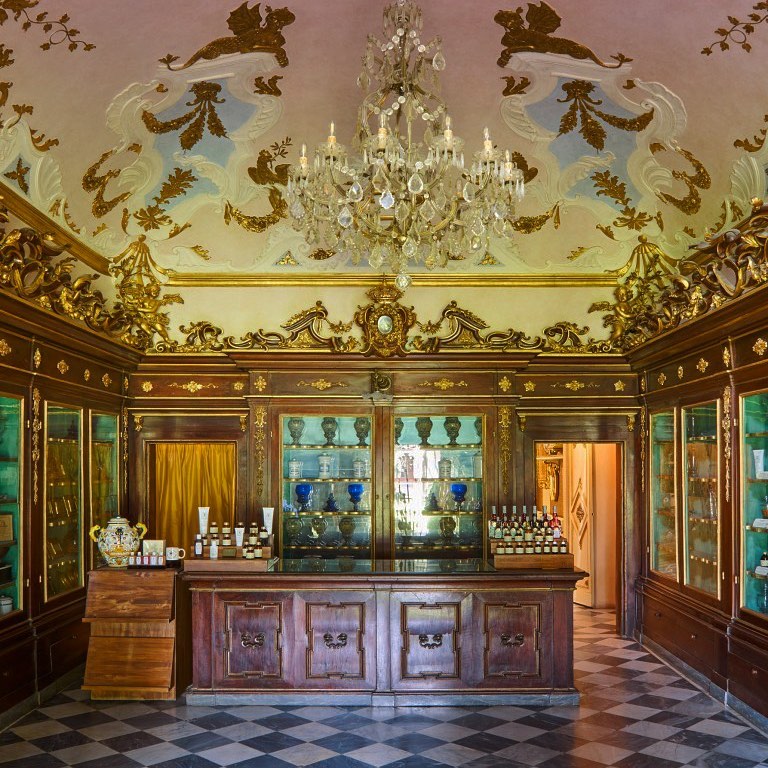
You could say it all began at the Officina Profumo-Farmaceutica di Santa Maria Novella, where the Dominican friars turned the produce of their garden into oils and unguents for personal care. Natural ingredients supported both physical and mental well-being. In 1533 — the Officina then, as now, standing at Via della Scala 16 — Caterina de’ Medici expressed the wish for a fragrance that could recall Florence. Her aim was to carry it with her to France, where she would shortly move to marry the future king. So was born the Acqua della Regina (still on sale today). In 1542 the Officina opened to the public for good, specialising not only in cosmetics but in perfumes. It is also thanks to this place — one of the oldest pharmacies in Europe, no less — that Florence can lay claim to an essential role in the history of perfume.
The art of the speziali (the apothecaries)
It should be added, too, that from the Middle Ages the city practised the art of the speziali — the apothecaries. A guild in the fullest sense, which with artisan mastery turned natural ingredients into essences for beauty and health. Chemical and creative skills passed down from one generation to the next, leaving a deep mark on the life of the city. Suffice it to say that a street still recalls this tradition today: Via degli Speziali. In time, of course, the techniques for distilling scents grew ever more innovative, just as new raw materials were discovered.
So while, thanks in part to Caterina de’ Medici — who brought her own perfumer, Renato Bianco, with her from Florence — the perfume industry saw significant growth in France, in Italy the perfumery tradition carried on and developed.
Florence’s ancient pharmacies and workshops
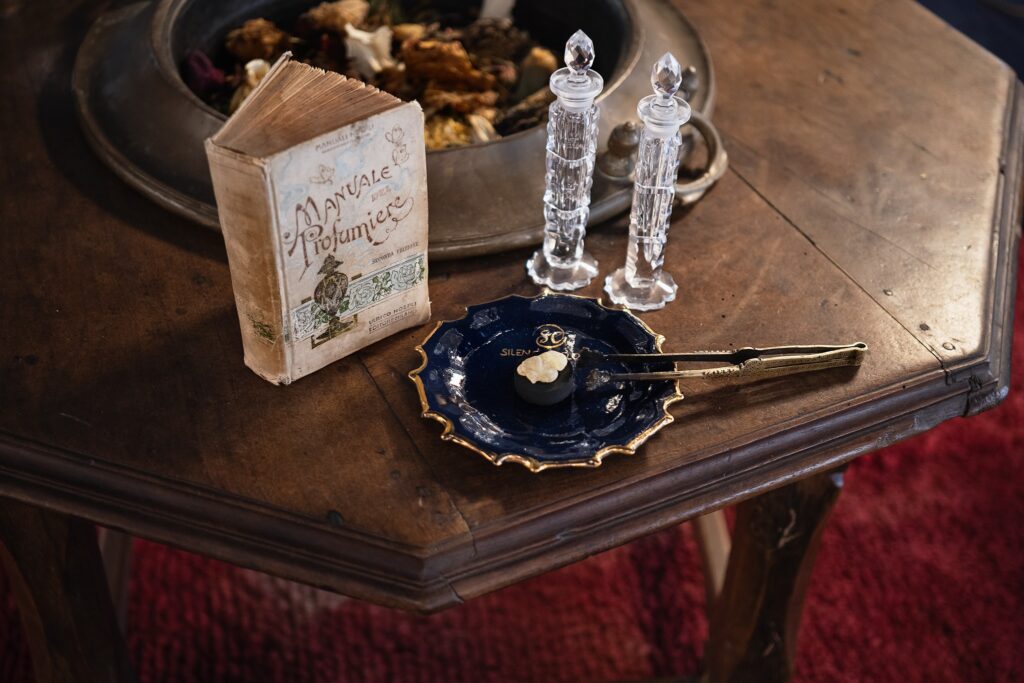
For anyone wishing to retrace the history of perfume from its very origins, the city is full of apothecaries and pharmacies that echo those ancient traditions. Magical places, wonderfully bound up with the history of Florence and specialising today in the creation of fragrances. First among them, of course, the Officina di Santa Maria Novella, which keeps the look of an old pharmacy, furnished across different eras. You can try the perfumes in the original rooms, visit the old production laboratories and much more.
For history lovers, the route can continue at the Farmacia di Santissima Annunziata on Via de’ Servi, first run by the Benedictine nuns. Here too, amid seventeenth-century furnishings, you can enjoy an experience of personal-care products and artisan perfumes made in Florence.
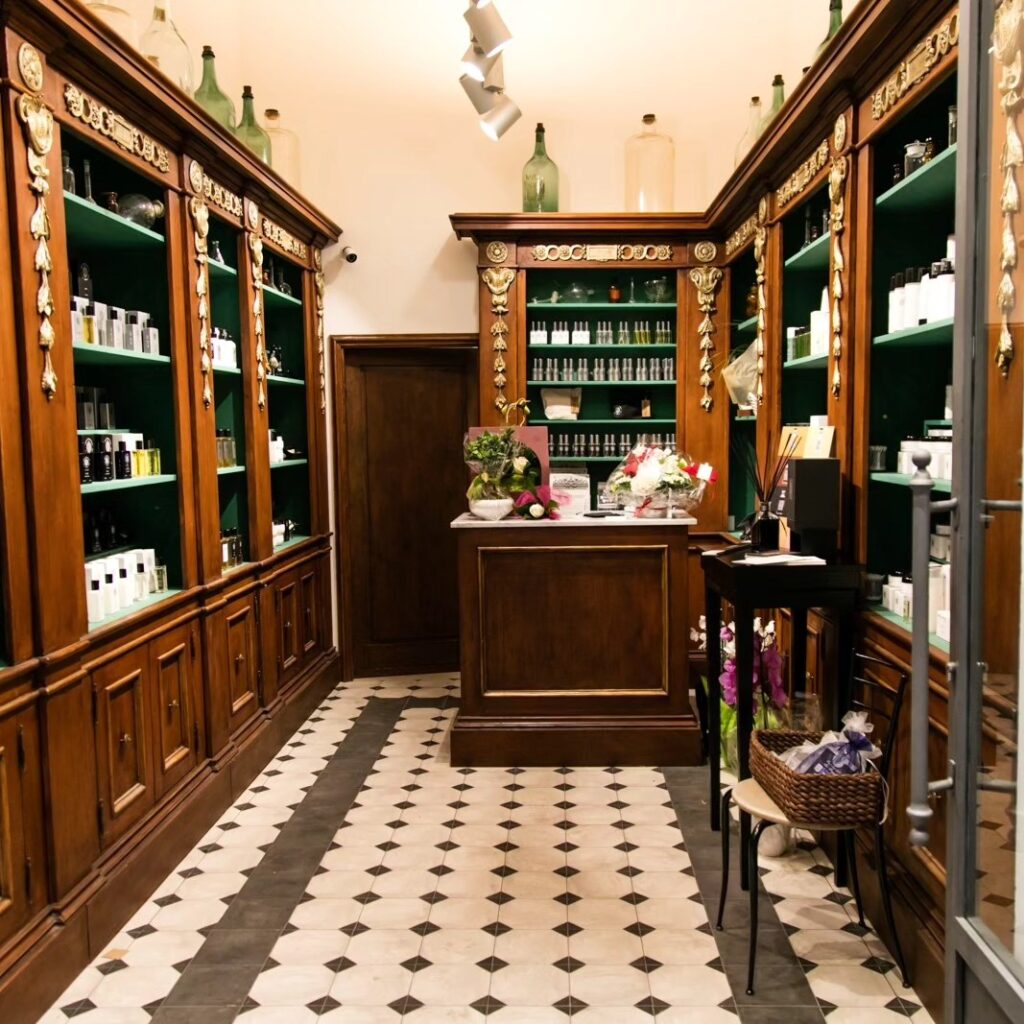
The first pharmacy to offer homeopathic remedies in Florence, meanwhile, was the Antica Farmacia Mustermann (Piazza Goldoni), today the Antica Farmacia Angloamericana. Here the original recipes are still sold, and you can also blend the ingredients however you like to create a personalised fragrance.
Venturing deeper into Florentine history, another figure experimented in the field of perfume: Caterina Sforza de’ Medici, at the end of the fifteenth century. Her research was gathered in a manuscript, “Experimenti”: over 450 recipes spanning medicine, chemistry and cosmetics. It is to this figure and her discoveries that Spezierie Palazzo Vecchio is tied, offering an experience that moves from cosmetics — with a focus on the therapeutic properties of plants — through to the world of perfume.
Others, instead, draw on the emotional and therapeutic side of perfume’s history. L’Officina de’ Tornabuoni offers perfume for body care as a tool for well-being rituals. Here, fine Florentine craftsmanship, aromatherapy and a connection to the ancient tradition of the speziali give rise to natural perfumes. The artisan workshop Arômantique makes the emotional dimension the very foundation of its work: fragrances become guides in the discovery of the self, but also therapeutic tools. You can enjoy a completely personalised experience through the techniques of scent therapy.
Artistic perfumery
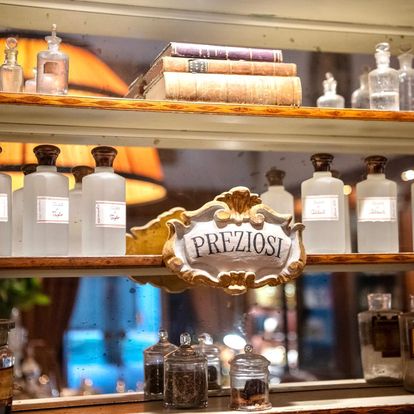
Already in the Renaissance, however, perfume increasingly took on the value of a work of art. No longer merely an instrument of personal beauty, its creation — and the search for the right one — are today genuinely immersive, artistic journeys. We speak, in fact, of artistic or niche perfumery, a sector currently enjoying extraordinary success. Here the emotional side of perfume — its ability to bring together notes and harmonies to carry us far away, to summon a memory, to make us feel a certain way — is placed entirely at the centre. Anyone who loves this side of the world of fragrance will be spoilt for choice in Florence.

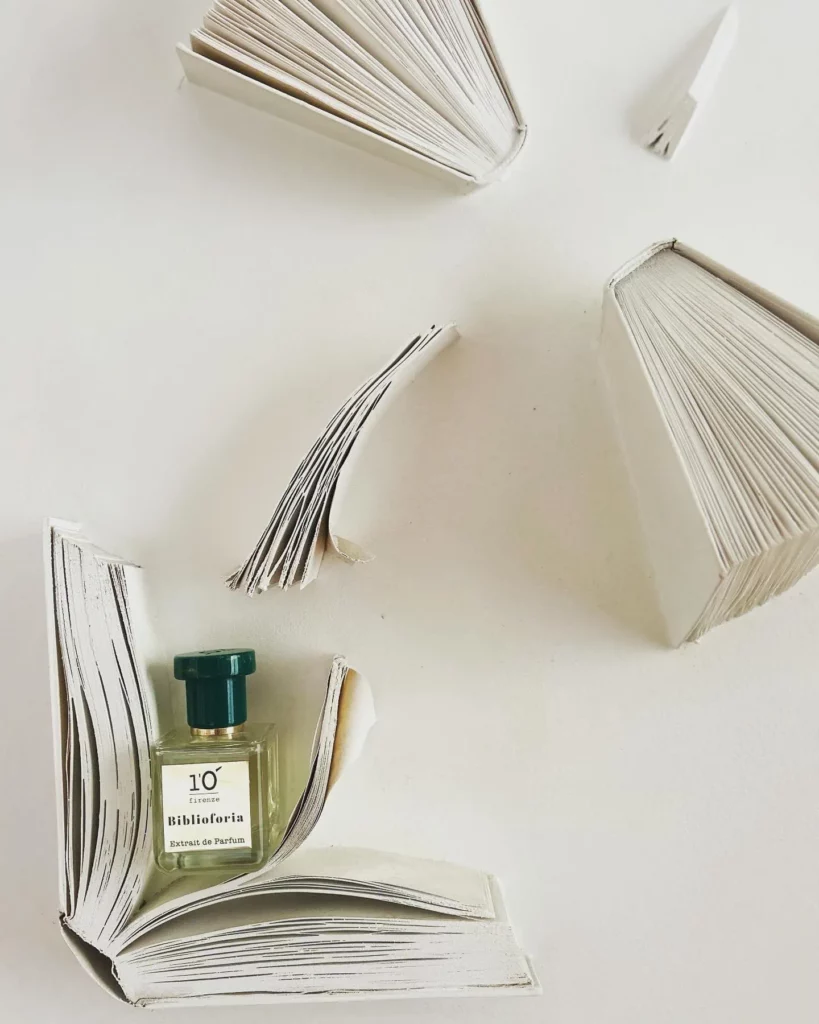
A must-visit is L’Ò profumo. This perfumery — among the first to offer natural cosmetics — creates artisan formulas through a wholly natural, pure process, connecting with the ancient art of alchemy. Here the making of a perfume is experienced scientifically, of course, but poetically too. Its attention also turns to Florence and its old trades — often forgotten, yet the very soul of the city and its history — with the “a Bottega” line. Nine perfumes evoke traditional Florentine professions — from the chimney sweeps to the carpenters, from the art of tanning to that of papermaking — letting you breathe in the atmosphere of the old workshops.
Then there are the many master perfumers with their ateliers in Florence, where you can buy original niche perfumes and enjoy true olfactory experiences. First among them, Profumoir — with master perfumer Sileno Cheloni — who works from the instinctive side that defines the realm of smell, offering a multisensory journey that passes through an Archive Library and an Olfactory Organ. Strong is its connection to Florentine savoir-faire and to the Renaissance.
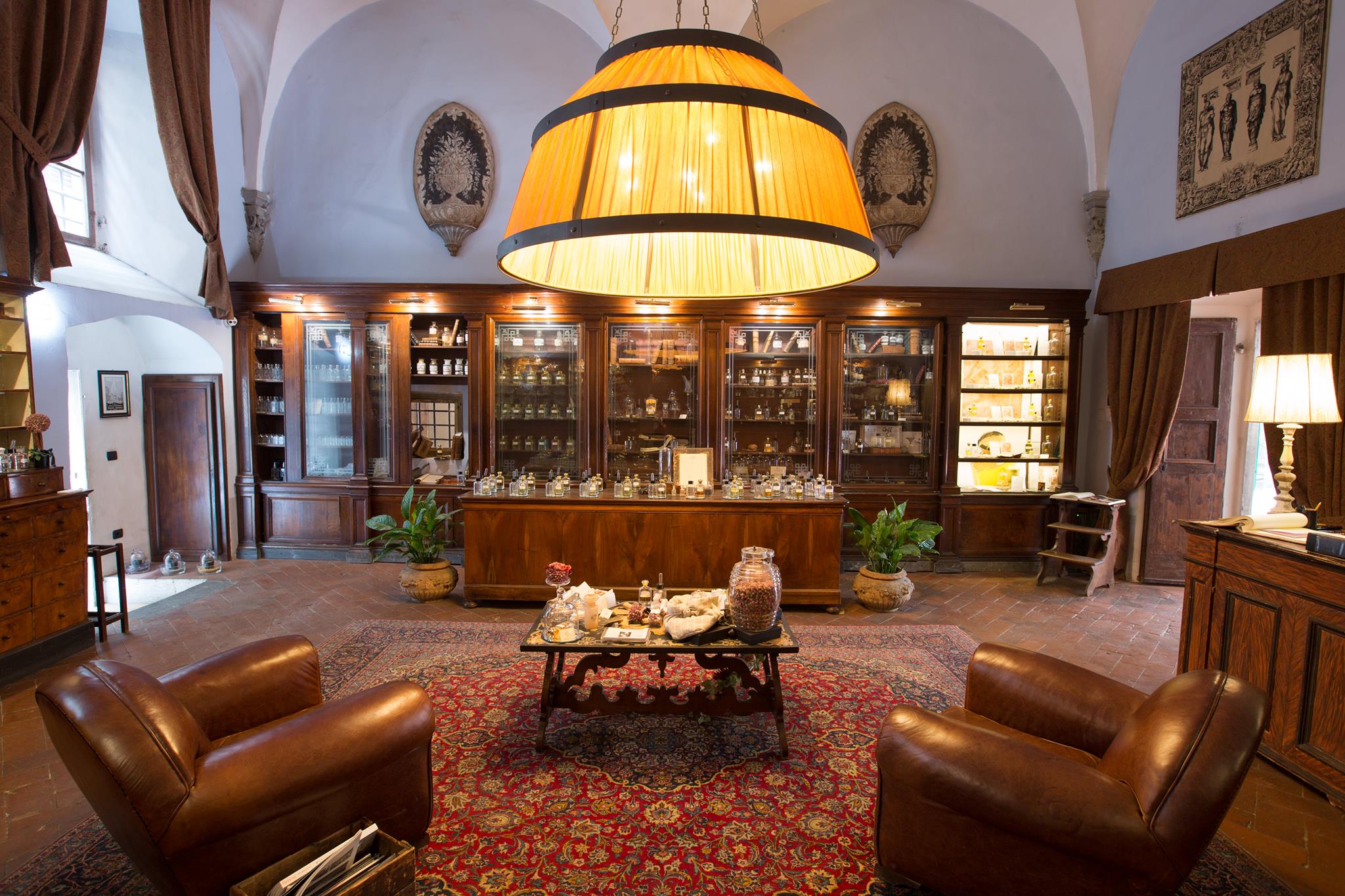
Finally, Aquaflor Firenze, born in an old Florentine palace — Palazzo Corsini Antinori Serristori — with the aim of being not merely a shop but the setting for a sensory experience through scent and beauty. The perfumery unfolds through Renaissance halls where, thanks to its many fragrances, you can set off on a journey around the world. The experience continues with a visit to the laboratory in the cellars and to the olfactory room with its 1,500 essences, made using ancient Florentine artisan techniques.
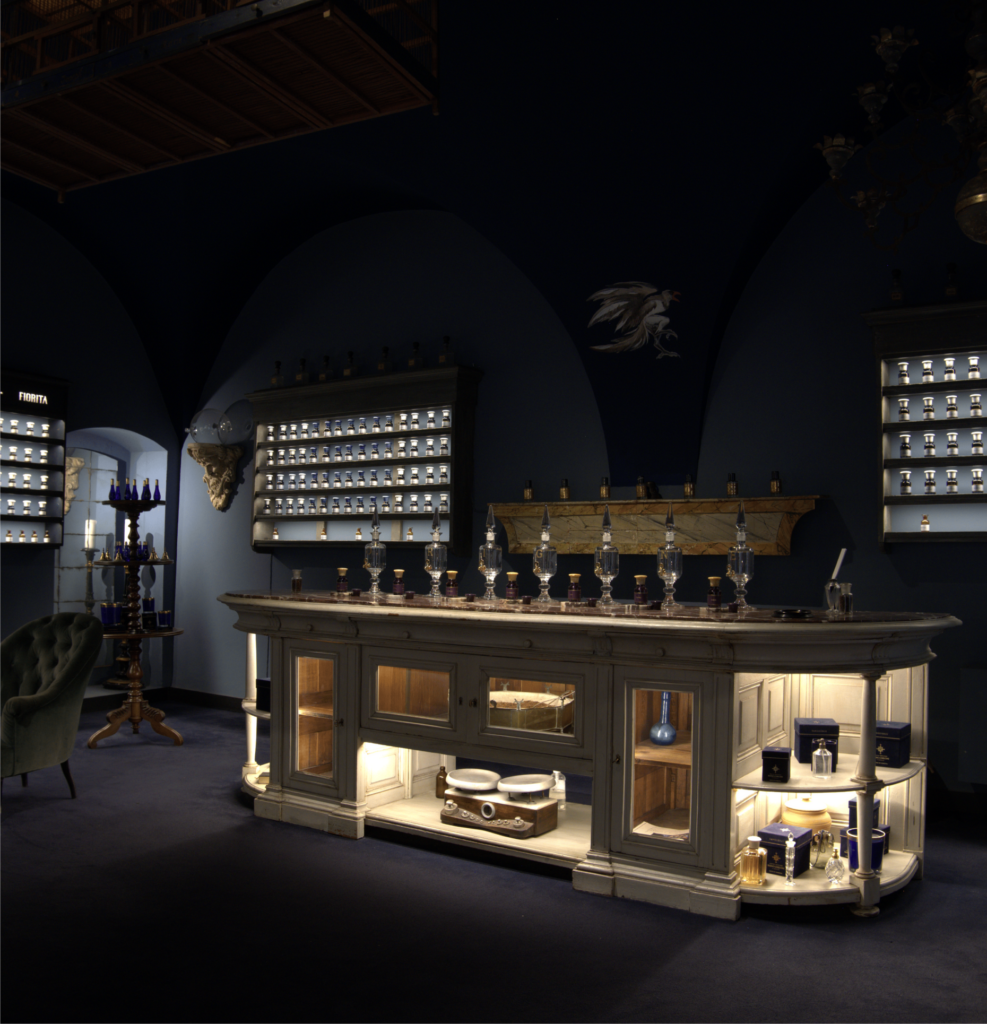
Three places to create your own unique fragrance
The final stop on our journey through the evolution of perfume must, inevitably, be the phenomenon of personalisation — creating with your own hands a personal, unique essence that represents you perfectly. In Florence, boutiques, olfactory laboratories and workshops let you give free rein to your creativity and get hands-on, stepping into the perfumer’s shoes. You can bring your own personal fragrance to life.
Aquaflor itself lets you create your own bespoke perfume and offers a series of workshops where you can experiment, creating a scented work of your own.
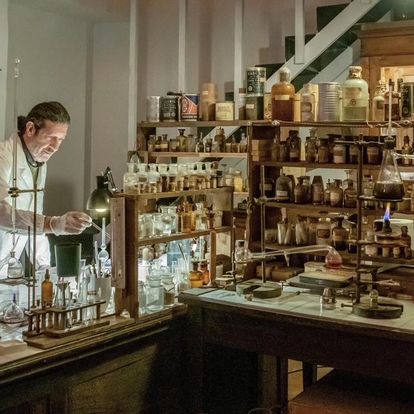
At the Antica Erboristeria San Simone you can either book a consultation with the master perfumer — who creates an exclusive fragrance for you after a careful reading of various traits of character and emotion — or take part in courses that put your sense of smell and your creativity to the test.
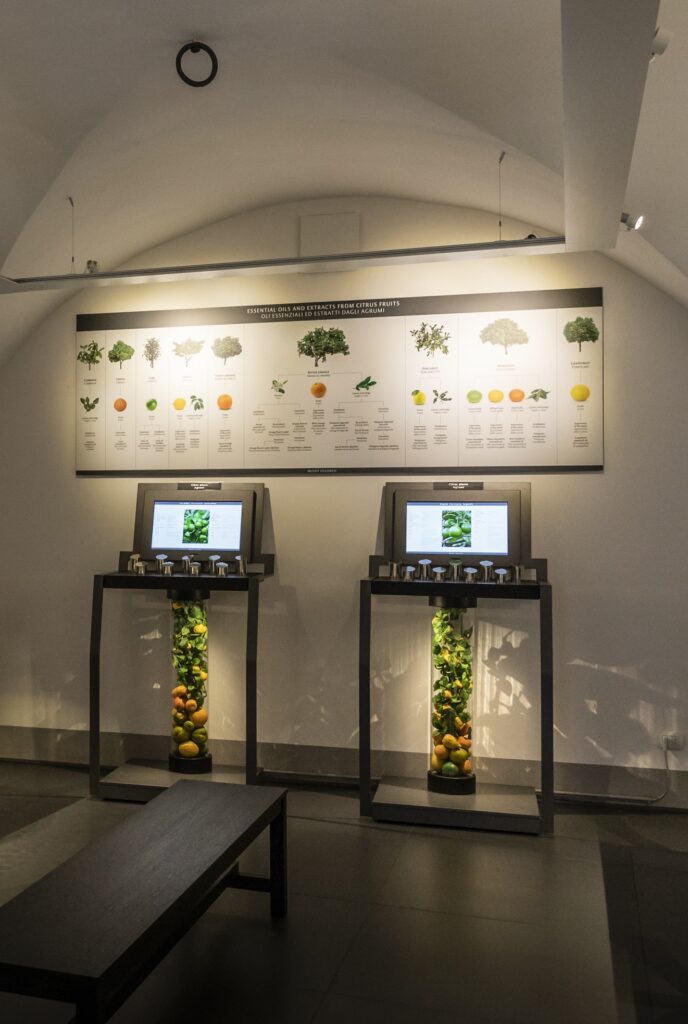
Atelier Parfumèide was born precisely as an innovative laboratory, crafting perfumes tailored to each client and able to convey their story.
Finally, for anyone wishing to explore the world of perfume in the round, all in one place, there is the Museo Villoresi. Here a vast collection of aromatic ingredients is held in the Library of Scents, where you can discover how a fragrance is born and what the perfumer’s craft involves.
In short, for perfume lovers Florence is an unmissable stop — one that will satisfy this passion completely!
Cover photo from the official AquaFlor Facebook page