Palazzo San Giorgio Comes Alive: The Casamonti Collection Finds a Home in San Niccolò
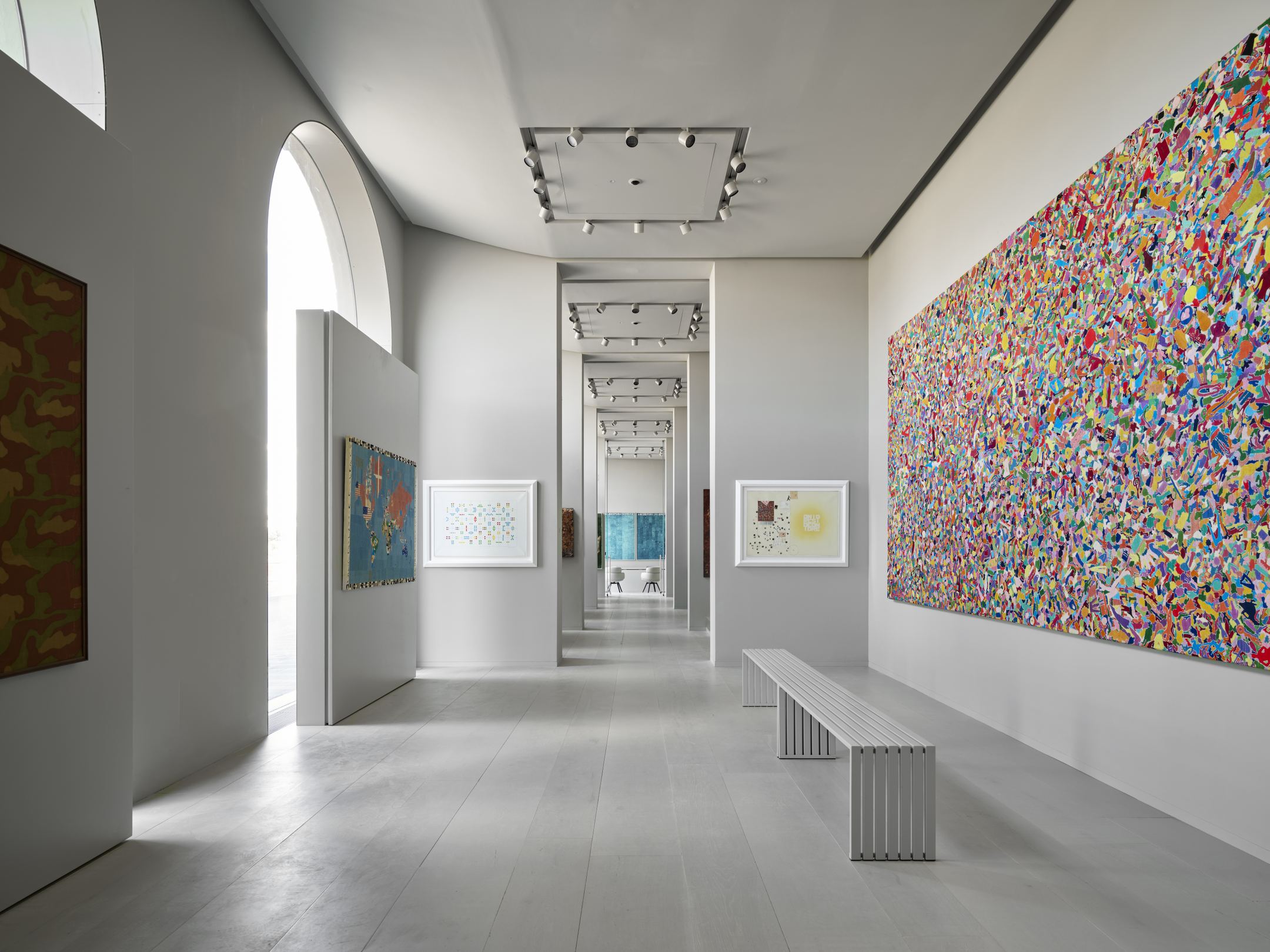
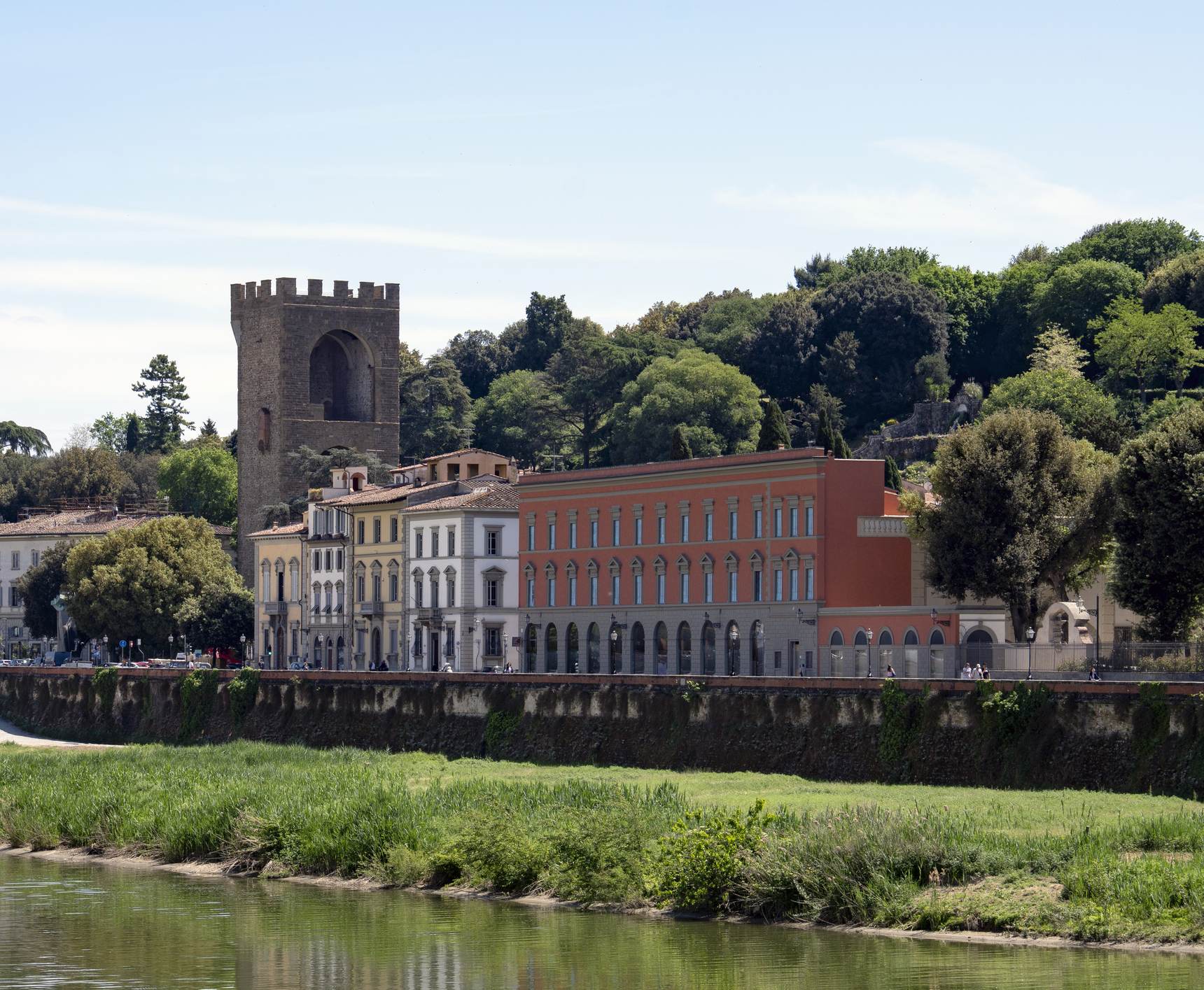
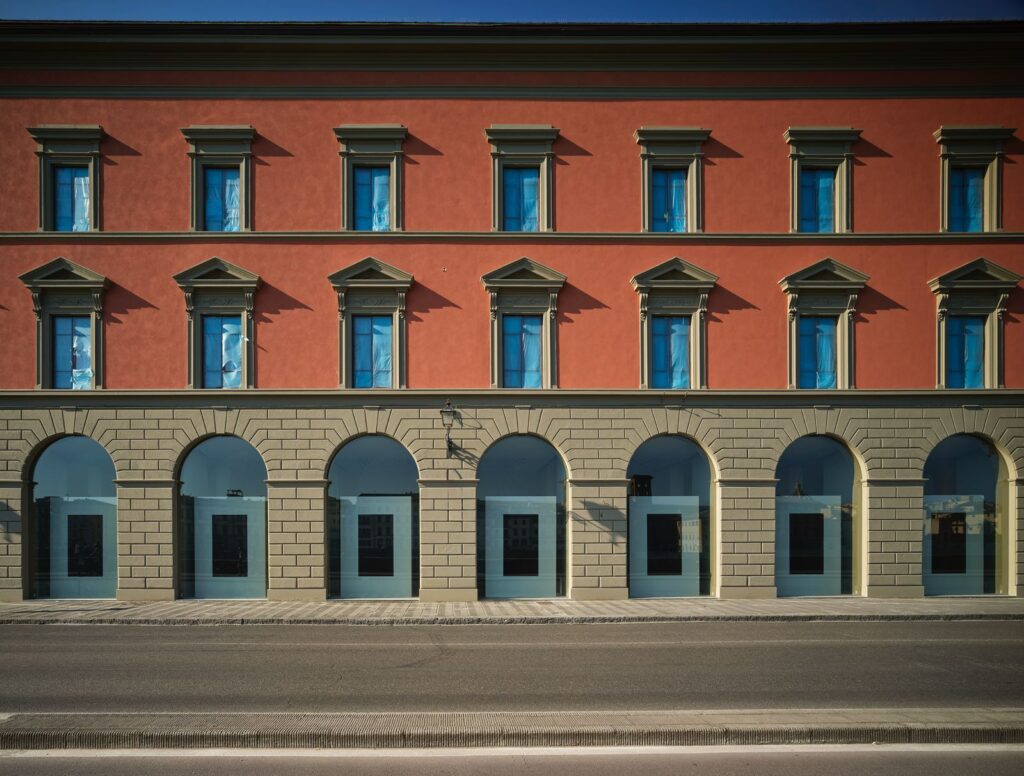
Since Monday, September 28, 2026, San Niccolò has had an important new home for art. A short walk from Ponte Vecchio, on the Lungarno Serristori, the Associazione per l’arte e la cultura “Collezione Casamonti” has opened the doors of its new exhibition space at Palazzo San Giorgio: a nineteenth-century building, historically tied to the neighboring Palazzo Serristori, restored and repurposed to a design by the studio Archea Associati.
Those who know the city will think back to Base/ Progetti per l’arte, which for 25 years brought artists, curators, critics and collectors to Florence, and which said goodbye to its public two years ago with one last event at Via San Niccolò 18. It was not a closure by choice but an eviction after 26 years of activity, which the artists of the collective experienced as a mirror of a deep change in the neighborhood and in the city, and in the role the city gives to art.
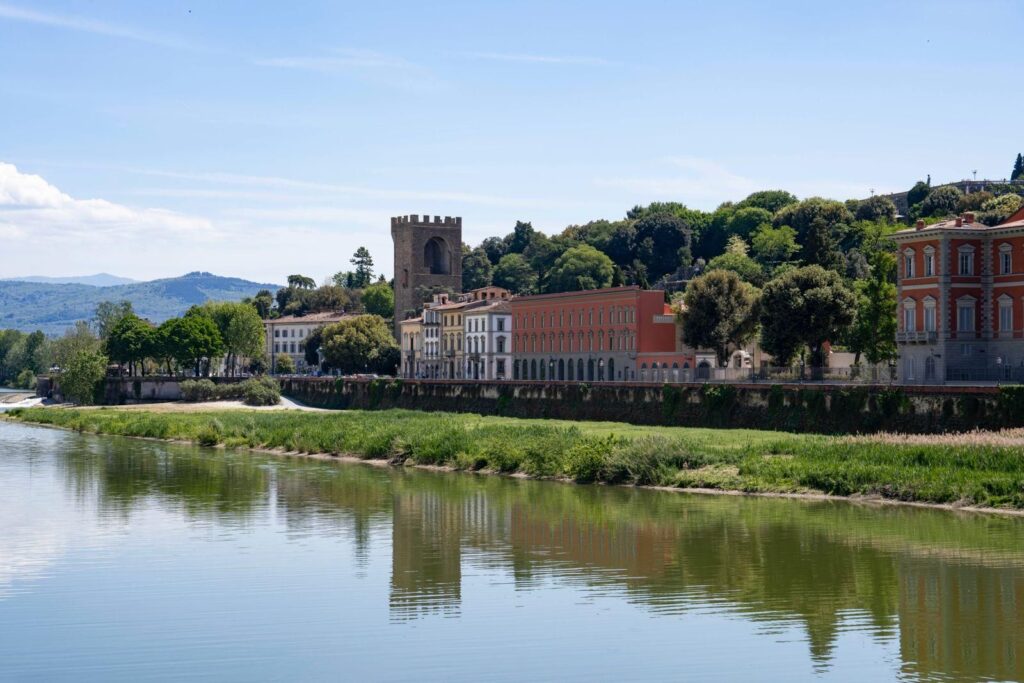
Now the Casamonti Collection brings attention, and an international audience, back to an area that in recent years had seen its exhibition offering for art and contemporary work shrink. The collection at Palazzo San Giorgio reflects more than fifty years of work by the renowned Florentine collector Roberto Casamonti, built up through the Tornabuoni Arte galleries and through the relationships he has forged over time with artists, critics and international institutions. “The opening of Palazzo San Giorgio is a moment of great importance for me,” Casamonti said. “Bringing together such a broad selection of works means sharing with the public not only extraordinary works, but also a personal and cultural journey that continues to evolve.”
The move to the new exhibition space, restored with refined skill over three years by Archea, to a design by and under the direction of architect Marco Casamonti, marks a new phase in the project the collector set in motion, and makes it possible, for the first time, to house, protect and open the collection to the public in its entirety: a kind of personal biography of Roberto Casamonti, told through works of the very first rank.
A Single Route Through 28 Rooms
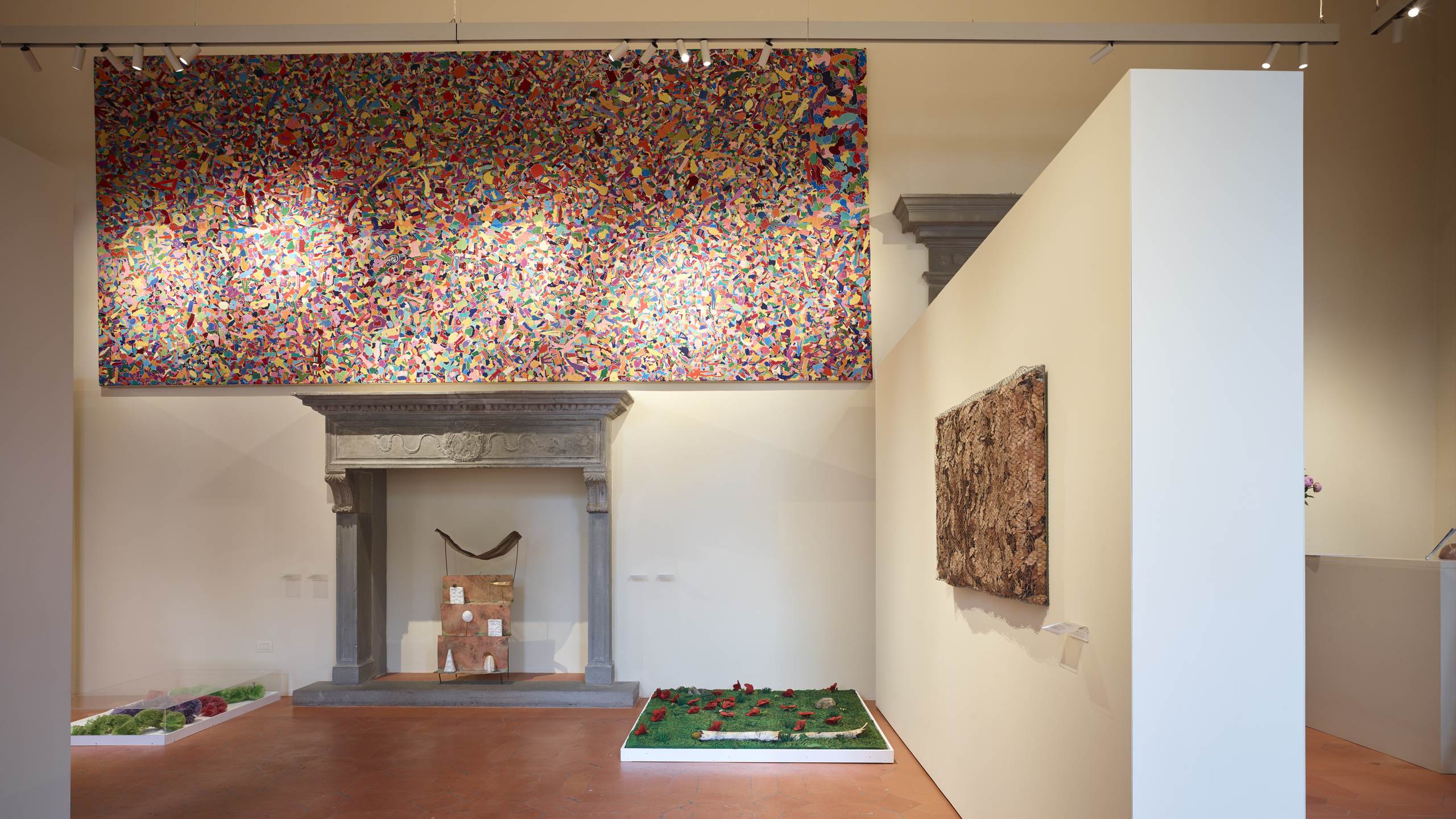
Since 2018, at the collection’s original home in Palazzo Bartolini Salimbeni on Piazza Santa Trinita, the works had been shown in two rotating exhibitions; at Palazzo San Giorgio they now come together in a single route, spread across 28 rooms on two floors, that runs through Italian and international art from the late nineteenth century to today: from painting between the nineteenth and twentieth centuries to the historical avant-gardes, from Futurism to Metaphysical Painting, from Cubism to abstraction, all the way to Art Informel, Spatialism, Arte Povera, Nouveau Réalisme, Pop Art, Graffiti Art, Transavanguardia, Video Art and Performance Art.
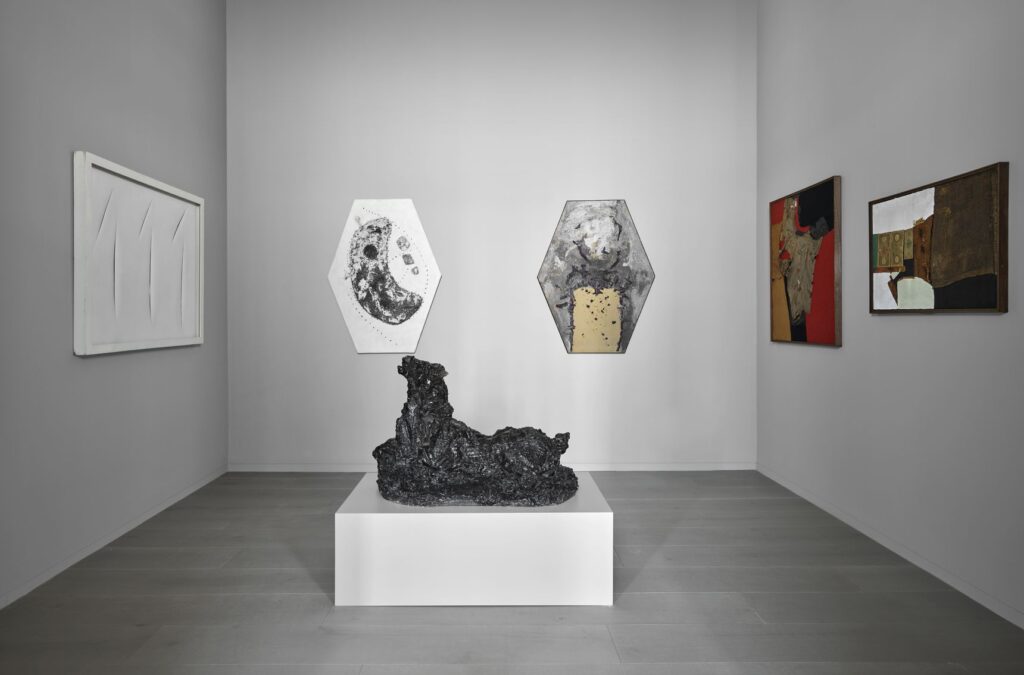
The rooms follow a thematic order that does more than highlight the formal quality of the works: it also brings back the historical, human and cultural context in which they were made and later chosen. What emerges is the richness and variety of the art produced from the late nineteenth century to today, through the movements and sensibilities that have shaped its history, and continue to write it.
A personal, eccentric and dynamic collection, a window onto around 250 works, including pieces by Giovanni Boldini, Giacomo Balla, Giorgio de Chirico, Pablo Picasso, Wassily Kandinsky, Salvador Dalí, Max Ernst, René Magritte, Maria Helena Vieira da Silva, Lucio Fontana, Alberto Burri, Piero Manzoni, Andy Warhol, Jean-Michel Basquiat, Keith Haring, Bill Viola, Marina Abramović, Anselm Kiefer, Anish Kapoor and Maurizio Cattelan.
A Dynamic Collection
Bruno Corà, art historian and president of the Fondazione Burri, sees it the same way: “Thanks to larger spaces and carefully designed routes, [Palazzo San Giorgio] holds a broader repertoire of works, open to further additions and substitutions. It is a truly dynamic collection.”
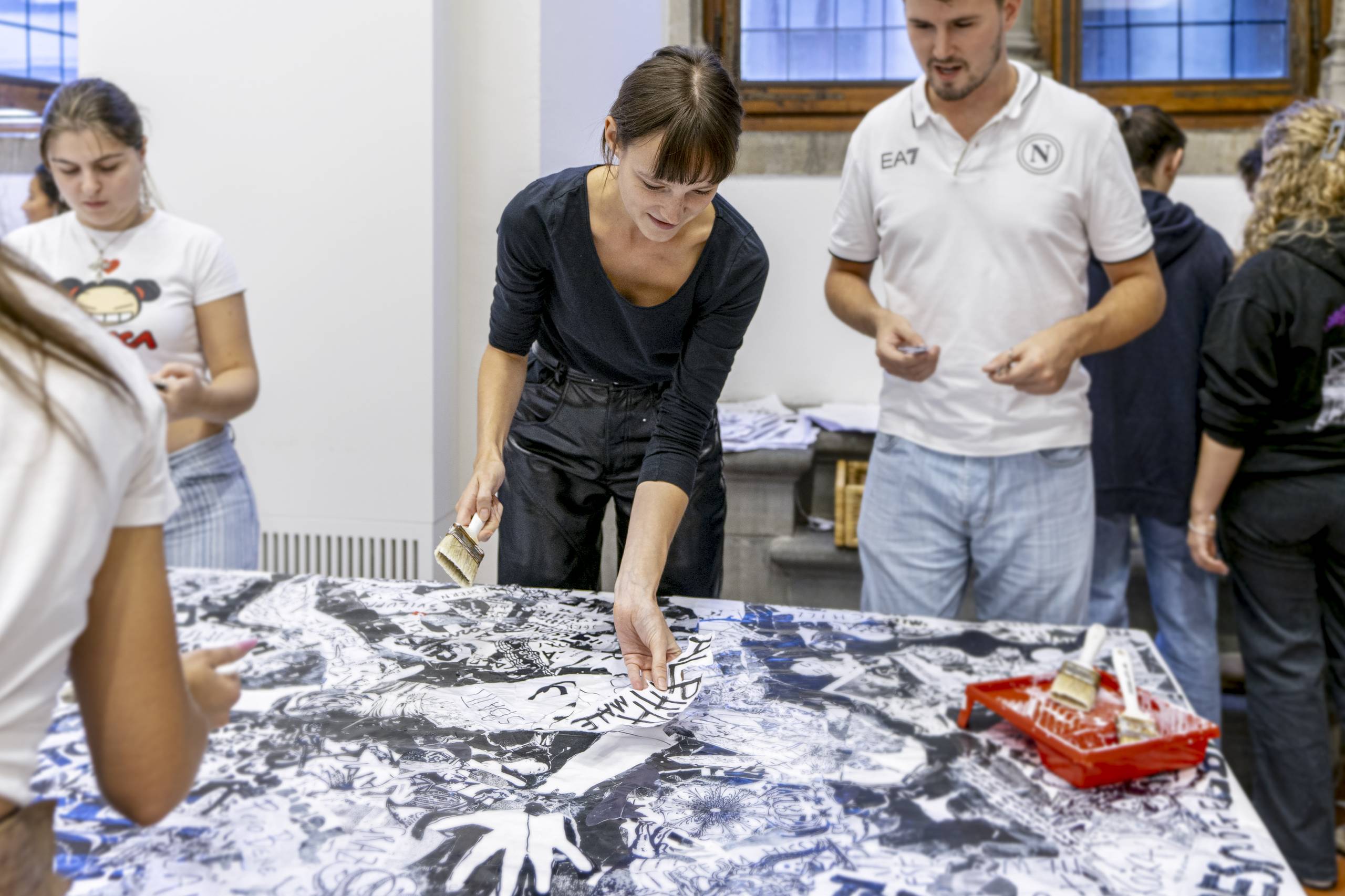
Jonathan Paonetti is in charge of the exhibition program: the goal, he explains, is for the collection to become “a space for dialogue, research and participation, increasingly open to different audiences, to foster a direct relationship with culture and contemporary art,” including through mediation and cultural education activities for visitors. He adds: “What makes a gallerist’s life even richer in value and meaning is the decision to ‘share.’ The will to make a private collection public is a great gesture of generosity and trust, through which works of art are not kept in silence but offered to the eyes and emotions of scholars, art lovers and visitors from all over the world.”
“To share with the city I have always been so attached to the values that modern and contemporary art carries,” says Roberto Casamonti. “…There are many gallerists, and good ones, but making hundreds of works of art collected over a whole lifetime available to the public — only a few do that.”
And so a space of enormous value has come alive, for San Niccolò and for the whole city.