San Polo: The Cru of Montalcino
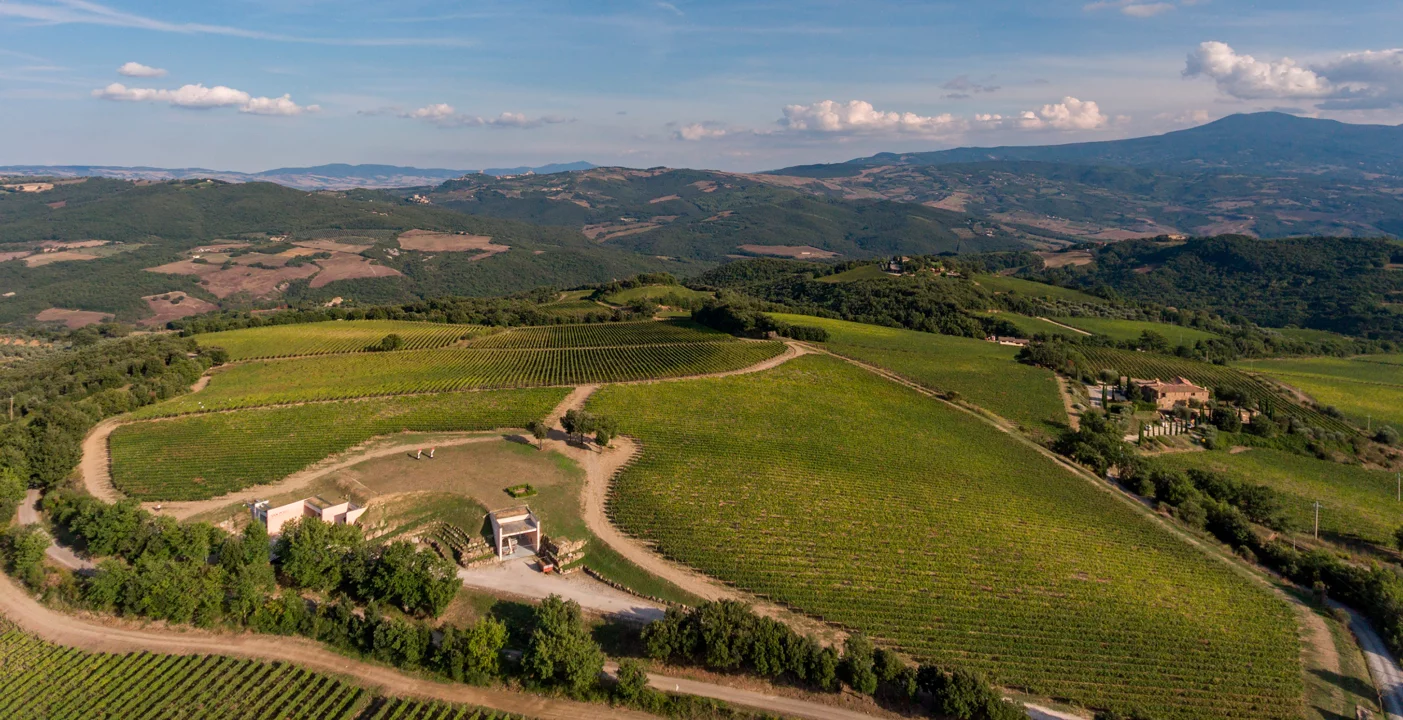
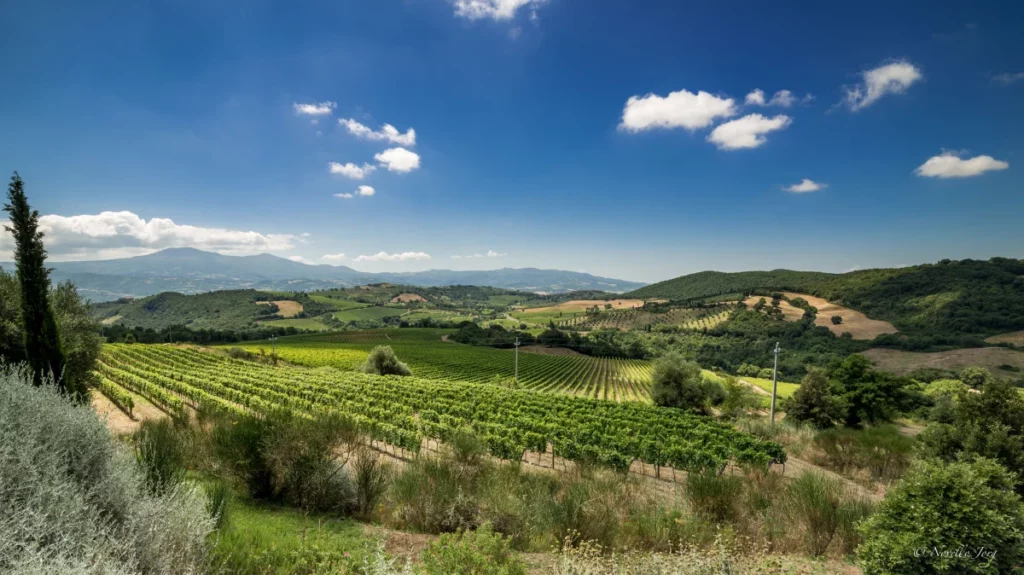
Can the idea of a cru be applied to Italian vineyards? Absolutely — and a fine example comes from right here in Tuscany. We’re at San Polo, the estate of the Marilisa Allegrini Group in the south-eastern part of Montalcino, in the Podernovi district, spread across 22 hectares in total and 16 under vine, 8 of them dedicated to the celebrated red Brunello di Montalcino.
From 2015, following the arrival of winemaker Riccardo Fratton, San Polo’s agronomy and winemaking team focused on making the most of every single vineyard, setting up a parcel-by-parcel study of the estate with the aim of enhancing and diversifying the Sangiovese according to the soils in which it grows. We heard the story from the two protagonists of this proudly Tuscan tale, who reinterpreted traditional Brunello with a focus on terroir and sustainability.
Marilisa and Riccardo, what makes San Polo different from the many other wineries in Montalcino?
San Polo enjoys a unique, unrepeatable combination of natural factors that you won’t find all together at any other estate in Montalcino. We have altitude, exposure, temperature swing, ventilation, microclimate, soil… every element that creates a great terroir, perfect for Montalcino’s flagship variety: Sangiovese. Some of these elements can be found at other estates in Montalcino, but having them all combined in a single property belongs to the San Polo area alone.
Since Riccardo joined in 2015, you’ve applied the concept of terroir to Sangiovese and beyond: can you tell us how and why?
With this unique location at our disposal, our first goal was to use the terroir to express the full potential of Sangiovese. So we concentrated on an in-depth study of every plot at San Polo — a process called “parcellization” — in order to manage it as well as possible and draw the best quality from it. We immediately noticed that, although our vineyards all sit on a single slope, there were great differences in how the grapes — and therefore the wines produced from each plot — expressed themselves.
This approach allowed us to select the two most representative cru, from which we make two single-vineyard Brunello di Montalcino that reveal the two opposing souls of San Polo: on one side the classic elegance and finesse of Podernovi, on the other the exuberance and power of Vignavecchia. After a few years of experimenting with terracotta and cocciopesto amphorae, we chose to introduce a third cru, called Vignamasso (named after the vineyard with the large boulder at the entrance to the estate), which takes a slightly more modern approach to Sangiovese, using whole clusters, very long macerations, and fermentation and aging in amphora.
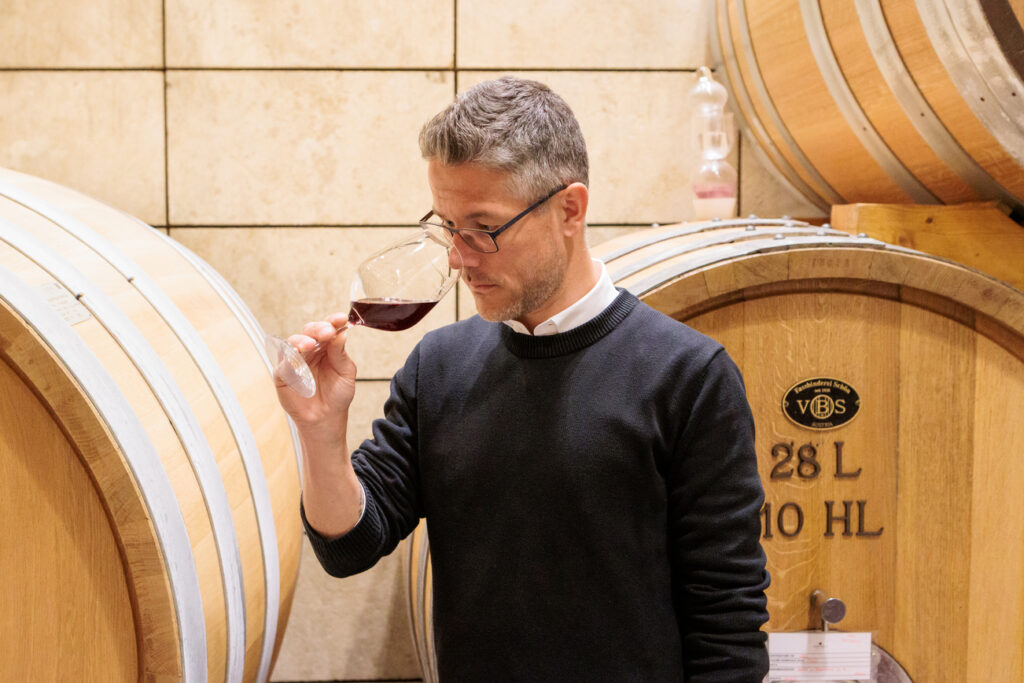
How many wines does San Polo make today, and which ones?
Today San Polo makes 7 wines, using Sangiovese exclusively. Rubio: the fresh, fruity expression of Montalcino Sangiovese, made without wood to keep it pleasurable and easy-drinking. Rosso di Montalcino: a more traditional take on Sangiovese, where wood adds complexity, refines the tannic weave and heightens elegance while keeping a fresh profile. Amphora Vignamasso: a slightly more modern Sangiovese, made using terracotta and cocciopesto amphorae. Brunello di Montalcino: the flagship wine, an expression of Montalcino tradition and of San Polo’s unique terroir.
Brunello Riserva: the finest expression of Brunello, drawn from a selection of the best Sangiovese clusters and made only in the best vintages. Brunello Podernovi: the coolest plot at San Polo, which shows us its most classic and elegant side. And finally the Brunello Vignavecchia: the warmest vineyard at San Polo, with a very steep soil extremely rich in galestro, which expresses itself in more exuberant, powerful character.
At San Polo, sustainability is a fact and not just a word: what are your main initiatives on that front?
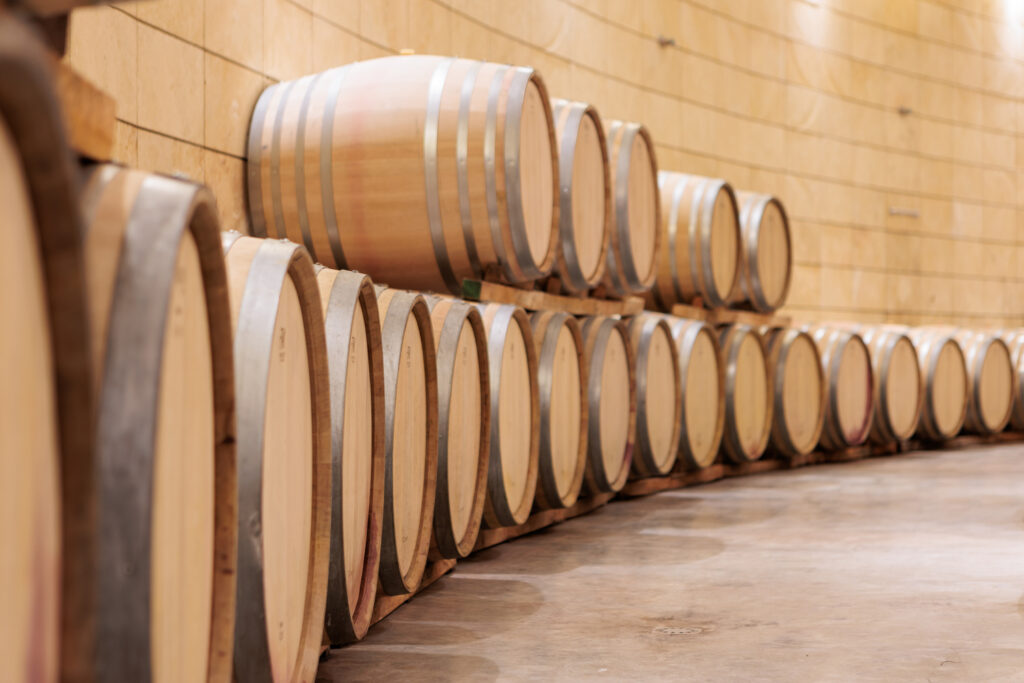
San Polo “lives” on sustainability, in the sense that it runs through every aspect of what we do. We practice certified organic viticulture, so in the vineyard we use only natural products, in the smallest possible doses. We’ve also built a fully underground cellar that uses no energy to control temperature and humidity, so it has a minimal environmental impact and earned us CasaClima certification in 2013. For our packaging we chose lightweight glass bottles, which have a lower carbon footprint, and recycled paper for labels and boxes.
On top of this, for Rubio we use a cork made from a sugarcane-derived biopolymer that is 100% natural and biodegradable. Since 2020 we have been Equalitas-certified, a certification protocol that looks at sustainability across every aspect of the business, from protecting the environment to social and economic sustainability. So we can say that every activity we carry out at San Polo is grounded in sustainability and in keeping our environmental impact to a minimum.