The Moscow Mule: More Woody Allen Than Russia
Last time we talked about the Long Island, a cocktail many assume is a century old but is in fact a recent invention. This time we turn to the drink that has been on everyone’s lips lately, though few realize it was actually the first vodka-based cocktail to become famous.
In the world of mixing, this drink is the equivalent of what Gewurztraminer is to wine: a grape whose name is impossible for the overwhelming majority of people to pronounce (Gewurztra-whatsit, Traminer, Getzavurst, Vustaminer, and so on — don’t play innocent, you’ve called it something made-up too). Despite its apparently simple name, the poor Moscow Mule has been mangled in countless ways, chief among them the immortal “Mosco-mueller.”
Maybe here, too, it’s the advertising’s fault: after all, we grew up watching curvy models sell us creamy yogurt.
The fact is, the fate of this fresh, lightly spiced drink has been twisted not only in its name but in its recipe: cucumbers everywhere, ginger purees, lime fritters, flavorless ginger-beer substitutes, and who knows what else.
Advertising, though, really is central to our story — you could say it’s the only reason this accidental cocktail became famous and stayed that way to this day. You know those stories that begin with “once upon a vodka”? This is the finest example.
The year is 1947, at the Chatham Hotel in New York.
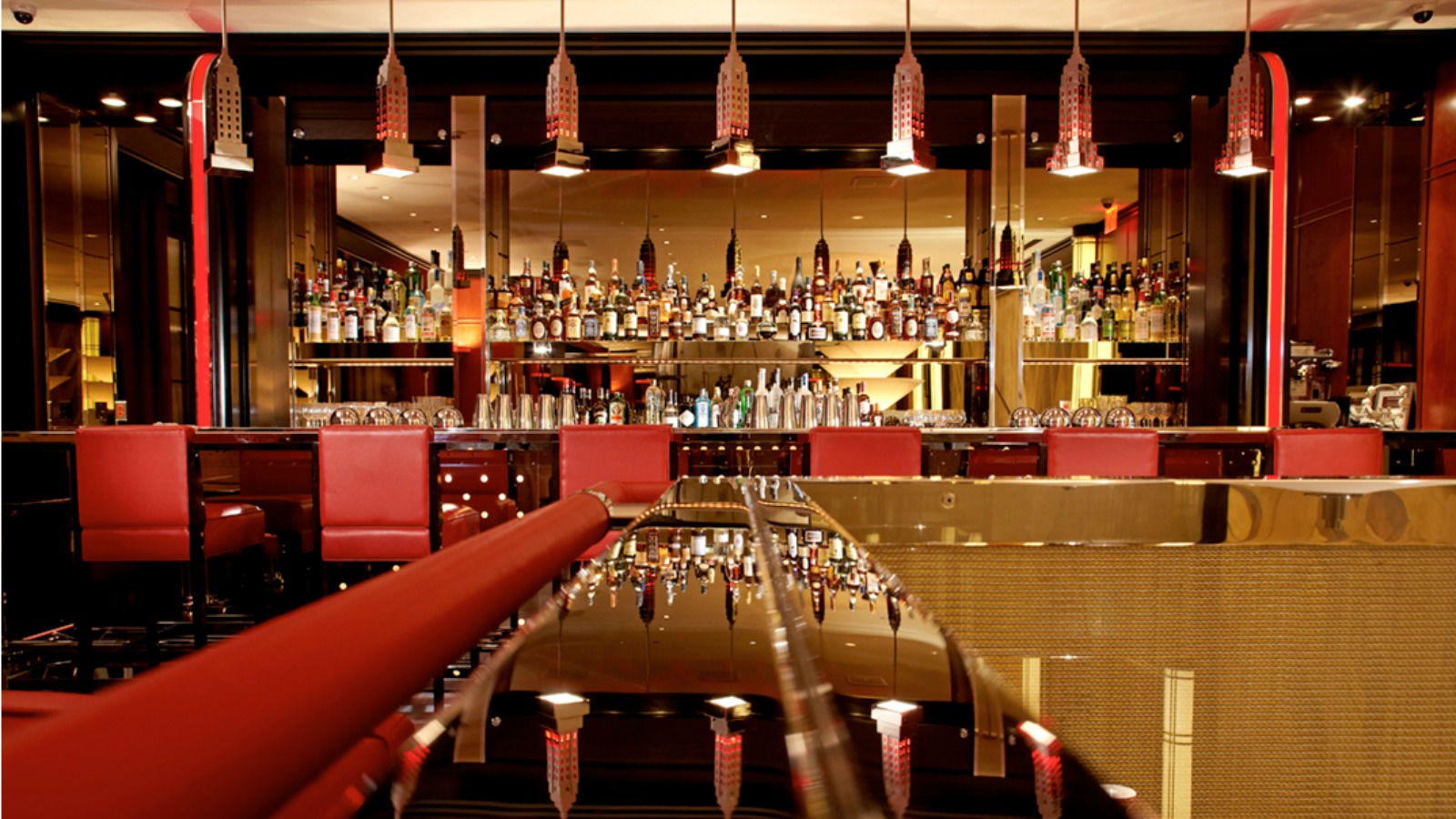
Three friends meet to talk business:
The first, John, distributes food and drink across the entire USA. The second, Jack, owns a fine restaurant in Los Angeles and produces sodas — among them the little-known and even less-appreciated ginger beer. The third is the unluckiest of the lot: his name is Rudolf, and he makes vodka (ever heard of a certain Smirnoff?), a spirit that had found little success in Europe and even less in the United States, being fundamentally “commie stuff.”
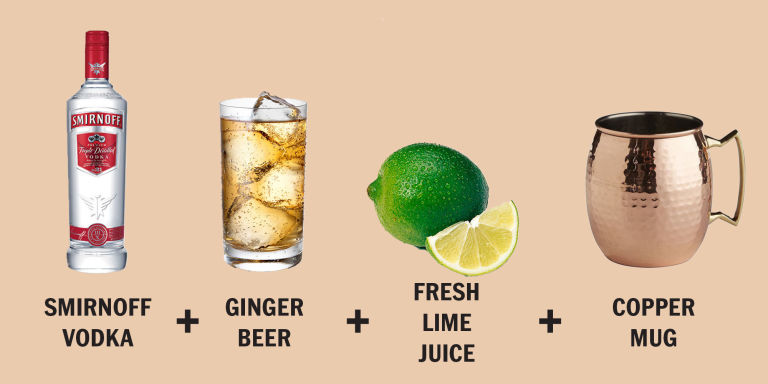
After a few rounds, they decide to try blending their hard-luck products, adding a splash of lime juice and — voilà! A simple drink was born, one only they knew about.
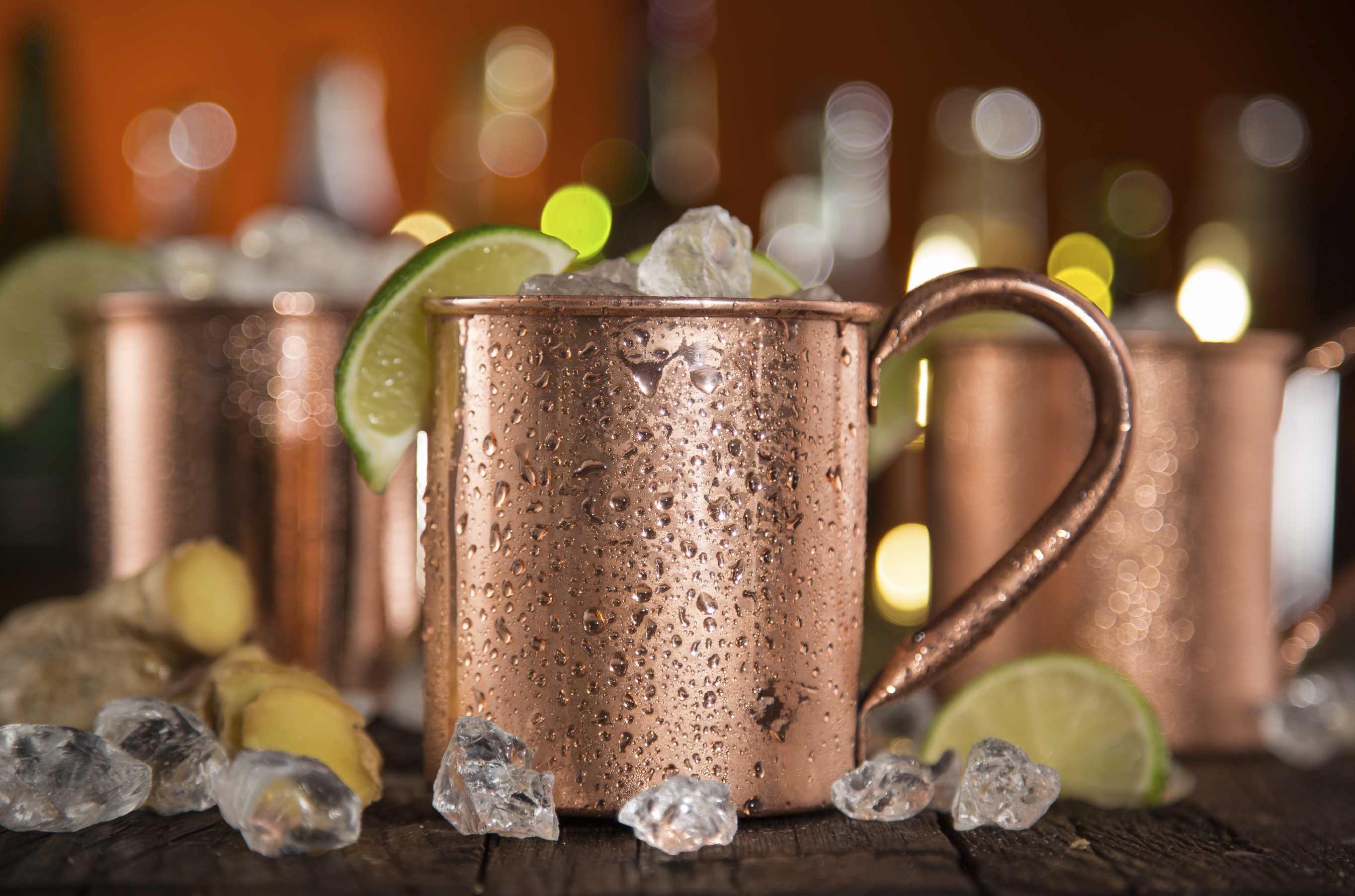
How to introduce it to the rest of the world? With one of the finest examples of co-marketing ever seen:
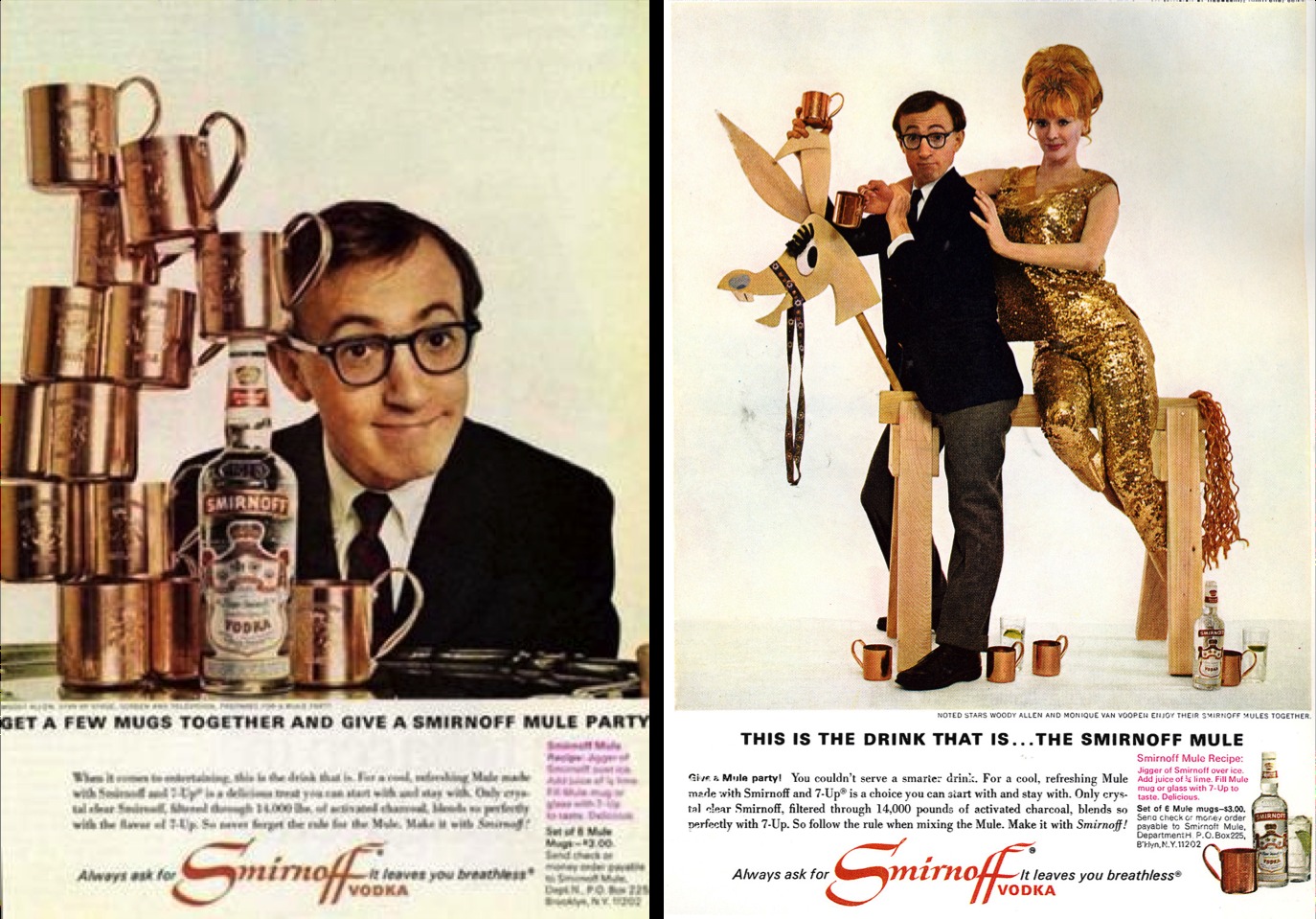
They bought a batch of copper mugs with a mule stamped on them (hence the cocktail’s name), to show how cool they were and how ready to break with a past and present of boring glass tumblers. In a first phase, they began promoting the drink out of New York, roping in actors famous around town. Then they photographed random customers sipping from the copper mug and put them on the ads, nudging people to order the drink in hopes of grabbing their own “fifteen minutes of fame.”
From the East Coast to the West Coast (remember, Jack also has his place in L.A.), within a few years this drink — born by accident during a bender but promoted with genius — went wild. From this point on, bartenders began treating vodka as a legitimate cocktail ingredient, and Mr. Smirnoff could finally afford to pay his bills.
Deep down, that’s surely how it went with the yogurt, too.
Julian Biondi
Florentine bartender with a passion for writing and for stories. He contributes as a journalist for FUL and Bargiornale, and works as a freelance F&B consultant. Recently the winner of the first Florence Cocktail Week.
MOSCOW MULE
Recipe: 5cl vodka, 1.5cl lime juice, top up the glass with ginger beer.
Traditionally, a copper mug is used in place of a glass.
LOSCO MULE (my version)
5cl cardamom-infused vodka, 1.5cl Jamaica syrup (a syrup based on Jamaican rum and spices), 1.5cl lime and lemon juice, top with ginger beer.