What Does Marco Polo Have to Do with the Best Cocktail Bars in Florence (and Venice)?
Back in the 1200s, Marco Polo set out from Venice to explore distant worlds. Today Paola Mencarelli is charting a different course: she sets sail, figuratively speaking, from Florence and makes it all the way to the lagoon, bringing bartenders, ideas and drinking cultures along with her. No caravans, no spices from faraway lands: this time the travelers are the professionals behind the bar, the ones showing how Italian mixology keeps evolving. The nod to the famous Venetian merchant is just a suggestion, but the common thread – if you think about it – is exactly the same. Exchange as the engine of new discoveries.
To understand how this bond was born, you have to go back to 2016, when a Mencarelli still far from her iconic blue hair launched the first Florence Cocktail Week. In 2021 the project landed in Venice with the first Venice Cocktail Week. Two separate events, united by the same goal: to champion the bartenders, the bars and above all the drinking cultures of their own cities, creating chances for people (professionals and enthusiasts alike) to meet and swap ideas.
The fifth edition of the Venetian festival, which wrapped up on Sunday, October 25, turned this dialogue into something concrete, with no fewer than seven events tied to the Florence Cocktail Week circuit. Eight professionals from the Florentine scene brought all kinds of experiences to the Serenissima, as Venice is still called: from hotel bars to contemporary cocktail bars, all the way to the inevitable historic cafés. A presence that paints Florence as a scene able to blend tradition and experimentation, and to make a name for itself beyond its own borders.
From the Four Seasons to Gucci Giardino, Florence was (also) behind the bar
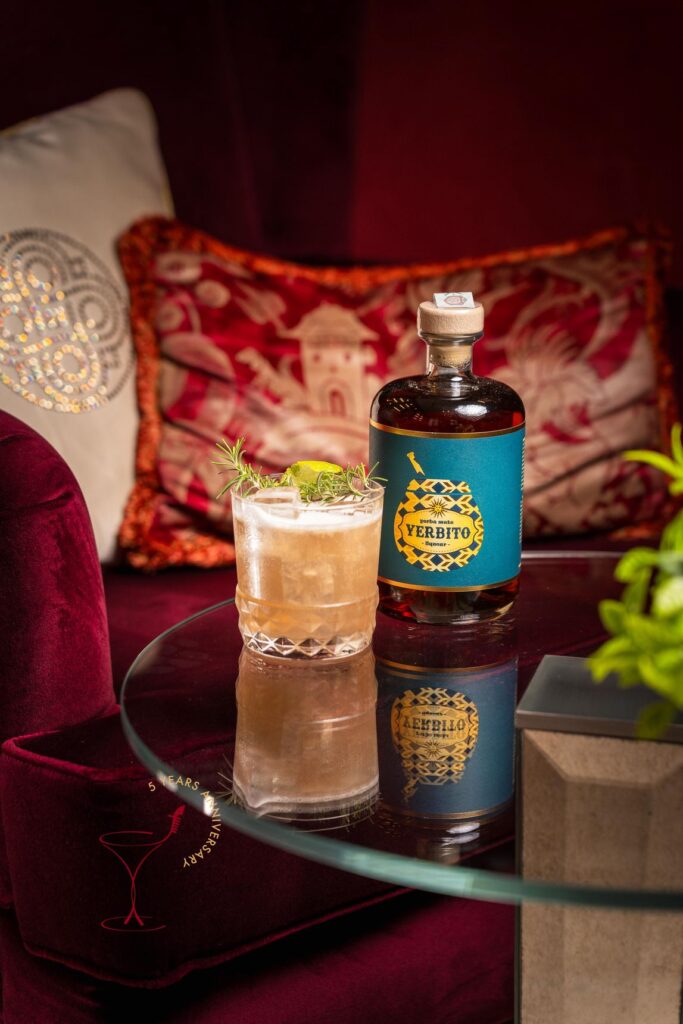
The first stop on the Florentine route was Wednesday, October 21, at Il Mercante, with “Le Rotte di Yerbito” (“Yerbito’s Routes”). From 9:30 p.m. to midnight, Edoardo Sandri and Antonello Palermo, of the Atrium Bar and Bar Berni at the Four Seasons Hotel Firenze, took part in a guest shift dedicated to Yerbito, the now-famous yerba mate liqueur. The night kicked off the ICW Pop-Up Bar Florence Cocktail Week program, bringing to Venice the savoir-faire of one of the names in Florentine hotel hospitality.
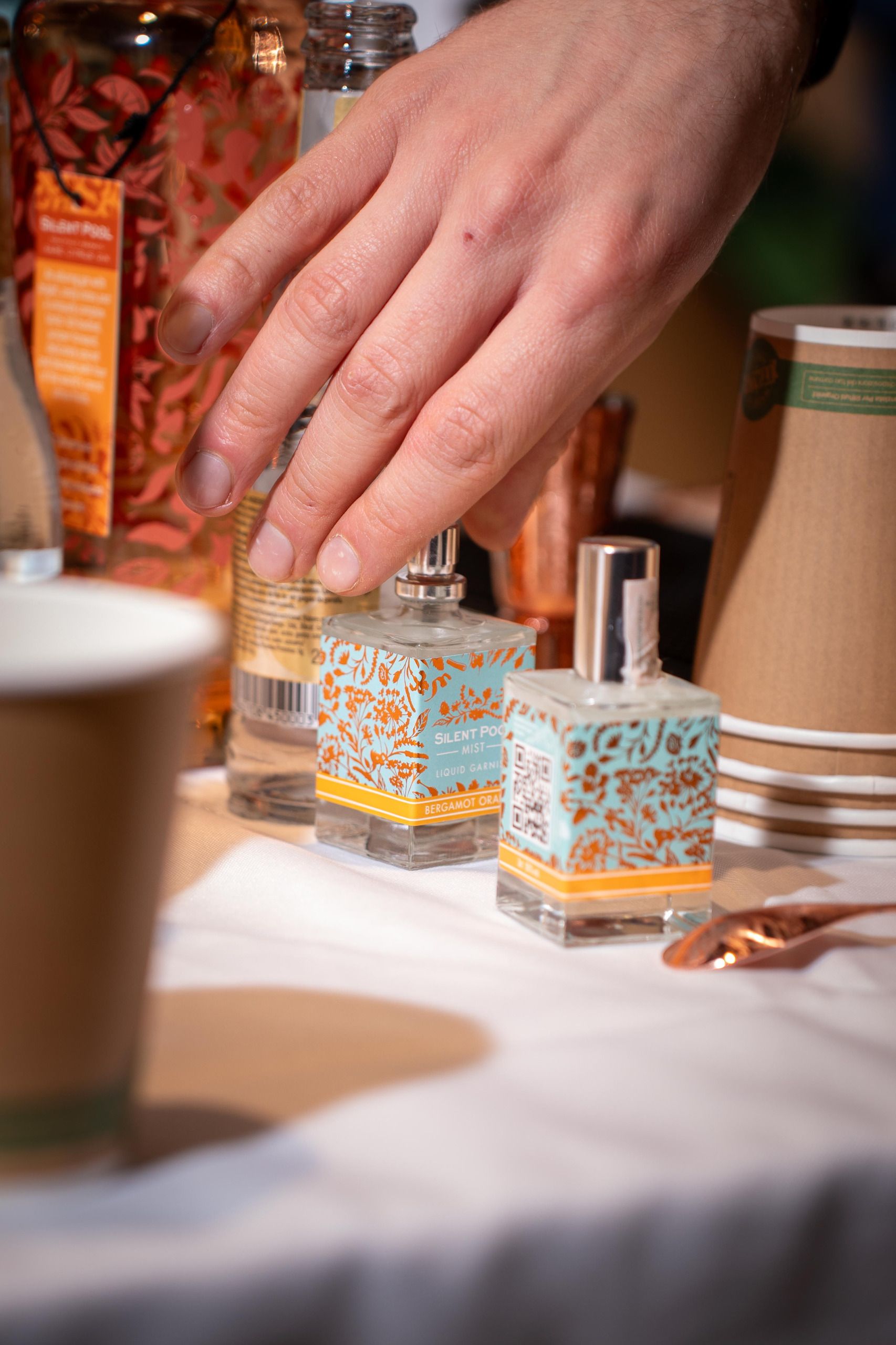
The next day, Thursday, October 22, the journey continued at the Experimental Cocktail Club in Palazzo Experimental with “Modern Classic Bar”. Here the face-off was between Michael Collovigh, bartender at Gucci Giardino, and Simone Santini of Himkok in Oslo. The event, presented by Santoni – L’Aperitivo di Firenze and Silent Pool, put the reinterpretation of mixing classics center stage.
VCW Friday, between Giacosa 1815 and Fede Cocktailab
On Friday, October 23, the Florentine scene spread across several events. At 2 p.m., at Aman Venice, “Cocktails in Florence” was presented, a book published by Gruppo Editoriale, with publisher Mattia Parigi Bini on hand. A moment that shifted the focus from the bar to the storytelling of Florentine cocktail culture, adding an editorial dimension to the festival (already sampled on Wednesday, in fact, with the presentation of the book “100 esperienze analcoliche da fare in Italia – La Dolce Vita 0.0”, a guide to 100 alcohol-free experiences in Italy). In the evening, at the Herbarium of the NH Collection Grand Hotel Palazzo dei Dogi, the spotlight was on Greta Bazzichi of Giacosa 1815, joined by resident bartender Rachele Riccio for “Barladies in Action”. From 7 to 10 p.m., the event presented by Polot 1882 brought together two mixology professionals, putting female creativity and the dialogue between contemporary sensibility and tradition at the heart of the night.
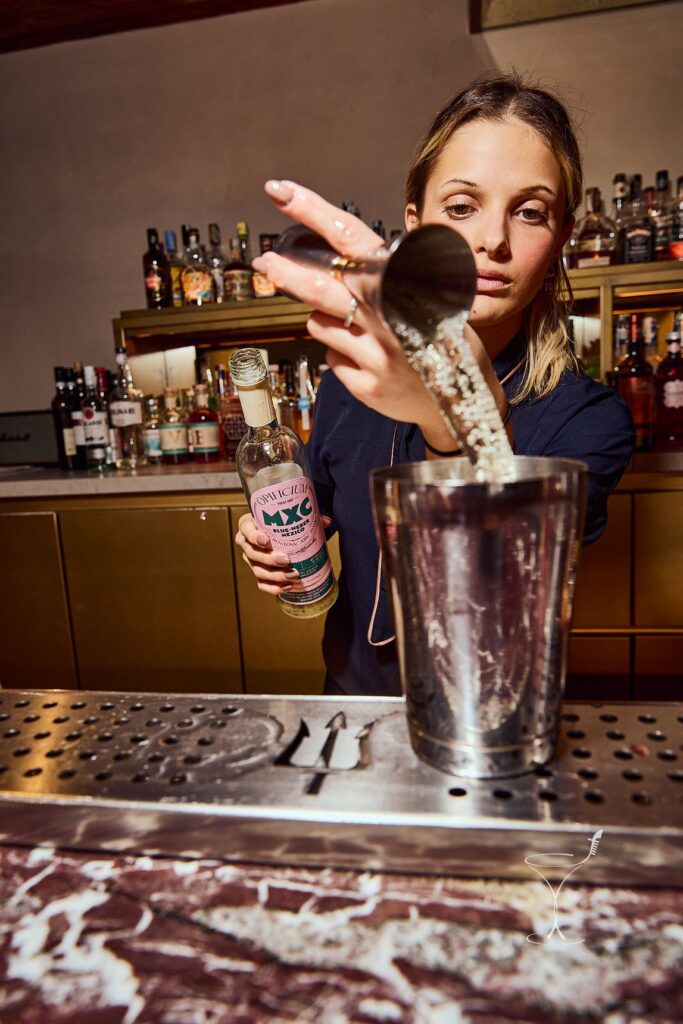
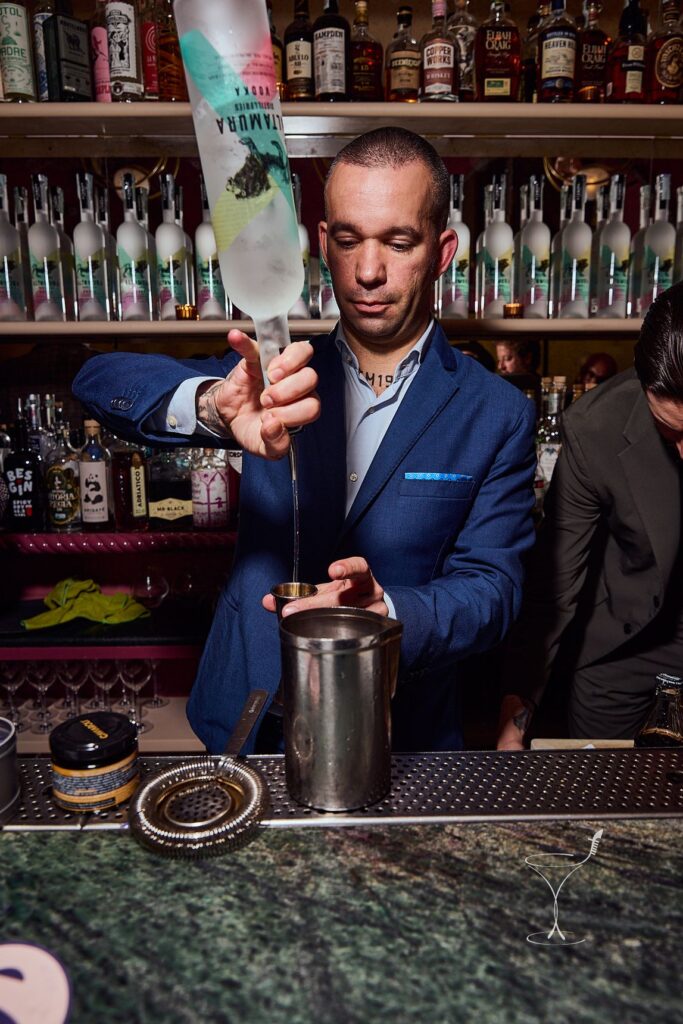
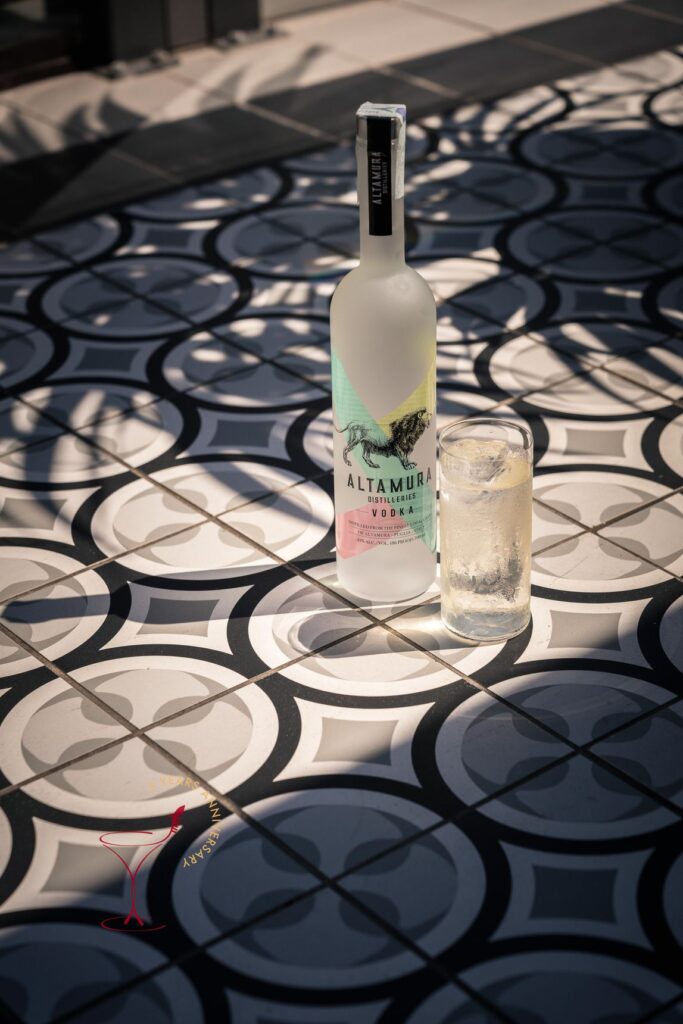
At the same time, Santa Cocktail Club hosted “The Venetian Pour”, an event promoted by Presobene London Dry Gin. Here the link to Florence came through Giulio Maschietto and Francesco Ruscillo of Fede Cocktailab, together with Luca Ardito of The Carlton Bar in Milan. The night was built around food pairing: Maschietto took care of the cocktails, while Ruscillo signed the food menu. The night between Friday, October 23, and Saturday, October 24, also brought Edoardo Sandri back on stage, this time at the Experimental Cocktail Club. By his side, this time, was Federico Daniele of the MÙZSA Bar at the Four Seasons Hotel Budapest. All of it sponsored by Altamura Distilleries Vodka and Polot 1882.
Gilli and Paszkowski: when history meets mixology
On Sunday, October 25, the Florentine route found one of its most meaningful moments in a meeting between two historic cafés. At Caffè Florian, in Piazza San Marco, Enea Pappalardo, head bartender at Caffè Gilli 1733, starred in “Il Giglio in Piazza San Marco” (“The Lily in Piazza San Marco”, the lily being Florence’s emblem). From 11:30 a.m. to 2 p.m., the event presented by Baldoria Vermouth and Yurt Vodka put two landmark names of Italian hospitality in conversation. On one side Gilli, a historic Florentine address; on the other Florian, an iconic presence on Piazza San Marco. Two cafés that each proudly belong to their own city, but share a long tradition of sociability and welcome. Their meeting poured a blend of identities into the glass, showing how cocktail culture can live alongside the culture of historic cafés without replacing it.
Shortly after, at the Wagon Bar of the Orient Express Venezia, it was the turn of Davide Nasti of Caffè Concerto Paszkowski with “Paszkowski at the Wagon Bar”. From 12:30 to 3:30 p.m., the event promoted by Polot 1882 and Presobene London Dry Gin brought mixing and cooking together through a food pairing that matched the Florentine tradition of the caffè concerto, the café with live music, with the international atmosphere of the Orient Express.
The presence of Gilli and Paszkowski highlights an important side of Florence’s participation: the city didn’t come to Venice only with the new faces of the cocktail bar, but also with places that helped build its culture of hospitality. It is a heritage that keeps evolving and finding new ways to tell its story, contemporary mixology included, further strengthening the bond between FCW and VCW.
Rivoire and Santoni, Florence beyond the bartenders
The bond between the two cities also showed up outside the events directly connected to Florence Cocktail Week. One of the stars of the program was Santoni – L’Aperitivo Firenze, involved in “Modern Classic Bar” and among the partners of “Herbarium & Kupoli – Dal Mediterraneo al Mare del Nord” (“From the Mediterranean to the North Sea”), an event with guest bartender Timo Siitonen of Kupoli Cocktail Bar in Helsinki. In this case, the Florentine connection is the brand of Stefano Santoni and its role in the festival.
An even more direct link to the city’s history is Rivoire, a name born in Florence in 1872 and now also in Venice. Its lagoon location hosted three of the festival’s events: “Spicchi & Spiriti” (“Wedges & Spirits”), on Thursday, October 22, with a guest shift by Nicholas De Michele; “Sorsi d’Arte” (“Sips of Art”), on Saturday, October 24, devoted to the relationship between painting and mixology; and “Ceramica, Olio & Sapori” (“Ceramics, Oil & Flavors”), on Sunday, October 25, a brunch built around the dialogue between craftsmanship, extra virgin olive oil and cocktails.
A route that starts in Florence
Now that Venice Cocktail Week is over, the Florentine presence offers a multifaceted portrait of the city where the project began. This is where our opening nod to Marco Polo comes in handy: not to turn Mencarelli into a modern-day version of the Venetian merchant, but to read her Italian Cocktail Weeks as a fruitful, colorful network of exchanges. A network that, starting from Florence with the first Florence Cocktail Week, has reached Venice and other destinations (from Cortina to the Amalfi Coast), connecting places, ideas and skills.
Florence and Venice keep their own histories and identities, no question about it. For a few days, though, the bar became a shared space, where differences weren’t erased but turned into an opportunity for exchange. And if Marco Polo’s journey lives on in memory for the worlds he crossed, the journey of contemporary mixology is also measured by its ability to bring people together. On this route, Florence isn’t just a stop: it is the point where this great journey began.
Photos: Mike Tamasco and Marco Cellai