Uncomfortable Tours: Not Your Usual Guided Tours of Florence
Cultural heritage and urban space preserve layered traces of power relations; they are the product of propaganda and consensus-building, but they are also places of activism and militancy that, through art among other means, have shaped social belonging and collective identities.
From photographic archives to the presence of enslaved people in the 1400s; from Florence’s homosexual communities during the Renaissance to the tropical plants gathered in the botanical gardens; from the traces of labor history erased from public space to the marks of the city’s colonial past still visible today; from the Mosque of Florence to the presence of Arabs and Africans in the Church of Santa Maria Novella — the walks and visits led by people with a migrant background put forward dissenting narratives, tackling little-known themes, erased stories and social experiments that, from the margins, then as now, are capable of feeding a collective imagination of symbols through which to reclaim public space and visibility.
Born within the AMIR project — Accoglienza, Musei, Inclusione, Relazione (welcome, museums, inclusion, relationship) — which for years has offered museum visits and city itineraries led by people with a migrant background, Uncomfortable Tours, curated by Stazione Utopia, helps nourish a fairer, more polyphonic counter-narrative, giving visitors the chance to engage with untold themes through the eyes and voices of people who rarely get to contribute to the symbolic shaping of urban space.
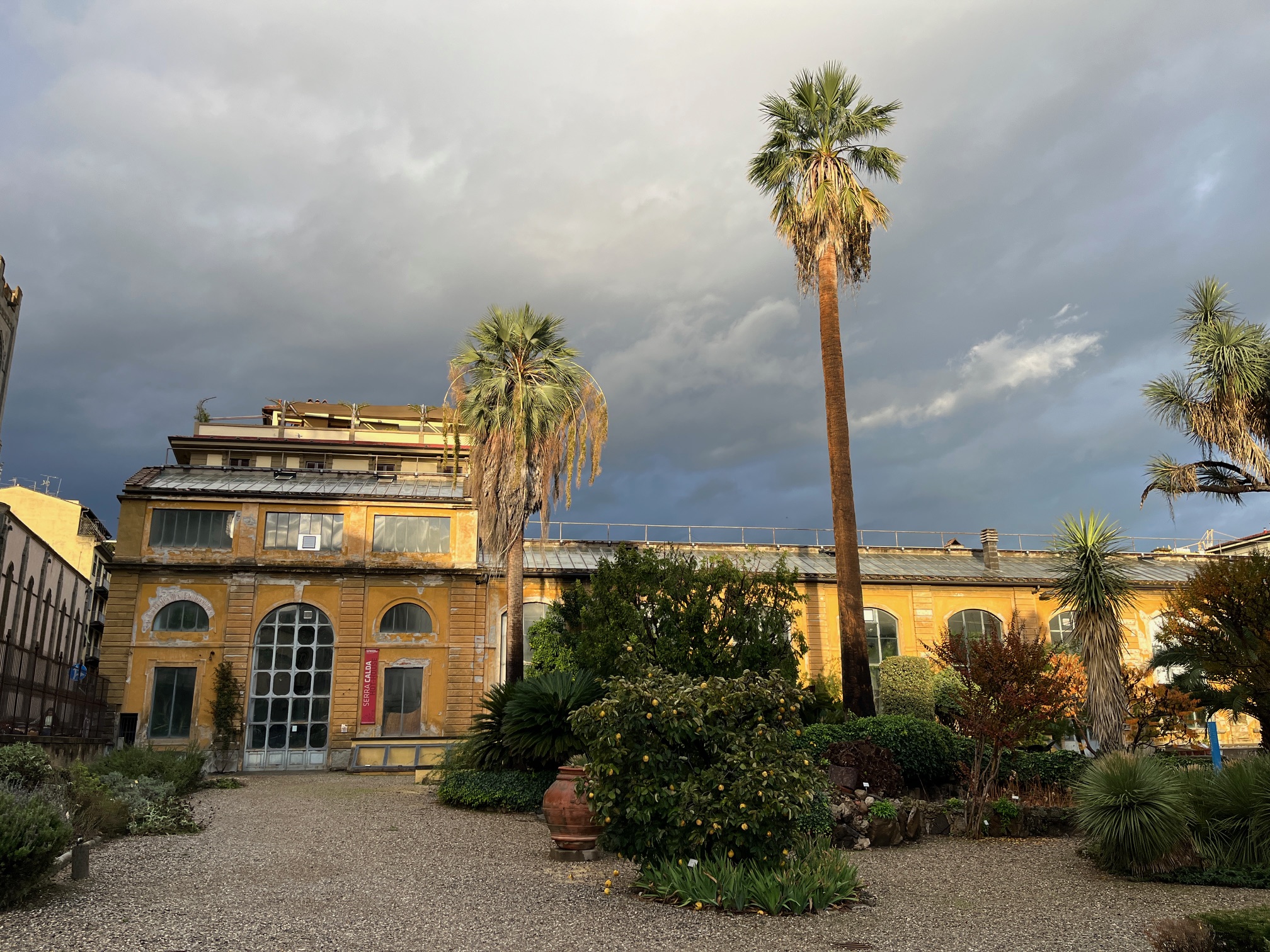
Alongside the long-running visits, the program ranges widely: an ethnobotanical walk through the Giardino dei Semplici, discovering the plants from the Americas, Africa and Asia that Europe began cultivating and cataloguing from the sixteenth century onward; a special strand devoted to Italian colonialism in Africa and Albania, read through the Alinari photographic archives, the Marubi Museum in Shkodër and the Carlo Guidotti collection held at the Archivio Fotografico Lucchese; and a visit to the frescoes of Santa Maria Novella, exploring interreligious and intercultural relationships in the Florence of the past.
The walks
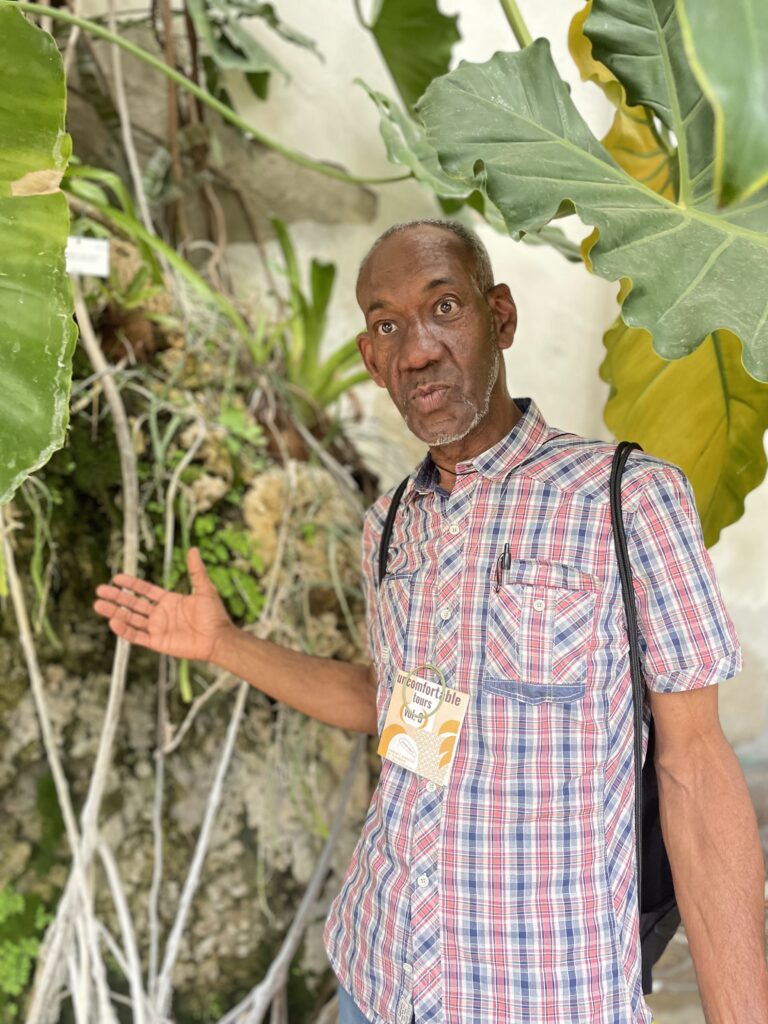
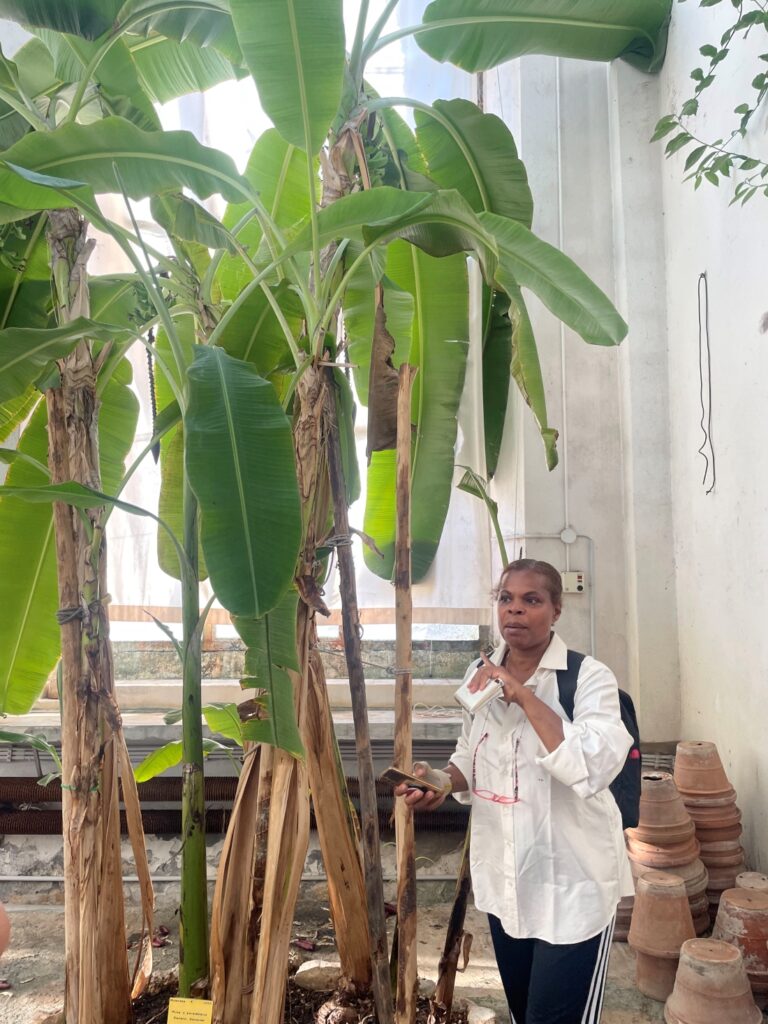
Stories of Plants and People on the Move — ethnobotanical walks (Orto Botanico, Florence’s botanical garden). From the sixteenth century onward, plants gathered in the Far East, in Africa and in South America began to populate the gardens, greenhouses and orchards of Europe. Generation after generation, a botanical and cultural heritage from other lands took root in Europe and in Florence, where it was catalogued and renamed according to an Enlightenment-style classification. In that process of adaptation, much of the knowledge about these plants’ culinary, medicinal and traditional uses — and even their names in native cultures — was lost. The walk weaves together the knowledge of the mediators and that of the garden’s curators, giving space both to the biological and ecological traits of each species and to their often-overlooked ethnobotanical uses.
La Petraia and the Passion for the Exotic (Villa medicea La Petraia). Between the sixteenth and eighteenth centuries, geographic discoveries flung open an unknown horizon of lands, peoples, cultures, art objects and botanical species from faraway worlds: from the portrait of a young albino man from Angola to Chinese watercolors and porcelain, the objects tell the story of the gaze Europe cast upon the world.
“Black Heads Come from Lisbon”: Stories of Enslaved People in the Renaissance (city itinerary, historic center of Florence). A route through the heart of the city, from the Cappella dei Magi — where a Black man is depicted — to the Cappella Feroni, built to celebrate one of the first traders in enslaved people, uncovering the traces of a little-known history: that of slavery in Renaissance Florence.
Barsene and the Revolt of the Straw-Weavers of Peretola (city itinerary, the village of Peretola). Setting out from Peretola, the story of one of the first great women’s labor strikes in Italy — a month of struggle and pickets led by the women who worked in the straw-hat trade to demand better living and working conditions.
Colonial Florence (city itinerary, historic center of Florence). In the cradle of the Renaissance, the city’s colonial past remains barely perceptible — yet streets, monuments and plaques still recall the deeds and protagonists of an erased history.
A New Mosque in Florence (visit to the Mosque, historic center of Florence). In the Sant’Ambrogio quarter stand three important places for the local community, which for years has actively promoted interfaith dialogue and mutual respect among the great monotheistic religions. Here, between the green dome of the Synagogue and the historic Church of Sant’Ambrogio, a new Mosque has recently been inaugurated — a place of gathering and worship for collective prayer, with a space for ablutions and an area reserved for women. Although the building has neither dome nor minaret, it fully observes the organization and liturgy of the Islamic rite, standing as a visible sign of a Florentine Muslim community long rooted in the area.
Queering Florence (city itinerary, historic center of Florence). The need for purification demands scapegoats, and in late-medieval and Renaissance Florence they were found among women and “sodomites.” Embracing the theology of a God who punishes the whole world for the sins of a few, the city authorities set out, in fits and starts, to safeguard the purity of society by defending the unity of the city-as-family and its urgent need for demographic growth. The walk explores the different ways cultures have, over time, constructed sexual identity through norms, prohibitions and rites of passage — sometimes choosing repression, sometimes celebrating difference.
Photographic Archives, Colonial Objects and Memories (public seminar). Archives — and sometimes even our own homes — preserve the traces of Italian colonialism in Africa and Albania. Drawing on the collections of the Marubi National Museum of Photography in Shkodër and the Alinari Archives, the seminar reflects on the power of photographs to build imaginaries that reach from the past into the present.
Colonial Photography and Decolonial Ways of Seeing (public workshop). The workshop is an occasion to look together with AMIR mediators at photographic material relating to the Italian colonial occupation of Ethiopia and Eritrea in 1935–1936, from the Carlo Guidotti collection held at the Archivio Fotografico Lucchese. Starting from the awareness that a photographic archive is not a neutral container but a space where stories and points of view accumulate, the session invites reflection on photography, the power of images and the construction of narratives.
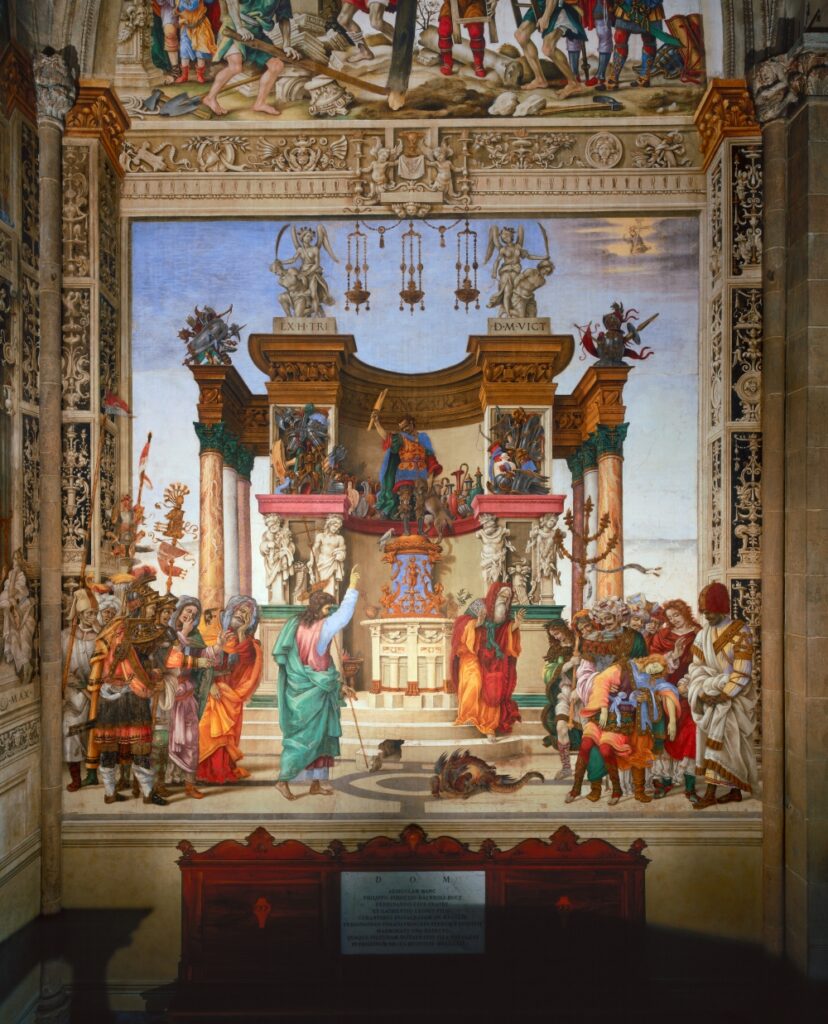
On the Margins: Arabs and Africans at Santa Maria Novella (visit to the Church of Santa Maria Novella). A route through the Dominican complex, which as early as the fourteenth and fifteenth centuries was one of the city’s principal sites — hosting, in 1439, the Council between the Eastern and Western Churches. Looking at the frescoes of Andrea Bonaiuti, Domenico Ghirlandaio and Filippino Lippi, the walk focuses on the often-unnoticed figures of Arabs and Africans. These characters, on the margins of society, offer keys to reading the artworks through the lens of interreligious and intercultural relationships in the Florence of the past.
Info and bookings
AMIR — Accoglienza, Musei, Inclusione, Relazione is a project launched in September 2018 (the name means “prince” in Arabic), run by a network of local museums to offer cultural mediation led by residents with a migrant background. It currently involves dozens of mediators and several museums across Florence and Fiesole — including the Museo e Area archeologica di Fiesole, Museo Bandini, Museo Primo Conti, Museo di Palazzo Vecchio, Museo Novecento and Museo degli Innocenti — brought together since 2019 in the “Musei di Tutti” thematic museum network, along with the Villa medicea La Petraia, the Giardino di Castello and the historic villages of Peretola and Quaracchi. The program is promoted by Stazione Utopia with the support of Fondazione CR Firenze.
The visits are free, with booking required at www.stazioneutopia.com. Each visit lasts about an hour and a half, and it’s best to arrive a few minutes early. Groups (summer camps, informal groups, volunteer and social-promotion associations) can contact the office to arrange different dates and times.
Info and contacts: edu@stazioneutopia.com or +39 388 4609980