Vinci: Leonardo’s Village in the Tuscan Hills
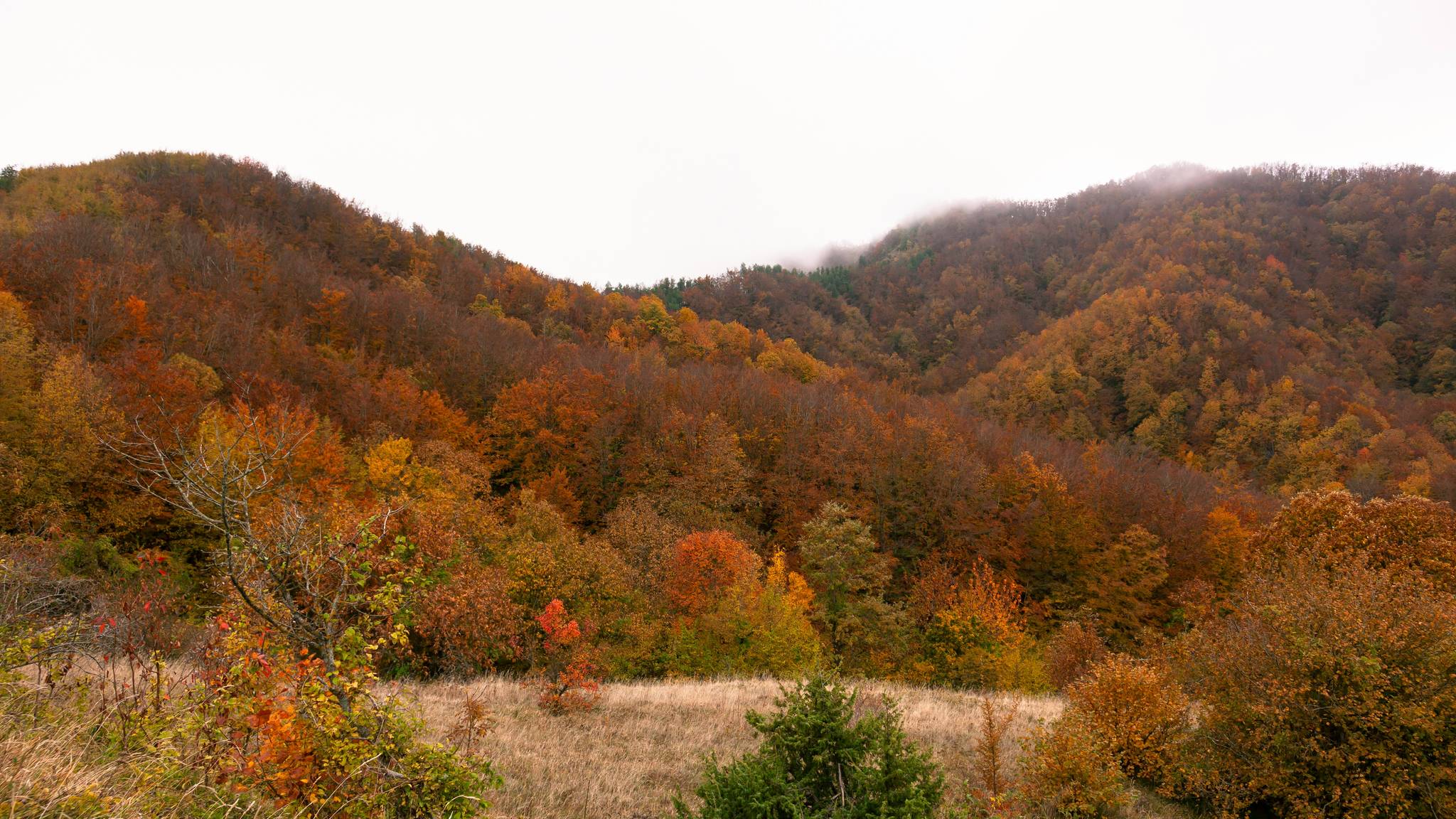
Gentle hills, cloaked in the geometric patterns of vineyards and olive groves, set the rhythm of the quiet valley on the not-too-steep slopes of the Montalbano massif. A placid picture of the Florentine countryside, where time moves slowly and in harmony, much like the relationship between people and nature, which here has learned to color itself with mutual respect and accord, offering anyone who stands before it a masterpiece of landscape.
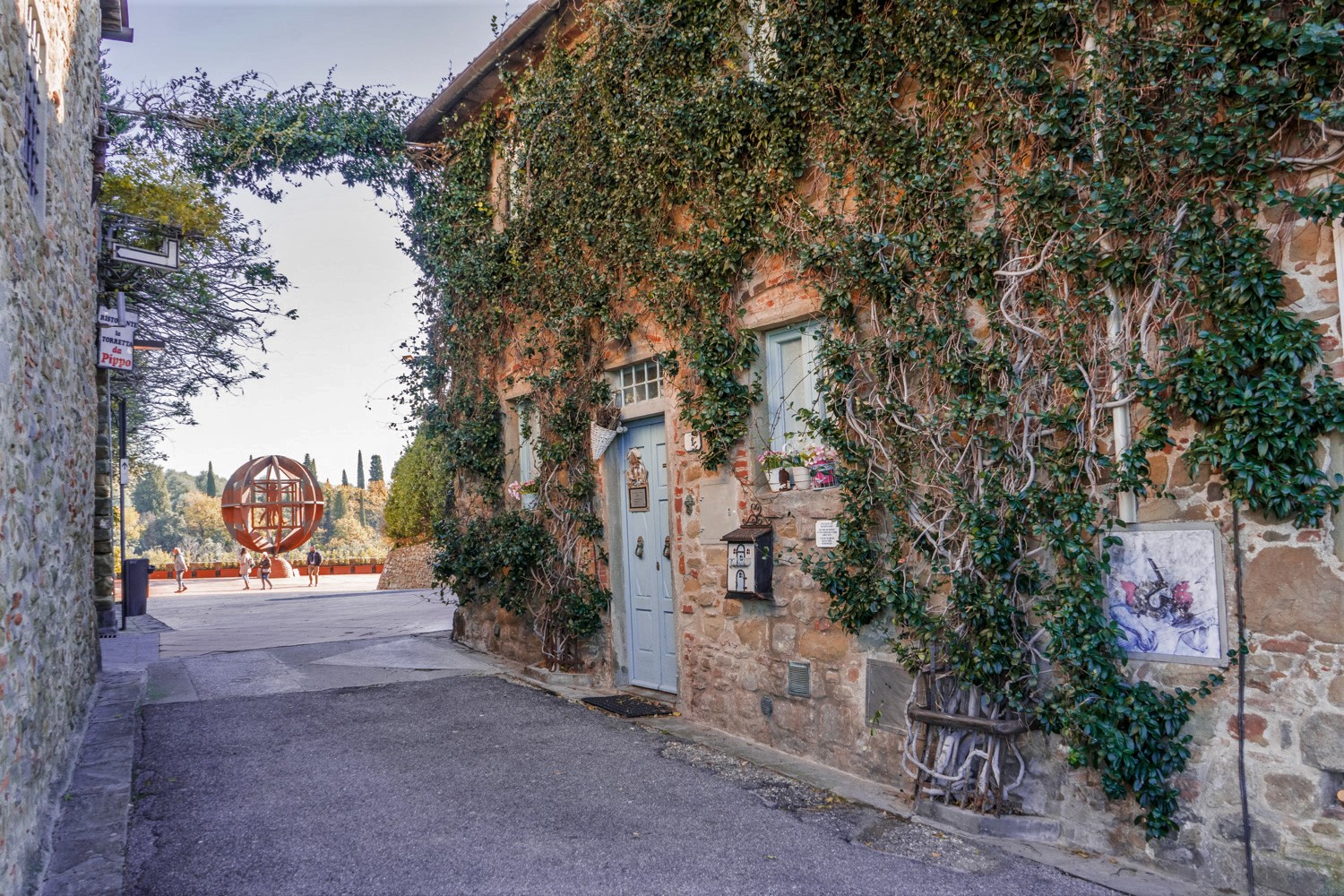
In this exceptional setting, a stone’s throw from the gates of the City of the Lily, the village of Vinci rises to watch over all that beauty. “Just another charming Tuscan village,” some might say, with neither surprise nor enthusiasm; Tuscany, as everyone knows, is a rich land of nature, history, art, food, and wine, the very reasons it’s famous the world over, and eyes accustomed to it are seldom amazed. But the essence of Tuscany pulses in Vinci’s soul: historic gems that embrace ancient and contemporary art, culinary delights, and beautiful rural and natural landscapes.
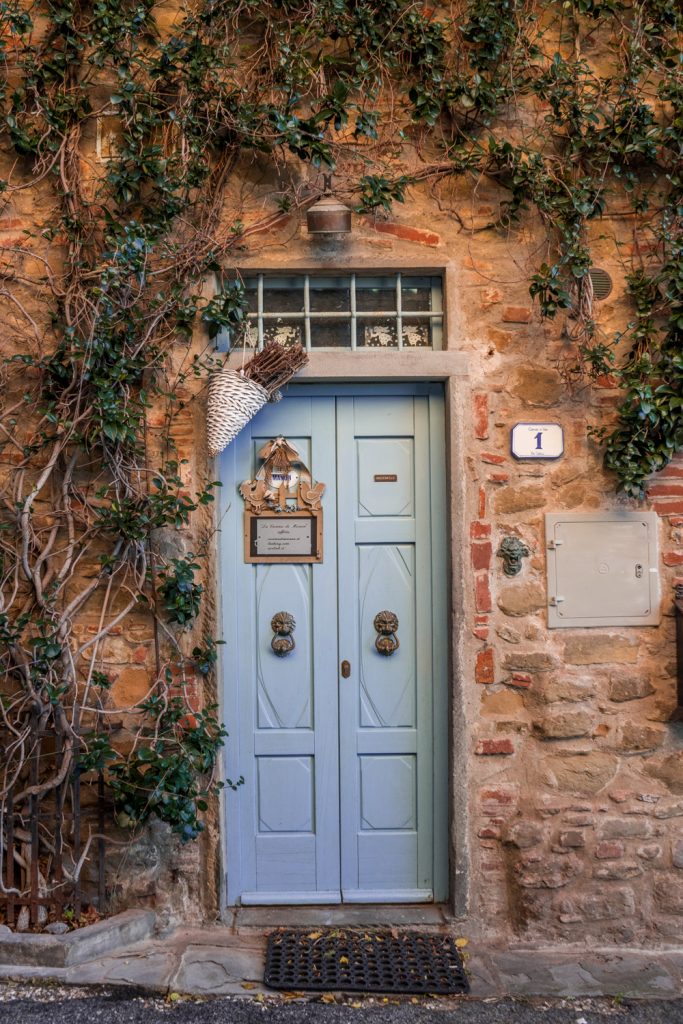
These are the views made famous by the hand of the greatest artist and scientist of all time, who was born here, immortalizing the panoramas of Vinci and shaping its history, making it unique: as unique as the genius of Leonardo da Vinci.
The heart of the fortified village and its origins is the castle that belonged to the powerful Guidi counts from the year 1000 until 1254, traditionally known as the Castello della Nave (the “Ship Castle”), a name owed to its unusual elongated shape, almond-like when seen from above, which, with its soaring tower standing sentinel, calls to mind the image of a sailing boat.
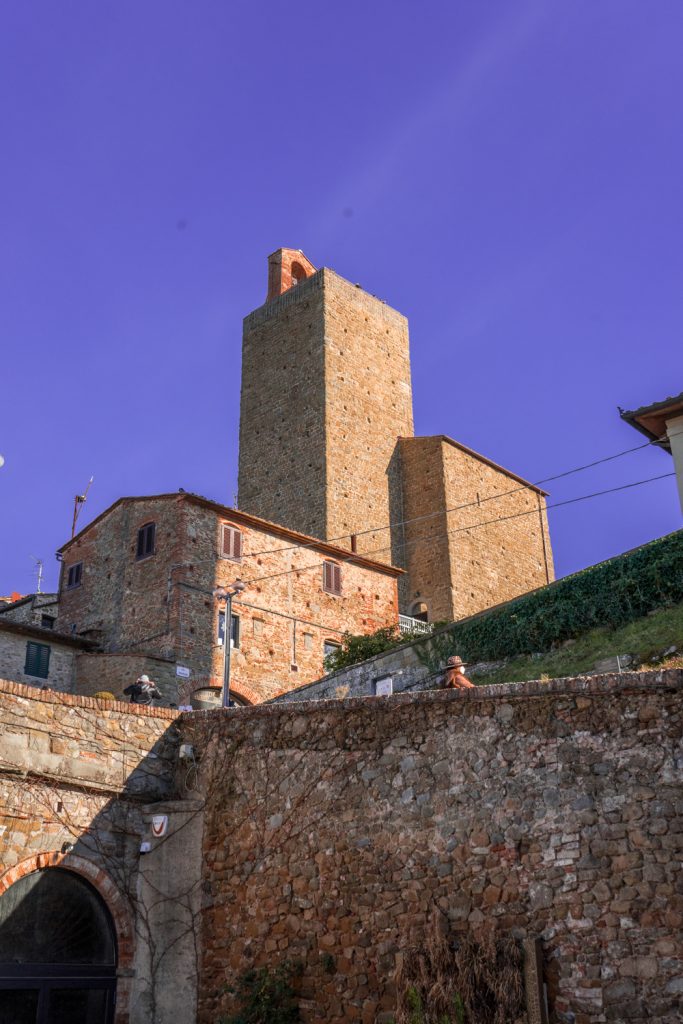
A treasure chest of history and art, it holds relics of its past, such as the coats of arms, frescoed and carved in stone, of the many magistrates who governed here over the centuries, and the precious glazed terracotta of the Madonna and Child with the Infant Saint John, a work by Giovanni della Robbia, of the gifted Florentine family of sculptors and ceramists. Within its ancient walls it also embraces one of the sites of the Museo Leonardiano (Leonardo Museum), housed in the castle’s fascinating rooms, along with the contemporary sculpture Squilibrio (Imbalance), better known as the Man of Vinci, created by Mario Ceroli in 1987, inspired by Leonardo’s celebrated drawing of Vitruvian Man.
Artistic bridges between past and future: many contemporary works dedicated to Leonardo dot the village, to be enjoyed on a walk among art, history, and prodigious minds. There’s the bronze sculpture Leonardo’s Horse by Nina Akamu; The Baptism of Leonardo by Cecco Bonanotte, kept in the parish church of Santa Croce, where Leonardo was presumably baptized; Dialogue Beyond Time and Space: Leonardo da Vinci and Qi Baishi by the Chinese artist Wu Weishan; and A Square for Leonardo, an evocative urban space shaped by the flair of the versatile Mimmo Paladino and based on the great scientist’s studies, overlooked by yet another branch of the Museo Leonardiano, set up in the Palazzina Uzielli.
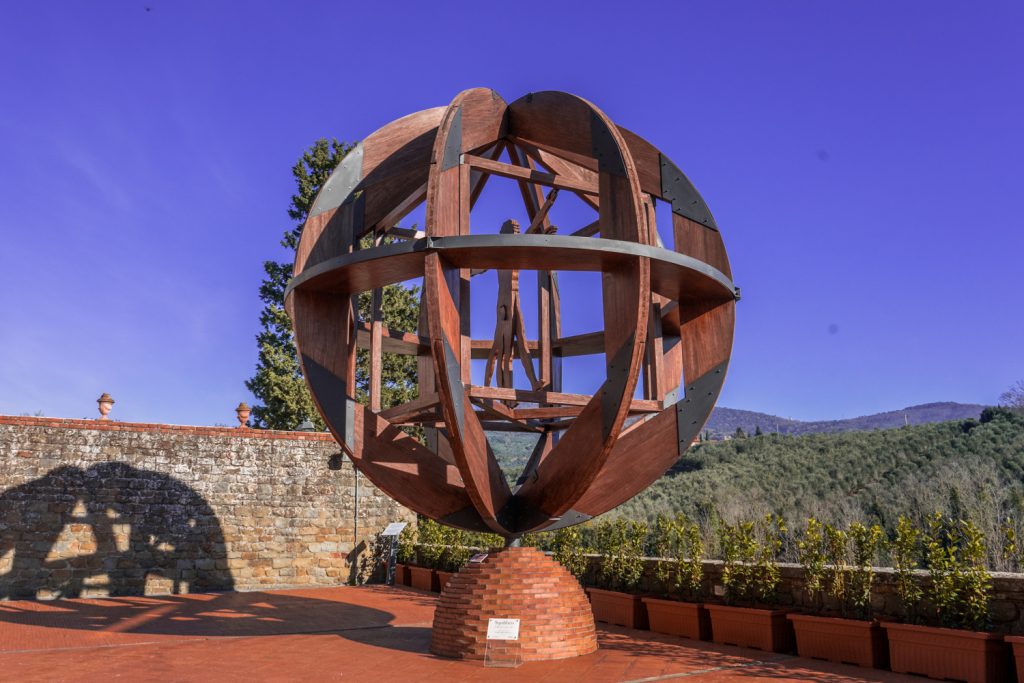
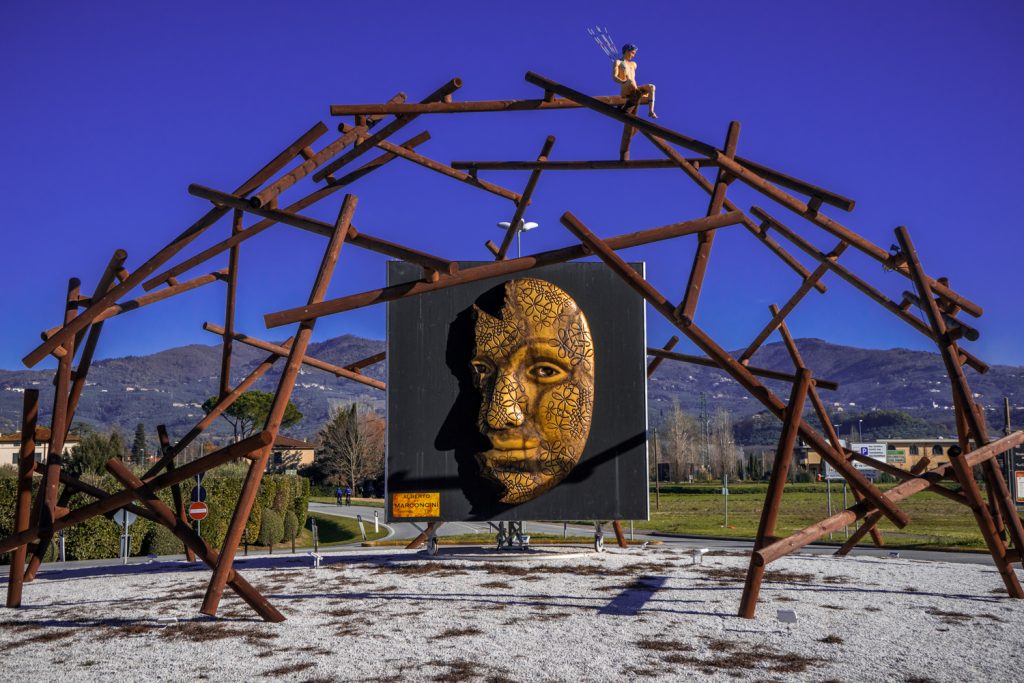
The museum trail dedicated to Leonardo, which takes in the places and settings tied to him that inspired so many of his masterpieces and offers one of the largest and most original collections spanning art and science, doesn’t end here. Other sections have been set up just outside the village, at the Villa del Ferrale and at his birthplace in Anchiano, in a scenic spot overlooking the surrounding countryside. Rounding out this journey through the life of the great Renaissance genius, the Biblioteca Leonardiana (Leonardo Library) preserves reproductions of his manuscripts, drawings, and literary works, starting with the 1651 edition of the Treatise on Painting, and has also built a digital archive through which the collection can be consulted.
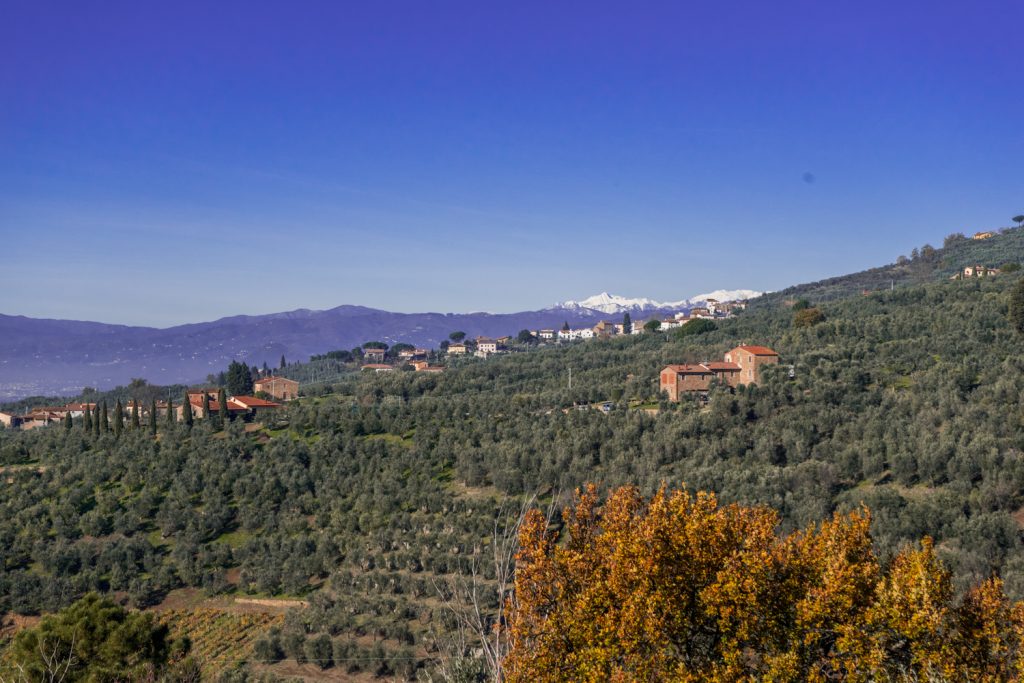
A village, a celebration of Leonardo’s boundless genius, where you can follow in his footsteps and also let yourself be swept up by that ancient beauty pervading the lovely little lanes and the surrounding countryside, waiting to be discovered along the many hiking trails that fan out across its landscape and the lush flanks of the Montalbano, before ending at the table, among authentic recipes and flavors, paired with a good glass of Chianti DOCG wine and an excellent extra-virgin olive oil, both local specialties, celebrated along the roughly 48 kilometers (30 miles) of the food-and-wine route known as the “Strada dell’Olio e del Vino del Montalbano – Le Colline di Leonardo” (the Montalbano Oil and Wine Road – Leonardo’s Hills).
Photos by Benedetta Perissi