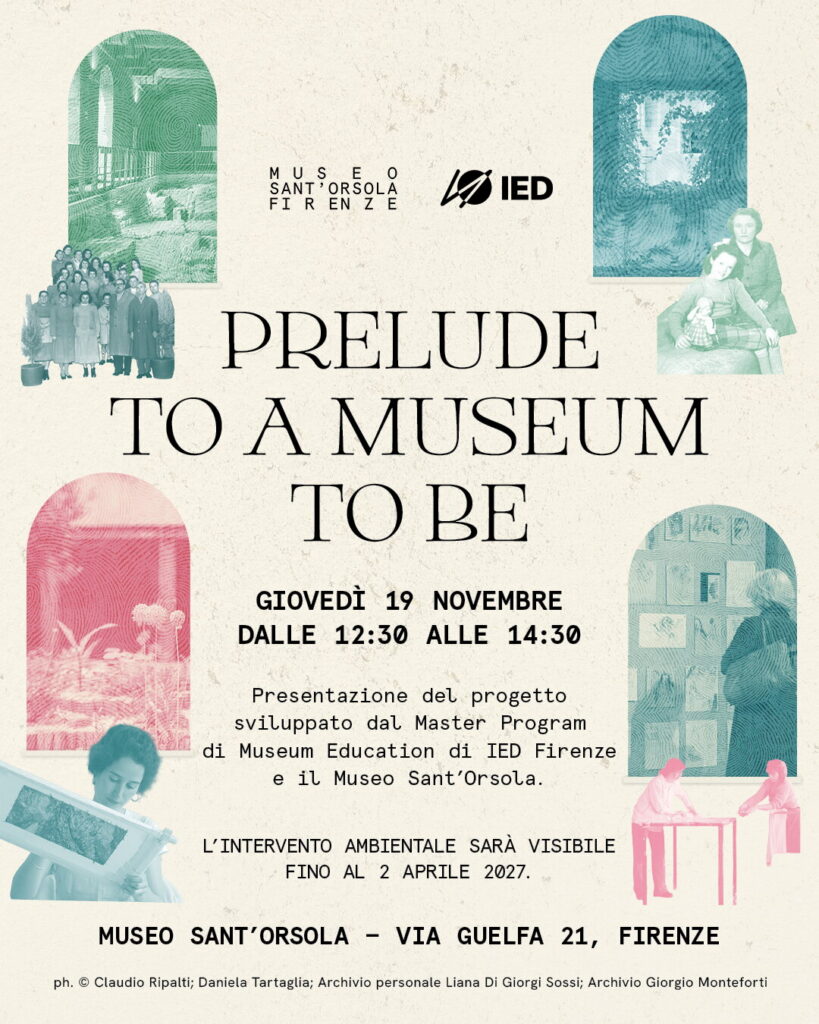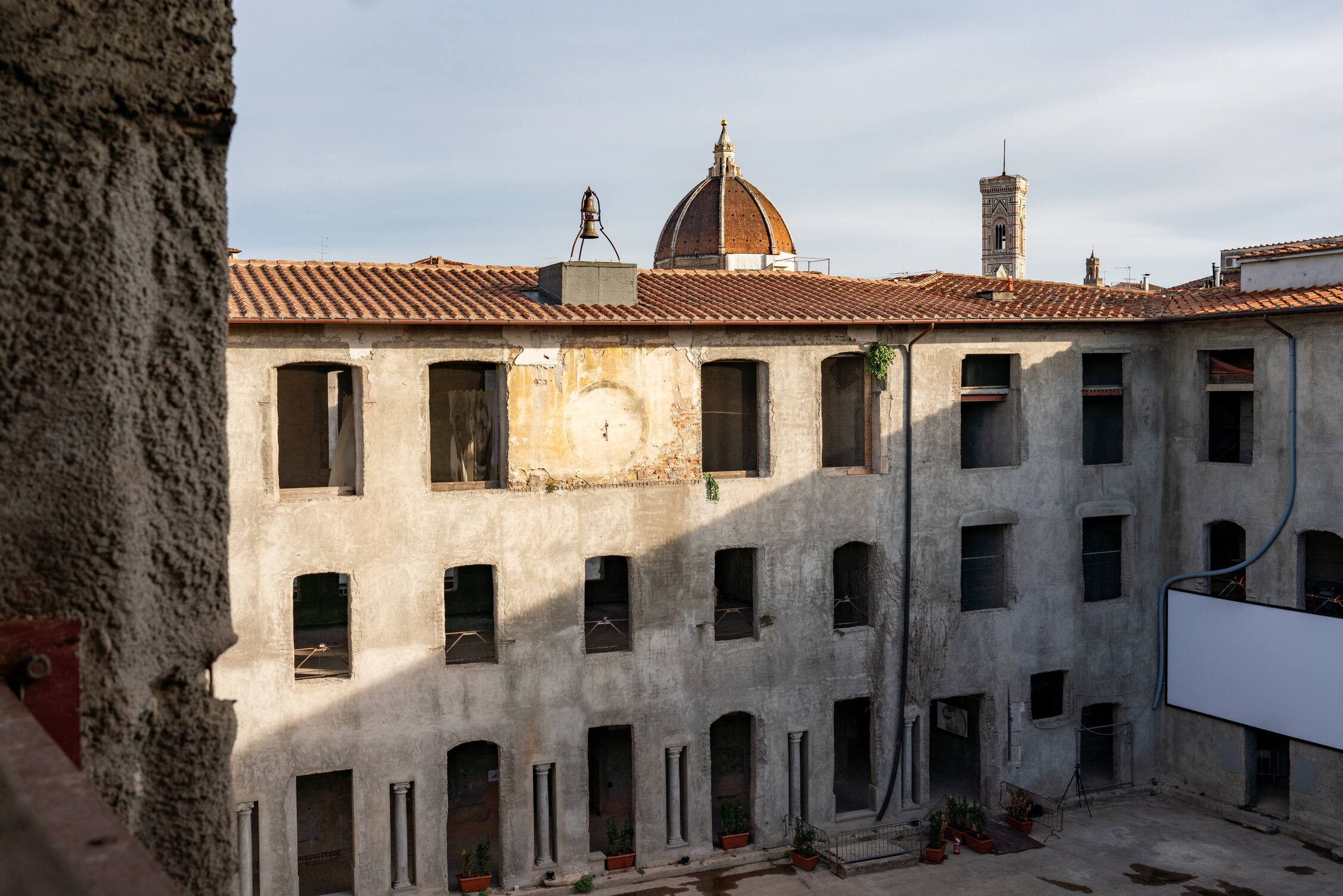
IED Firenze and Museo Sant’Orsola present Prelude to a Museum to be, a project developed by IED Firenze’s Master Program in Museum Education together with Museo Sant’Orsola: a toolkit for museum mediation and a site-specific intervention on the facade of the museum complex, on view until April 2, 2027.
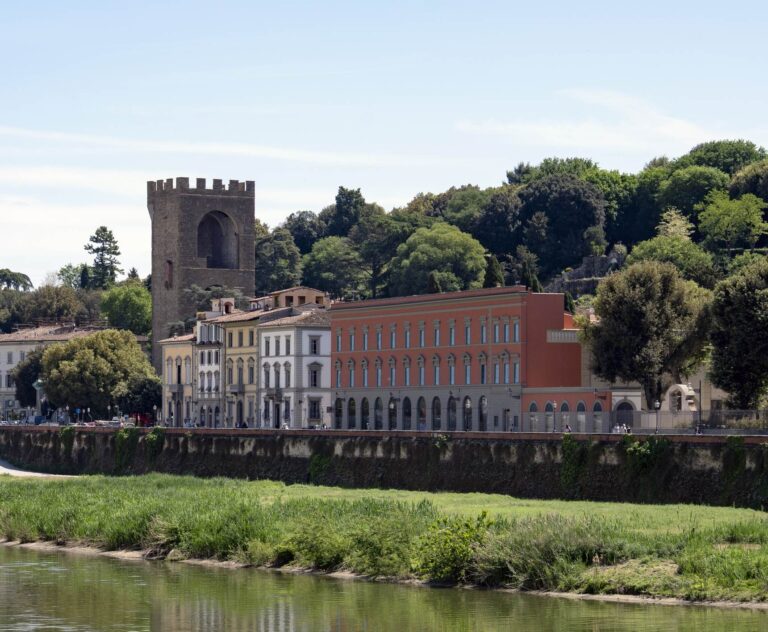
While it waits to open, which is planned for 2028, Museo Sant’Orsola tells its story through the eyes of IED Firenze students. On November 19, from 12:30 to 2:30 p.m., the complex will host the presentation of Prelude to a Museum to be and the unveiling of the site-specific intervention (free admission, reservation required by writing to info@museosantorsola.it). At the heart of the project is a question: how can Museo Sant’Orsola write a new chapter in its history while recognizing and honoring the ones that came before it?
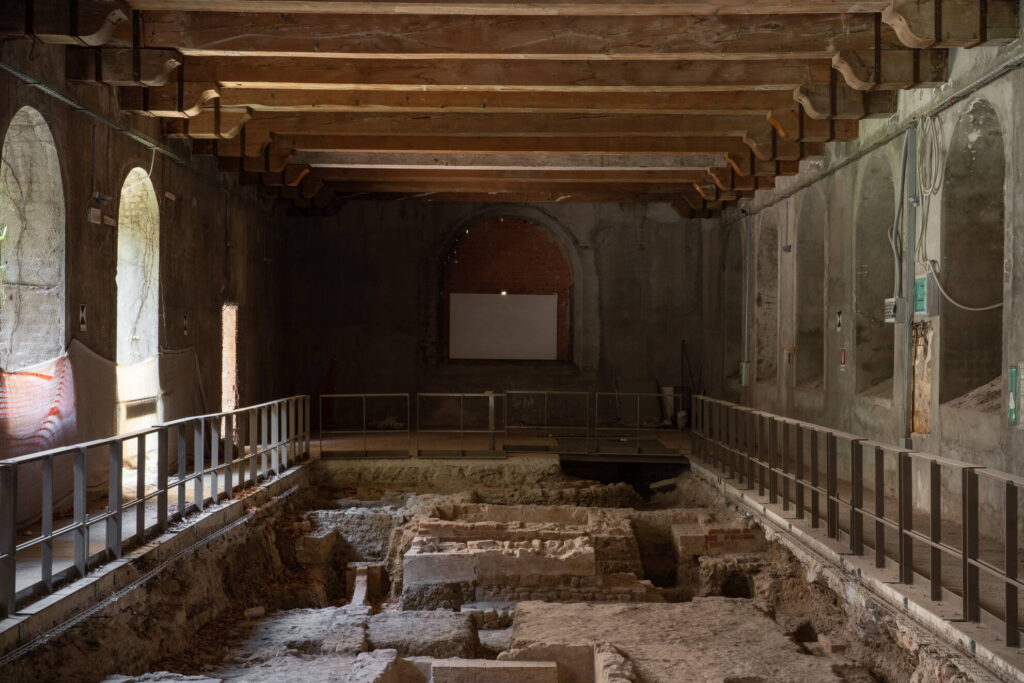
The convent of Sant’Orsola and its many lives
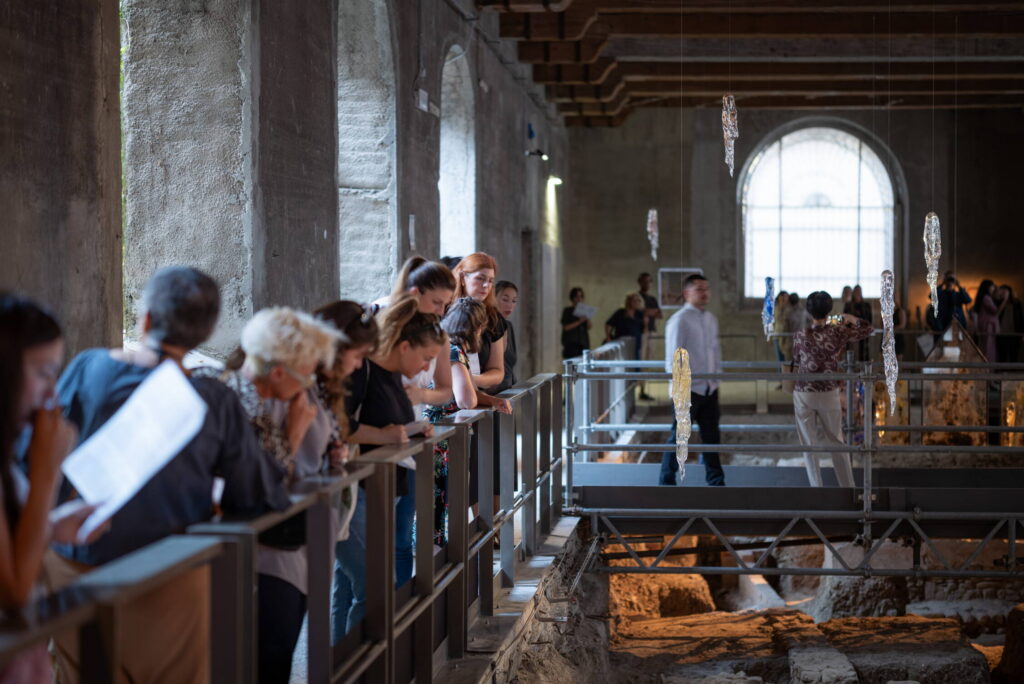
The initiative is the result of a careful study of the space of the Sant’Orsola convent, its many lives and layers, as well as of the local and international communities the museum will speak to. The museum served as a field for research and experimentation, allowing the students to undertake both an individual and a collective research path, asking what it means to bring a museum to life in a historic space with such a strong identity that is, at the same time, open to contemporary research, and what effects new cultural spaces can have on the neighborhoods and communities that live in them. In complex times marked by deep transformations, museums can take on the role of safe places, spaces of shelter from the chaos outside. The goal is to promote a horizontal, dialogic model of education, in which the community helps enrich the institution and, in turn, the institution becomes an active part of the community’s growth. A learning environment in which everyone involved takes part in building and sharing meaning.
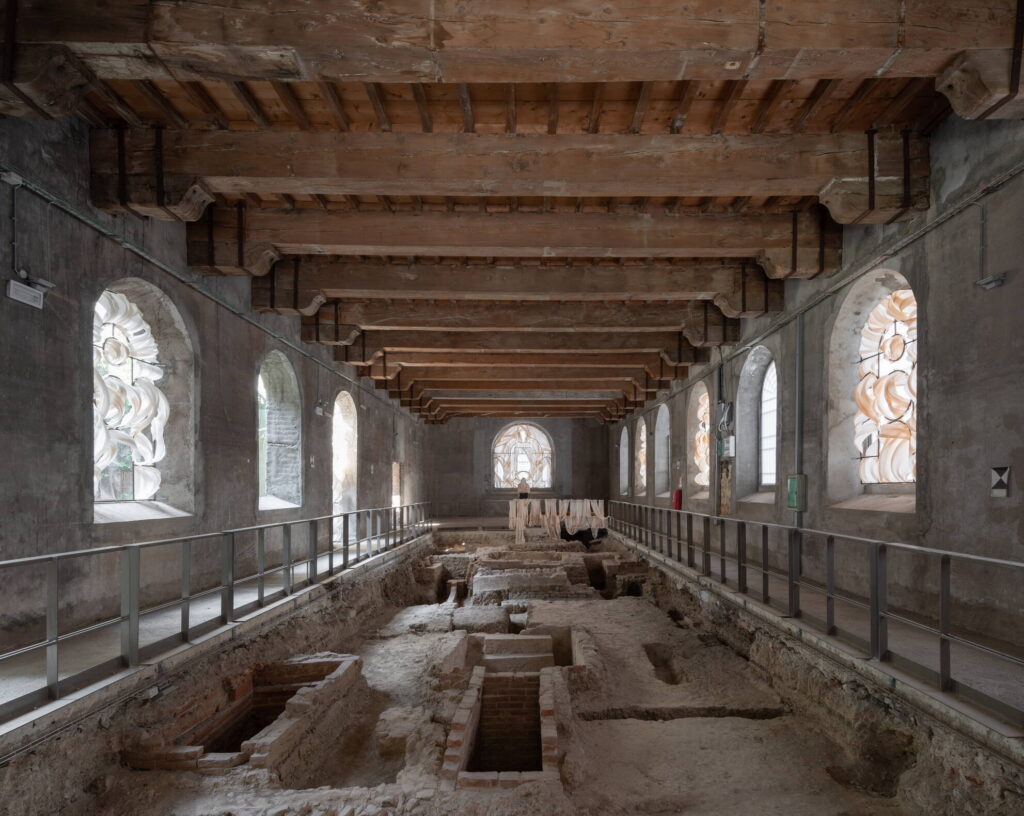
A museum in the making
“Museo Sant’Orsola is a museum in the making, a reality that is also taking shape through dialogue with local professionals and with the new generations. After the podcast Dominae, developed with the first students of IED Firenze’s Master in Museum Education, this year the project conceived by the students of the 2026 master’s program, Prelude to a Museum to Be, is an invitation to imagine new forms of mediation and of relationship with the city. Sant’Orsola, its construction site and its future museum are once again becoming a space for experimentation and exchange,” says Morgane Lucquet Laforgue, curator and director of Museo Sant’Orsola.
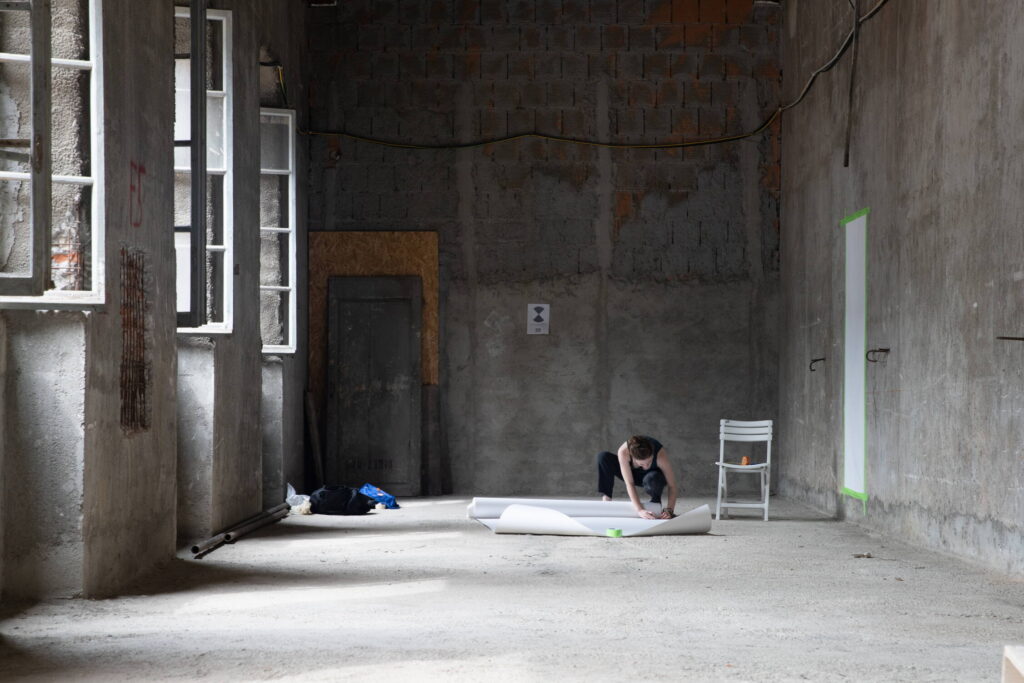
“The collaboration with Museo Sant’Orsola grew out of the wish to work together on a shared question: how a place so rich in history can keep transforming itself through new perspectives and new forms of participation. IED Firenze’s Master in Museum Education is part of this journey, bringing ideas, research and experimentation and contributing to a project that has a concrete bond with the city and with the way we imagine its future,” says Benedetta Lenzi, director of IED Firenze.
Ten large banners on the outer windows
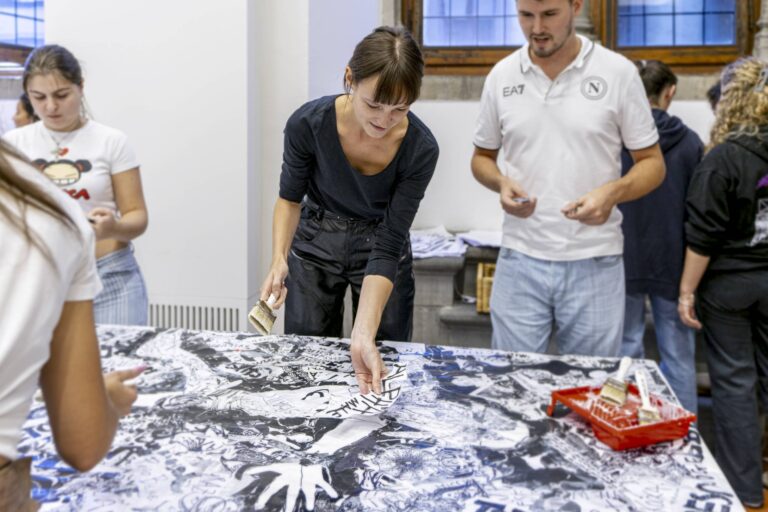
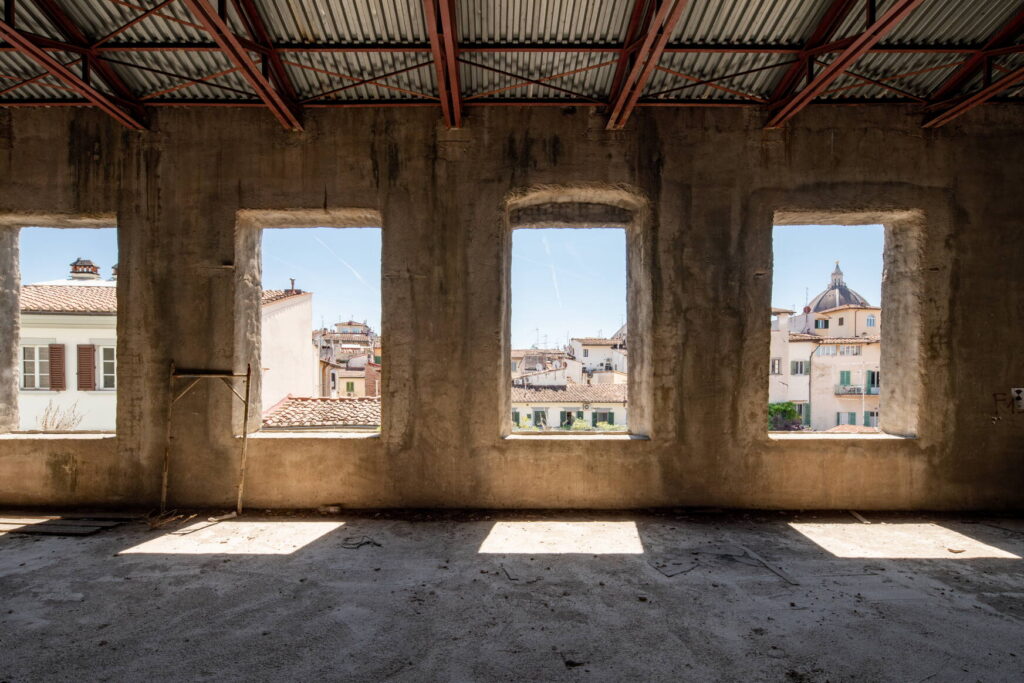
Prelude to a Museum to be is made up of two parts. The first is a site-specific intervention on the building’s outer windows, which from November through April 2027 will host ten large shaped banners: with graphic and text elements that make the layered history of the vast Sant’Orsola complex visible to a general audience, they bring hidden events and unheard stories back to light, while raising new questions about the role of the museum to come. The banners are also designed to screen from view the interior spaces undergoing renovation, turning a necessity of the construction site into a tool for cultural mediation and for connecting with the city: the windows become pages open onto the urban space, through which the Museum carries its content beyond the walls of the complex, while inviting passersby to share their thoughts and expectations about its future through a QR code.
The toolkit and the five senses
The second is a toolkit that includes a handbook, a set of flashcards and activity sheets, gathered in a bag (designed specifically, using museum materials from previous exhibitions, in collaboration with Fashion Design student Matteo Anichini). The material is meant for museum staff, educators and cultural mediators, but also for a curious public eager to try new ways of visiting, with the aim of broadening and enriching the museum experience through the use of the body and the five senses in exploring the space and its hidden history. Taken together, these devices invite reflection on the role of museums in contemporary society, pay tribute to the many historical layers held within the building and offer a set of tools for building new relationships between communities, art and the role art can play in ever-changing social and cultural landscapes.
The Master Program students
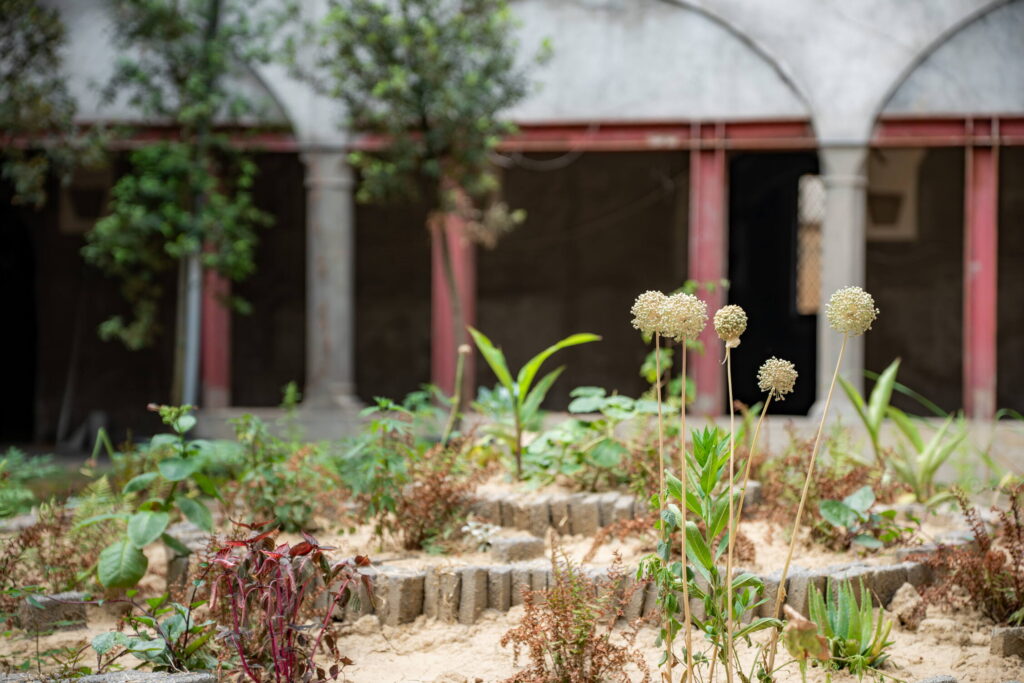
The project was coordinated by Daria Filardo (Art coordinator, IED Firenze) and Morgane Lucquet Laforgue (director, Museo Sant’Orsola) and carried out under the supervision of IED faculty Isabella Ahmadzadeh, Alessio Bertini, Maria Chiara Fantini, Ilaria Gadenz and Edoardo Staffa and, for Museo Sant’Orsola, Maria Camilla Palleschi. It was conceived and developed by the students of the Master Program in Museum Education: Alejandro Hernandez, Rohan Kakar, Melissa Hanani Palomares Rivera and Swamani Raut. The graphic design of the window intervention was created in collaboration with students of the Master Program in Graphic Design: Daniela Ballotta, Giovanna Cianciarulo and Karen Wider.