Inside the Art Department at IED Firenze
The contemporary art world is made up of more than artists, curators, and institutions: it depends on a whole range of professionals able to design, produce, interpret, and set cultural processes in motion. It is from this awareness that IED Firenze, the Florence campus of the Istituto Europeo di Design, has built an area devoted to advanced training in the arts, now organized around three Master’s programs: Arts Management, Curatorial Practice, and Museum Education.
Three distinct yet deeply interconnected paths, each tackling a different dimension of cultural work: producing and managing projects, research and curating, and the relationship with audiences and the processes of mediation.
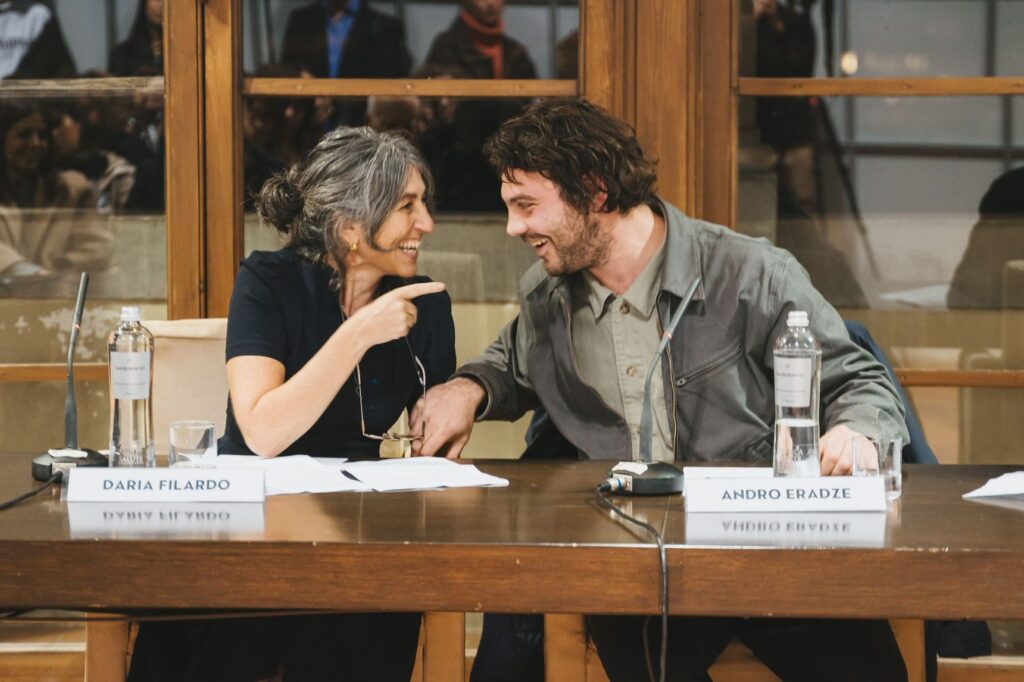
Walking us through this structure is Daria Filardo, art historian, curator, and educator, and coordinator of all three programs. With years of experience across curating, research, and teaching, Filardo has worked in a range of institutional and independent settings.
Three Professions for the Contemporary Art World
IED Firenze’s Art Department is now built around three Master’s programs. How did this structure come about, and what professional needs does it respond to?
“It all started with Arts Management, which I have coordinated since 2015 and which is the historical core of what we offer. Over the years we saw the art world calling for increasingly specific skill sets: not only people able to handle the production and management of projects, but also professionals capable of building curatorial discourses and developing new ways of connecting institutions, artworks, and audiences.
“The other two programs grew out of that need. Curatorial Practice was first launched at IED Venezia and then moved to Florence in 2019, while Museum Education is the most recent.
“So these are not three isolated programs, but three perspectives that share a cultural and methodological foundation and correspond to different moments in the process of cultural production: designing and managing, curating and interpreting, mediating and building relationships with audiences.”
Arts Management: Designing and Producing Culture
Let’s start with Arts Management. What professional profile is this program designed to train?
“Arts Management is aimed at people who want to work on the planning, organizational, and managerial side of culture. We’re talking about someone who has to know how to turn an idea into a concrete project, handling every stage of production: from setting goals to planning, from budgeting to fundraising, from communication to delivery.
“Today the program runs across IED Firenze and IED Roma, with Francesco Dobrovich coordinating in Rome. The two modules complement each other: Florence focuses especially on planning and organizing exhibitions and events in the visual and performing arts, while Rome develops more of a cross-media perspective on artistic production.
“The Art Manager therefore needs a dual skill set: a solid grounding in the arts and, at the same time, the tools of project management, communication, marketing, and business. It’s a behind-the-scenes role, but one that has a decisive hand in the final shape of a cultural project.”
Curatorial Practice: Curating as Knowledge Production
The second program is Curatorial Practice. What sets it apart?
“Contemporary curating is no longer just about selecting works and organizing an exhibition. The curator is increasingly a producer of knowledge, someone able to build connections, interpret the present, and generate cultural narratives.
“The Master in Curatorial Practice, taught entirely in English over one year, starts from this idea. The program combines contemporary art history, museology, exhibition history, and curatorial theory with a strong hands-on, project-based component.
“Students work on curatorial writing, publishing, developing public programs, communication, fundraising, and audience development. The goal is to connect the critical dimension with the operational one: a curatorial project has to be able to articulate a line of research, but also to find a form, a context, audiences, and the concrete conditions it needs to exist.”
How important is working alongside professionals and institutions in this process?
“It’s essential. The faculty is international, which lets students engage with very different methods and positions. That matters above all because I don’t believe there is a single model of curating. Working with curators, artists, art historians, and professionals from communications and institutions means encountering different ways of putting together an exhibition or a cultural program and, step by step, developing a position of your own.
“The international dimension is also an integral part of the program: Florence becomes a privileged vantage point on the contemporary art world, but the Master’s gives students the tools and connections to engage with a broader professional context.”
From Classroom to Project: The Partnership with Palazzo Strozzi
Hands-on project work seems to be one of the defining features of the programs. What does that look like in practice for students?
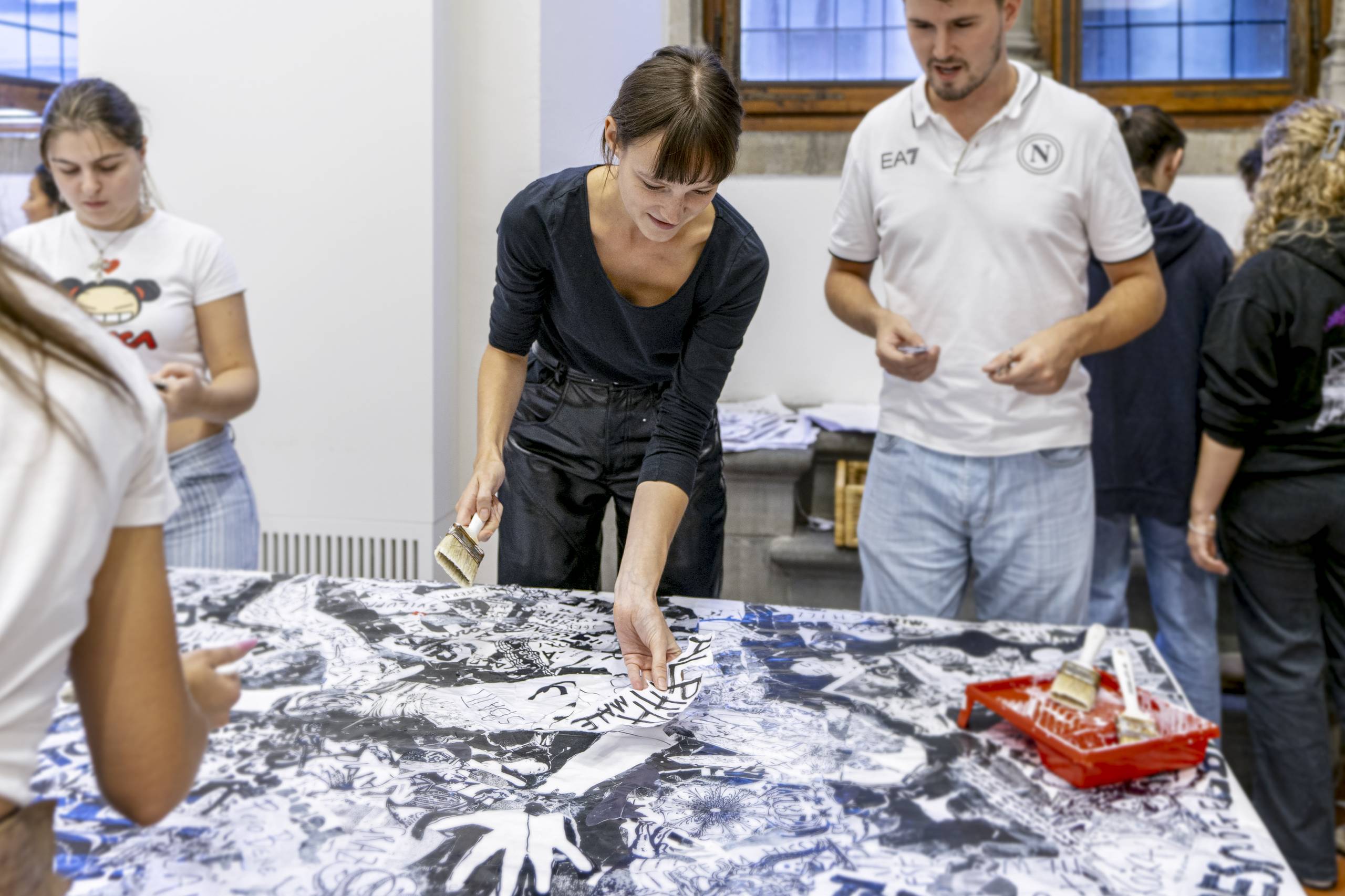
“For us it’s important that learning doesn’t stay confined to the classroom. The IED method is based on learning by doing: students are asked to deal with real situations, with the complexities of cultural production, and with the need to make decisions.
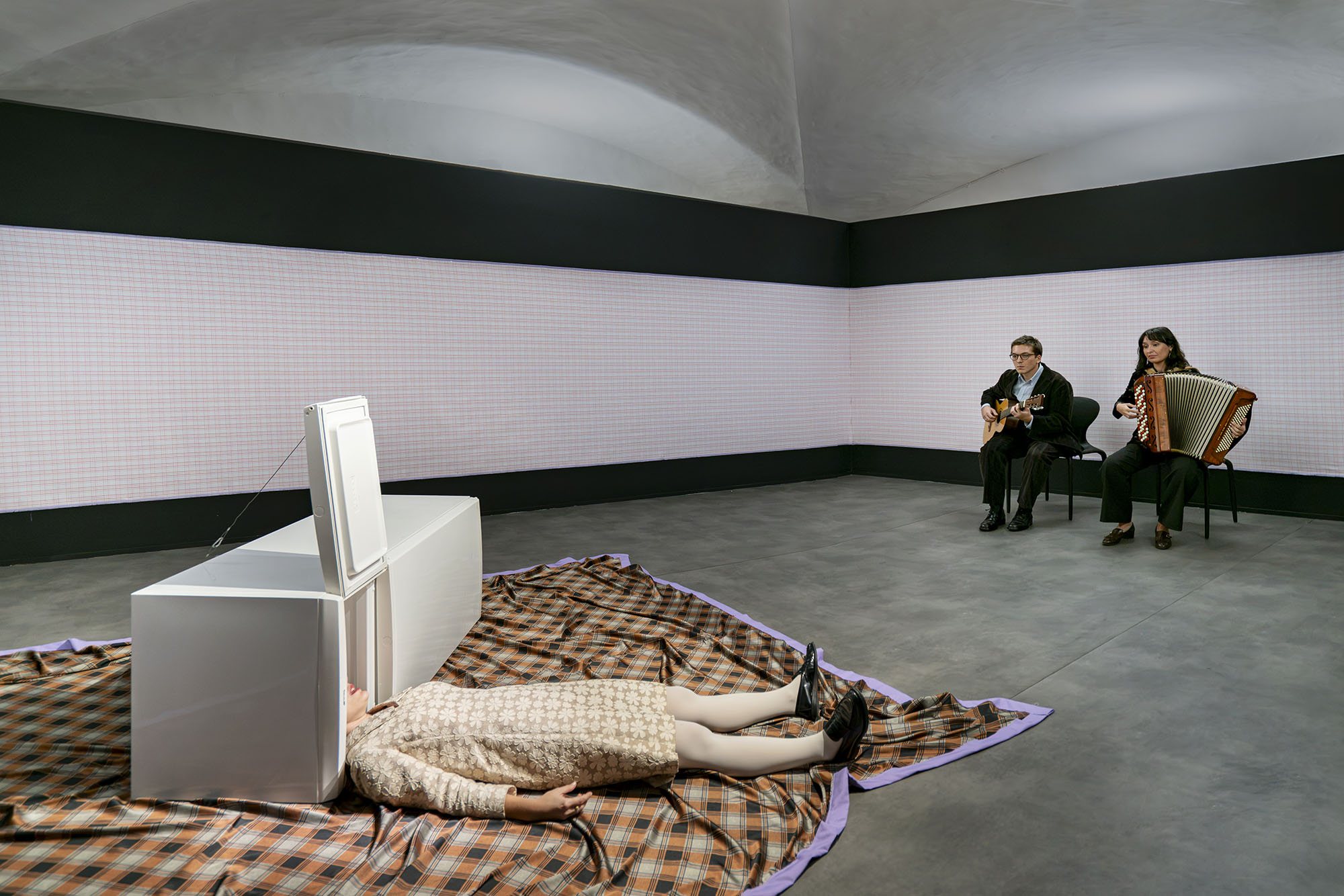
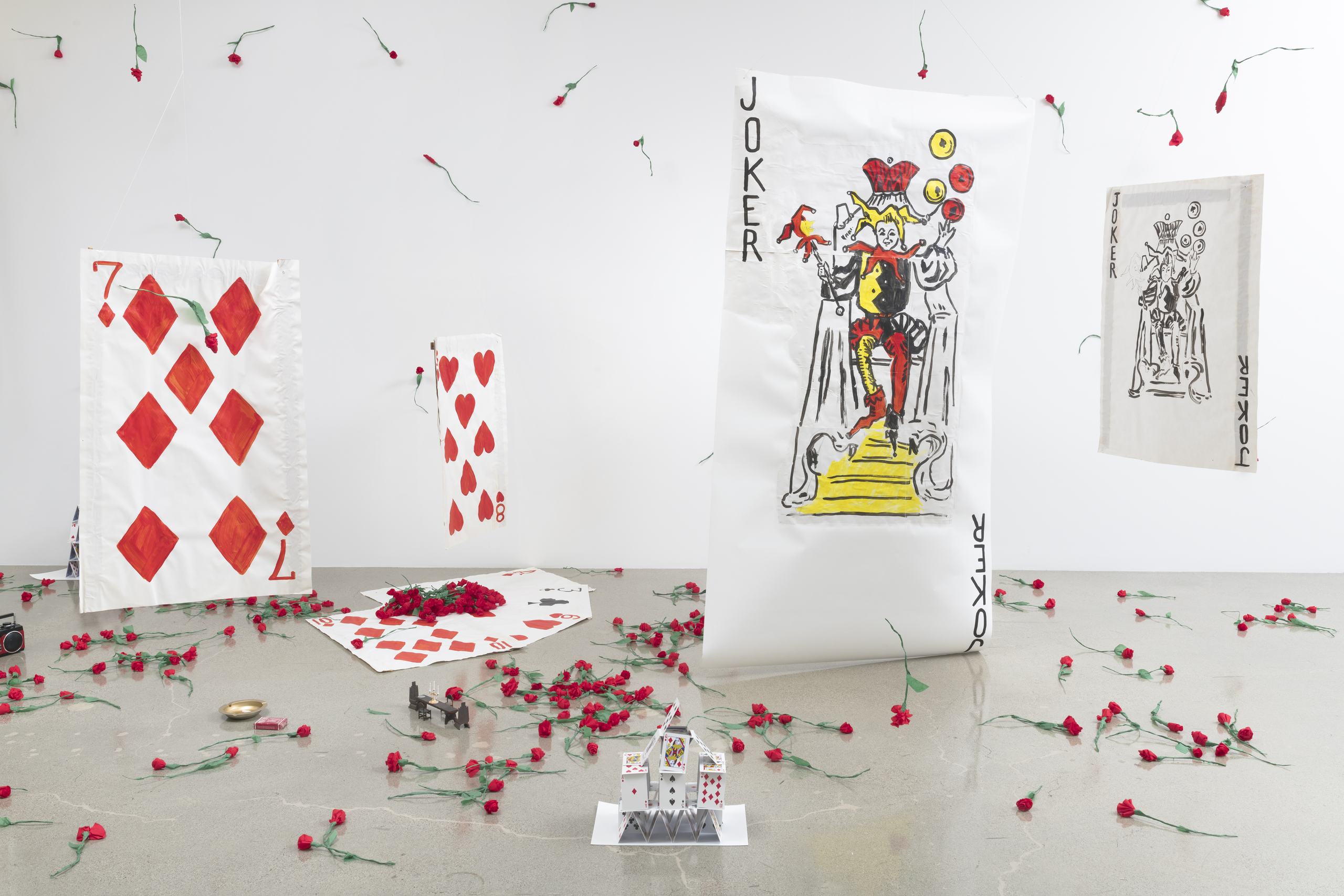
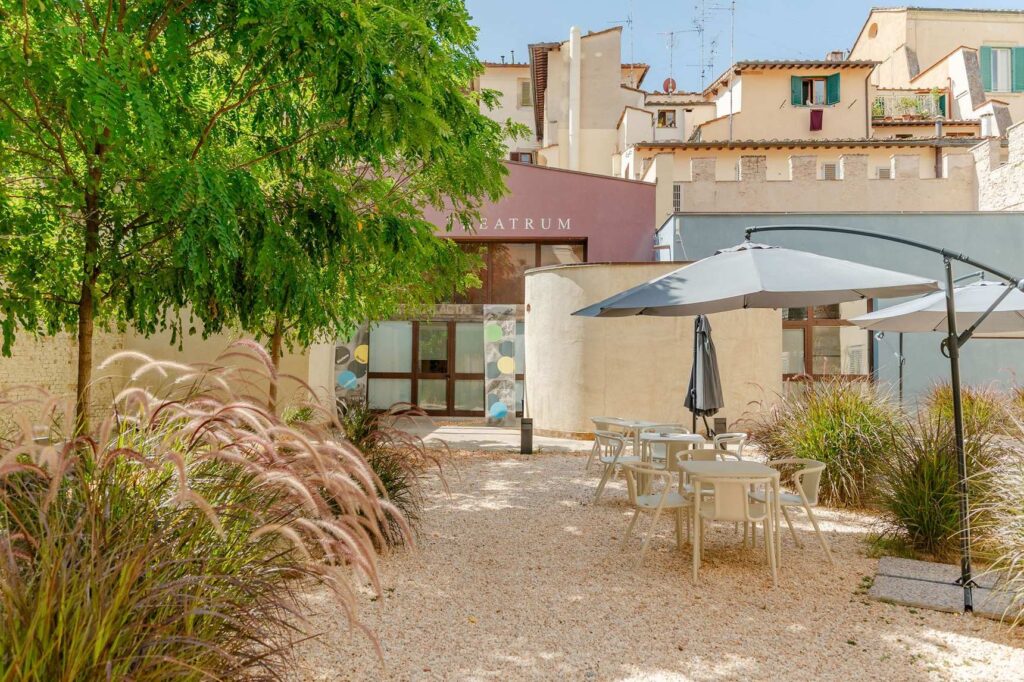
“Our collaboration with Fondazione Palazzo Strozzi is especially significant in this respect. Since 2020 the relationship between the two institutions has explored and produced a range of curatorial and exhibition formats that have given students ever-new challenges to take on. This year we are working on an exhibition and performance project with the artist Benni Bosetto, The Ballad of the Blue Kind, which opens on October 21, 2026 and will involve both the Strozzina at Palazzo Strozzi and our exhibition venue in the former Teatro dell’Oriuolo.
“That’s a fundamental difference from an academic exercise: a real exhibition means many stakeholders, timelines, budgets, technical constraints, communication needs, and responsibilities. It means learning that curating isn’t only theoretical work, but also the ability to negotiate and to create the conditions for an idea to become an experience.”
Museum Education: Interpreting, Mediating, Engaging
The third program, Museum Education, introduces yet another dimension: the relationship with audiences.
“Yes. Museum Education starts from the awareness that a museum is not just a place of conservation, but a space for producing knowledge, participation, and relationships.
“The program trains professionals specializing in interpretation, mediation, and museum engagement, able to design educational programs and communication tools for different audiences. The coursework covers Museum Studies, exhibition history, and display methods, but also storytelling, digital technologies, workshop design, collection mediation, and accessibility.
“The central question is: how can we create the conditions for people with different experiences, skills, and ways of learning to connect with a work, a collection, or a place?
“That’s why museum education isn’t simply a teaching apparatus added on to an exhibition. It’s a genuine practice of interpretation and experience design.”
What tools do students use to put this practice to work?
“The tools vary widely: from designing mediation pathways to workshops, from visual and digital storytelling to podcasts, all the way to building participatory formats.
“One example is the project developed around the Sant’Orsola complex in Florence, where students worked, through the podcast Dominae, on the memory and historical layers of a site that is undergoing a profound transformation and will become home to a major museum complex. It’s an interesting case because it shows how mediation can become a form of storytelling that gives a site back its complexity and builds a relationship with the public even before it fully opens.”
Three Programs, One Ecosystem
So the distinction between the three programs doesn’t mean separation.
“Exactly. The real strength is the chance to bring different skills into dialogue.
“A complex cultural project needs people who can build the curatorial vision, people who can organize and produce the project, and people who can think about the ways that project connects with its audiences.
“That’s why I see the three programs as parts of a single ecosystem. Arts Management works on the conditions of production; Curatorial Practice on research, interpretation, and building content; Museum Education on relationships, mediation, and participation.
“These skills naturally meet and cross-pollinate. That’s also what we try to create within IED: an environment where the different professions aren’t sealed-off compartments, but can work together to build cultural projects.”
Who Are the Students Choosing These Programs?
What kinds of students come to IED Firenze?
“Their backgrounds are very different, and that diversity is one of the great assets of the programs.
“In Arts Management we meet both people coming from economics and management, who want to bring their skills into the cultural sector, and students with an arts or humanities background who want to gain management and production tools.
“Curatorial Practice, on the other hand, brings together art historians, artists, anthropologists, cultural professionals, and people from interdisciplinary paths, united by an interest in research and in building curatorial projects.
“Museum Education students come mostly from the humanities and cultural fields, and they want to understand how to turn knowledge and content into experiences that are accessible, inclusive, and meaningful for different audiences.
“Across all three programs, the international makeup of the class also matters a great deal. The exchange between different cultural experiences lets us constantly question what we take for granted and look at the art world from different perspectives.”
Training Professionals, Not Just Specialists
What does it mean, today, to train an art professional?
“First of all it means providing tools, but also building critical thinking and an independent position.
“The contemporary art world is extremely complex and calls for a range of skills: knowledge of history and theory, project design ability, management tools, communication skills, sensitivity toward audiences, and the ability to work as a team.
“That’s why in the programs we try to hold together research and practice, thinking and making, individual and collective work.
“The aim isn’t to train people who apply a ready-made model, but professionals able to read the changes in the cultural system and act within it with awareness.
“That’s also why the final project plays a central role: it isn’t simply the end of the program, but the moment when students are asked to put their own vision to the test, turning it into a concrete project and facing the real conditions of cultural production.”
Florence as a Laboratory
Finally, how much does the Florentine context matter?
“A great deal. Florence makes it possible to work on historical heritage and contemporary art practices at the same time. It’s a city where museums, foundations, independent spaces, public institutions, and private organizations form a very rich and layered ecosystem.
“So the value of studying here lies not only in the sheer amount of heritage on hand, but in the chance to observe how a historic city can keep producing contemporary culture.
“It’s precisely this tension between heritage and the contemporary that interests us: not treating Florence as a backdrop, but as a true laboratory for research and cultural production.
“In this sense, the three programs share the same idea of education: learning to read the context, spot possibilities, build relationships, and turn research into a project that can truly make its way into the world.”
Photos courtesy of IED Firenze