Broken at Palazzo Strozzi: The Exhibition on the Power of the Fragment, Where What Remains Becomes Art
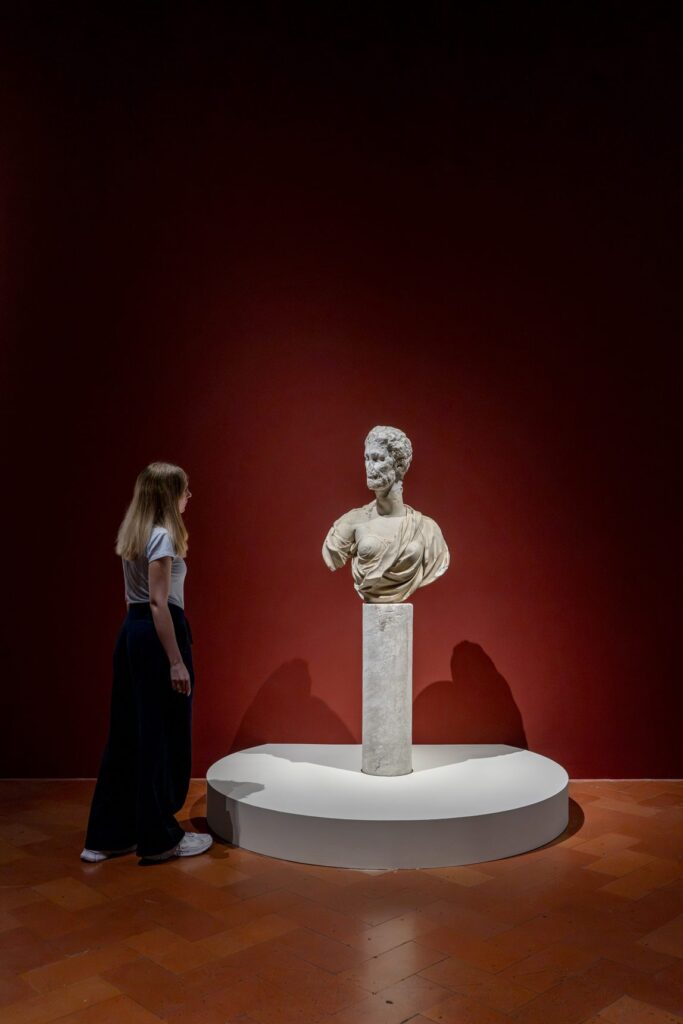
From September 25, 2026, to January 24, 2027, Palazzo Strozzi presents Broken. The Power of the Fragment, a major exhibition organized with the National Gallery of Art in Washington and devoted to the role of the fragment in the history of sculpture, from antiquity to contemporary art. The show brings together more than eighty works from different eras, cultures and parts of the world, with loans from leading international institutions such as the Metropolitan Museum in New York, the Louvre in Paris, the British Museum in London and the Museo Nacional de Antropología in Mexico City.
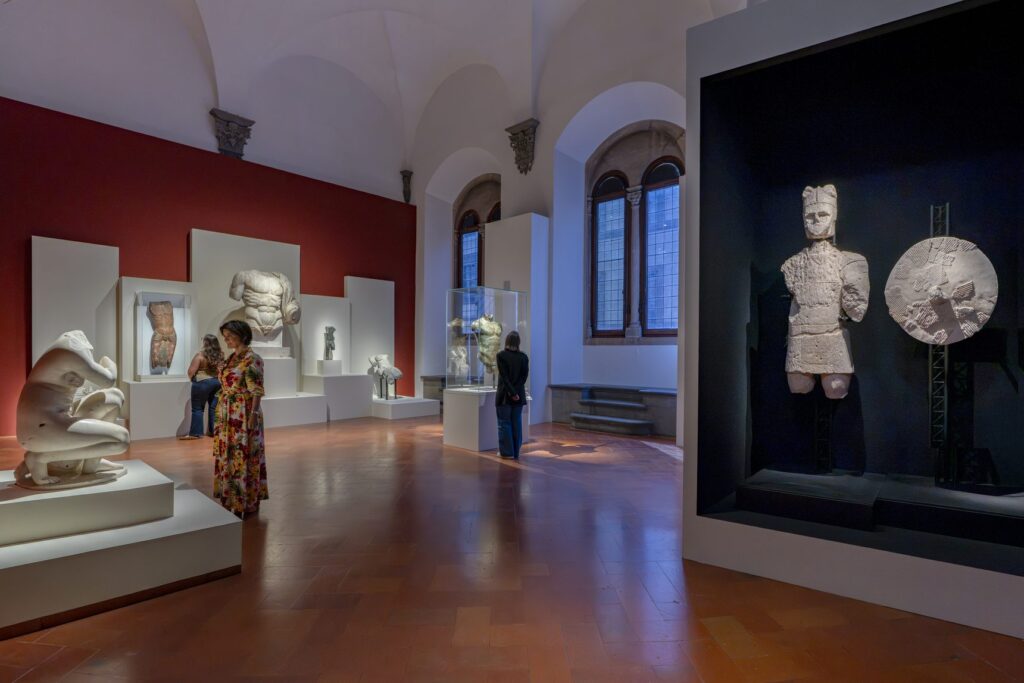
But what makes an incomplete sculpture so compelling? Why do a head separated from its body, a hand or a mutilated torso still hold such power over our gaze?
These are the very questions that shape the route through Broken. The exhibition invites us to see the fragment not simply as what is left after destruction, but as an object able to tell its own past. Time, wars, natural disasters, iconoclasm, religious and political upheaval, colonialism, and also restorations and the choices of artists themselves have turned works that were once whole into something different. And that very incompleteness can become a new form of expression.
From antiquity to the present day
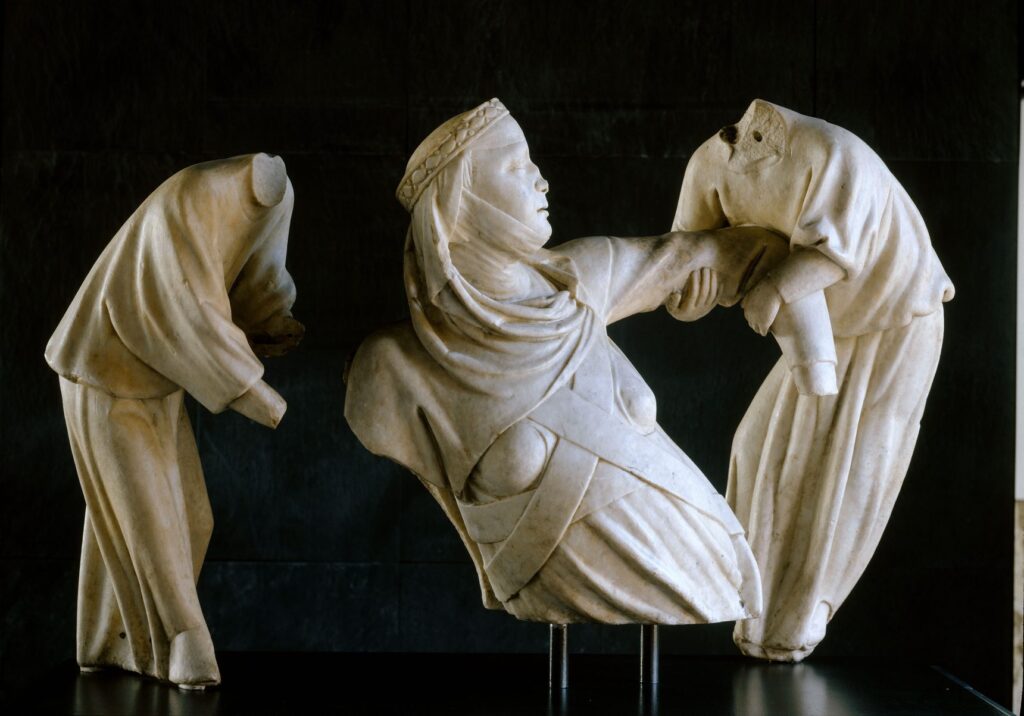
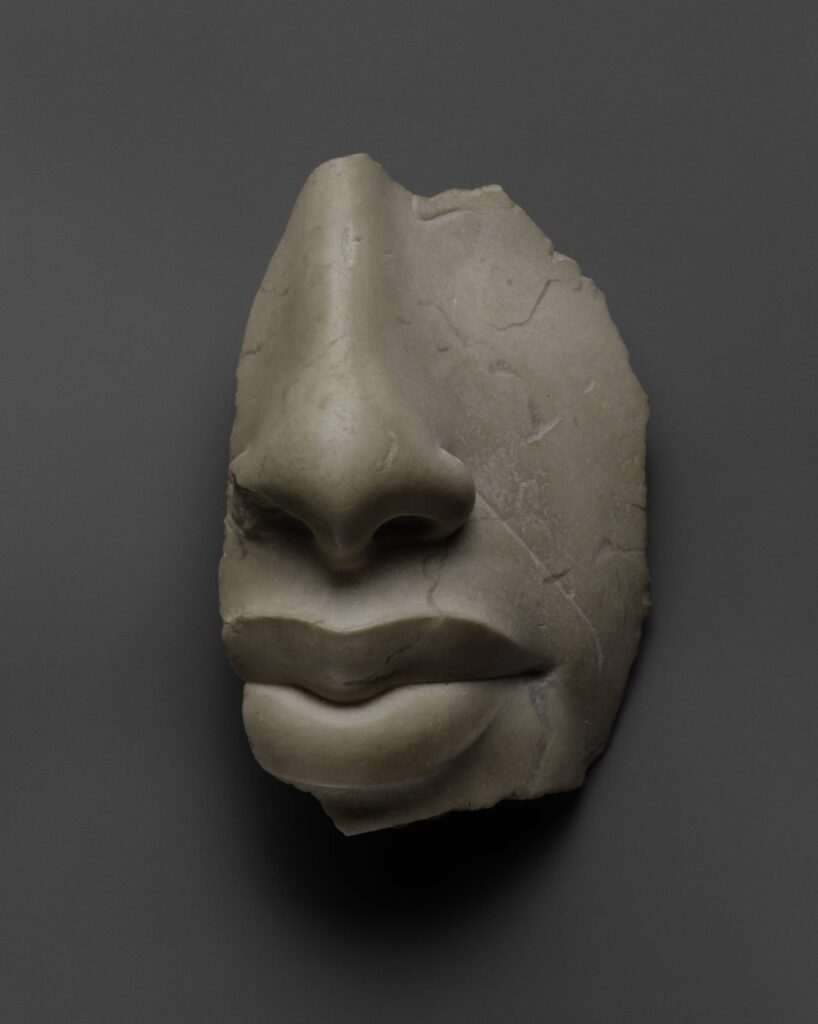
The journey begins with faces, where fragments from cultures far removed from one another are placed in dialogue. Among the works on view are the fragments of Giovanni Pisano‘s funerary monument to Margaret of Brabant, the Volto di Sesostri III (Face of Senusret III), the fragment with the nose and lips of Akhenaten and a head of the Bodhisattva Avalokiteshvara. Cut off from the works they once belonged to, these faces draw attention precisely to the marks left by time and history.
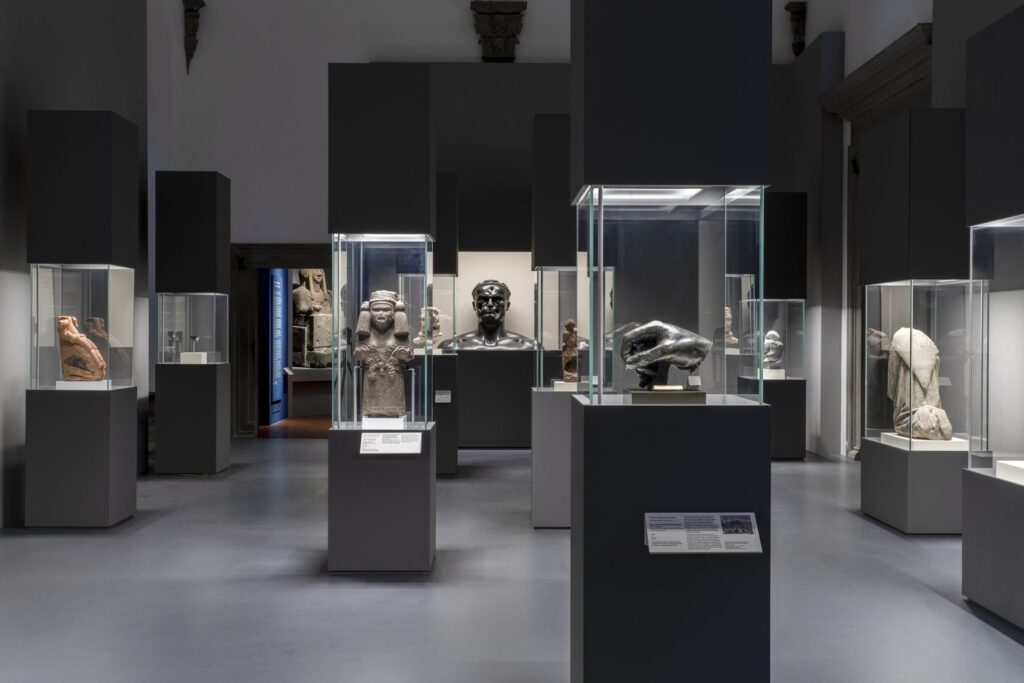
The route continues with bodies, showing how a figure missing some of its parts can still hold on to the movement, gesture and vitality of the original work. Examples include the Guerriero con scudo di Mont’e Prama (Warrior with Shield from Mont’e Prama), the Torso di Livorno (Livorno Torso) and the Donna scarificata (Scarified Woman) from Tamtoc, in Mexico. In these cases, fragmentation does not erase the figure entirely: often it focuses our attention on what is still there.
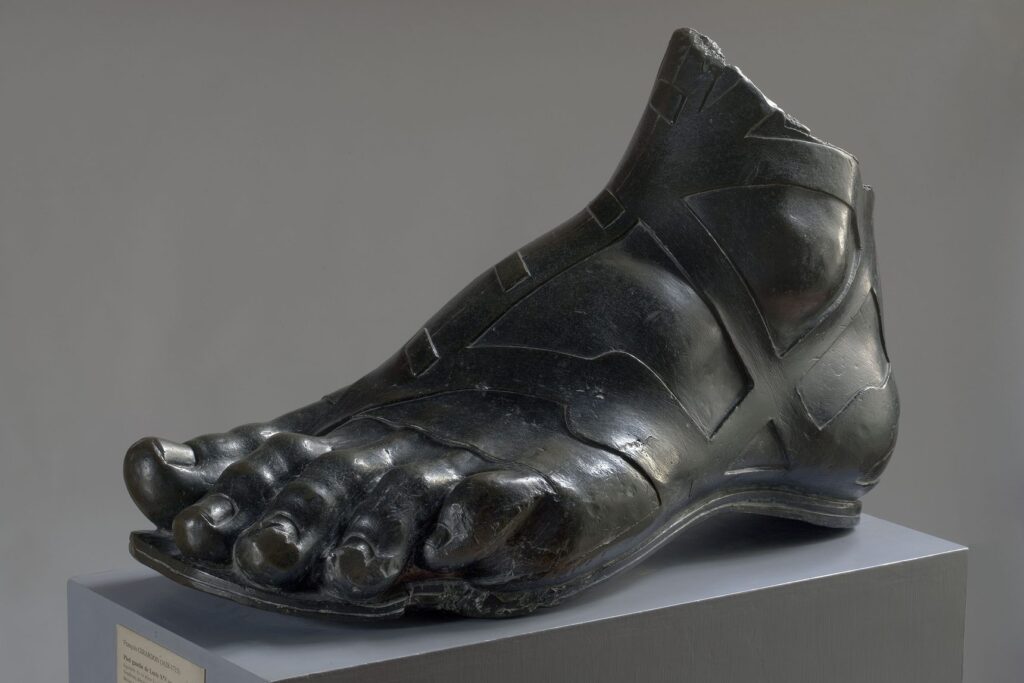
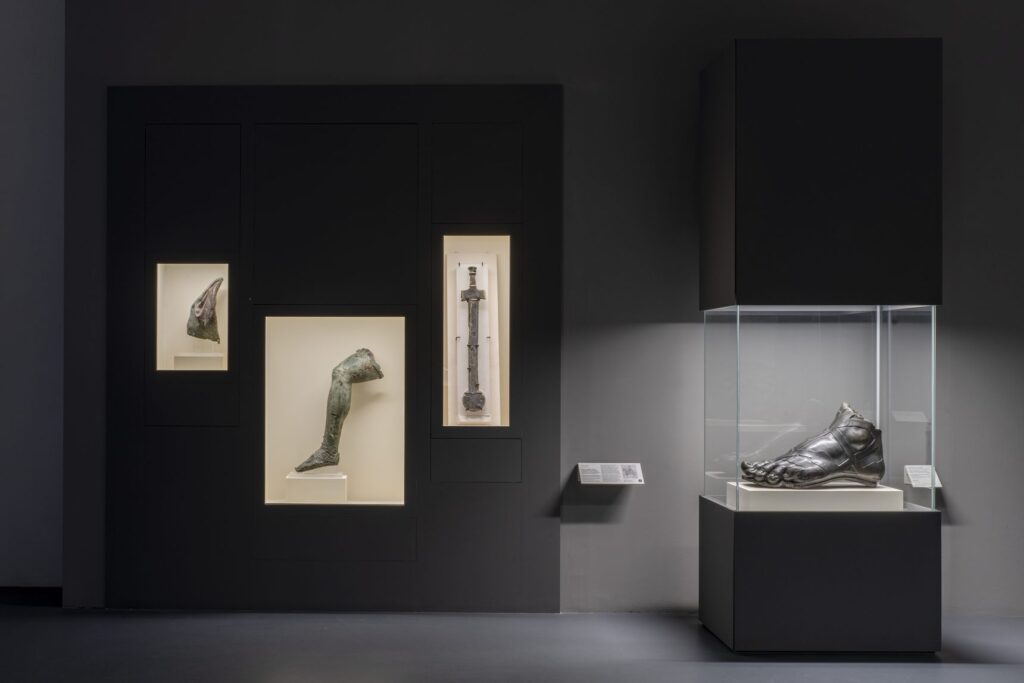
One of the central themes of the exhibition is iconoclasm, the deliberate destruction of images and monuments for political or religious reasons. Fragments of equestrian monuments from ancient Greece and of the statues of Louis XIV and Louis XV destroyed during the French Revolution show how sculpture can become a symbol of power and, for that very reason, a target for those who reject it.
The wounds of history
Another section looks at the consequences of war and colonialism. Bombings, fires and looting have damaged works across the centuries, leaving the scars of conflict on their materials. Among them are the plaster heads by Antonio Canova, hit during the bombings of World War I, and the Pietà di Praga (Prague Pietà), of which only the heads of Christ and the Virgin survive.
The exhibition also leads visitors to question how artworks have traveled through history and what colonial appropriation has left behind. The Testa di Budda (Head of Buddha) from Borobudur and the Statua di Rama (Statue of Rama), taken from a Khmer temple and later sold on the international art market, become examples through which to reflect on today’s debate over the restitution of cultural heritage.
When nature reshapes the work
Not every fracture is man-made. The exhibition devotes a section to natural forces, showing how water, wind, sand, earthquakes, eruptions and floods can alter a sculpture, slowly or all at once.
One example closely tied to Florence’s own history is the Cristo portacroce (Christ Carrying the Cross) at the Museo di San Marco, which still bears the marks of the flood of November 4, 1966. Another is the Ragazzo accovacciato (Crouching Boy), recovered from the Antikythera shipwreck: the part of the marble sheltered by the sand survived, while the part exposed to the water and to marine organisms was deeply corroded.
From fragment to new creation
One of the most intriguing aspects of Broken is the moment when the fragment stops being seen simply as a lost part and becomes the raw material for a new work.
That is the case with The Swan by Francesco Vezzoli, who sets ancient fragments within a new composition, but also with contemporary artists such as Danh Vo, who uses sculptural fragments, photographs, documents and objects from different periods to reflect on memory, identity and cultural heritage.
In Vo’s practice, the fragment also becomes a way to tell stories of uprooting and displacement. In the series meat cables, fragments of ancient sculptures are paired with contemporary materials, linking the circulation of artworks to the movement of people and to stories of migration and appropriation.
Michelangelo, Rodin and the power of the unfinished
The exhibition then reaches a turning point in the history of sculpture: the moment when the artist deliberately chooses the fragment as a language.
Michelangelo is a pivotal figure in this shift. His Bozzetto di nudo femminile (Sketch of a Female Nude), on view in the exhibition, was conceived to look like an incomplete figure. The work marks an important step: the fragment is no longer necessarily the result of a loss, but can be conceived from the outset as a finished work.

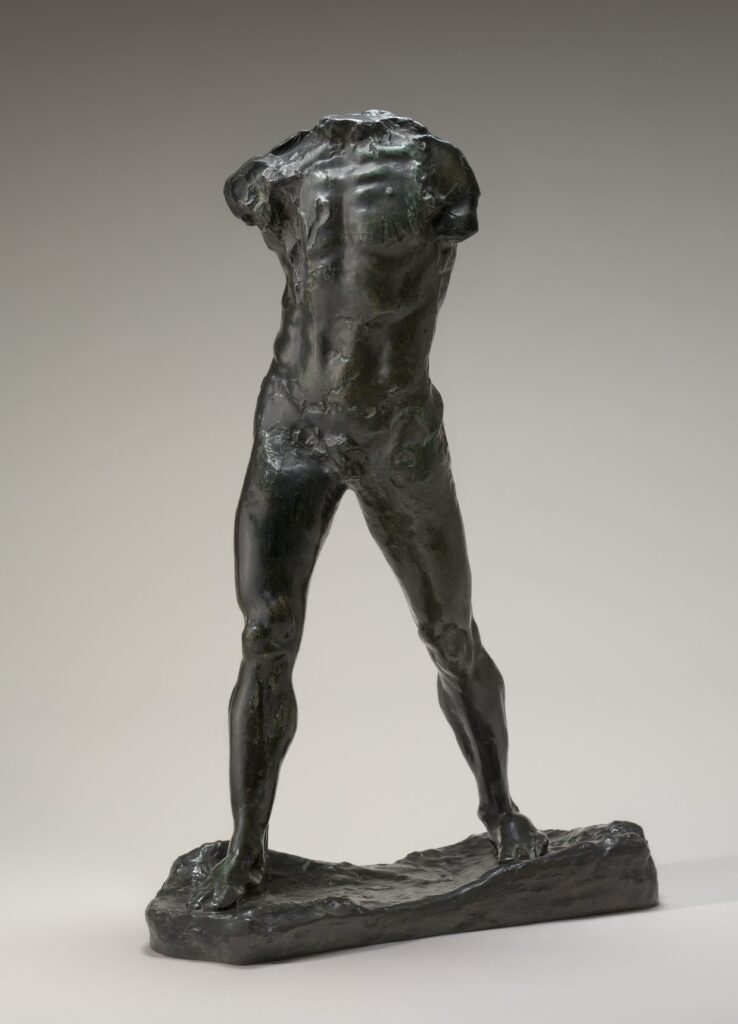
This exploration continues in the 19th century with Auguste Rodin, who places the partial figure at the heart of his work. In L’Homme qui marche, the body without head or arms focuses attention on the movement and energy of the figure. The fragment thus becomes a tool for isolating and recombining the parts of the body.
In the 20th century and in contemporary art, this possibility is pushed further by artists such as Louise Bourgeois, Alina Szapocznikow, Huma Bhabha, Robert Gober, Paul Pfeiffer and Julius von Bismarck, who use fragmentation to speak about the body, memory, loss, war, identity and power.
A fragment of the present
The reflection extends all the way to contemporary culture and the imagery of celebrity with Paul Pfeiffer. In the series Incarnator, the artist uses the face of Justin Bieber as the subject of separately made sculptures, turning a pop culture figure into a kind of contemporary relic. Each part of the body remains autonomous and is never reassembled: fragmentation becomes a way to reflect on the cult of images and on how celebrities are turned into global icons.
Completing the route, in the Renaissance Courtyard of Palazzo Strozzi, is Silent Studio (Reduced to 88%) by Mark Manders, a new installation the artist conceived as a “temporary open-air studio.”
Broken. The Power of the Fragment thus offers a perspective that spans millennia without simply recounting what has been lost. Through more than eighty works, the exhibition looks at what remains, what is transformed and what can be born from a fracture. The fragment becomes a lens through which to read the history of art, but also memory, destruction and art’s capacity to take on new meanings over time.