The Florentine New Year: The March 25 Tradition That Tells the City’s Story
Today this anniversary is known as the Florentine New Year (Capodanno Fiorentino), and it is still celebrated every year with events, historical reenactments and initiatives spread across the city.
Why the Florentine New Year falls on March 25
The choice of March 25 is no accident.
According to Christian tradition, it is the day the Archangel Gabriel announced to Mary the birth of Jesus. For that reason, in many Italian cities — and in Florence in particular — this date was considered the beginning of the civil year.
Florence kept the custom until 1750, when Grand Duke Francis Stephen of Lorraine decided to bring the Florentine calendar into line with the rest of Europe, officially moving New Year’s to January 1.
Despite the change, the March 25 tradition never disappeared entirely. Over time it was revived and cherished as part of the city’s cultural heritage.
How the Florentine New Year is celebrated today
Today the Florentine New Year has become a fixture on the city’s calendar.
Every year, on March 25, Florence stages a series of events that weave together history, tradition and the present day. Among the most recognizable moments are:
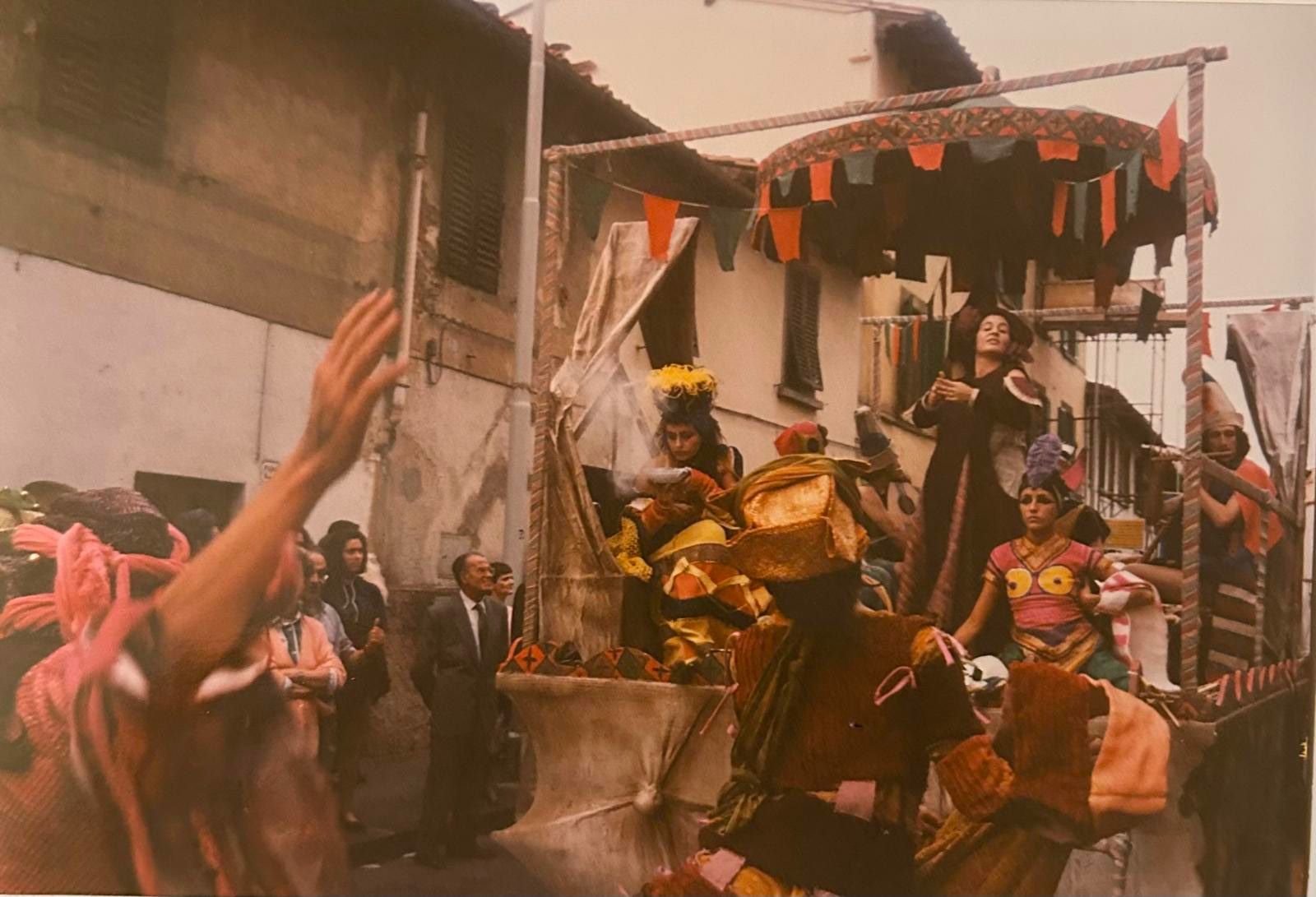
- the historical procession with costumed figures
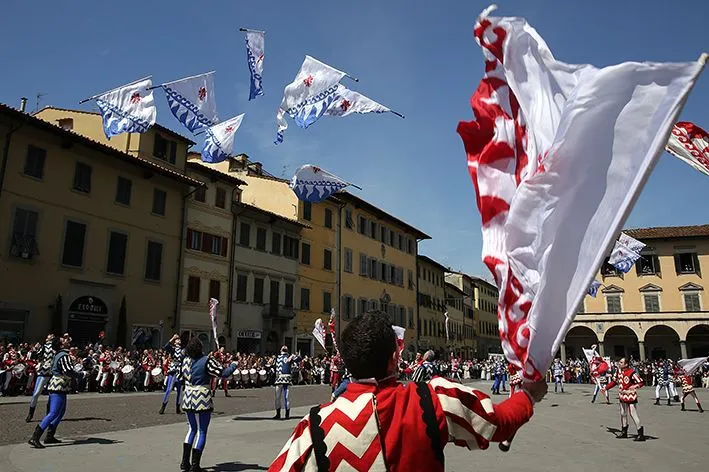
- performances by traditional groups, including the flag-throwers (sbandieratori)
- initiatives spread across the city’s different neighborhoods
- cultural events, exhibitions and performances
One of the day’s symbols is the procession that crosses the historic center to the Basilica della Santissima Annunziata, a place closely bound to the celebration.
A tradition that keeps evolving
The Florentine New Year is not only a historical reenactment.
Over the years it has also become an occasion to try out new languages, setting contemporary initiatives — involving cultural institutions, schools and creative studios — alongside the traditional celebrations.
That makes March 25 a distinctive moment: the city celebrates its own history while, at the same time, opening space for fresh interpretations and collaborations.
Between tradition and new languages
It is in exactly this spirit that some of the more recent activities take shape, bringing historical heritage into dialogue with contemporary design and creativity.
One example is the collaboration between IED Firenze and the Bandierai degli Uffizi, created for the Florentine New Year celebrations, in which the traditional gesture of the flag-throwers meets a project developed by design students.
Cover photo courtesy of sbandieratori.it.