Giotto Was Banksy’s Grandfather: 60,000 Years of Street Art at the Mo.C.A.
Leaving a mark is one of the oldest and deepest gestures of the human experience — an act that runs through history and turns space into story. That long history, made of traces, writings and images in public space, is at the heart of Giotto Was Banksy’s Grandfather: We Are Here to Leave a Mark.
FUL Magazine was in Montecatini Terme for the press preview of a major exhibition that traces the birth and growth of urban art, from its prehistoric origins to the leading figures of the international scene.
On view at the Mo.C.A. — Montecatini Terme Contemporary Art from June 29, 2026 to May 2, 2027, the show is curated by Bruno Ialuna (former Councillor for Culture and, for FUL, author of the afterword to our volume Firenze Street Art) and unfolds as an immersive journey across more than 60,000 years, setting the earliest forms of human expression alongside the visual languages that inhabit cities across the globe today. Giotto Was Banksy’s Grandfather is a project by Mare — Laboratorio di Innovazione Sociale, under the patronage of the Province of Pistoia.
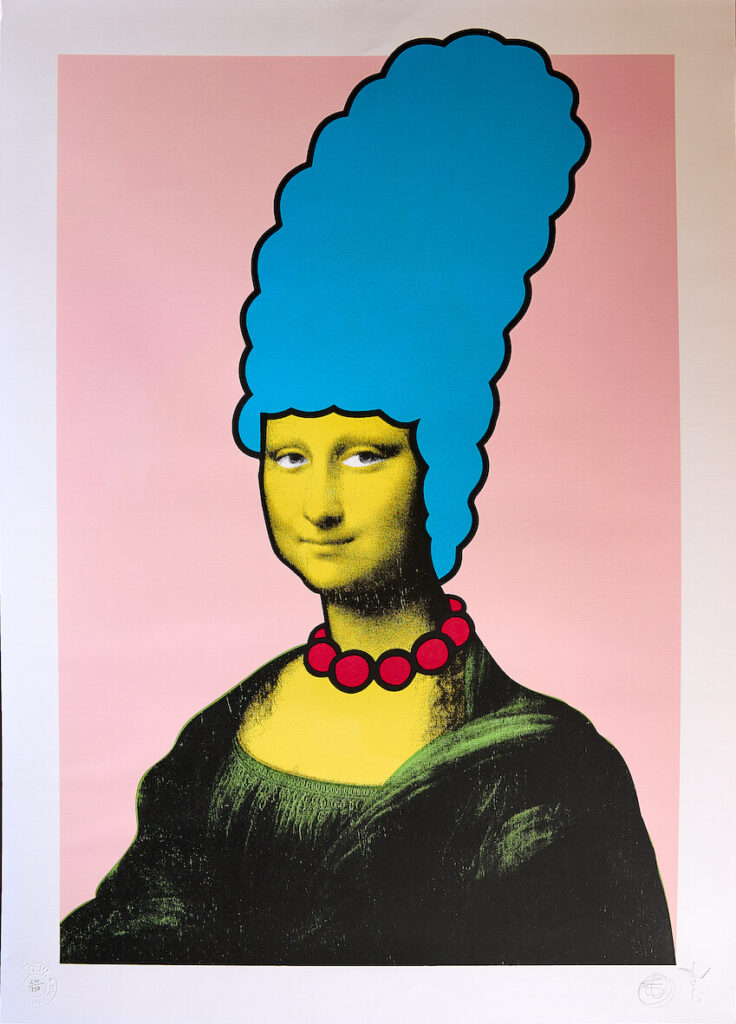
The path begins from a simple, universal observation: public art was not born in the twentieth century, but reaches down into an ancestral need. From cave paintings to the rock engravings of Val Camonica, from the graffiti of Pompeii to the writing on the walls of today’s metropolises, leaving a mark in shared space is a gesture that crosses eras, cultures and continents.
The exhibition’s title evokes an invisible thread running through the centuries: if Banksy today embodies street art around the world, Giotto already showed how an image could speak to everyone, turning walls and public spaces into instruments of collective communication.
The show unfolds across several sections, built as narrative environments that convey the contexts, atmospheres and transformations of the urban language.
The core of the journey is devoted to the birth of writing in the New York of the 1960s, ’70s and ’80s, with testimony from pioneers TAKI 183, Jec*, Sjk 171, Mike 171, Riff 170, Snake 1, Stay High 149, Coco 144, through to essential figures like Quik, Iz The Wiz, Lady Pink, Toxic, Delta 2, Sar and Zephyr. An immersive set design by papier-mâché master Jacopo Allegrucci reconstructs the visual impact of the New York subway, giving visitors the original context of this artistic revolution.
The path then widens to the international dimension of the phenomenon, through artists who, from the postwar years on, developed urban languages in different contexts: from Cornbread to Blek le Rat, from Harald Naegeli to Hector Carrasco to Mick La Rock — a dialogue among experiences born in Philadelphia, Paris, Zurich, Santiago de Chile and Amsterdam.
A specific focus is given to the Bristol scene, with figures such as Robert Del Naja and Nick Walker, up to the rise of Banksy, who helped redefine the role and public perception of street art in Europe.
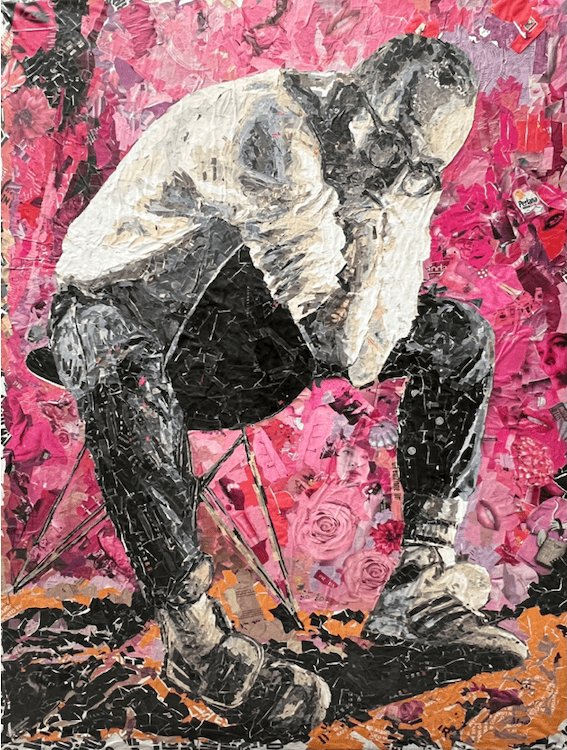
A central section recounts the decisive turn of the 1980s, when urban art entered the institutional circuits, winning over galleries and museums. Artworks, photographs, rare materials and original documents bear witness to that period and to the birth of Harlem’s Graffiti Hall of Fame and the historic 51X Gallery on St. Marks Place.
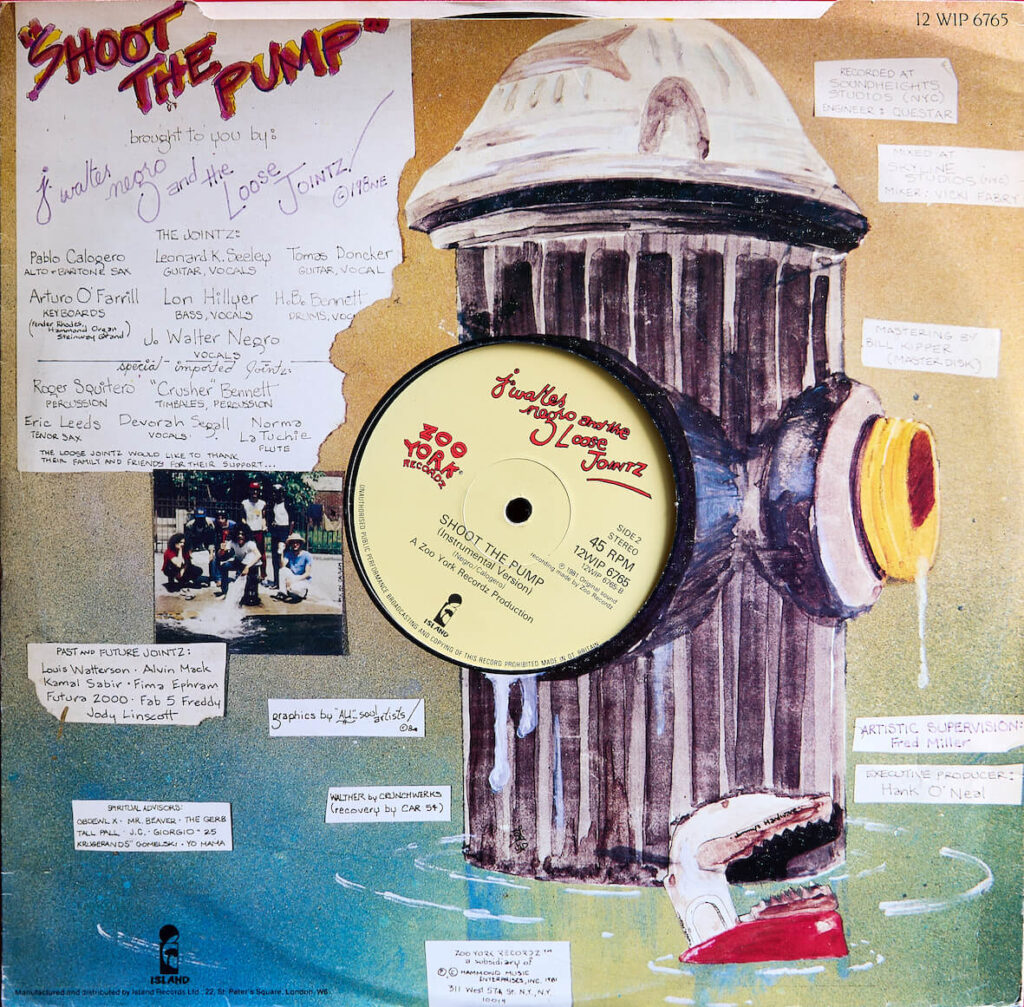
The exhibition also gives ample space to the connections between urban art, music and cinema, with references to the cult films Wild Style and Style Wars, and to materials tied to hip-hop culture — vinyl records, photographs and period testimony.
The path closes with a section on the Italian scene, from the pioneers of the 1980s to the contemporary artists most recognized internationally. Among them Flycat, Francesco Garbelli, Alice Pasquini, Maupal, Diavù and Blub, alongside major names from the world scene, with works arriving from all five continents.
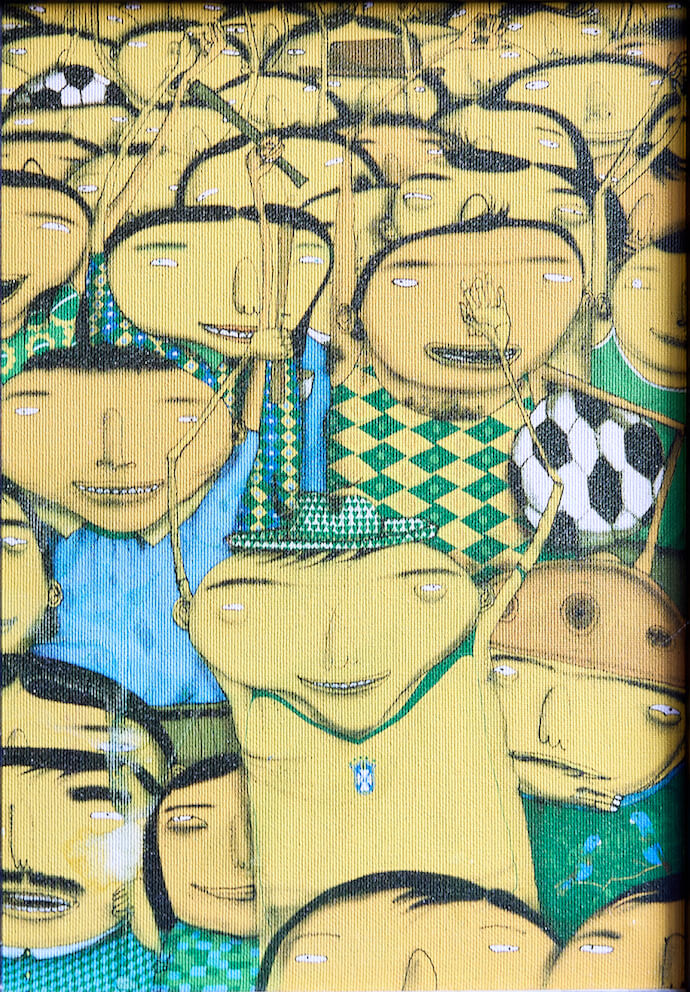
Giotto Was Banksy’s Grandfather stands, then, not only as a sweeping historical survey but as a reflection on the relationship between the individual and public space, between personal expression and the collective dimension — restoring to urban art its cultural depth and its continuity over time.
Information
Giotto Was Banksy’s Grandfather — We Are Here to Leave a Mark
Mo.C.A. (Montecatini Terme Contemporary Art)
Viale Giuseppe Verdi 46, Montecatini Terme (PT)
June 29, 2026 – May 2, 2027
Hours: Tuesday to Friday, 10:00 a.m. – 12:00 p.m.; Saturday, Sunday and holidays, 10:30 a.m. – 12:30 p.m. and 4:00 – 7:00 p.m. Closed Mondays. Free admission.