From Florence’s kitchens to La Sosta in Pisa: the story of Prato-born chef Lorenzo Barsotti
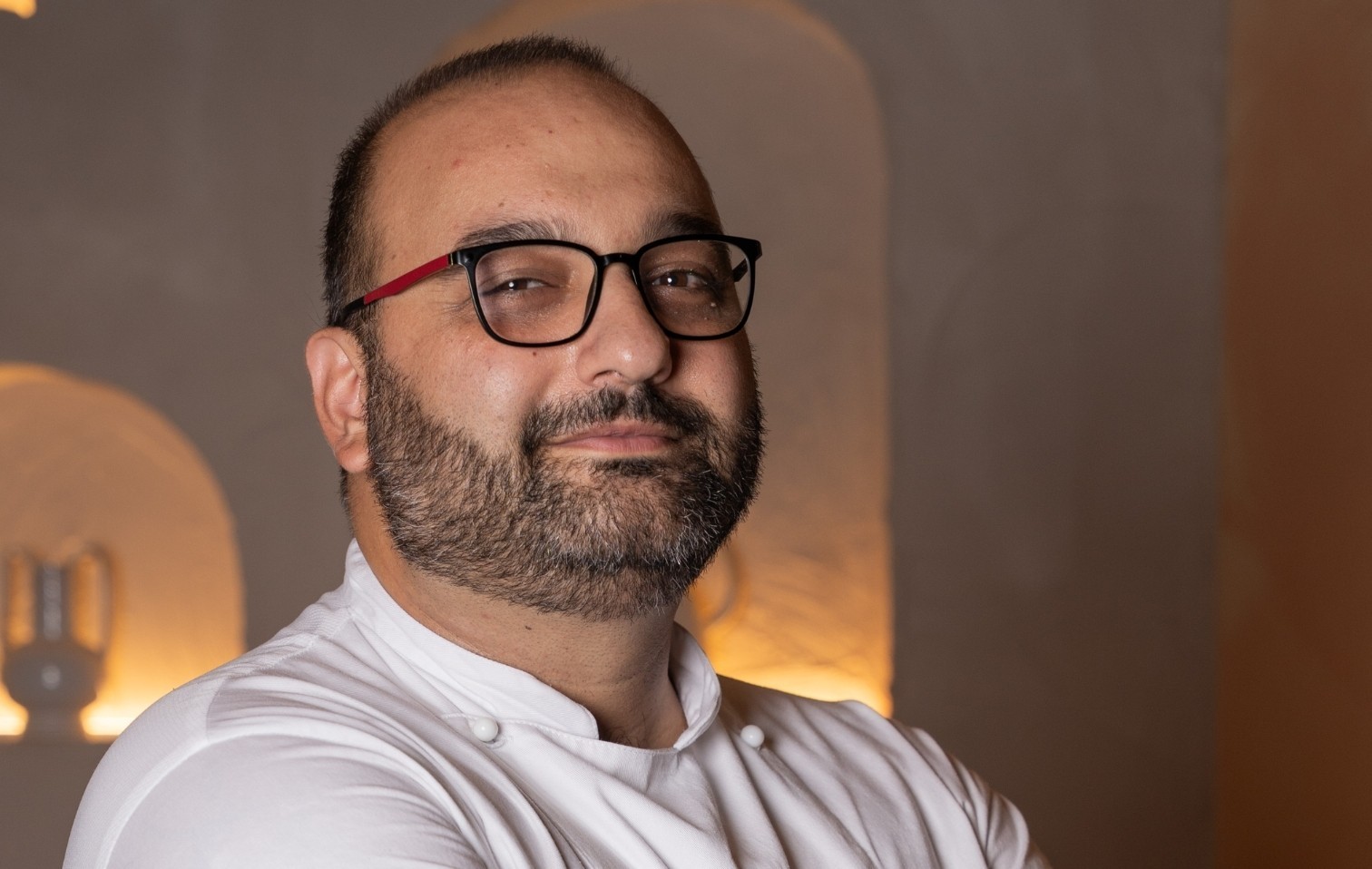
The career of Lorenzo Barsotti, born in Prato in 1983, is made of encounters, departures and places that helped shape his idea of gastronomy, until he found a dimension all his own in Pisa. His “sosta” — Italian for a stop along the way — is anything but a break: it is the point where very different experiences began to talk to each other, giving shape to a personal cuisine built on research, memory and respect for the raw ingredients. Since November 2019 he has been at the helm of La Sosta, a restaurant a short walk from the Leaning Tower, where the journey continues through his relationships with producers and a drive to give real value to what reaches the table. With actions, not just words.
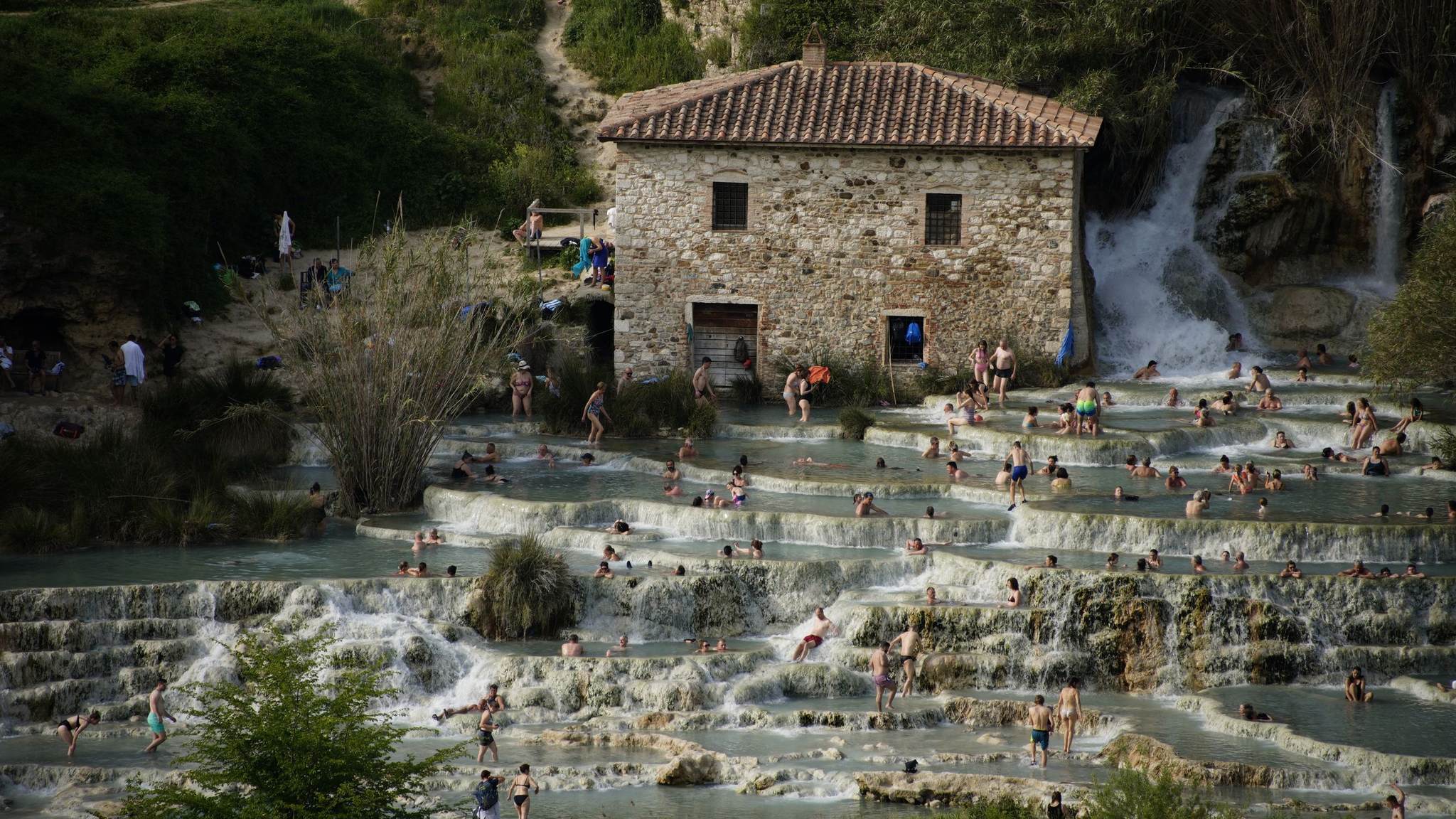
The first chapter of his story takes place in Florence, where Barsotti attended the Istituto Alberghiero Aurelio Saffi, the city’s hospitality and culinary school, and took his first professional steps in the kitchens of the Grand Hotel Minerva and the Grand Hotel Villa Cora. The passion, though, was born even earlier, at home, helping his mother make desserts. It is a memory that brings the craft back to its most intimate dimension, when cooking is first and foremost a shared gesture, something you learn by watching and doing. After culinary school came new experiences, including the Hotel Terme di Saturnia and the Locanda dell’Angelo “Paracucchi” in Ameglia, where he became head chef.
An equally important chapter took him to Girona, in Spain, to the kitchens of El Celler de Can Roca, a three-Michelin-star restaurant where he measured himself against gastronomy at the very highest level. Between 2008 and 2009, that experience opened up new perspectives for him, not only on technique and the organization of the work, but also on how to understand the profession itself. What Barsotti remembers above all is the attention paid to people, seen as whole human beings, and the value placed on teaching and collaboration within the brigade.
In 2010, together with his brother Francesco, he opened the Trattoria Enoteca Barsotti in Marzabotto. Other stops followed across Tuscany, Emilia-Romagna and Liguria, up to the Pesce Briaco project, just outside Lucca, alongside his friend and fellow chef Maurizio Marsili. Different experiences, each with something to leave behind, that helped define a culinary vision destined to find its own space for expression in Pisa.
There is, however, a thread that predates all of these experiences and still runs through the chef’s cooking today: his bond with the land. His grandparents worked the Tuscan countryside for large landowning families, and Barsotti spent years growing up on a farm, where the vegetable garden was part of daily life. When he was out of school, that is where his time went, watching the rhythms of nature and learning that not everything is always available, that every season has its own timing, and that working the land deserves respect. It is a bond that did not end with childhood, and today it comes back in his menus and in the way he looks at ingredients. For Barsotti, vegetables are not a mere side: they are a living material, able to tell the story of a territory and of the work of those who grow it.
A stop along the way, twenty-four seats and a cuisine of research
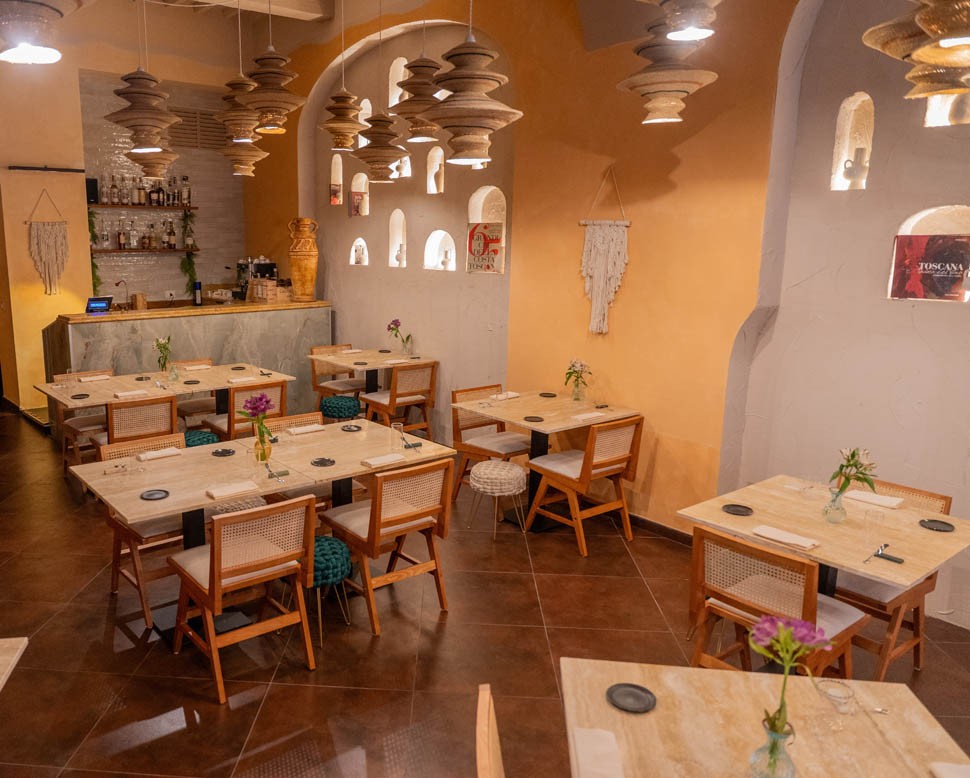
La Sosta is an intimate restaurant, with twenty-four seats and an atmosphere that is refined but relaxed. The interiors were thoroughly renovated in the summer of 2026, as part of a redevelopment that reshaped both the spaces and the guest experience without changing the identity of the project. Barsotti likes to call the restaurant a “piccola bottega”, a small workshop: an expression that captures the size of the place and, above all, the value of the relationships that keep it standing. Because behind a carefully chosen ingredient there is almost always someone who grows it, raises it, catches it or transforms it, putting into their work the same care the chef tries to bring back on the plate.
“A cook has to create culture,” says Barsotti. At La Sosta, that principle translates into a direct relationship with small producers and artisans, chosen over time. The search for raw ingredients does not stop at picking a product: it means knowing who makes it, understanding its characteristics and respecting its seasonality. Cooking thus also becomes a way of telling the story of the people behind the ingredients, giving space to work that often remains invisible to those who sit down at the table.
Vegetables play a central role and are explored through different preparations, fermentations, extractions and reductions, techniques that develop their qualities and amplify their character. The bond with the land, formed in childhood, is reflected in a cuisine that treats vegetables as a true platform for research. Alongside them come carefully selected meats from breeders the chef knows personally, and a seafood offering that looks beyond the most common species.
On the fish side, Barsotti is working to bring back varieties the market undervalues, often pushed aside in favor of a few high-demand species. It is a choice that looks to biodiversity and to the possibility of building a cuisine more faithful to what the sea actually offers, recovering ingredients that are also part of the region’s food culture. It is not just about seeking out different products, but about recognizing the value of what risks being forgotten, and giving it space again through the work in the kitchen. The same care guides the choice of suppliers, from farms to breeders, fishermen and artisans selected for the quality of their work and for sharing a common vision.
Tuscan tradition remains a point of reference, reinterpreted with a contemporary sensibility and careful presentation. This vision comes through in the restaurant’s three tasting menus: “Gli Iconici” (The Icons), “Rinascimento Vegetale” (Vegetable Renaissance) and “Rivoluzione Silenziosa” (Silent Revolution). Three different readings of Barsotti’s cooking, each telling a different side of his research: the dishes that have come to represent the restaurant, the world of vegetables, and the dialogue between sea, land and culinary memory. The menus are priced at €69 for the first and €60 for each of the other two.
“Gli Iconici”: the chef’s signature dishes
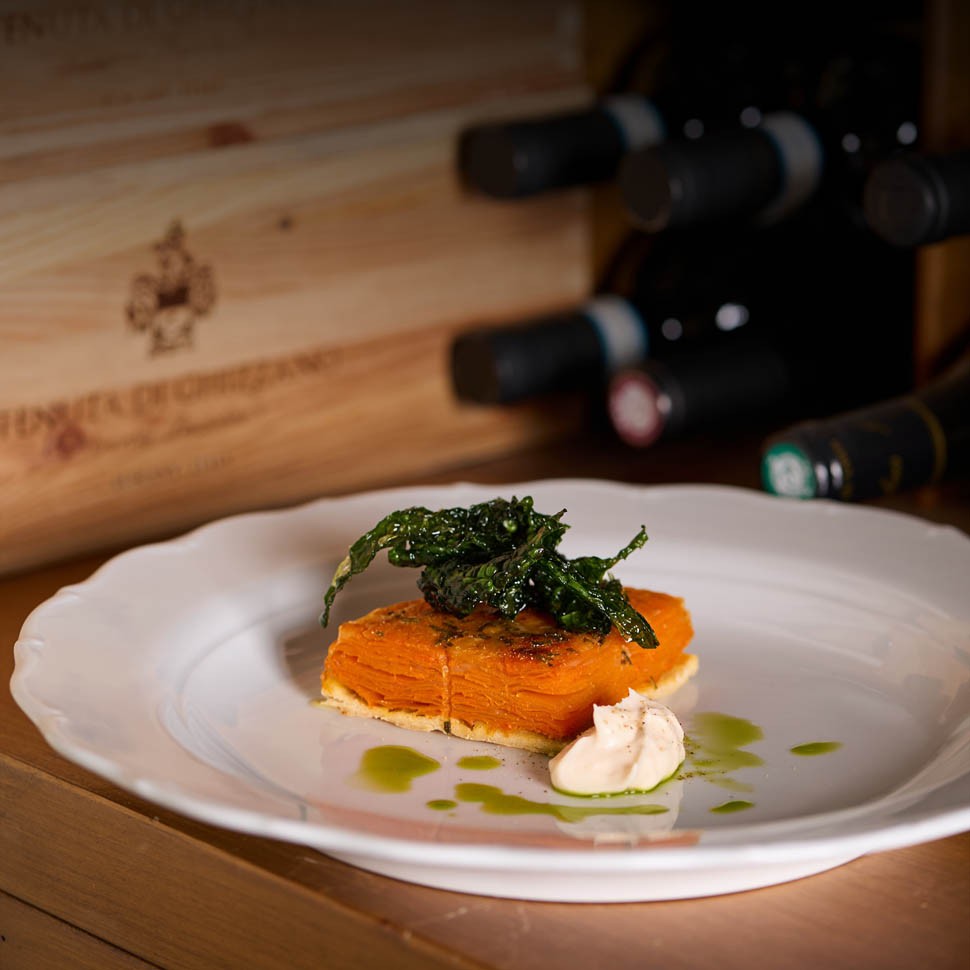
“Gli Iconici” brings together some of the dishes that best represent Barsotti’s cooking. It opens with “Zucca e frolla”, a pumpkin tartlet with beurre blanc and cavolo nero, where the sweetness of the squash meets more bitter, vegetal notes. A start that immediately sets delicacy and character in dialogue, without reaching for unnecessary effects.
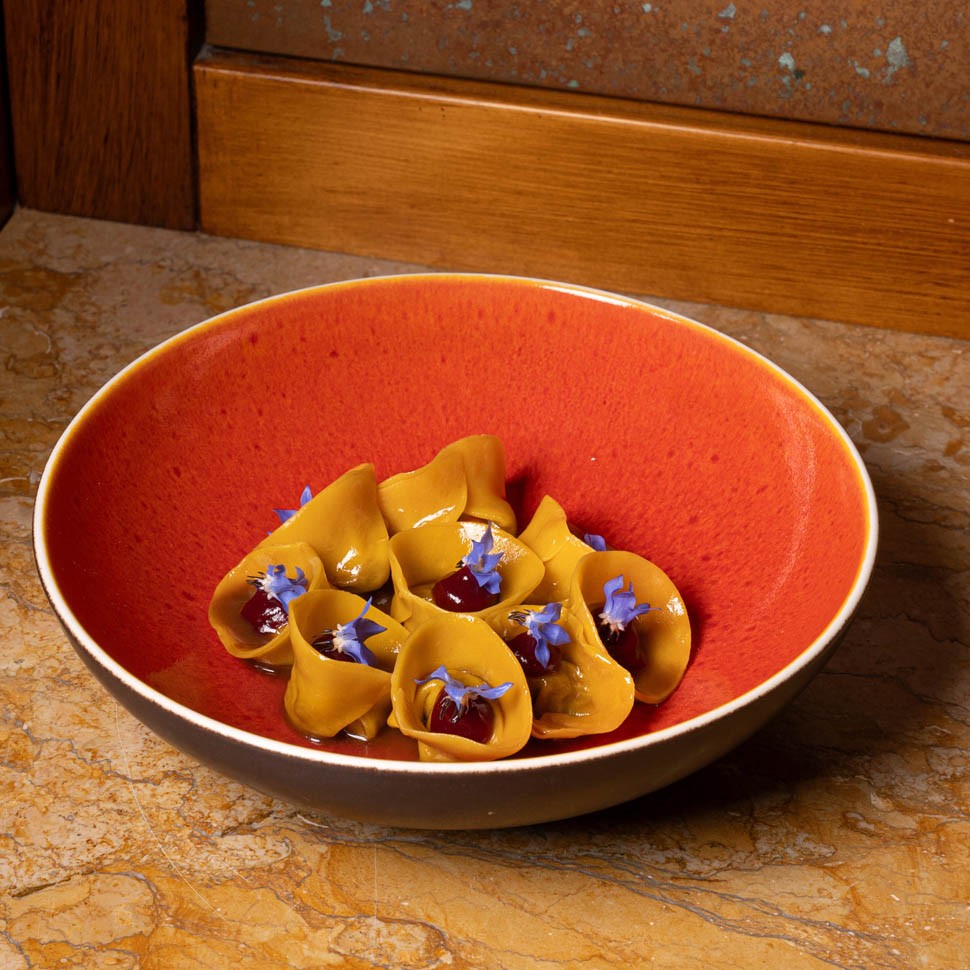
Next come “I Tortelli La Sosta”, filled with game and served with their own jus, raspberries and borage: a manifesto dish in which the depth of the game meets fruity accents and herbaceous nuances. The richness of the filling is balanced by fresher notes, in an equilibrium that delivers complexity without losing sight of the main ingredient.
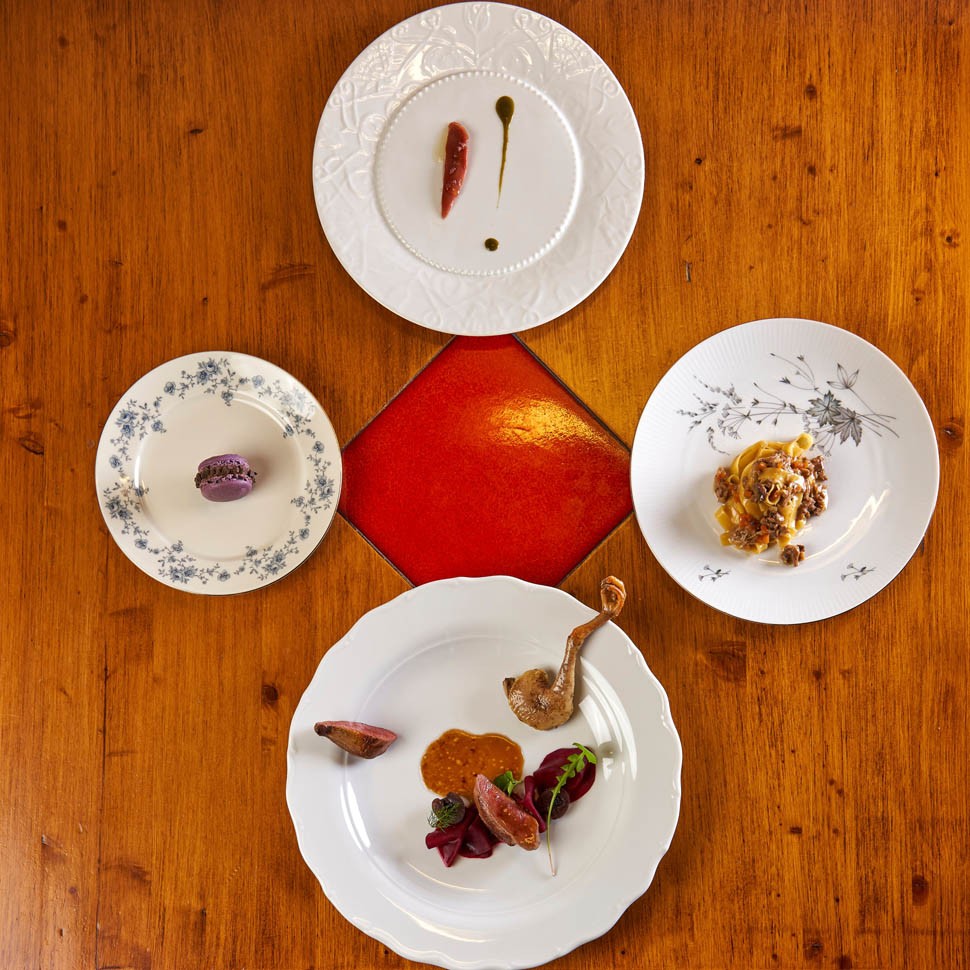
The menu continues with “Il Piccione di Lorenzo Barsotti a 360°”, a preparation spread across four courses that showcases pigeon from the Carlo Giusti farm, served with beet and chocolate. It is a way of working that puts the ingredient at the center, exploring its many possibilities instead of reducing it to a single preparation.
To close, “Il Trillo e la Pecora”, a dessert that pairs sheep’s milk gelato with Trillo extra virgin olive oil, candied capers, lemon and a pine nut cookie. The finale plays on the contrast between dairy, savoriness and citrus notes, stepping away from the conventional idea of dessert and leaving room for a more unusual balance.
“Rinascimento Vegetale”: vegetables take center stage
With “Rinascimento Vegetale”, Barsotti shifts the focus to the plant world, showing how vegetables can carry an entire tasting menu without being relegated to a supporting role. It is perhaps the menu that speaks most directly of the chef’s bond with the land and with a seasonality he has known since childhood.
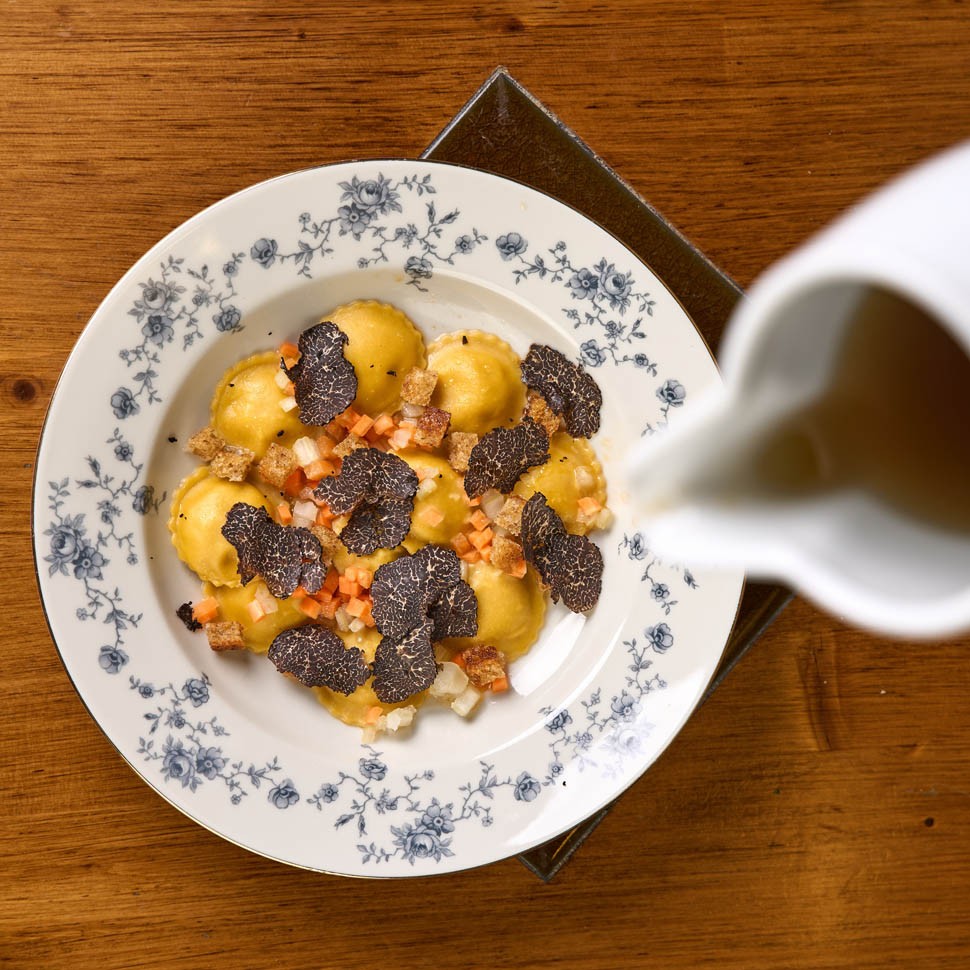
The sequence opens with “Zucca e frolla”, then moves on to “Ribollita impropria”, a raviolo of piattella pisana beans in a cavolo nero broth, with golden toasted bread and black truffle. The recipe recalls ribollita, the Tuscan bread and vegetable soup deeply tied to local tradition, but reworks the memory of it in an original form, while keeping a recognizable link to the food culture it comes from.
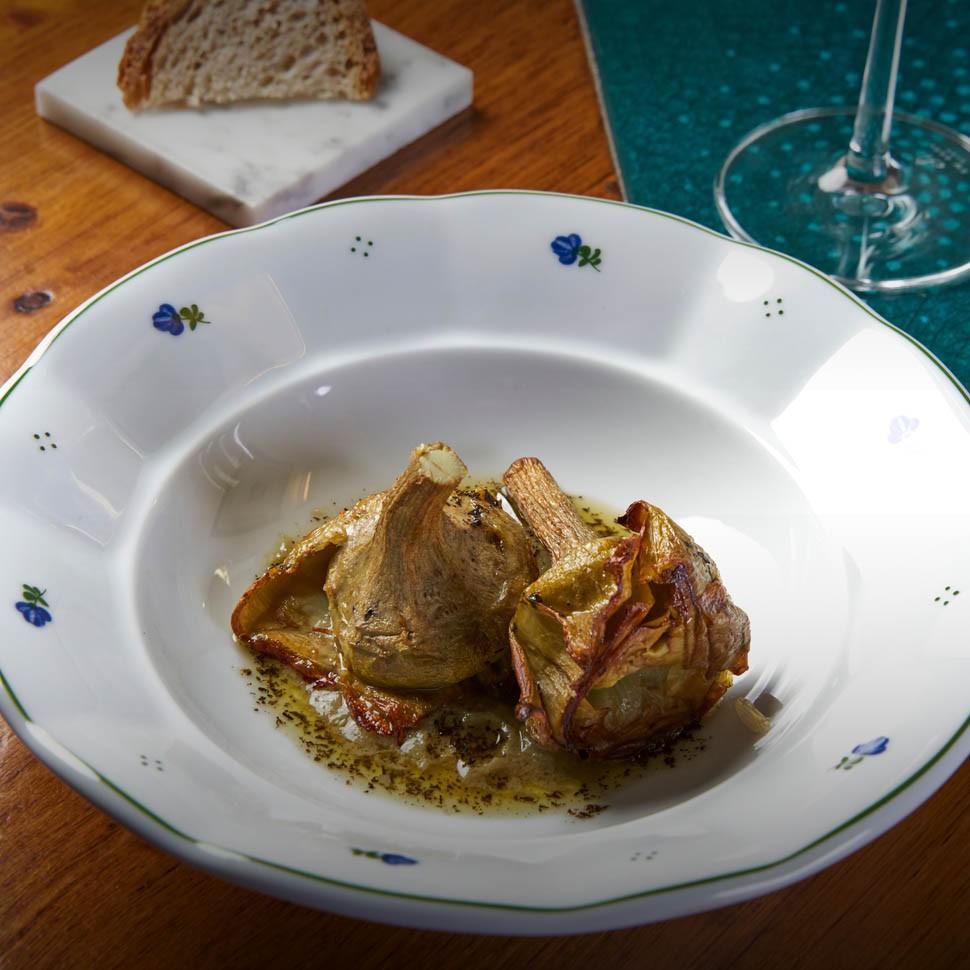
The third course is grilled artichoke with toasted herb oil, where cooking and dressing aim to bring out the qualities of the vegetable. The artichoke is, after all, one of the ingredients the chef is most attached to, and it returns often in his seasonal menus, in preparations that explore its textures and aromatic nuances.
Next is “Risotto essenza vegetale”, with cauliflower, bergamot and matcha tea, combining the creaminess of the rice with citrus notes and aromatic nuances. This menu shows how the plant world can offer depth, contrast and complexity without having to look elsewhere for the heart of the dish.
The grand finale is entrusted to the “Omaggio al Maestro Paracucchi”, a tribute to the master chef Paracucchi, with his iconic vanilla parfait glacé and caramelized fruit. It is a reference that brings back one of the key stages of Barsotti’s career and, for that very reason, also becomes a homage to someone who helped shape the way he sees cooking.
“Rivoluzione Silenziosa”: between sea, land and memory
If “Rinascimento Vegetale” focuses on the world of vegetables, “Rivoluzione Silenziosa” builds a dialogue between sea, land and Italian culinary tradition. The menu opens with “Alici in purezza”, a dish that brings together anchovies, tomato, black salsify, lettuce and sea anemones. The meeting of marine and vegetable ingredients introduces a sequence that alternates intensity and delicacy, in keeping with the chef’s attention to biodiversity and to the resources of the sea.
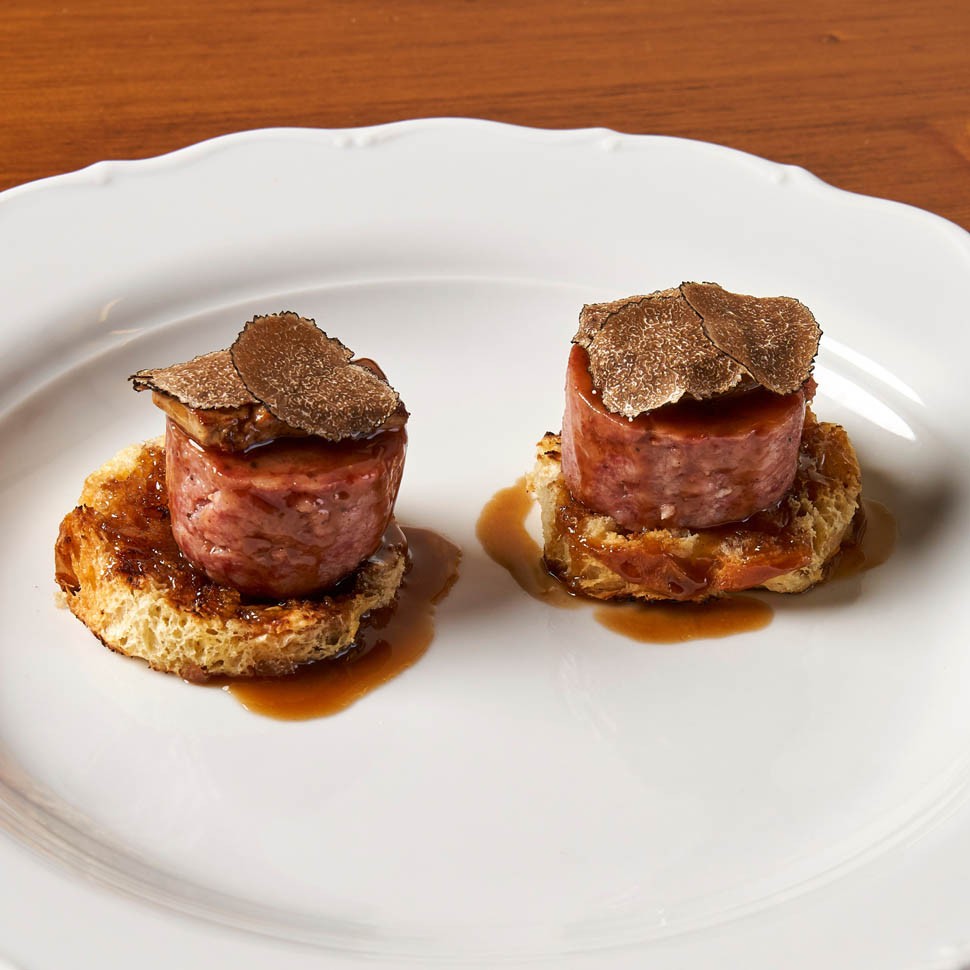
The second dish is “Cotechino alla Rossini”, with pork cotechino sausage, foie gras, black truffle and panettone by Loretta Fanella. A pairing that brings together luxurious ingredients and echoes of grand classic cuisine, playing on the contrast between savoriness, richness and sweetness. The memory of tradition becomes a starting point for building a dish in search of new balances.
Then come pappardelle alla lepre, wide ribbon pasta dressed with a game ragù, pomegranate and juniper, where the depth of the meat meets fruity and balsamic notes, and baccalà, salt cod served with smoked oil, celeriac and aioli. To finish, zuppa inglese, the Italian trifle, made with sponge cake, alchermes from Santa Maria Novella, chocolate and pastry cream. A dessert that brings back familiar flavors, closing with a nod to Italian culinary memory.
The journey continues
La Sosta’s small size also shapes the experience in the dining room. Twenty-four seats make it possible to keep a direct relationship with each guest, in a setting where the kitchen stays at the center and the hospitality accompanies the meal without overshadowing it.
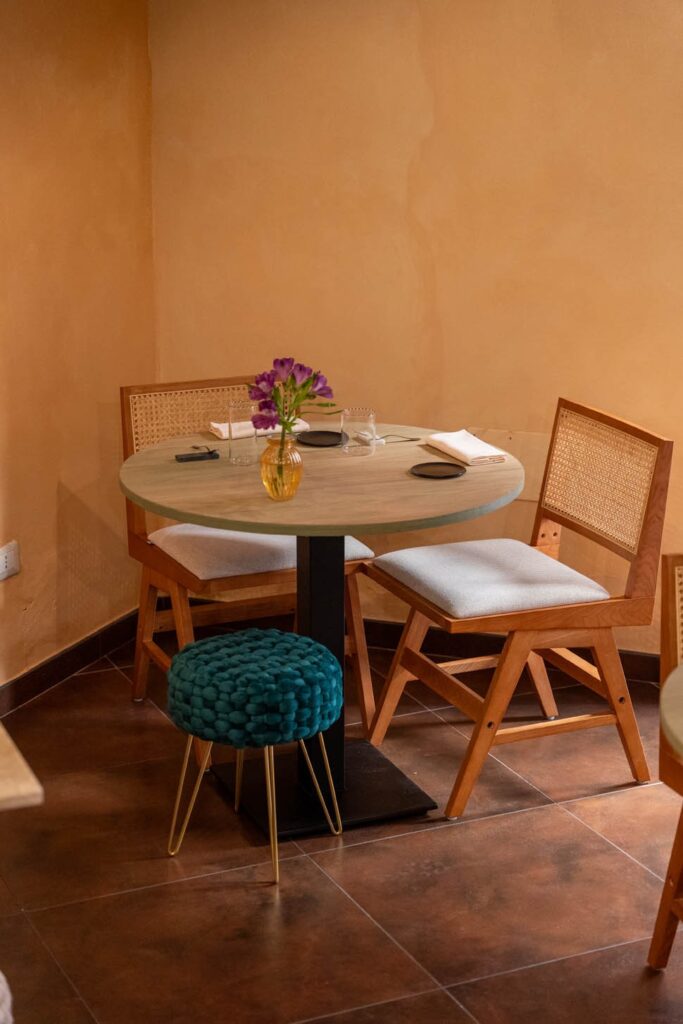
The story continues thanks to Enrico Olmeo, maître d’ and sommelier, who guides guests through a wine list that moves between well-known labels and small independent producers. His work goes beyond technical pairing: it helps build an experience consistent with the restaurant’s identity, made of attention, knowledge and dialogue with the kitchen. Wine, too, becomes a way to tell stories about people, bringing the work of those who make what ends up in the glass closer to the work of those who prepare what arrives on the plate.
The recent renovation of the interiors follows the same direction, giving the space a new shape without pulling attention away from the work of the kitchen. It is a transformation that touches the guest’s overall experience, but leaves the workshop dimension intact, made of direct relationships, research and attention to the product.
After passing through different cities, brigades and schools, Barsotti found at La Sosta a place where the lessons learned along the way can live together. The Spanish experience, the bond with the land, the work with producers and the focus on ingredients are the elements that define what he offers, along with the will to build a recognizable cuisine without resorting to effects for their own sake.
La Sosta, in this sense, is more than an apt name. It is the place where distant experiences, childhood memories and professional encounters find a common form, turning into a cuisine that looks ahead without losing its bond with what gave rise to it. Because for a chef, stopping does not necessarily mean arriving. Sometimes it means picking up a thread again, recognizing what really matters and finding the right dimension to keep growing, one season after another.