Veglie: Tuscan Legends Photographed Where They Were Born
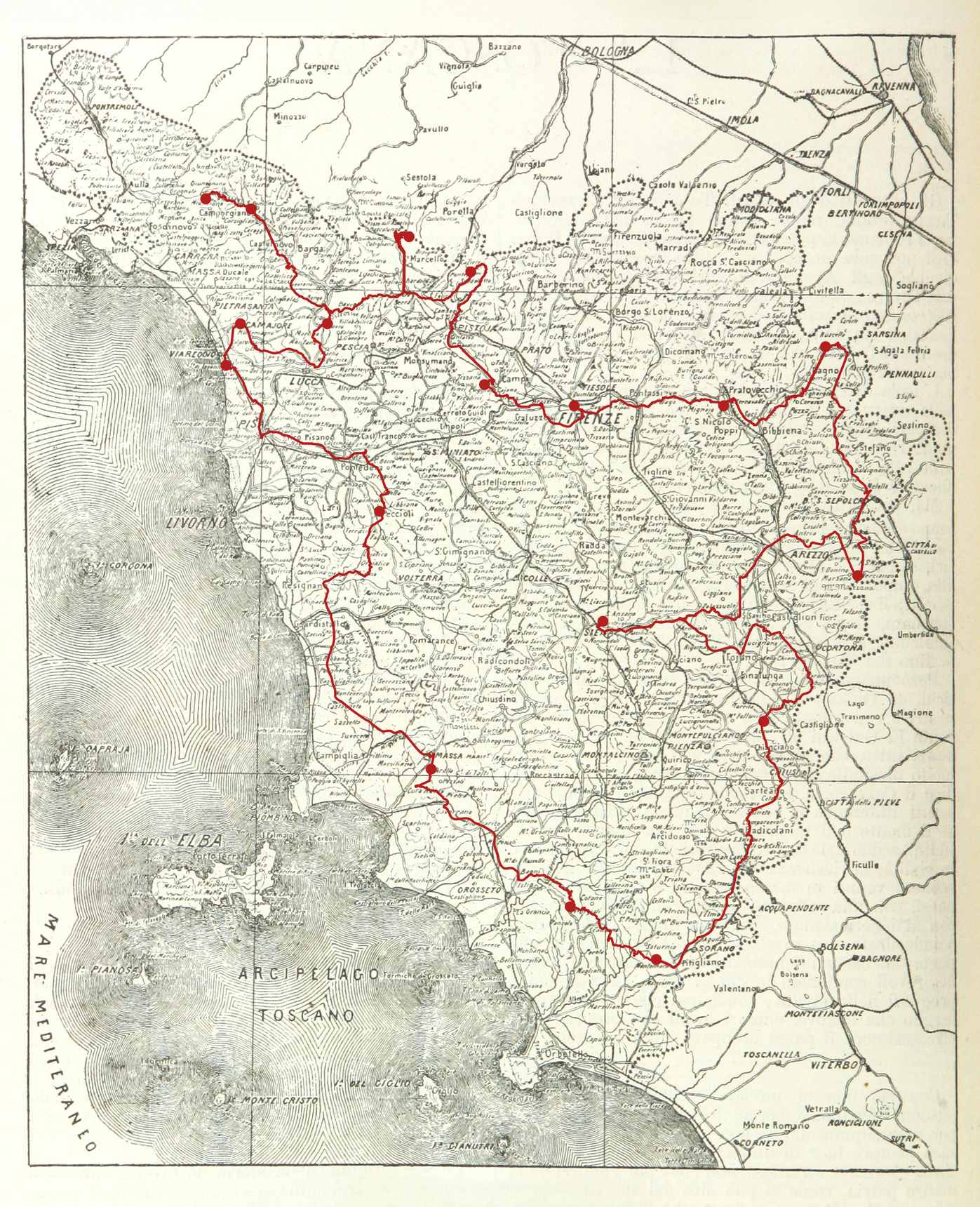
Veglie is a photographic project dedicated to the legends of Tuscan folklore. Through a sequence of images created in the places where these stories originated, I sought to establish a dialogue between real landscapes and fantastical presences, between digital photography and generative artificial intelligence. The title Veglie refers to the traditional gatherings that once took place in homes, barns, and kitchens throughout rural Tuscany. During these evening vigils, communities would gather around the hearth to share stories in which fear, imagination, and everyday life merged into a collective narrative. This project seeks to revive that dimension – not through spoken words, but through images. The work is based on a systematic collection of stories, organized according to historical and geographical areas, that have been transmitted primarily through oral tradition. Their protagonists include witches, dragons, goblins, monstrous animals, and figures drawn from popular horror. Often overlooked or relegated to the margins of official history, these characters nevertheless represent valuable traces of ancient beliefs and of the communities that once inhabited the region. They are not merely folkloric curiosities, but fragments of Tuscany’s cultural memory: narratives that evolve over time, are reinterpreted, and branch into new forms as society changes. From this research emerged a rich landscape of interconnected stories, beliefs, and supernatural apparitions, where each place seems to preserve a trace, a fear, or a unique figure linked to a broader shared imagination. From this larger corpus, twenty legends were selected for their ability to represent recurring themes, archetypes, and narrative structures within Tuscan folklore.
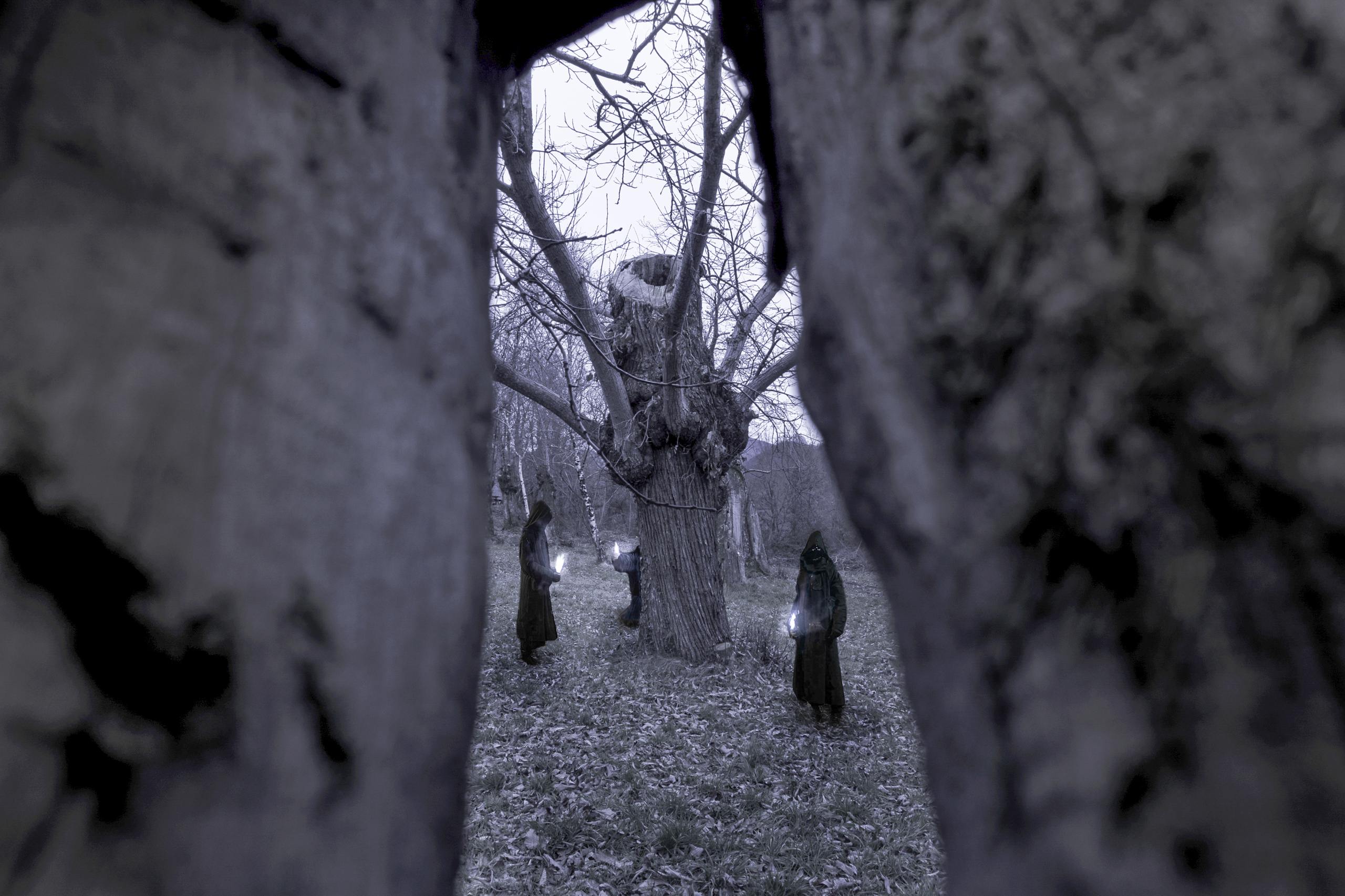
The photographs were taken in locations directly connected to these stories and serve as the documentary foundation of the project. It is only in a second stage, through post-production, that generative artificial intelligence is introduced. Using AI, legendary figures are created and integrated into selected images – not as spectacular effects or straightforward illustrations, but as ambiguous presences, subtle apparitions that seem almost held within the landscape itself. The result is a body of work in which viewers are immersed in places that appear familiar, yet are permeated by a quiet sense of unease. Forests, villages, roads, and natural landscapes become narrative surfaces – spaces where reality seems to crack open, allowing something usually invisible to emerge. The decision to incorporate artificial intelligence into the creative process stems from more than a desire to update traditional folklore for a contemporary audience. It is also closely connected to the nature of folklore itself. Popular legends never belong to a single voice. They are formed through transmission, contamination, additions, omissions, and reinterpretations across different people and generations. In a similar way, artificial intelligence operates through the accumulation and reworking of existing images and visual cultures. From this perspective, the use of AI can be understood as a natural extension of the collective process of rewriting that has always shaped folk narratives.
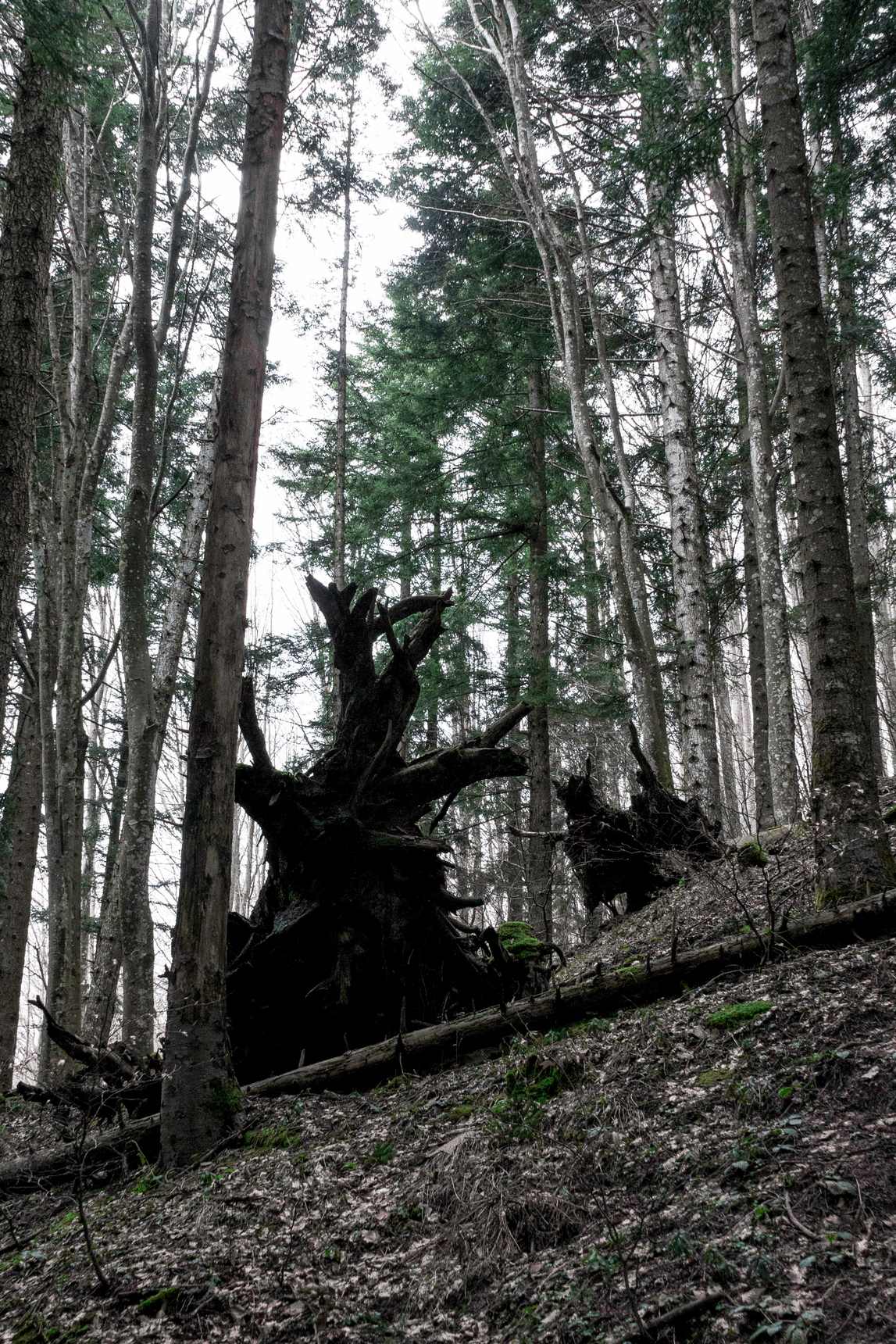
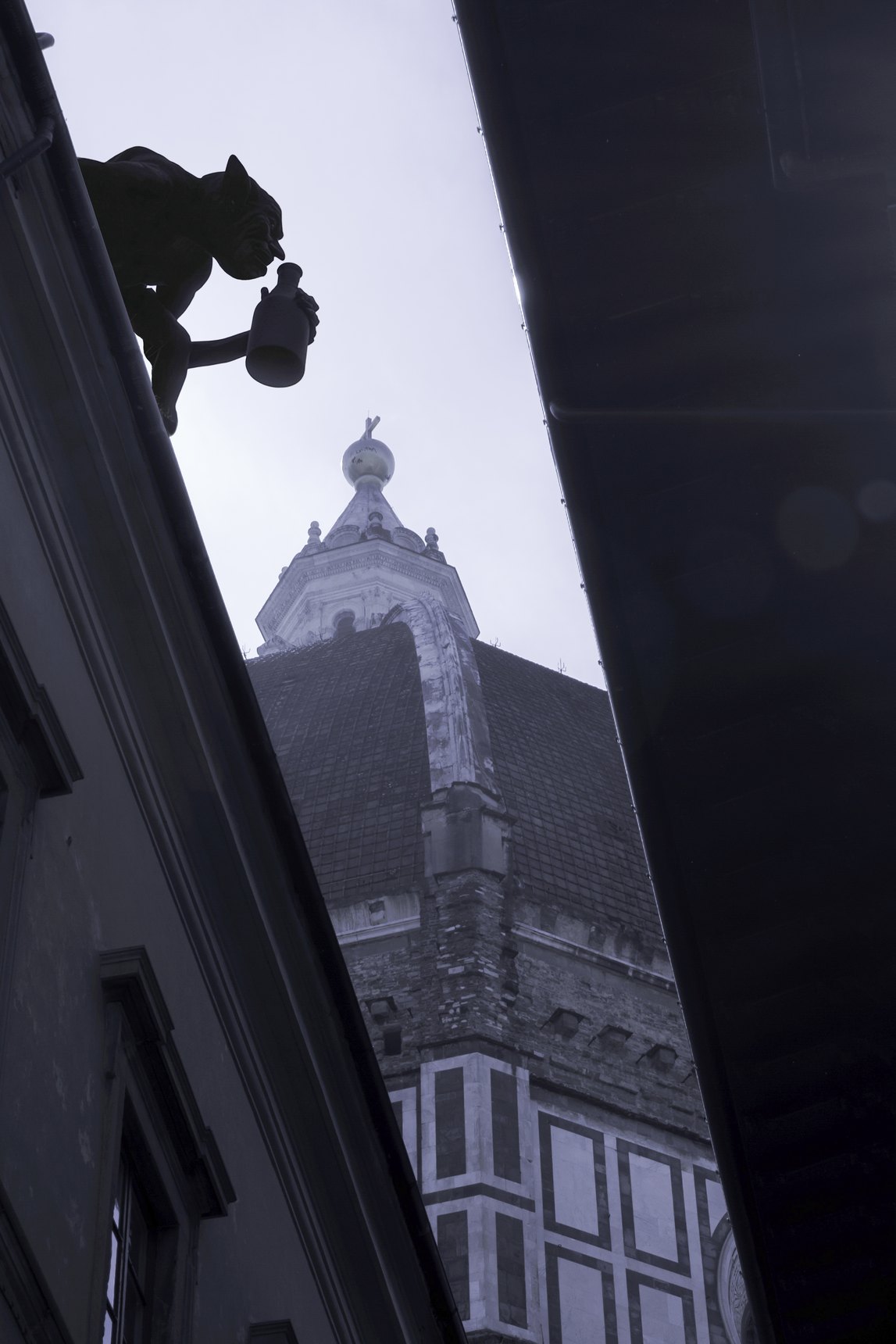
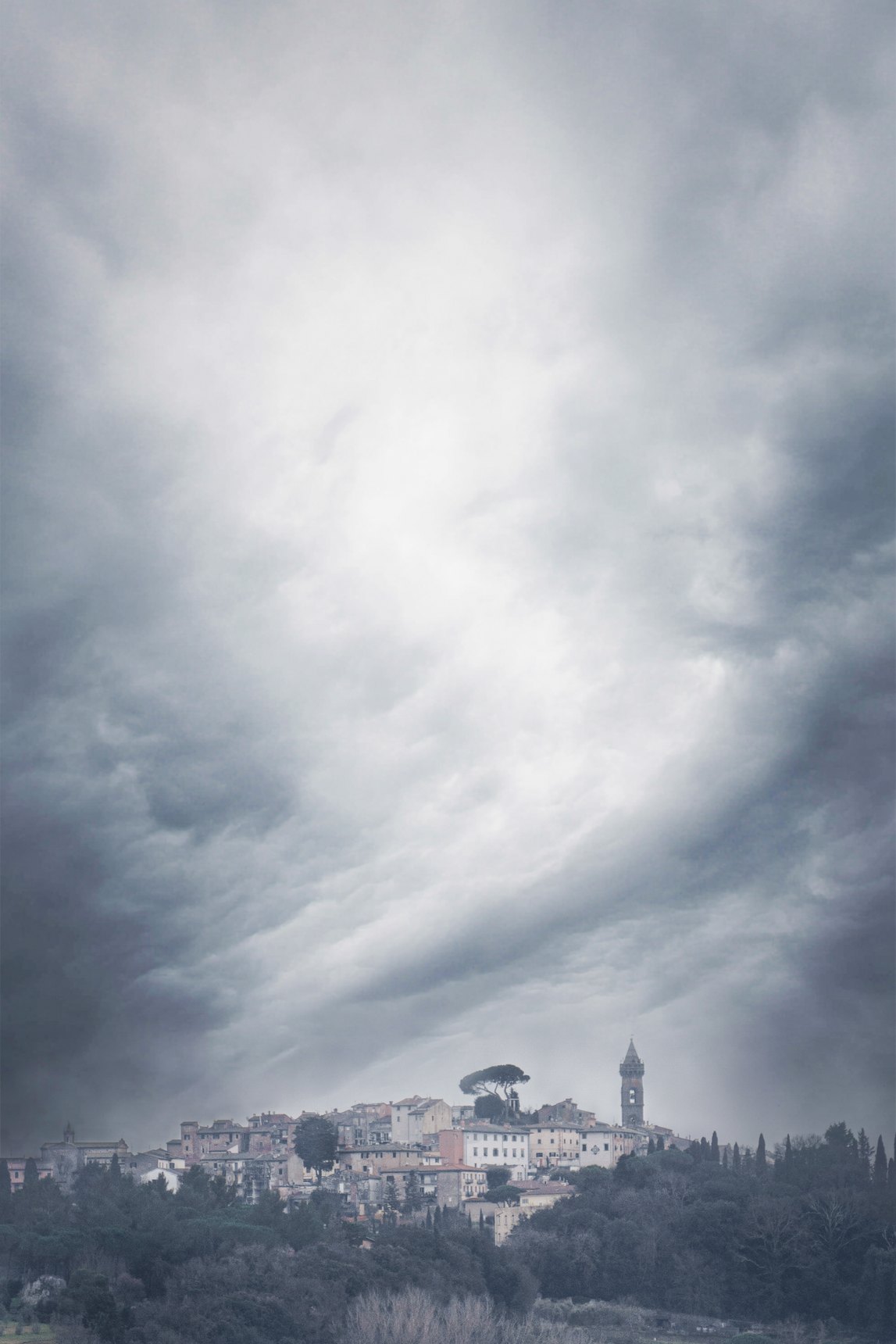
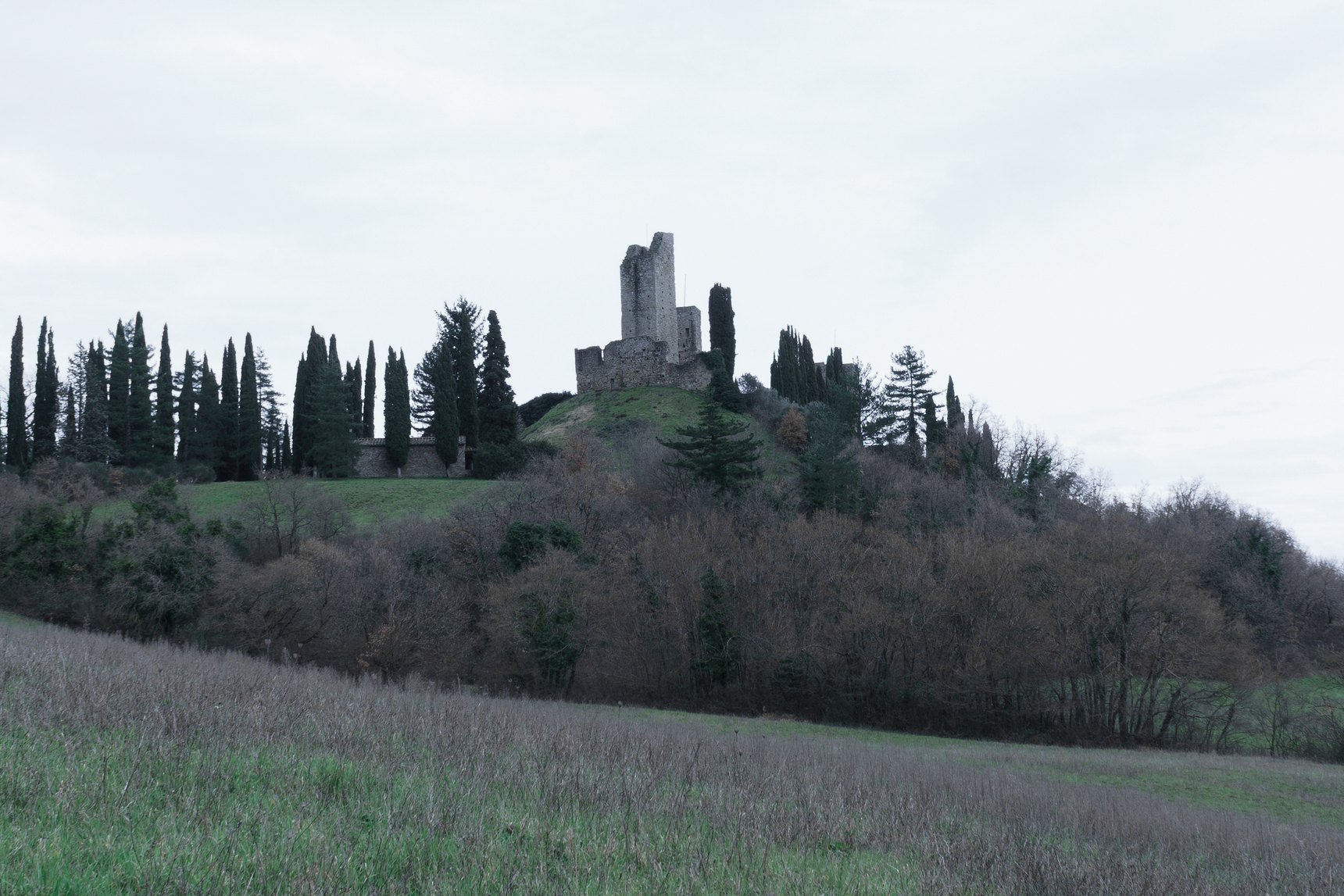
Veglie is also an exploration of territory – not as a simple landscape, but as a repository of memory and layered histories. Nature is not treated as a neutral backdrop; it is the space onto which communities have projected fears, desires, and visions of the supernatural. The project therefore seeks to build a bridge between folkloric archives and contemporary imagery, questioning the role of photography in making visible what belongs to narrative, memory, and imagination.
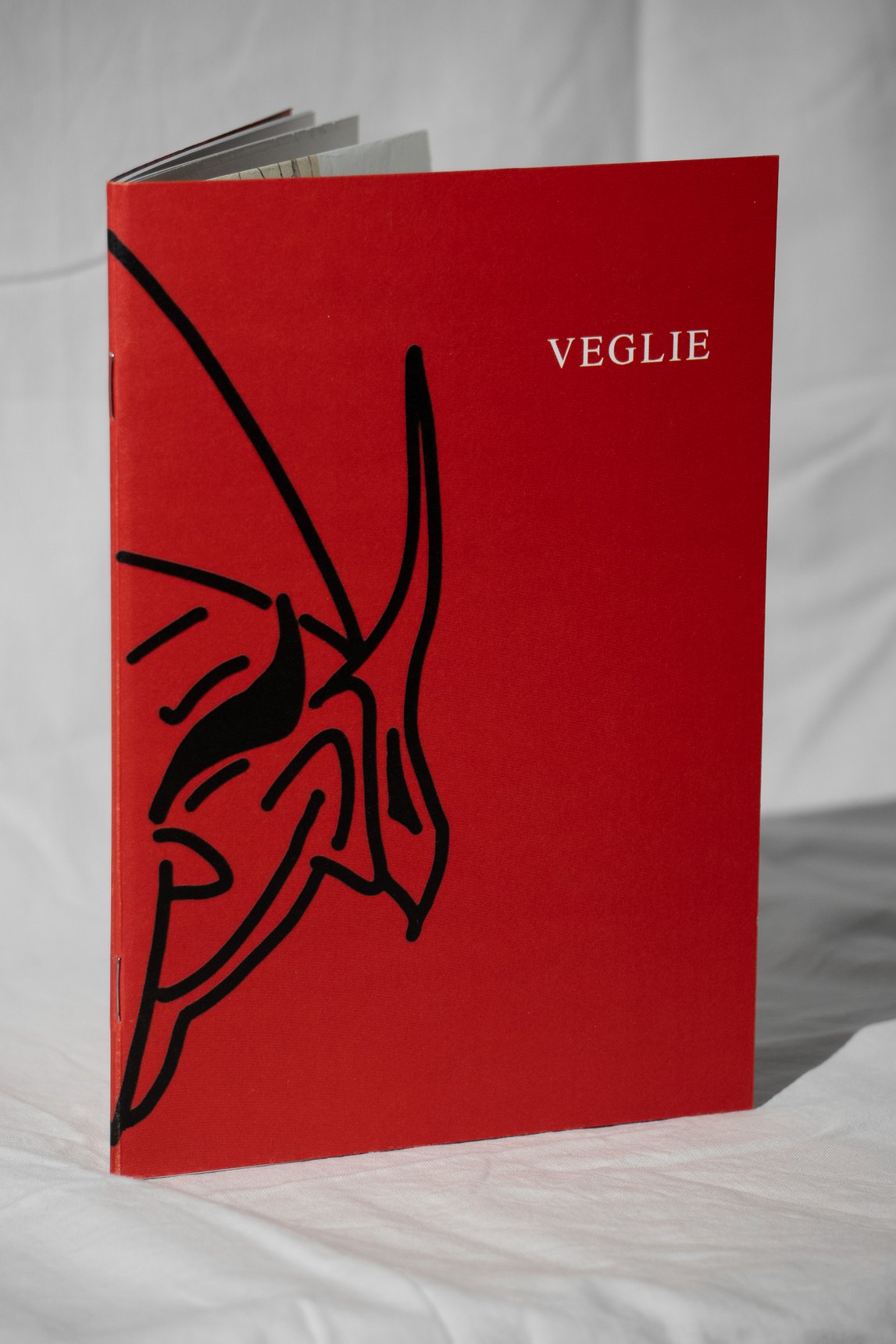
The project culminates in three main outputs: a photobook, a photozine, and a photofilm. The photobook gathers more than eighty photographs and retraces the twenty selected legends through a narrative and contemplative approach, creating a kind of contemporary bestiary of Tuscan folklore. The photozine offers a more accessible and popular version of the work, reflecting the oral nature of the stories themselves. The number of images is reduced from eighty to twenty – one for each legend – resulting in an object that is more immediate and direct. Finally, the photofilm expands the research into an audiovisual dimension, transforming the photographic sequence into a short visual narrative in which images, movement, and atmosphere evoke the suspended presence of the legends and the lingering power of collective imagination.
Text by Matteo Benjamin Ceccherini
Images: Matteo Benjamin Ceccherini