OF BOXES AND CEILINGS: 180 Posters Bring Public Art to the Streets of Florence
One hundred and eighty posters on the streets of Florence, bringing into public space a reflection on identity, gender stereotypes, and violence in relationships. This is Of Boxes and Ceilings, an artistic research project promoted by the Accademia di Belle Arti di Firenze, Florence’s Academy of Fine Arts, lead partner of the national PRIN AFAM 2024 research network (a ministry program for Italy’s art academies), which also includes the Accademia di Belle Arti di Roma, the Accademia Ligustica di Belle Arti in Genoa, and the Accademia di Belle Arti di Frosinone.
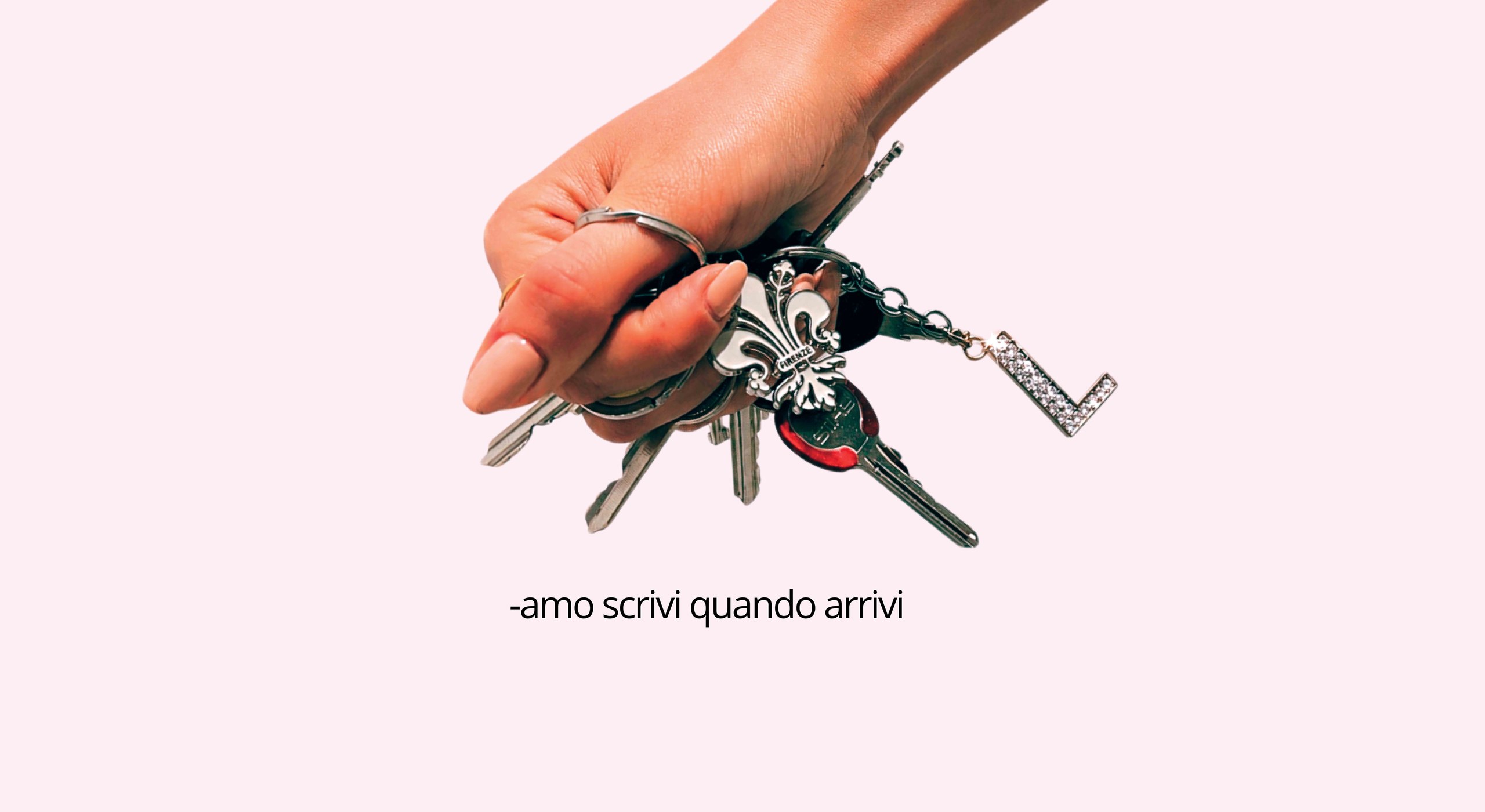
Through October 15, the posters created by students at the four academies, chosen by a dedicated selection committee, become part of the urban landscape via the city’s public billboard network, the large 6×3-meter displays, and the Digital Signage screens set up at the main entry points to the city.
The goal isn’t simply to take art out of exhibition spaces, but to use the city as a place for dialogue. Every day, the posters meet a broad audience that isn’t necessarily interested in contemporary art, slipping into the ordinary flow of urban life images and messages that can question the way we build our identities and our relationships.
Art in Public Space
The starting point of Of Boxes and Ceilings is a question as simple as it is complex: what are the categories, expectations, and cultural models through which we learn to perceive ourselves and others?
The project takes its title from the essay Of Boxes and Ceilings (2016) by cultural policy scholar and curator Pascale Charhon, and metaphorically evokes two kinds of limits: the “boxes” into which we tend to sort identities, behaviors, and roles, and the “ceilings” that stand for the invisible boundaries shaping what we can imagine and become.
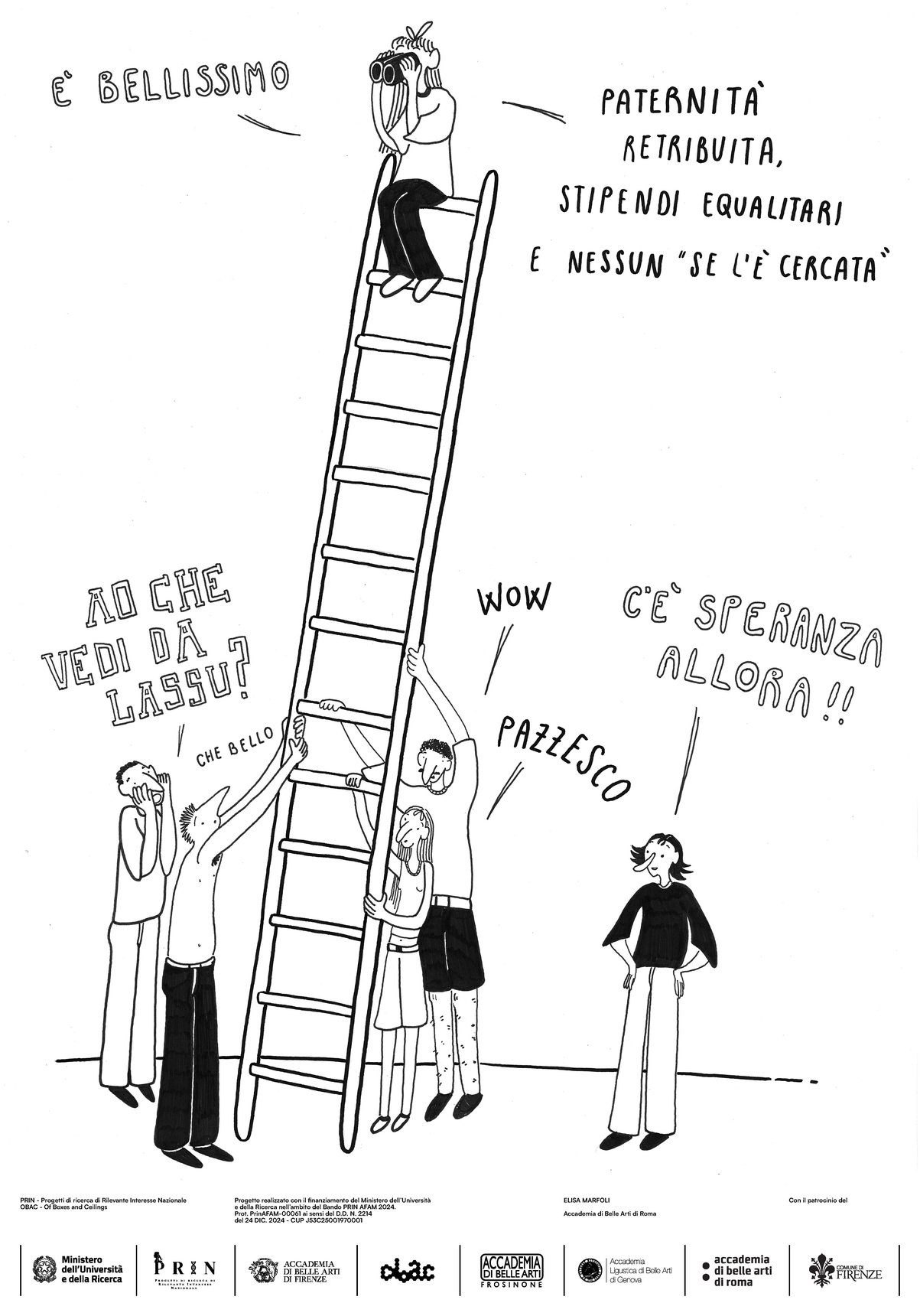
In this sense, contemporary art is seen as a tool for questioning categories that seem natural and settled. It’s a particularly meaningful role when the subject is the relationships between people, and the cultural models that can turn into discrimination, exclusion, and violence.
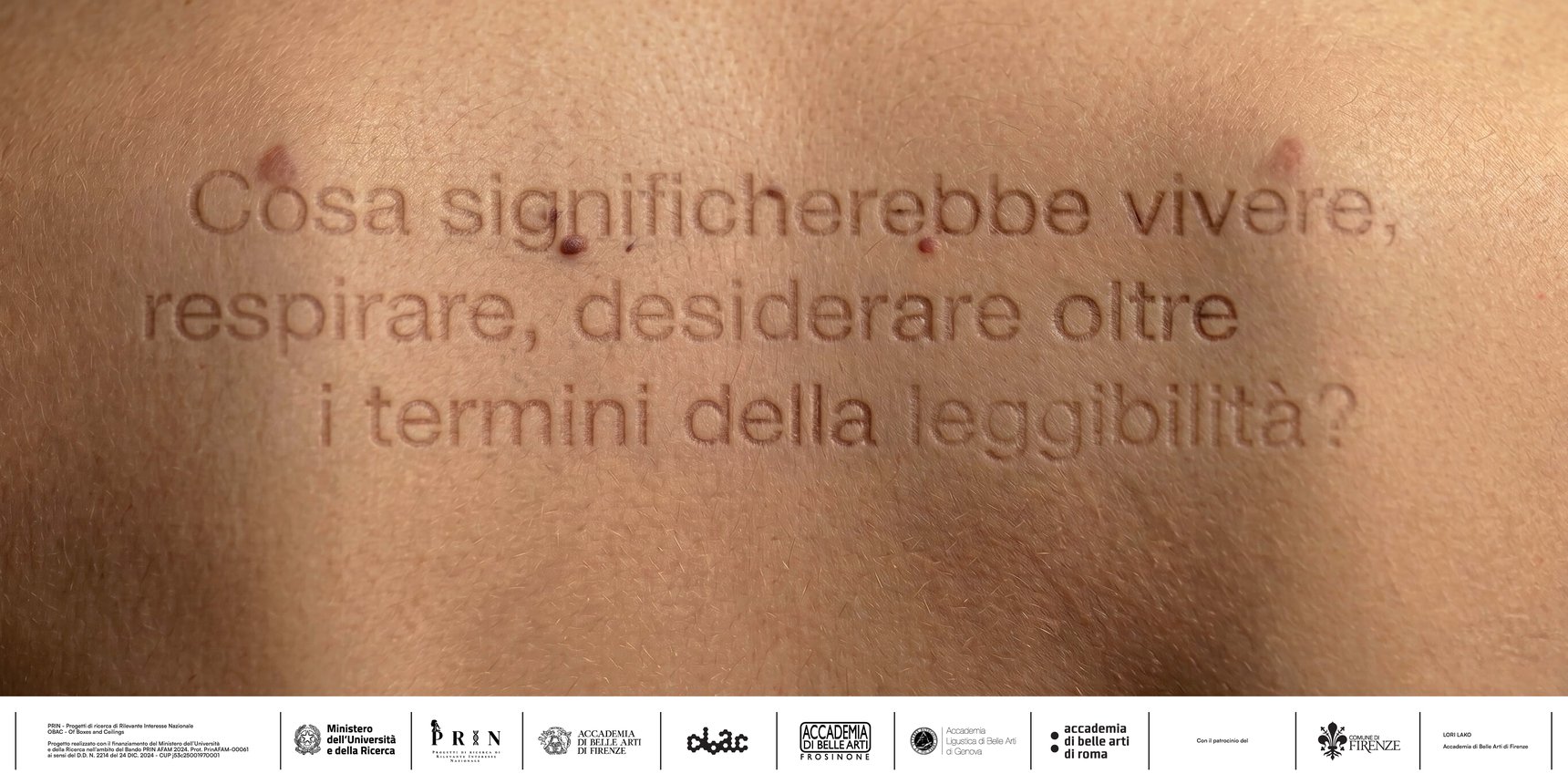
As bell hooks wrote, individual and collective transformation also depends on the possibility of building a creative space that can sustain subjectivity and offer new positions from which to look at the world. In this project, it’s public space itself that becomes the place where that possibility is put to the test.
From Research to the City
The project grew out of a series of talks organized by the Accademia di Belle Arti di Firenze during the 2024–25 academic year together with Eros Cruccolini, then the City of Florence’s ombudsman for the rights of people deprived of their personal liberty.
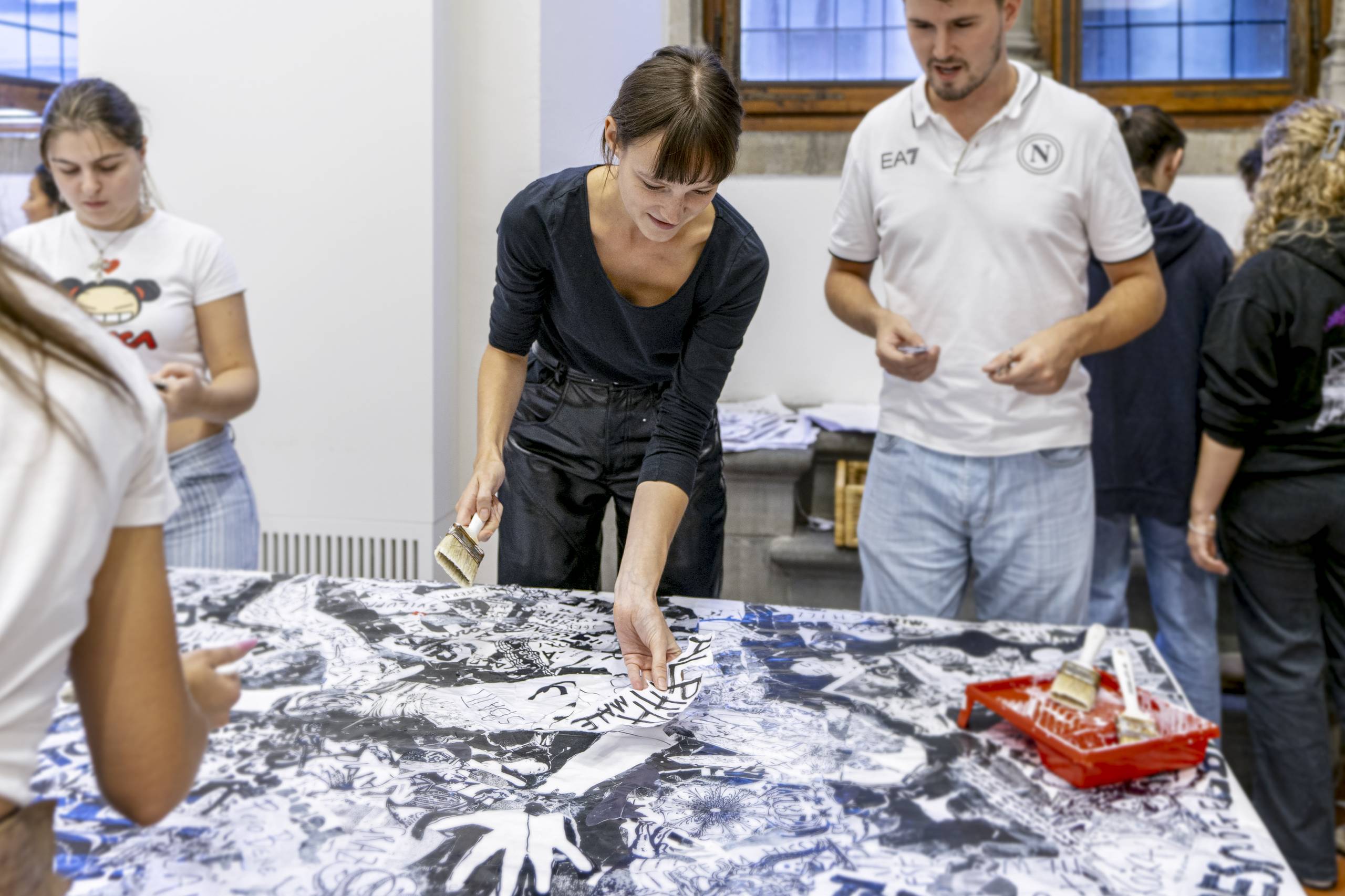
That process led to an internal competition open to students at the participating academies, who were asked to use the language of the poster to engage with themes such as youth distress, gender dynamics, and the construction of identity, along with the cultural models that can fuel discrimination and violence.
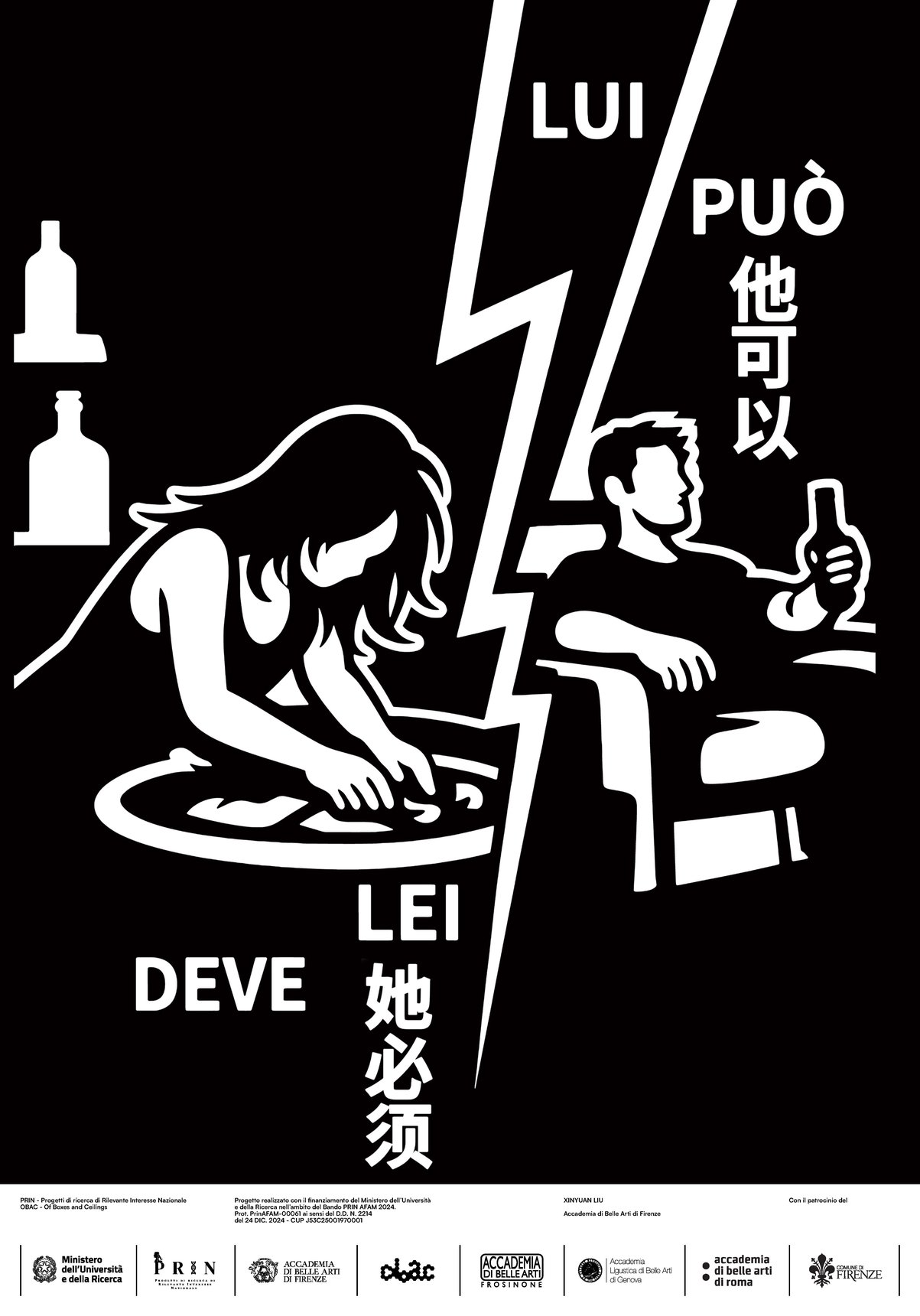
Moving from the studio to the street, however, also changes the very nature of the works. They’re no longer seen only by those who choose to walk into a space devoted to art, but by anyone crossing the city, waiting for a bus, walking down a street, or arriving in Florence. The artistic image thus becomes part of a shared everyday life.
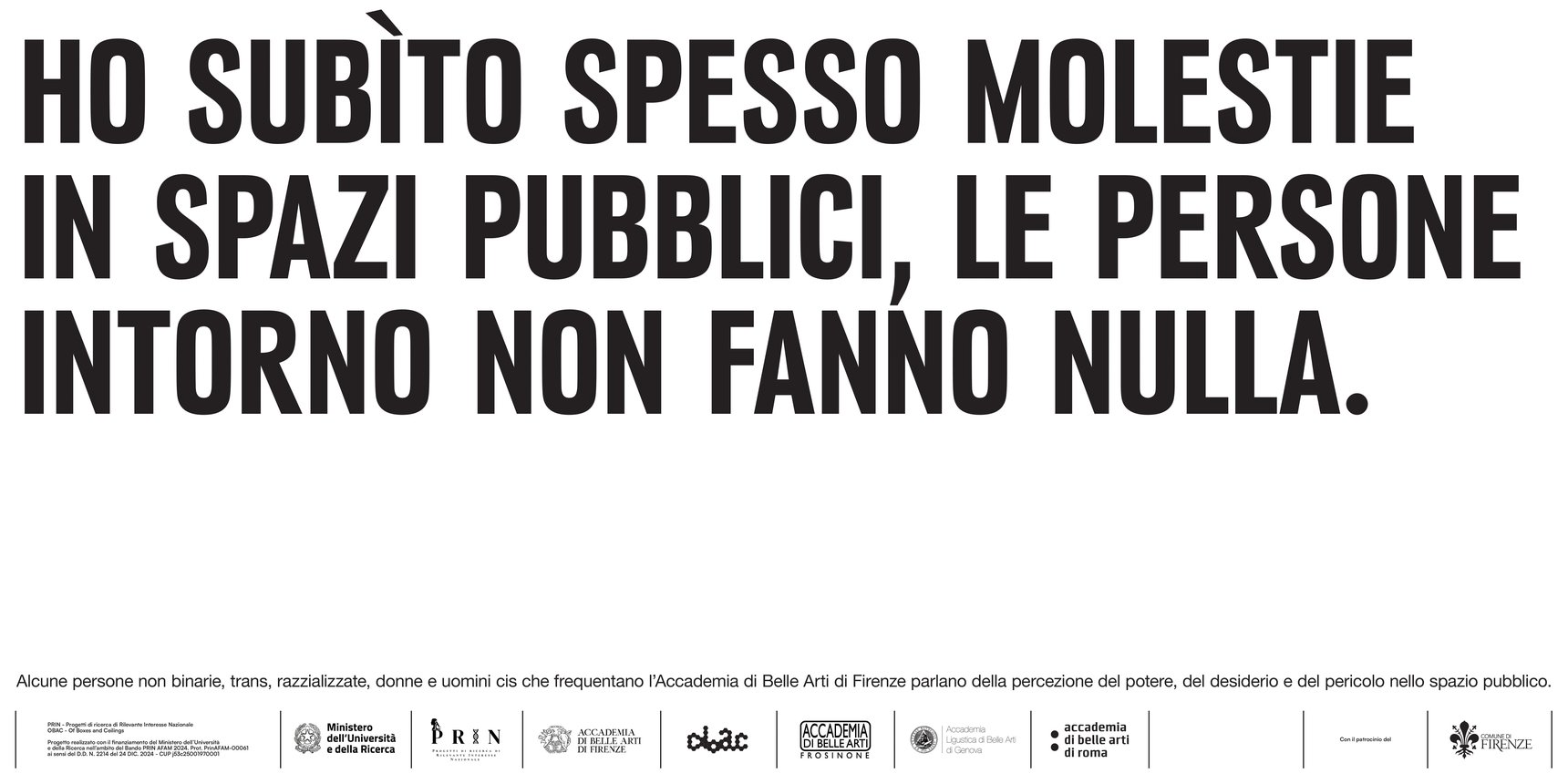
This is one of the project’s defining features: rather than delivering a single message, it creates occasions for questioning. The campaign invites us to see violence not as something foreign, confined to other people’s lives or solely to the private sphere, but as an issue that can also be linked to the languages, stereotypes, and relational models that run through society.
A Project That Continues Beyond the Posters
The 180 posters are only the first chapter of a broader program. In the coming months, Of Boxes and Ceilings will continue with seminars, workshops, study days, talks, and performative actions across the Metropolitan City of Florence and at the partner academies.
The project will bring together professionals from different fields — artists, anthropologists, psychologists, researchers, and cultural workers — with the aim of building an interdisciplinary dialogue around education on difference, gender awareness, and the prevention of violence.
Alongside this physical dimension, there will also be a digital platform designed as a tool for information and guidance. It will offer interactive content, testimonies, in-depth features, educational resources, and links to support services and anti-violence centers, with a particular focus on young people.
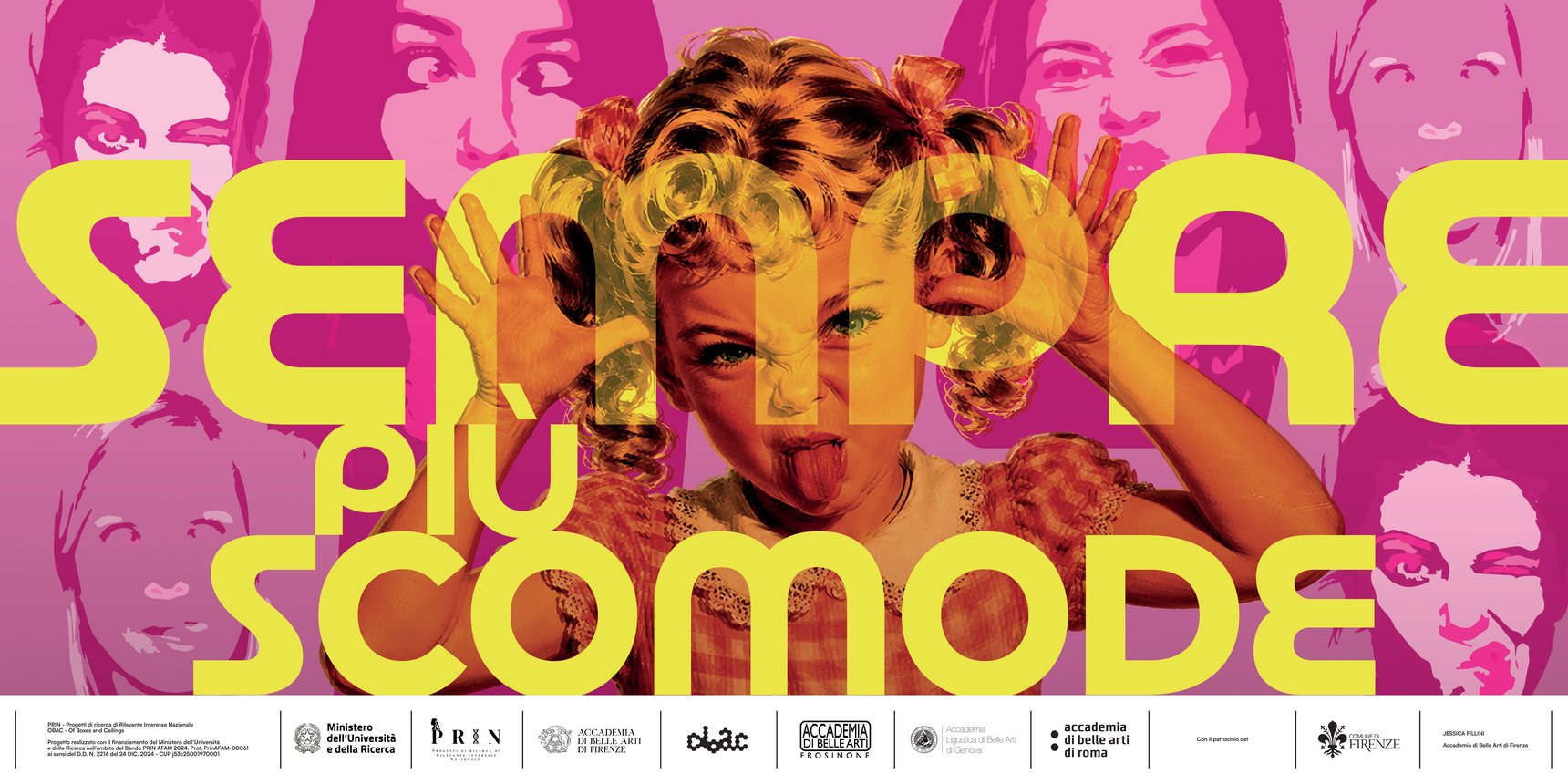
Art, then, is seen not only as a language capable of representing a problem, but as a tool for building opportunities for dialogue and knowledge. In this context, the poster isn’t just an image to look at: it’s a device that enters shared space and tries to open a conversation.
It’s also from this perspective that the reference to Barbara Kruger and her reflection on the relationship between violence and stereotype takes on meaning. If cultural models help determine how we interpret ourselves, others, and our relationships, putting those models under scrutiny means stepping in on the very ground where they are constantly reproduced.
Of Boxes and Ceilings tries to do this through a simple, immediate gesture: taking over the city’s space with images that can interrupt, even for just a few seconds, the ordinary rhythm of daily life, and inviting viewers to consider what often remains invisible.