On Saturday, November 21, Palazzo Vecchio gives its morning over to the Stati Generali del Turismo 2026, the city’s tourism summit, organized by the City of Florence with the Fondazione Destination Florence. The title puts the question on the table right away: “Rafforzare la sostenibilità delle città: strategie per l’armonia tra residenti e visitatori” (Strengthening the sustainability of cities: strategies for harmony between residents and visitors).
Florence isn’t tackling it alone: it is hosting other cities among Europe’s and Italy’s leading tourist destinations, including Athens and Barcelona, along with Bari, Bologna, Cagliari, Milan, Naples, Rimini and Verona. The topics are the ones that touch the lives of the people who actually live in a city: jobs, the environment, protecting residential life, digital tools and innovation.
Parallel sessions from 9:30 a.m.
After check-in, from 8:45 a.m. in the Cortile di Michelozzo and the Sala d’Arme, work gets underway at 9:30 a.m. with nine invitation-only parallel sessions spread across the palace’s halls under a shared title: La città abitata: come governare una destinazione a grande attrazione turistica senza perdere l’identità (The lived-in city: how to govern a major tourist destination without losing its identity). The common thread is destination sustainability in light of the EU Sustainable Tourism Strategy.
In the Sala David Sassoli the topic is tourism and housing, with Nicola Paulesu, the city councilor for housing. The Sala Macconi looks at international sporting events as an opportunity for sustainable tourism, and the Sala di Lorenzo at protecting workers, with the business associations Confcommercio and Confesercenti. The other tables cover the environment, with Deputy Mayor Paola Galgani, the hospitality professions, protecting residential life in World Heritage cities, and digital tools for tourism. In the Salone dei Duecento, the conference of mayors of the Florence and Florentine Area tourism district meets behind closed doors.
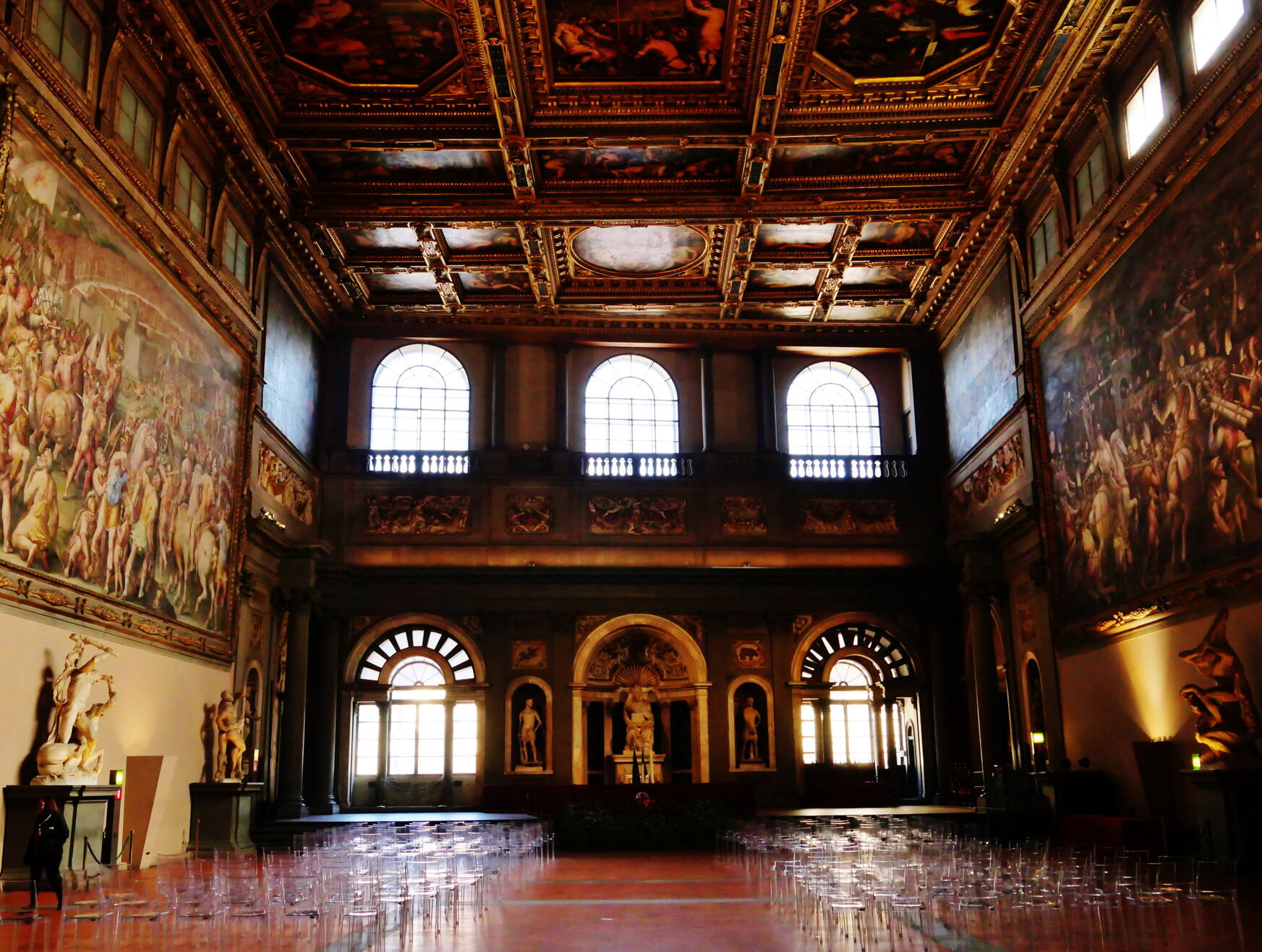
The plenary in the Salone dei Cinquecento
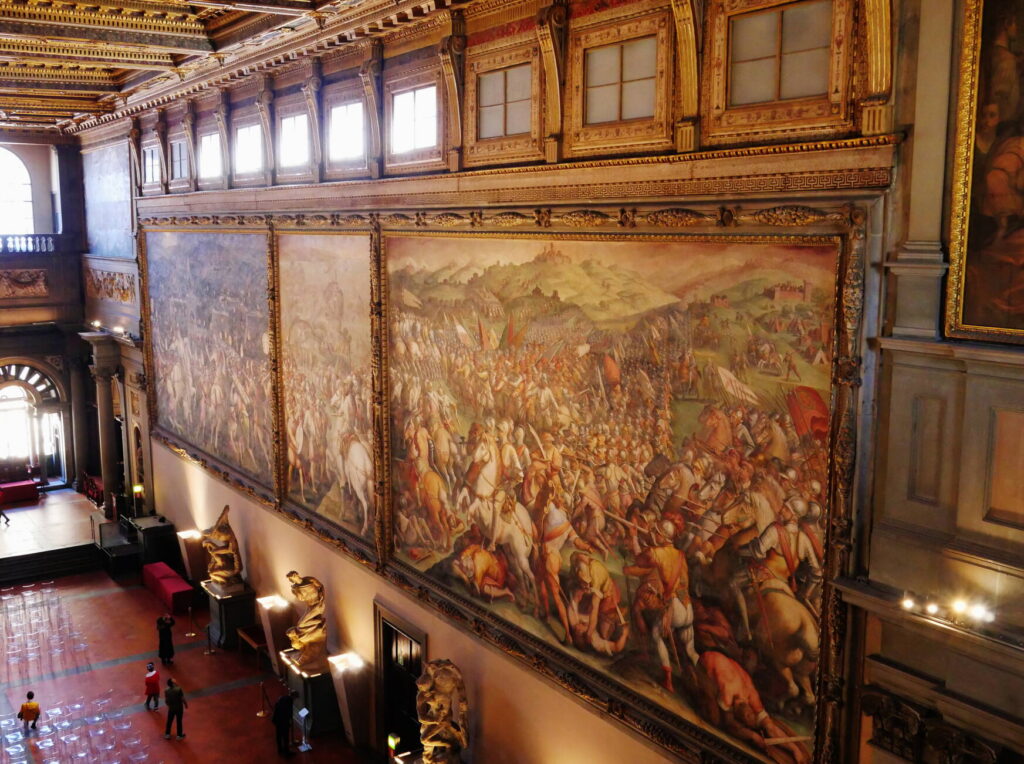
At 10:30 a.m. everyone moves into the Salone dei Cinquecento, the palace’s Hall of the Five Hundred, for the plenary session. Opening remarks come from Mayor Sara Funaro, Tuscany Region President Eugenio Giani, Sara Di Maio, delegated councilor of the Metropolitan City of Florence, and Jacopo Vicini, the city councilor for economic development and tourism. The line chosen for the welcome: “Cities welcome the world when they go on being home to the people who live in them.”
This is how councilor Jacopo Vicini introduces the day:
Tourism-related issues concern every one of us. It is a sector that can bring important benefits and enrich host communities, and not only economically, but it has to be well governed and always studied with great care in every aspect. We should not be asking how many tourists can come into our cities, but what kind of city we want our residents to live in and to leave to the next generations: with the Stati Generali we want to answer that question. They will be an important opportunity to compare notes with other European cities going through experiences similar to ours, and a moment of sharing with those who contribute every day to the quality of our destination.
We want to build a shared vision that holds together the competitiveness of the destination, the quality of work, opportunities for businesses and, above all, livability for residents. Two years into our term, it is important to take stock of the work done, assess the results achieved and, above all, listen to ideas, needs and proposals so that together we can identify the strategies for the years ahead.
Urban identity and short-term rentals: the cities compare notes
At 10:45 a.m. the floor passes to the guest cities, with European experiences side by side on Strumenti e strategie per lo sviluppo sostenibile di un turismo rigenerativo delle città e dei territori (Tools and strategies for the sustainable development of regenerative tourism in cities and regions). At 11:45 a.m. the focus shifts to the numbers, from visitor flows to economic impact and conference tourism, with the Centro Studi Turistici research center, Massimo Manetti, president of the Florence Chamber of Commerce, and Laura Masi, president of Destination Florence.
At 12:10 p.m. the spotlight returns to UNESCO World Heritage cities: protecting urban identity, neighborhood shops and the regulation of short-term rentals in light of the Affordable Housing Act. On the panel are Valerio Cantafio, the City’s director of Economic Activities and Tourism, Carlo Francini, site manager of the UNESCO site “Historic Centre of Florence,” and Francesco Viviani of the University of Florence’s Department of Statistics.
At 12:30 p.m. the wrap-up is already looking ahead, Verso la Carta di Firenze per un Turismo Sostenibile (Toward the Florence Charter for Sustainable Tourism), with the shared priorities that emerged over the morning. The close is scheduled for 1 p.m.