The Origins of the Spritz: Blame the Austro-Hungarians
Some of these answers I have; others torment me and haunt me, day and night. Let’s start by pointing the finger straight at the culprits: the Austrians. The Austro-Hungarians, to be precise.
We are in the years of Habsburg rule over northern Italy. Our invaders settle comfortably into the customs of the peninsula and enjoy the bounty of a land rich in food and wine. But as the Wizard of Oz put it, “there’s no place like home,” and our friends missed their beloved beer. After a couple of decades of failing to replace it with wine (picture yourself sinking a couple of pints of white and you’ll understand the mood of these poor souls), the solution arrived from the Prussian town of Selters: sparkling seltzer water, essentially water charged with a preposterous amount of carbon dioxide. Adding it in equal parts to a still wine not only lowered the alcohol content — allowing for heartier consumption — but also lent that fizz that, deep down, reminded them of their cherished beer. They called the mix Spritzer, German for “splash.” According to some sources (which I cling to often, to get out of actually making a spritz), a second meaning of the word in the Austro-Hungarian slang of the day might be more accurately translated as “swill.”
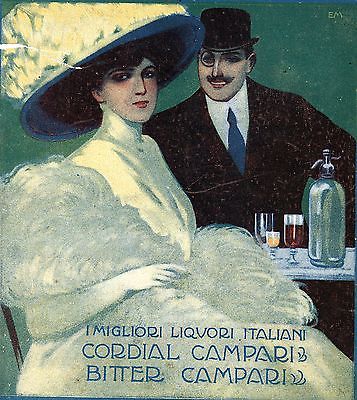
So, to recap: the original Spritz is nothing more than still wine cut with heavily carbonated water. How did we get to today’s version? The Austrians finally headed home to their mountains, Italy was unified, but across the Triveneto the habit of drinking this lightened little wine stuck. In Venice and Padua especially, the custom was so ingrained it became a sort of national beverage, served from the first hours of the morning in any bar. Between the 1920s and 1930s, drinkers in these cities began lengthening their spritzer with sweeter, citrus-scented liqueurs like Select or Aperol (unveiled at the “Padua Fair” in 1919).
For a long time this orange drink stayed confined to a small pocket of the map — at least until 2003, when the Campari group bought the Aperol brand and decided the moment had come to push the product onto the national and international market. In 2006 we all remember catching that TV commercial: an alluring, red-haired bombshell in a very short skirt, climbing across a row of little round metal tables with a tray in hand, doling out spritzes to the masses.
On par with the Venus de Milo, Cleopatra, or Joan of Arc, the young lady in question marks the beginning of a new chapter in history: the moment an entire population let itself be talked into drinking a bittersweet, orange-colored concoction.
So, to return to the earlier question: yes, it’s the advertising’s fault.
The classic recipe for a spritz, plus an alternative
For those who simply can’t go without, here are two versions — the classic and my own take.
Classic:
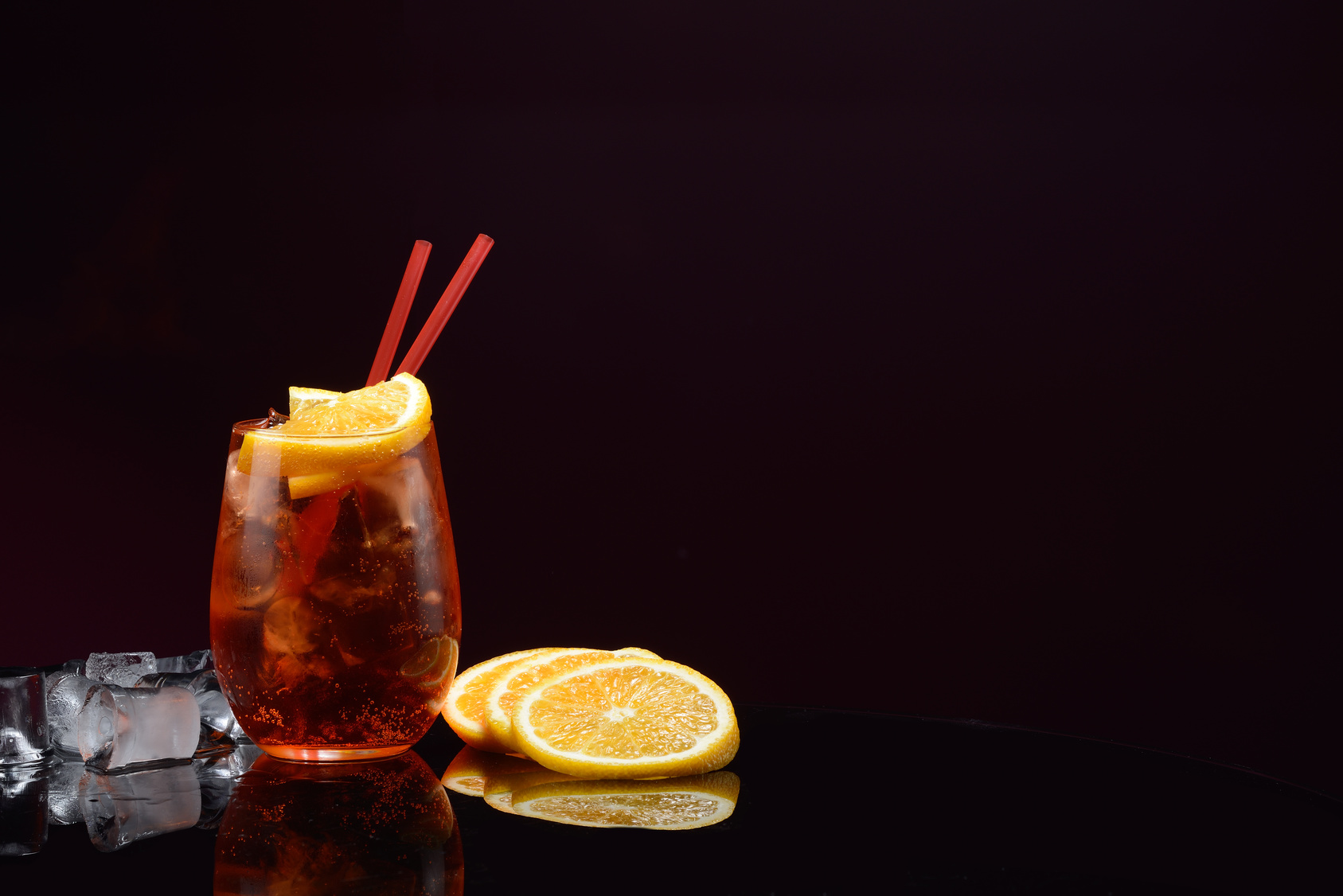
Equal parts Prosecco, soda (or sparkling water), and Aperol or Campari. Slice of orange.
Mezzo&Mezzo Nardini (my alternative):
Equal parts Mezzo&Mezzo (a rhubarb-and-bitter liqueur) and soda. Twist of lemon.
Julian Biondi
Florentine bartender with a passion for writing and for stories. He contributes as a journalist for FUL and Bargiornale, and works as a freelance F&B consultant. Winner of the first Florence Cocktail Week.