A new album and a world tour for the legendary Dublin rock band, now celebrating 50 years together. One caveat is in order for anyone who has been following and writing about U2 for more than thirty years: you have to ask yourself when the nineties actually ended. The moment I realized that, for me, the nineties had been consigned to history was when an episode from the summer of 1997 came back to me: one night at the Papagayo, a Castiglioncello nightclub on the Tuscan coast that no longer exists, I leafed through a magazine about U2’s upcoming European tour in support of their new record, Pop. The following month I would go see them in Reggio Emilia, and at eighteen it was my first “real” concert. Thirty years have gone by, and now Bono and the band are back. The new record is called Carnaval de Luz, it comes out today, and in February The Greatest Show On Earth Tour kicks off in Mexico City. Three nights at Milan’s San Siro stadium (July 5, 6 and 9) are already sold out – so much for Ultimo, Italy’s stadium-filling pop idol (Ultimo who?).

The PopMart Tour at Campovolo, Reggio Emilia
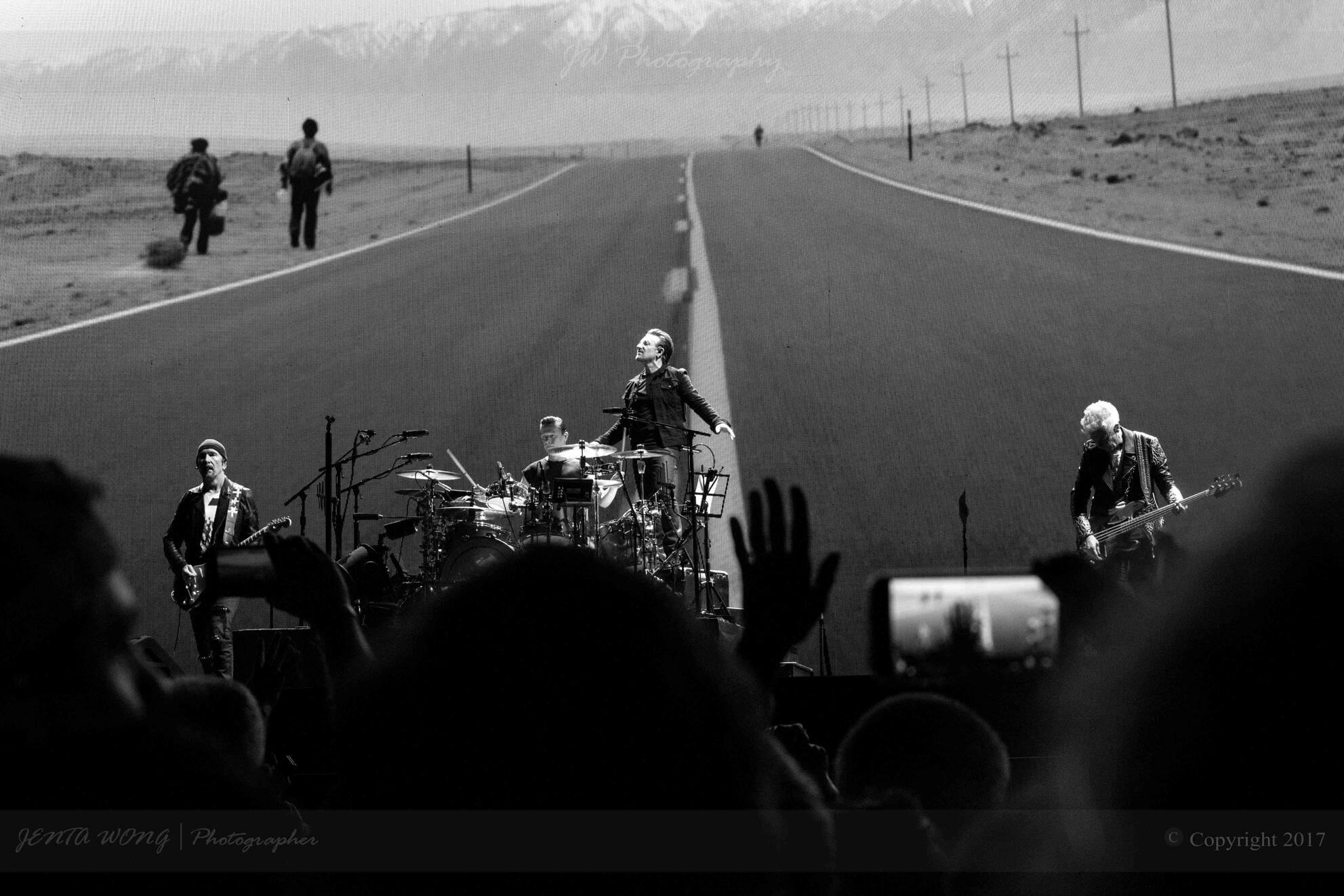
Sadly, U2 have never played Florence in their long career – fun fact: the official Italian fan club is based right here in our city – but thinking back to that September of 1997 at Campovolo in Reggio Emilia means rewinding the tape to a time when music was still a physical ritual: tickets bought from authorized sellers, endless waits, and miles racked up with friends on the way to a huge arena. Back then the PopMart Tour felt like the ironic, glittering apotheosis of end-of-millennium consumerism: a hundred-foot golden arch, a giant mirrored lemon, four Dubliners playing at postmodern superstars while the world was about to enter the digital age, and the feeling that the future was a bright promise, an open highway ahead of us, just like the opening notes of Where the Streets Have No Name.
Carnaval de Luz, fifty years on
Today, fifty years after that famous note pinned to the bulletin board at Mount Temple Comprehensive School in Dublin in 1976, the world around Bono, The Edge, Adam Clayton and Larry Mullen Jr. has changed radically – and yet in some ways not that much: there is no shortage of wars and injustice. Carnaval de Luz doesn’t arrive by chance in the twilight of this fall. If thirty years ago it was the electric sarcasm of a band eyeing hyper-modernity with a mocking grin, this new record tastes of emotional resistance. Starting with its title, which evokes the folk festivals of South America where the sacred and the profane mingle to ward off fear, the album presents itself as an act of secular faith in shared beauty. The new single is Silencio.
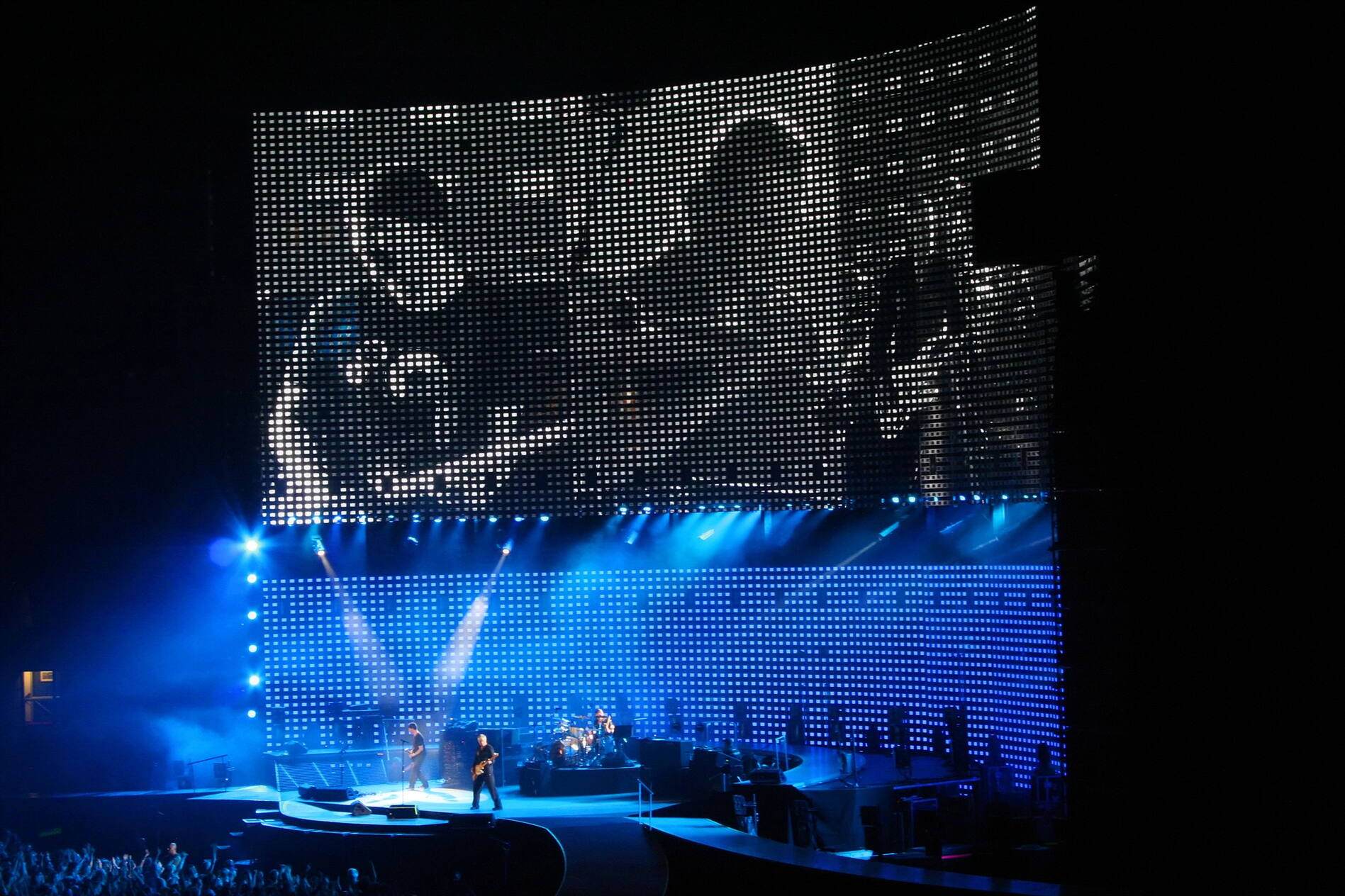
Bono’s voice and the lights of San Siro
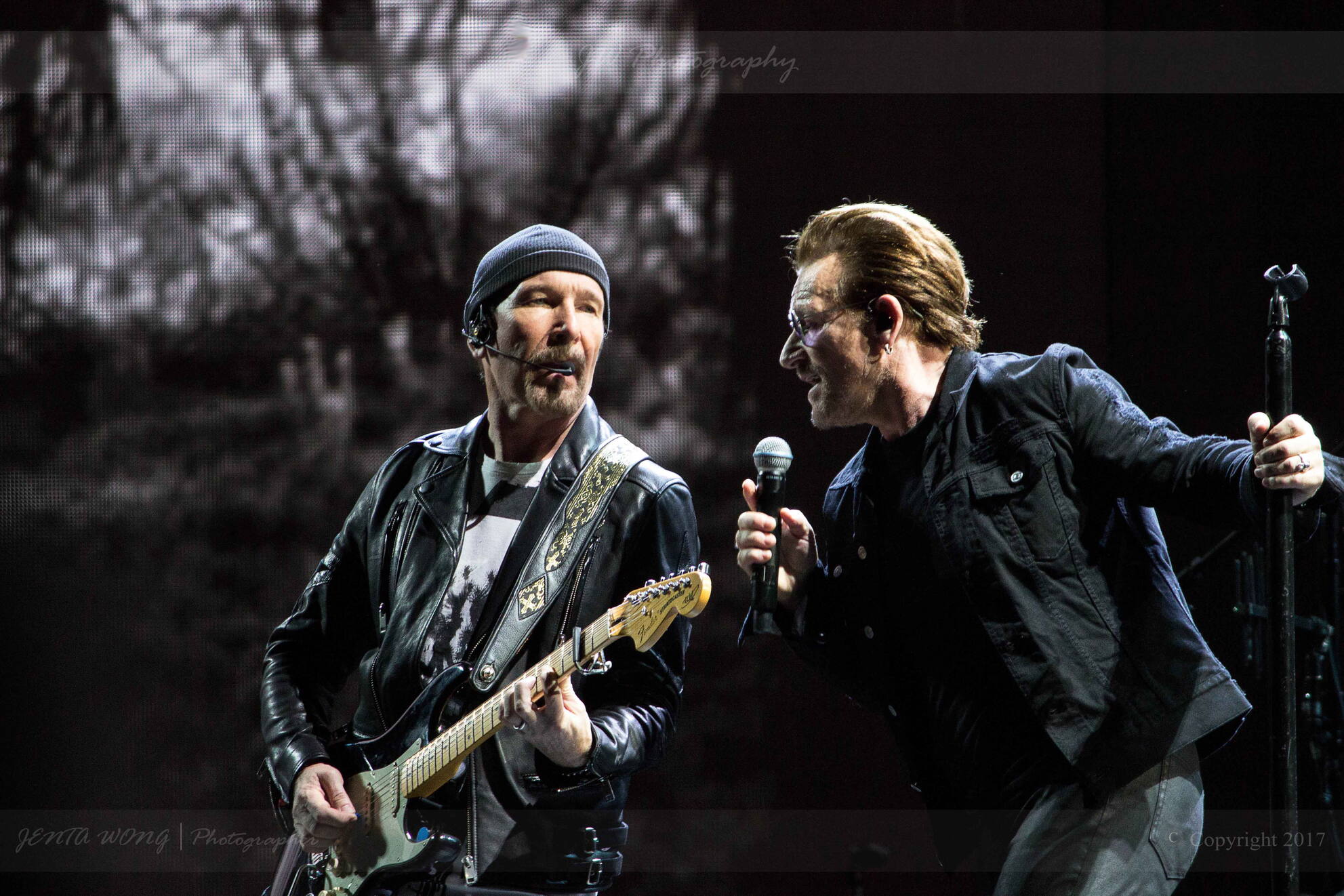
The Edge’s guitars are back to building sonic cathedrals that smell of wide-open spaces, while the rhythm section rediscovers the gut-level tightness that only those who have shared half a century on stage carry in their blood. There is no breathless chase after the streaming charts, nor the dusty nostalgia of a band living off past glories: instead there is the maturity of four men who have weathered every season of rock without ever ceasing to question the cracks of our time, and to anticipate trends they themselves helped create. Bono’s voice, grainier and more earthbound today, no longer reaches for the invincible high notes of his twenties; it inhabits the words with the gravity of someone who knows the weight of today’s shadows – war in Europe again (Ukraine now; on Zooropa it was the civil war in Yugoslavia), hyperconnected loneliness, a collective sense of being lost – and deliberately chooses to answer by switching on a light. It won’t be enough to heal the world’s ills, but maybe that is the secret of a love that outlasts generational turnover and the passing fads of contemporary pop. When the lights go down at San Siro in July (with the excellent Wolf Alice opening) and the first notes cut through the warm air of a Milan summer, it won’t just be the celebration of a legendary band. It will be a community coming back together that, decades on, still needs to believe a song can hold the pieces of the world together. Because the nineties may be long over, filed away in the archives of our youth, but as long as there is a stage lit up like daylight and seventy thousand voices ready to sing in unison against the dark, that journey – faraway, so close – can’t truly be called over.