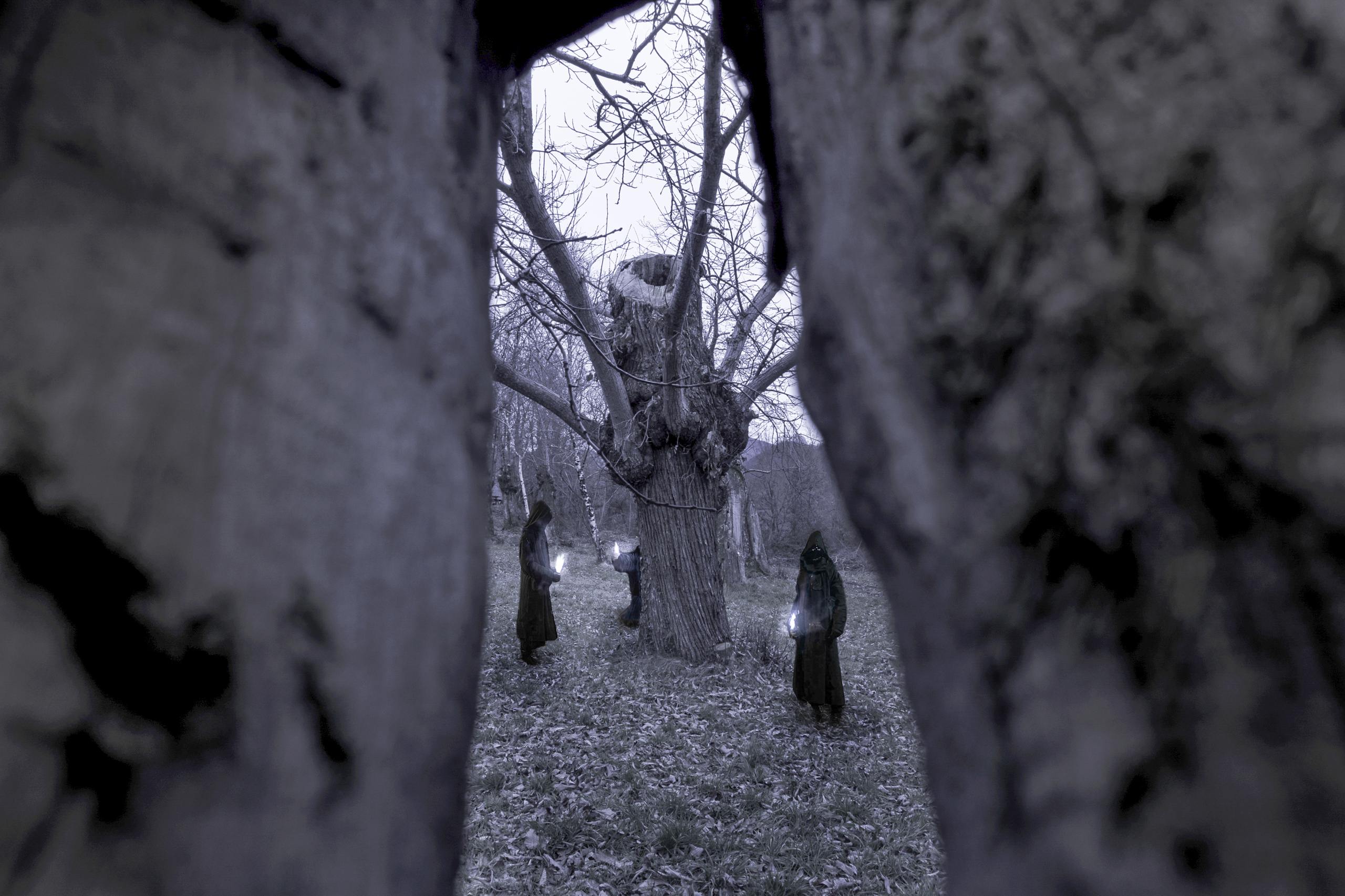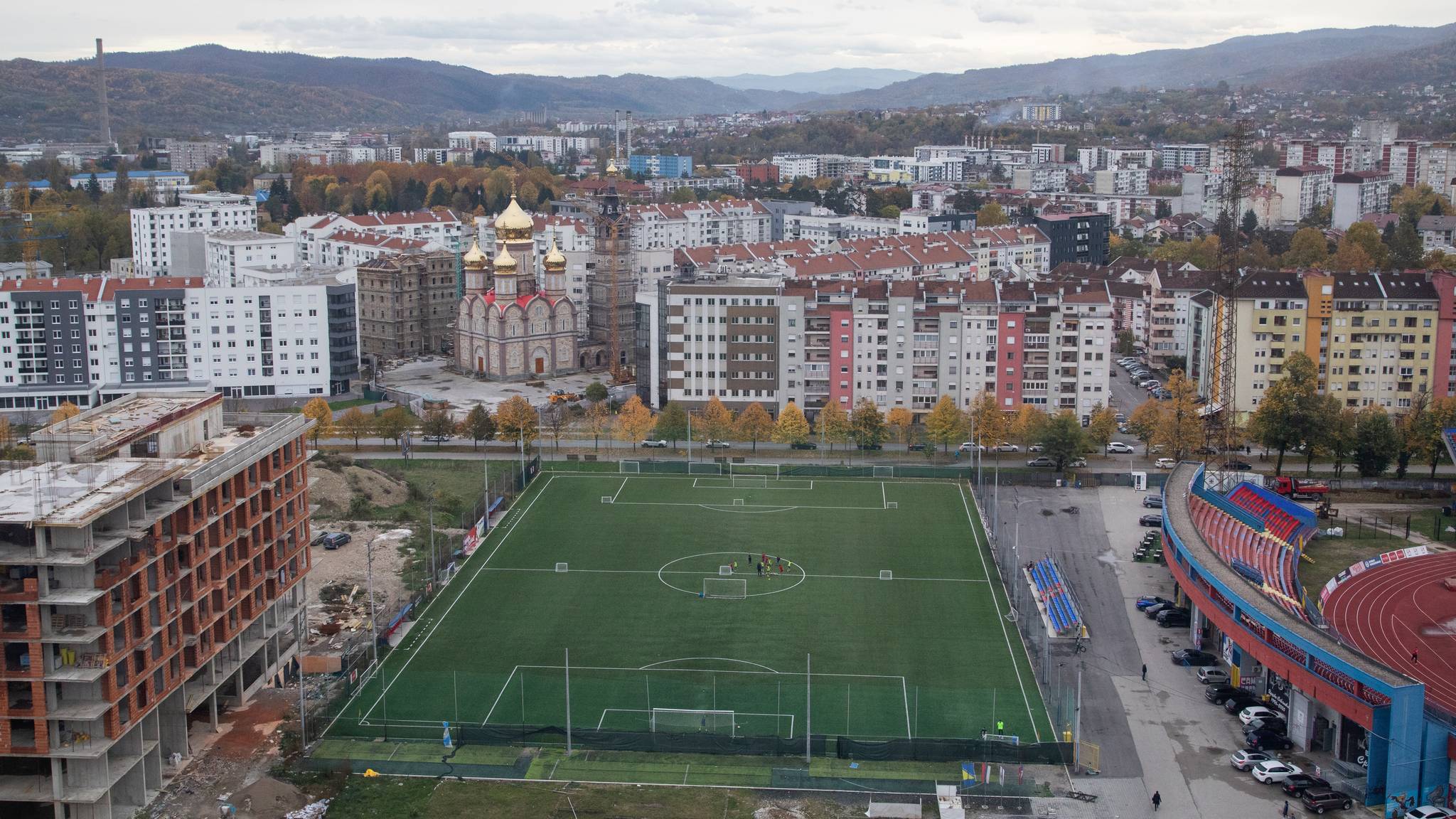
Dayton’s Legacy. A TerraProject reportage from Bosnia, 30 years after the civil war in Yugoslavia
The Florentine photography collective TerraProject is celebrating twenty years of work.
FUL presents their latest project, marking thirty years since the Dayton Accords, which ended the civil war in Yugoslavia but left Bosnia and Herzegovina suspended in a condition of chronic impermanence.
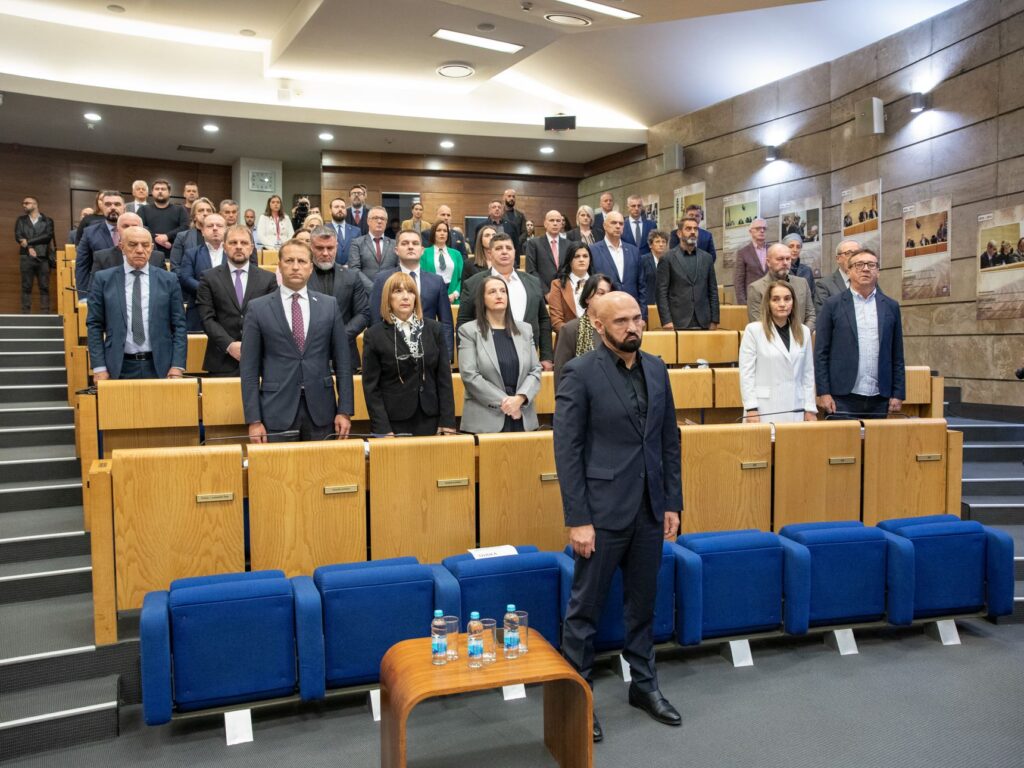

For thirty years, the shadow of Yugoslavia has stretched across the European Union. It left behind a legacy whose numbers remain like ghosts that should still haunt us, despite collective amnesia: 130,000 dead, 20,000 missing, and 2.5 million displaced people. A modern country collapsed and was swept away by a dirty war – as all wars are, after all – but one made even crueller by its fratricidal nature, fueled by nationalism and fought among people who, until 1991, had studied, worked, and fallen in love without regard for ethnicity or religion. The collapse of the socialist regime and the economic crisis of the 1980s laid the groundwork. Then, day by day, hatred was cultivated among ordinary people by a political elite that chose war over stepping aside, dismantling the positive yet fragile federal state conceived by Marshal Tito. The world was changing, the Cold War was coming to an end, and, as Italian-Bosnian writer Elvira Mujčić once observed, “the Wall fell in Berlin in 1989, but it landed on the heads of the Yugoslavs.” The declarations of independence from Belgrade by Slovenia and Croatia on June 25, 1991, marked the beginning of the tragedy. Yet it was Bosnia’s declaration of independence on April 5, 1992, that turned the conflict into a massacre of enormous proportions in an ethnically diverse country that had become a powder keg. The Siege of Sarajevo and the genocide of Srebrenica stand as the defining symbols of that war. The Dayton Accords, brokered by U.S. President Bill Clinton in December 1995, brought an end to the conflict in the Balkans. However, they effectively froze the territorial gains made by Serbs and Croats, creating an artificial state composed of Serbs, Croats, and Bosniaks compelled to coexist within shared institutions. The Accords also left the Kosovo question unresolved. In the autonomous province, whose ethnic Albanian majority sought independence from Serbia, the Kosovo Liberation Army (KLA/UÇK) had been founded in 1993. Serbian President Slobodan Milošević – who had actively pursued and provoked the war – was paradoxically cast in Dayton as a “peacemaker,” until, a few years later, the KLA insurgency prompted him to launch a military intervention in the rebellious province. Thus, in 1999, the “Yugoslav Wars” gained a final chapter, culminating in the devastating NATO bombing campaign against Serbia aimed at halting the military occupation.
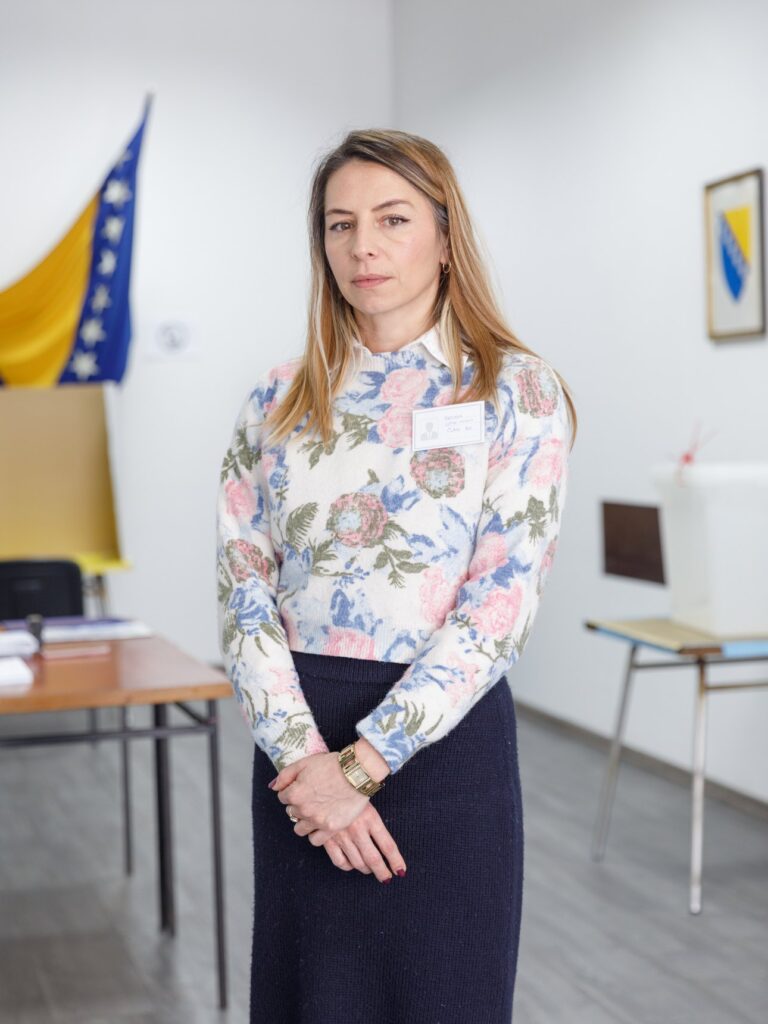

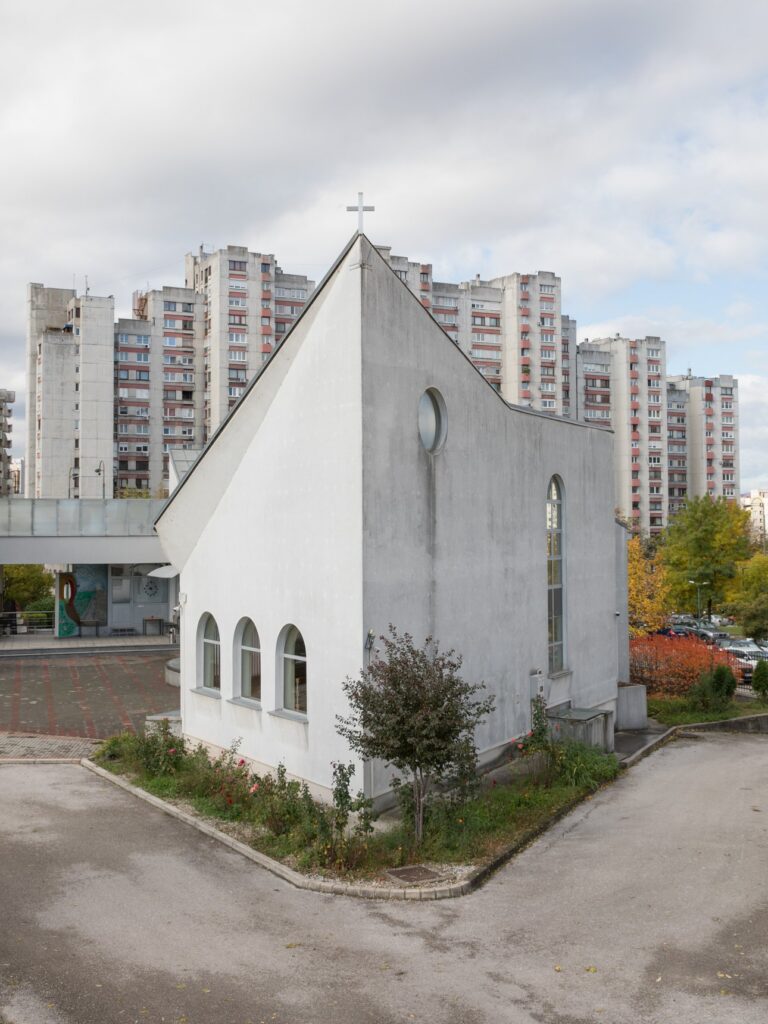
Dayton’s Legacy continues TerraProject’s long-term investigation (Michele Borzoni, Simone Donati, Pietro Paolini, and Rocco Rorandelli) into forms of artificial democracy: political systems shaped and sustained by external powers, where sovereignty often remains partial and unresolved. Following the collective’s previous work in Kosovo, this project turns its attention to Bosnia and Herzegovina, a country whose constitutional framework and political identity emerged not from internal reconciliation but from an internationally imposed agreement designed to end a war. In 2026, thirty years after the Dayton Accords, Bosnia and Herzegovina remains suspended in a condition of chronic impermanence. It is a state built from the outside, governed through international oversight and veto powers, and held together by international actors rather than by a shared ideal of reconciliation. Through access to fragile institutional spaces and encounters with younger generations, Dayton’s Legacy reflects on the human and political cost of incomplete self-determination. The project examines how external governance continues to shape everyday life, identity, and expectations, while internal divisions pull the country in opposing directions: between the Eurocentric aspirations of the Federation of Bosnia and Herzegovina and the political and cultural gravitation toward Serbia and Russia within Republika Srpska, encouraged by the increasingly authoritarian and destabilizing leadership of Milorad Dodik. TerraProject’s photographic practice – calm, observant, and unsentimental – frames Bosnia and Herzegovina as a landscape suspended in time, a territory still waiting to become a home, where individuals move along scattered trajectories, without the guidance of a single, clearly identifiable center of gravity.
The project was carried out with the support of the Department of Law of the University of Siena and funded by the European Union – Next Generation EU – Mission 4, Component 1, CUP B61I24000450006.
Text by Francesco Sani with a contribution by Valerio Grana