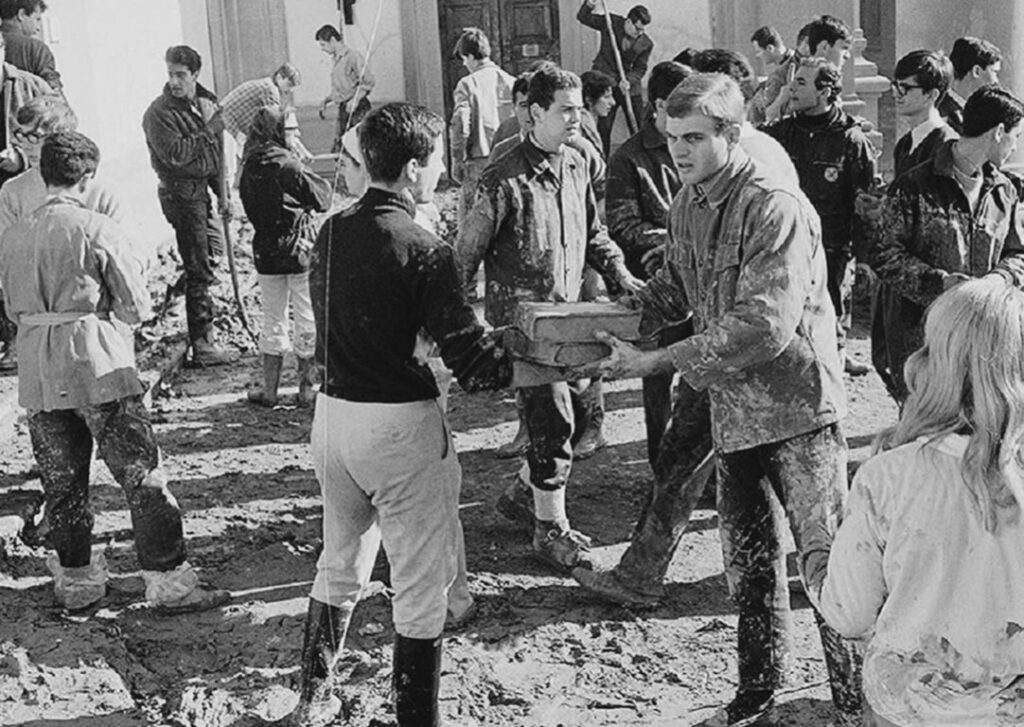
On November 4, 1966, the Arno burst its banks and flooded the city, carrying water, mud, and heating oil with it. The toll was 35 dead across Florence and its province, and more than 70,000 families left homeless. In the days that followed, hundreds of young people arrived from all over Italy, from Europe, and from the rest of the world: they formed human chains to save books, paintings, and sculptures. They went down in history as the Angeli del fango, the “Mud Angels.” Sixty years later, the city remembers them in many ways, and nearly all of them start from the same idea: memory isn’t just something you look at, it’s something you practice.
Monday, November 2: “La fiuma” at the Teatro Nazionale
Things kicked off at 6 p.m. at the Teatro Nazionale (via dei Cimatori 8) with the launch of La fiuma by Dario Franceschini, a follow-up of sorts to Aqua e tera, his 2024 novel. Both are published by La nave di Teseo. Mayor Sara Funaro, Member of the European Parliament Dario Nardella, writer and journalist Adriano Sofri, Erasmo D’Angelis (president of the Fondazione Earth Water Agenda), and actress Maria Cassi were scheduled to join the author. Opening remarks were to come from Dario Danti, councilor for the City of Florence.
Tuesday, November 3: Roberto Ghezzi’s Arno
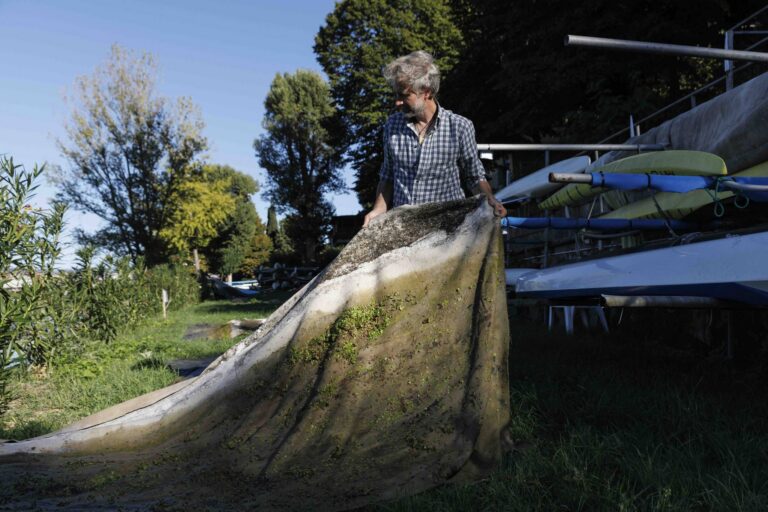
At noon at the MAD Murate Art District (piazza delle Murate), the press got a first look at the citywide exhibition Roberto Ghezzi. ARNO, storie di riconciliazione tra Firenze e il suo fiume (stories of reconciliation between Florence and its river), part of the official program marking the 60th anniversary of the flood.
From November 4: the exhibitions
The Museo Archeologico Nazionale and the Museo degli Innocenti face the same square and share the same story from those days. That’s why they’ve built a joint exhibition project, Curare il passato e proteggere il futuro (Caring for the Past, Protecting the Future), made up of two shows.
Salvati dal fango: il recupero dell’archeologia a Firenze (Saved from the Mud: Recovering Archaeology in Florence) runs at the Archeologico from November 4, 2026, to March 7, 2027. One section is devoted to the birth of the Centro di Restauro Archeologico della Toscana, the lab set up inside the museum after the disaster that went on to become a center of international excellence. L’alluvione del 1966 in piazza Santissima Annunziata: gli Innocenti e l’Archeologico tra acqua, fango e salvataggi is at the Innocenti instead, from November 4 to December 31, 2026. Both feature period photographs, restored artifacts, film footage, archival documents, and objects still caked in mud.
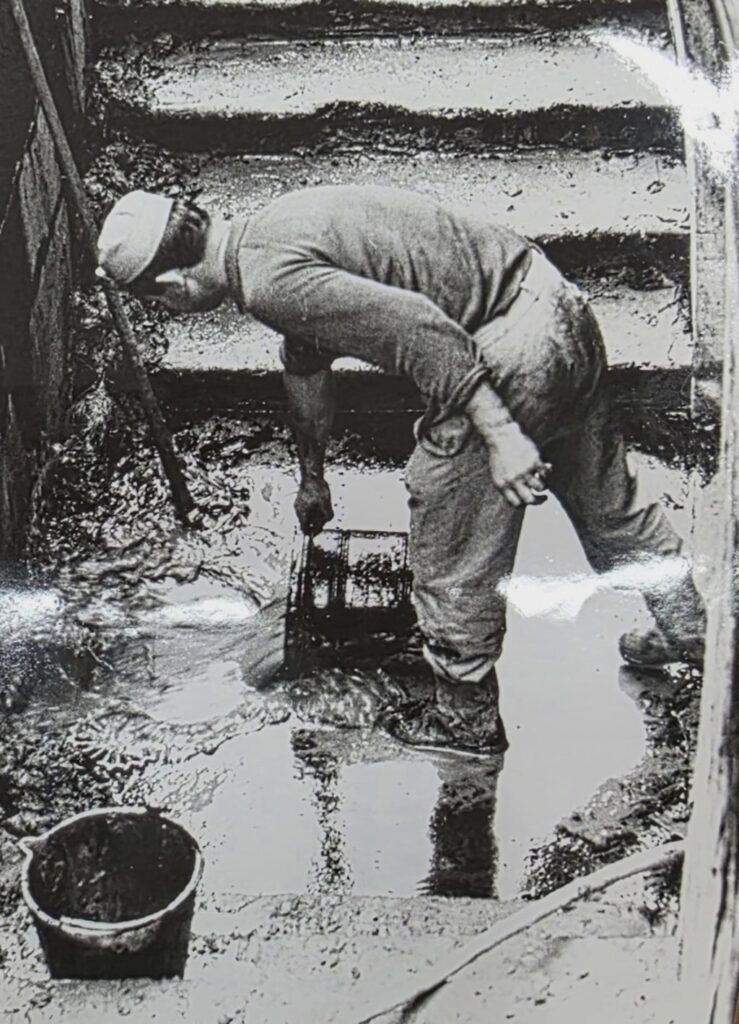
At the Archeologico (via della Colonna 38), the opening turns into three days of events. On Wednesday, November 4, Italy’s National Unity Day, admission to state museums is free. At noon, director Daniele Federico Maras leads a guided tour. From 6 to 10 p.m. the museum opens for a special evening: curator Claudia Noferi leads a tour every hour and, afterward, conservator Giulia Basilissi takes small groups into the “Erminia Caudana” restoration lab. On Thursday the 5th at 4 p.m., the talk Io c’ero (I Was There) brings together the voices of witnesses, including Etruscologist Filippo Delpino, then a young research fellow: free admission with reservation. On Friday the 6th, the curator guides visitors through the exhibition at 10 and 11:30 a.m., with tours included in the ticket.
From November 4 to 20 there’s also Forme del fango (Shapes of Mud), an artistic research project by the Accademia di Belle Arti di Firenze. The exhibition revisits the memory of 1966 by turning the mud that settled in the Accademia’s cellars into artworks made by its students. It’s presented to the press on Wednesday, November 4, at noon in the Accademia’s library (via Ricasoli 62), with president Giovanni Iovane, director Gaia Bindi, and councilor Dario Danti.
November 4, 7:30 p.m.: the Angeli del fango on the big screen
On the exact day of the anniversary, cinema La Compagnia (via Cavour 50r) hosts the world premiere of Angeli del fango, la meglio gioventù europea by Marco Spagnoli. The documentary is part of the Festival dei Popoli, running in Florence through November 8. The director, the people featured in the film, and several Italian, French, and German Mud Angels will be in the theater. The film also airs on Rai Storia at 9:10 p.m. It tells the story of those days through personal memories and archival material, and looks at what that experience left behind. For many volunteers it was a turning point: some became restorers, librarians, teachers.
Also on November 4: music, from the Mandela Forum to Santa Maria Novella
At the same time, from 7:30 p.m., a string orchestra with soprano, made up of about fifteen students from the Crescendo Musica Toscana project (funded by the Region of Tuscany), plays at the entrance of the Mandela Forum, in front of the replica of Nelson Mandela’s prison cell. On the program is Alberto Solari’s Breve Requiem, with artistic direction by Luca Marino. Videos and images of the flood play on the LED wall in Piazzale Berlinguer. The performance opens the evening ahead of Marco Masini’s concert, scheduled for 9 p.m. Massimo Gramigni, president of the Associazione Nelson Mandela Forum, explains the choice this way: it’s the younger generations who have to keep the memory alive.
At 8:30 p.m., in the Basilica di Santa Maria Novella, the concert 60 anni dopo (60 Years Later) dedicates the evening to the Mud Angels with Beethoven’s Ninth Symphony. It’s performed by the Orchestra Florence Symphonietta conducted by Grazia Rossi, with soloists Rosalba Aurora Donato (soprano), Jieun Jeon (contralto), Mario Greco (tenor), and Davide Sodini (bass), and the choirs Harmonia Cantata, Corale Santa Cecilia di Borgo San Lorenzo, and Quadriclavio Corale di Bologna: more than 150 performers in all. The event is organized by the Lions Club Filippo Neri with the Opera Santa Maria Novella and is a benefit for the Italian Red Cross and Fondazione ANT Italia ETS. Admission by reservation only, at +39 339 6593990.
A shop window on the flood: Via Calzaiuoli, 1966
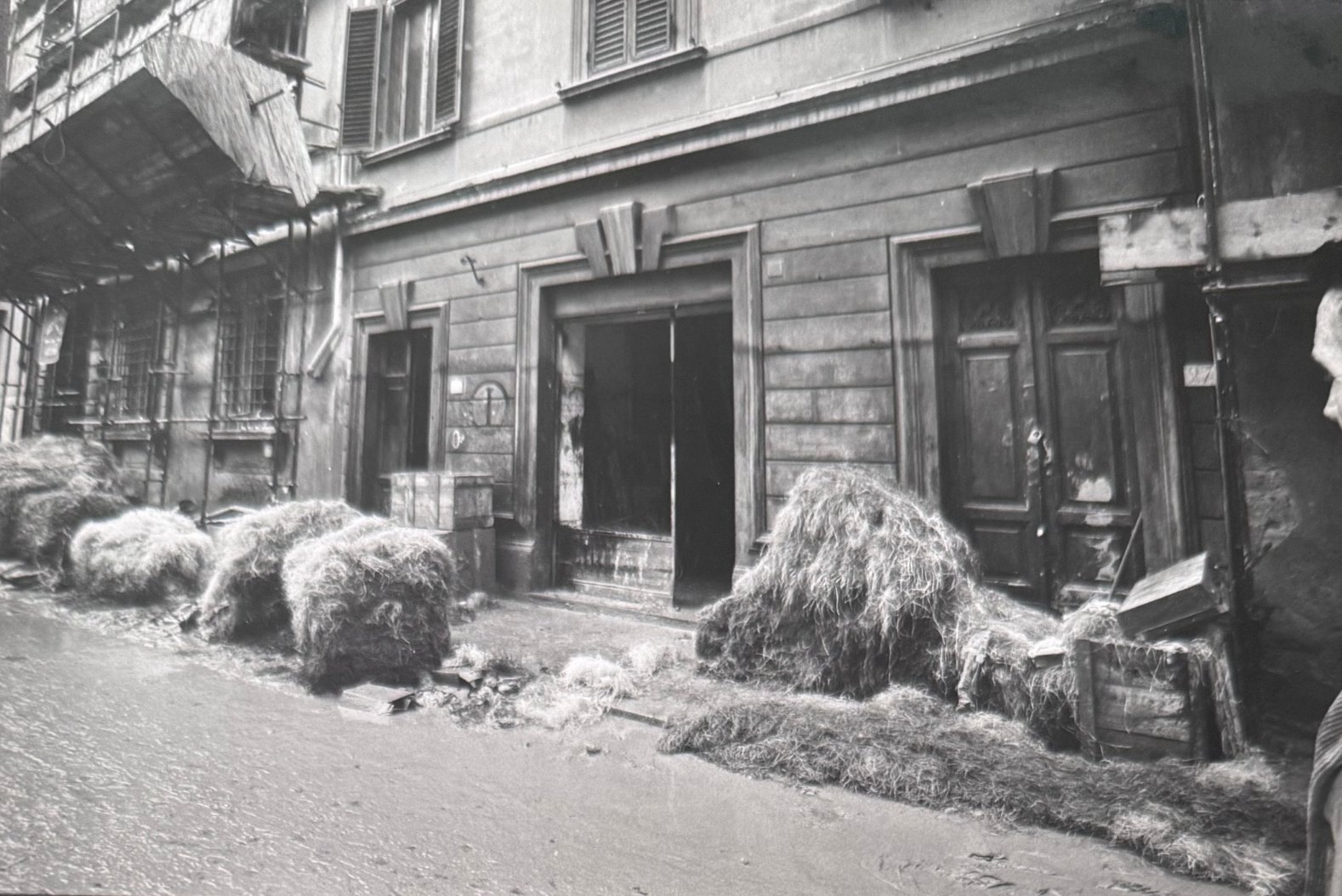
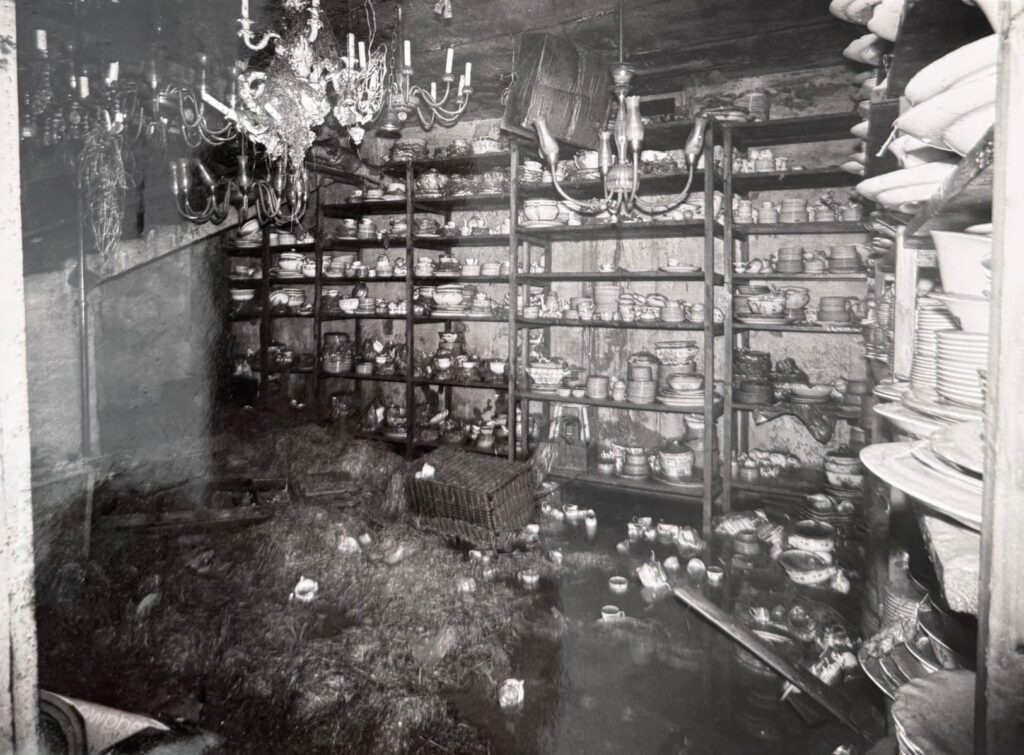
Then there’s a story told through shop windows. From October 8 to 16, 1966, British Week had brought exhibitions and displays celebrating ties with the United Kingdom to Florence. Armando Poggi, a china and homewares shop opened in 1936 on Via Calzaiuoli, won first prize and the Gold Medal for its windows, presented by British Ambassador Sir John Ward in the Salone dei Duecento in Palazzo Vecchio. On October 31, Ward himself wrote to congratulate the shop, in a letter the family still keeps. Four days later, the Arno swept through the street: long and straight between Piazza della Signoria and the Duomo, Via Calzaiuoli turned into a channel of water, mud, and debris.
Photographs from the family archive convey the scale of the devastation: porcelain and crystal smashed, the Jasperware coated in mud, tangles of branches caught in the chandeliers. One of the images shows Armando Poggi himself, in profile, almost hidden in a corner, surrounded by what’s left of the merchandise. It’s a less monumental, more everyday view: that of the shops and shopkeepers who watched goods, furnishings, and years of work vanish in a few hours. The business reopened, and in 2026 it celebrates its 90th anniversary.
Not just Florence
The ’66 flood also hit Venice, and it rallied international support for Italy’s heritage. The World Monuments Fund, founded in 1965, answered the emergency with its first major mobilization. Since then it has invested more than $23.5 million in some 100 restoration and conservation projects in Italy. In May 2026 it opened an office in Milan.
Dates, venues, and times are below. The thread that ties them together is the one from sixty years ago: someone stepped up when it was needed.