Inside Mascarade Opera’s New Season
Over the past few months we have found ourselves coming back to opera more than once. Mostly because, after seeing it live, we realized that many of the prejudices we had about it simply didn’t hold up.
At Palazzo Corsini we discovered a world far less remote than we had imagined. And the new 2026/27 season of Mascarade Opera, which opens on October 8, is a good excuse to go back. Not least because this time it isn’t only opera: there is chamber music, Mozart and Puccini, young artists from seven countries, the rediscovery of Renaissance sacred music and, widening the lens to the New Generation Foundation, even the debut of a new ballet company with Swan Lake. It all belongs to the world of the New Generation Foundation, which in 2027 will also celebrate ten years of the New Generation Festival.
In short, this year’s program is packed, so let’s try to figure out what’s worth marking on the calendar.
A new generation arrives in Florence
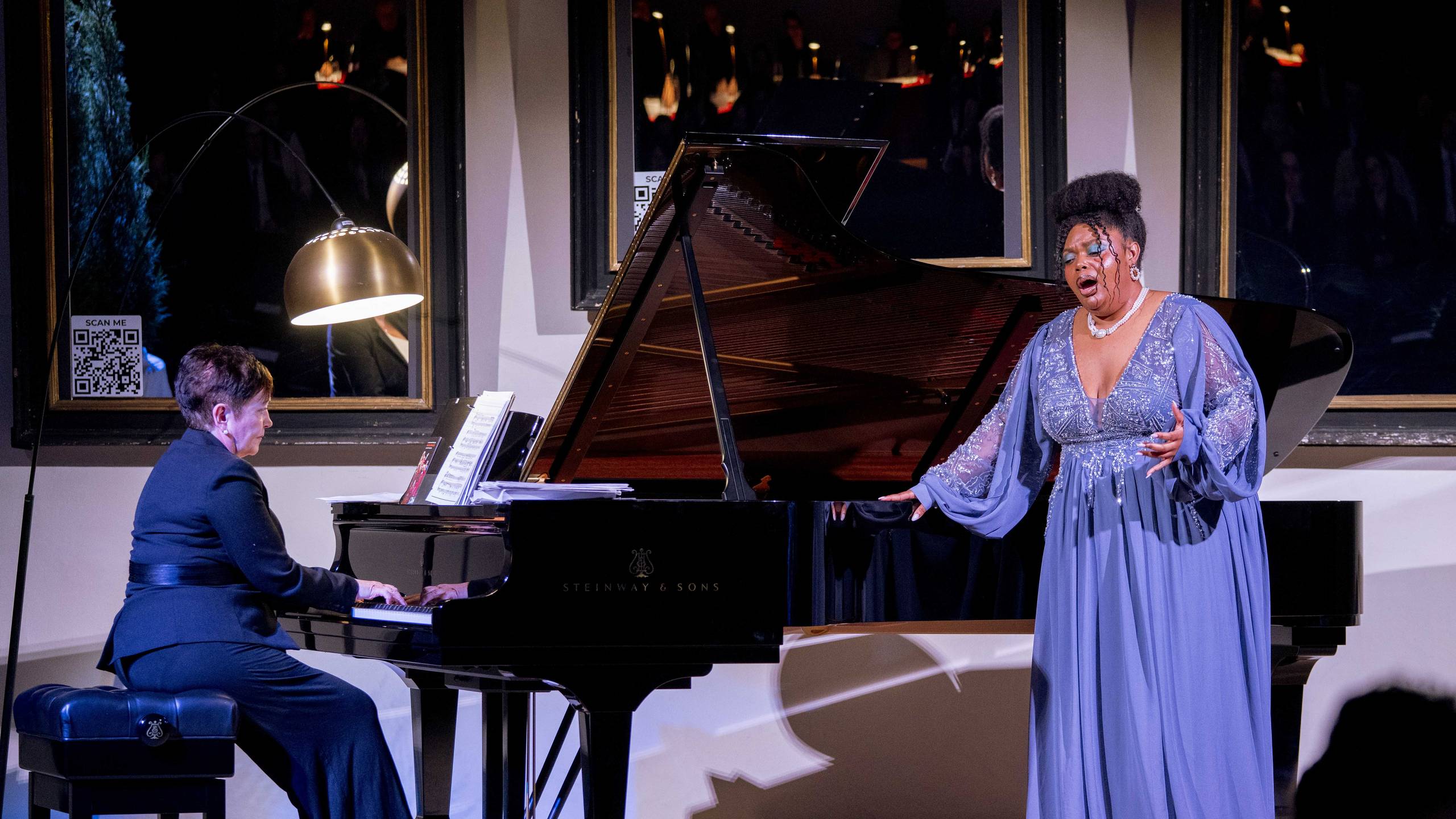
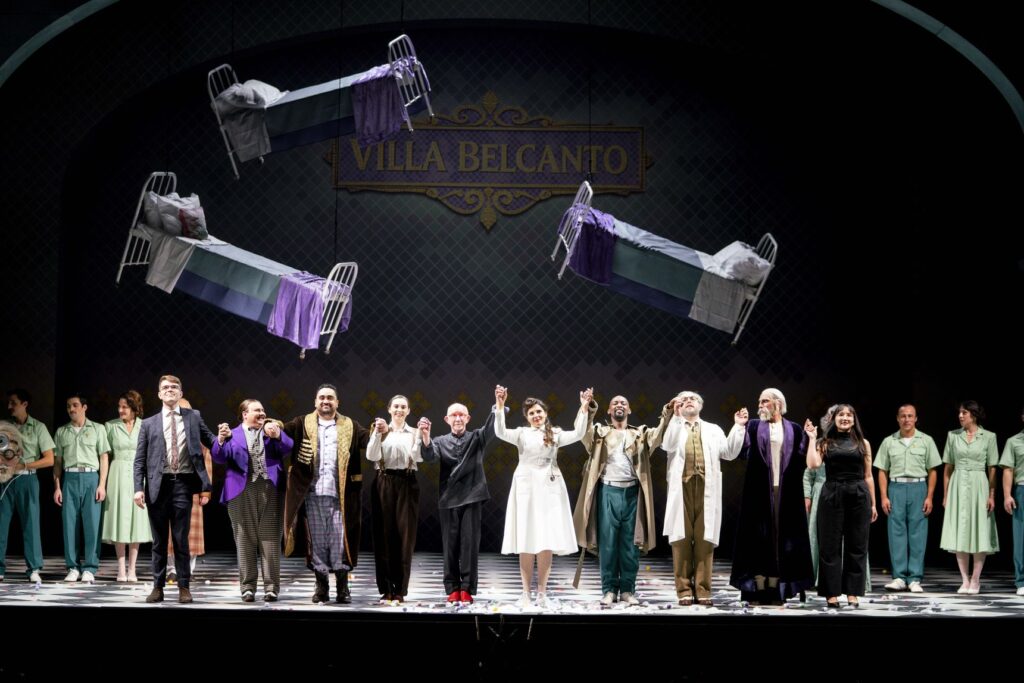
Mascarade Opera’s new season opens on Thursday, October 8 with Laurus Florentiae, the evening that introduces the new group of Emerging Artists, chosen through Mascarade Opera’s international auditions. They come from China, New Zealand, Portugal, South Korea, the United States, Canada and Spain: young singers and répétiteurs (the pianists who coach singers through their roles) who will spend the coming months working in Florence and will also take part in the season’s productions.
It’s an image we keep finding meaningful. While in Italy we have spent years debating the crisis of opera, young artists are crossing half the world to come and study it, and practice it, right here.
During the evening they will perform some of the best-loved arias in the operatic repertoire and receive the Laurus Florentiae award, along with silver pins made for the occasion by Pampaloni, the historic Florentine silversmith.
It’s their official entrance at Palazzo Corsini, but also the first chance for the audience to get to know the performers they will see on stage in the months that follow.
From opera to chamber music
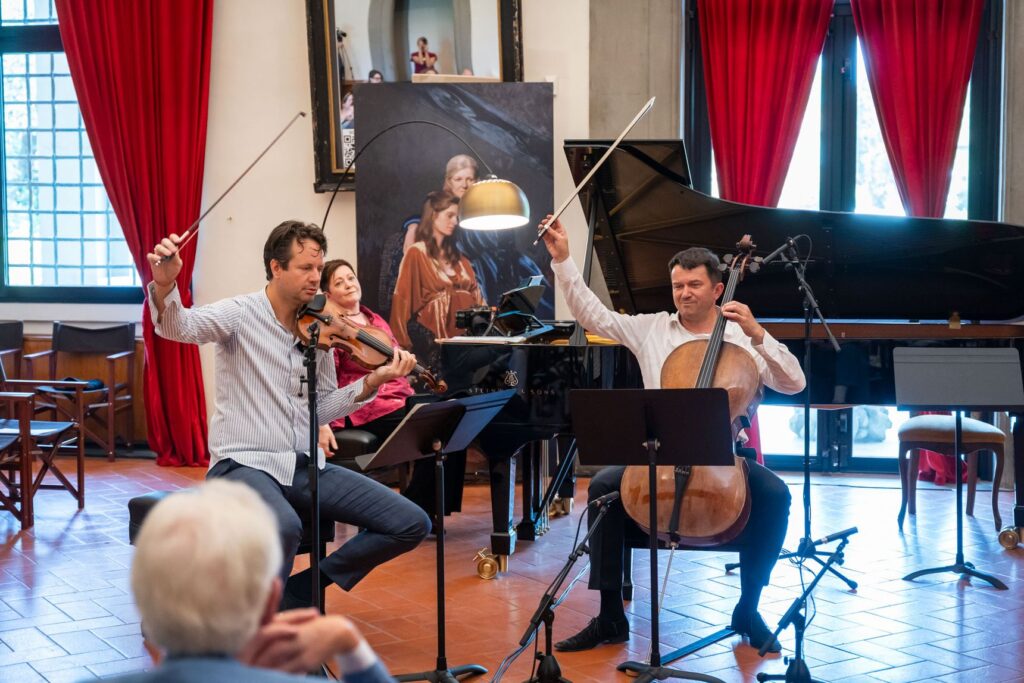
On October 24 the mood changes completely with Tristia: Viaggi romantici (Romantic Journeys), devoted to Ludwig van Beethoven, Franz Liszt and Antonín Dvořák. On stage: violinist Tijmen Huisingh, cellist Johan van Iersel and Julia Lynch, Mascarade Opera’s artistic director, at the piano.
A quick aside here for anyone who, like us not so long ago, hears the words “chamber music” and simply nods along, pretending to know exactly what everyone is talking about. It’s actually simpler than it sounds: it’s music written for a small group of instruments, originally meant to be played in intimate settings – the “chambers” of noble palaces, in fact – rather than in grand theaters. No monumental orchestra, then, and no sets: just a few musicians and a much more direct relationship with the people listening.
At Palazzo Corsini there will be three of them: violin, cello and piano. And perhaps this is exactly the right scale for chamber music: a few instruments, an intimate room and that closeness between musicians and audience that inevitably gets lost in big theaters.
Two operas, one new story
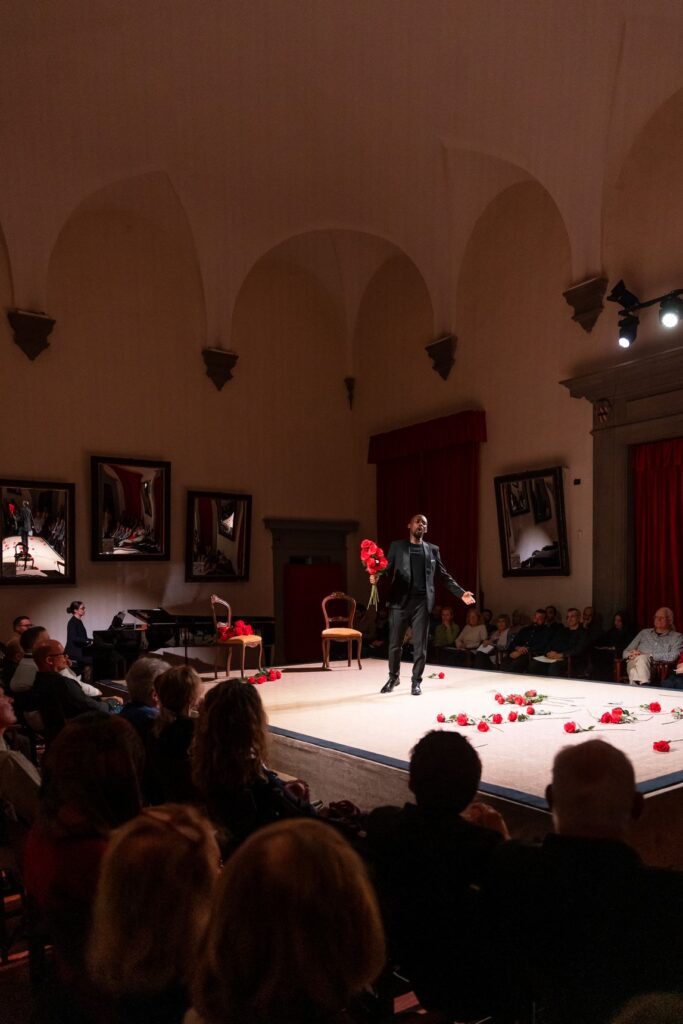
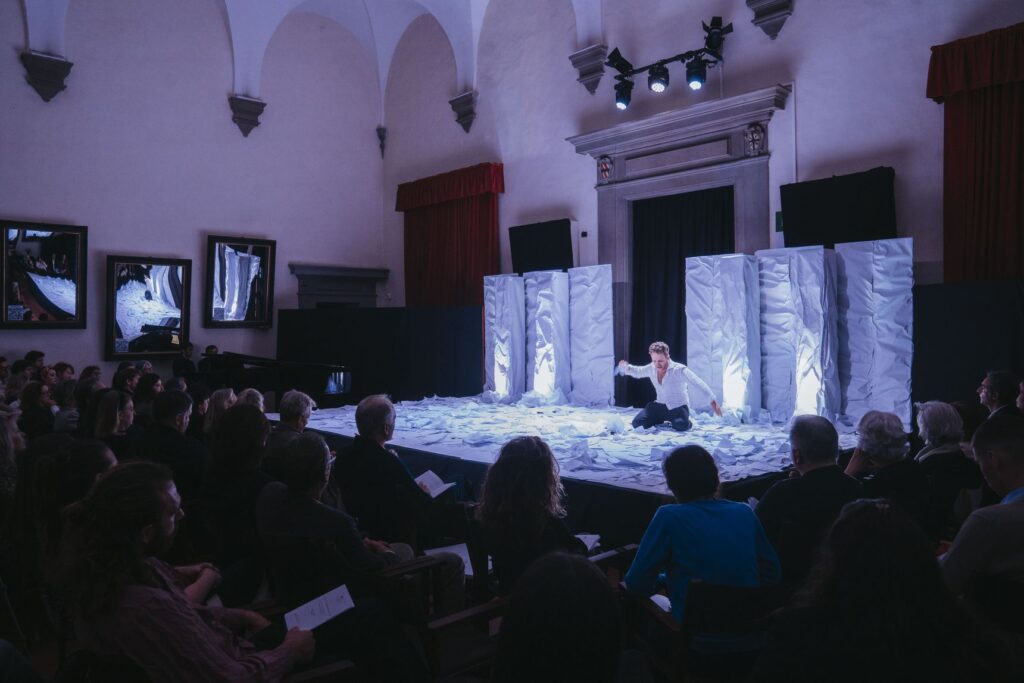
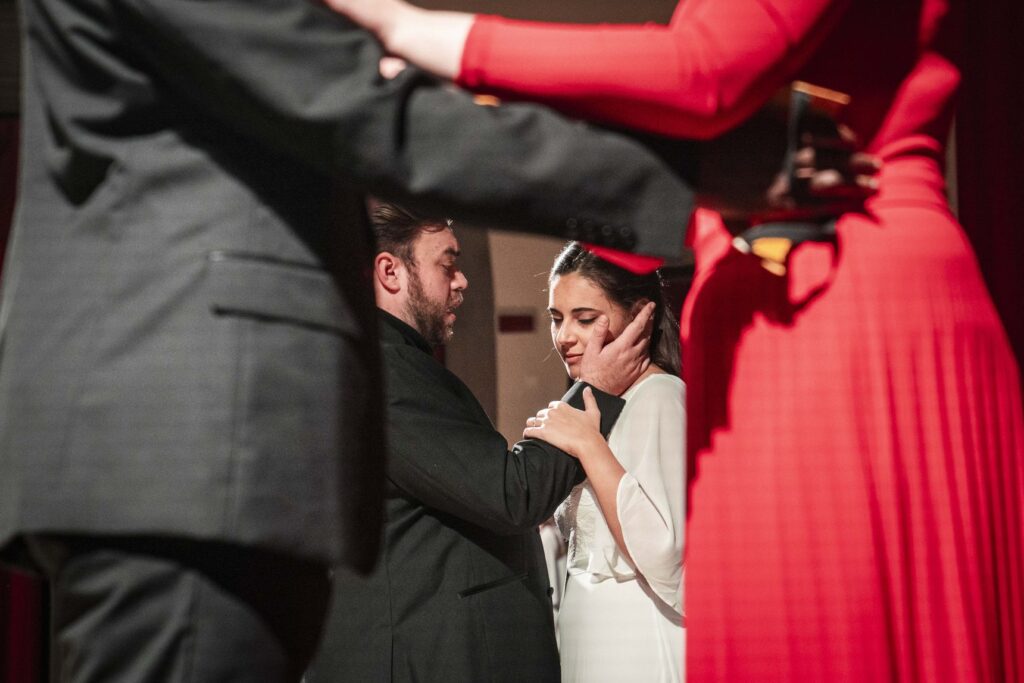
Among the season’s new features is Opera a Palazzo, a new format that takes scenes from different operas and builds them into a single theatrical narrative. Characters, stories and music born in different eras are brought into relation around a common theme.
The first installment, Verità e Clemenza (Truth and Clemency), is scheduled for November 12, directed by Patrick Lynch, and puts two seemingly distant worlds in dialogue: La bohème by Puccini and La clemenza di Tito by Mozart.
On one side there is the Paris of La bohème: a group of penniless young artists, the love between Rodolfo and Mimì and a story that starts almost as a game and ends in tragedy. In a nutshell: love, poverty, jealousy, youth and death. On the other there is the imperial Rome of La clemenza di Tito. At its heart is a plot against the emperor Titus, betrayed friendships, ambition and revenge, all the way to the ruler’s decision to pardon the people who tried to kill him. Two operas worlds apart in era, language and setting, which at Palazzo Corsini are taken apart and put back into conversation to explore love in its many forms.
And this may be where you best see what Mascarade is trying to do: not to simplify opera to make it easier, but to find new ways into it.
Opera a Palazzo will return on February 25, 2027 with Poesie d’aria.
A Christmas of Handel, Mozart, Bach and Renaissance Florence
Before the new year, though, there is one more date to save. On December 5 A Christmas Celebration returns: the traditional free Christmas concert held in the Chiesa dei Santi Michele e Gaetano.
On stage, several of the worlds that make up today’s New Generation Foundation will come together: Vox Medicea and the Coro di Santo Spirito, conducted by Mark Spyropoulos, alongside Mascarade Opera’s Emerging Artists. They will be joined by the English Cornett & Sackbut Ensemble and the orchestra La Filharmonie, conducted by Nima Keshavarzi.
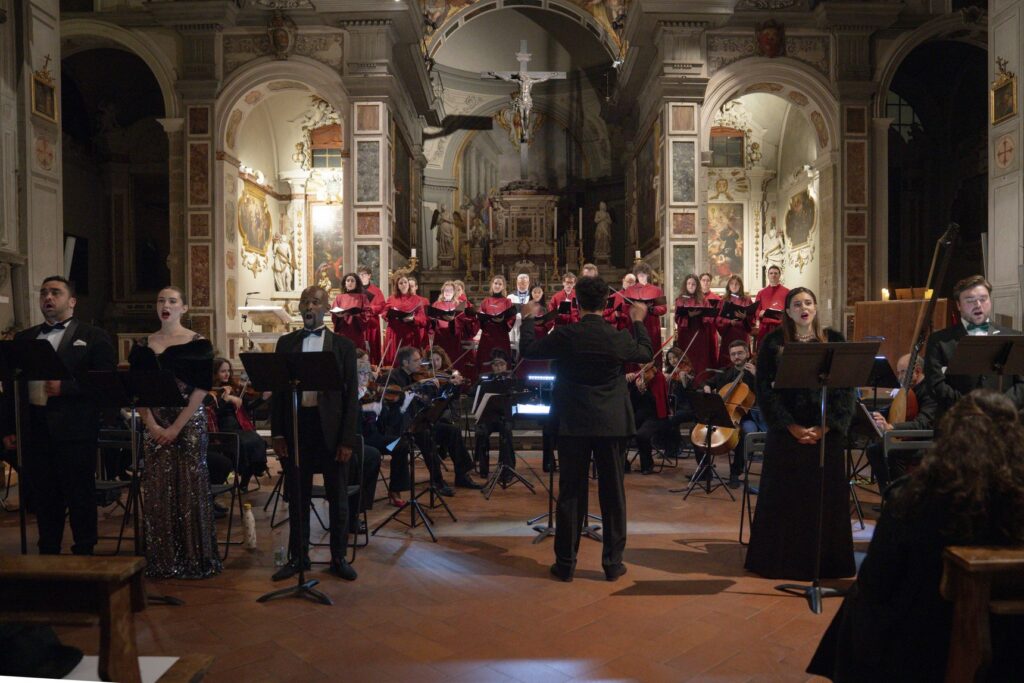
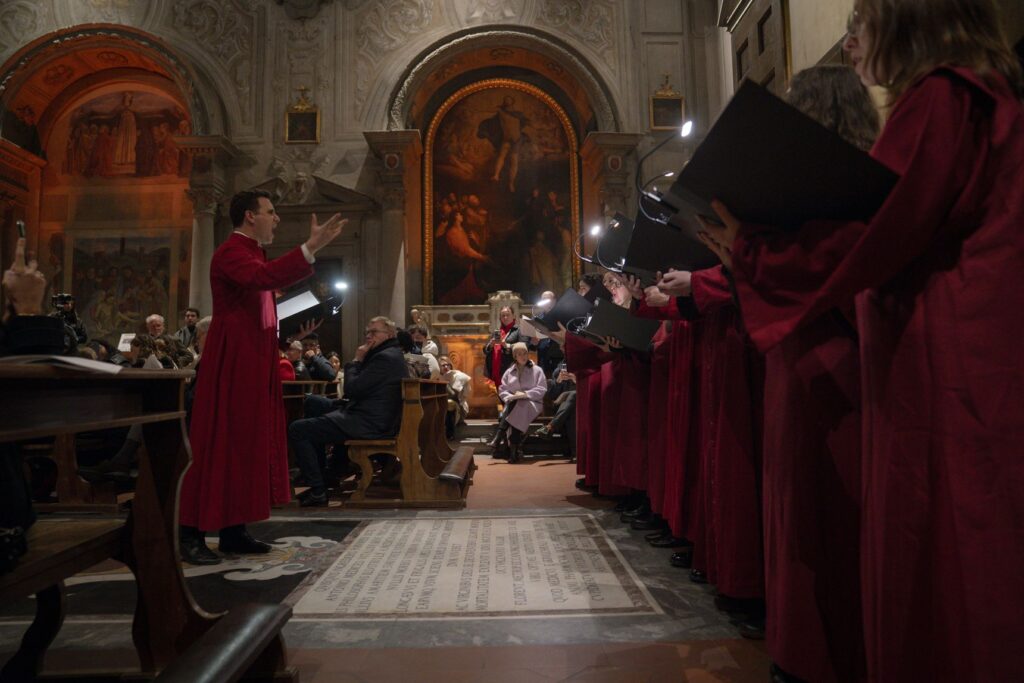
The program, too, brings different eras together: the great Christmas oratorios of Handel, Mozart and Bach will sit alongside rare, lesser-known works from the Florentine Renaissance.
And this is exactly where we can take a step back of a few centuries.
But what did Renaissance Florence sound like?
In Florence, we are used to looking at the Renaissance more than anything else. We have seen it in Botticelli’s paintings, in Michelangelo’s works, in Brunelleschi’s architecture. But if someone asked us what Renaissance Florence sounded like, we would probably struggle a bit more to answer. This lesser-known chapter of the city’s history is exactly what Vox Medicea is working on.
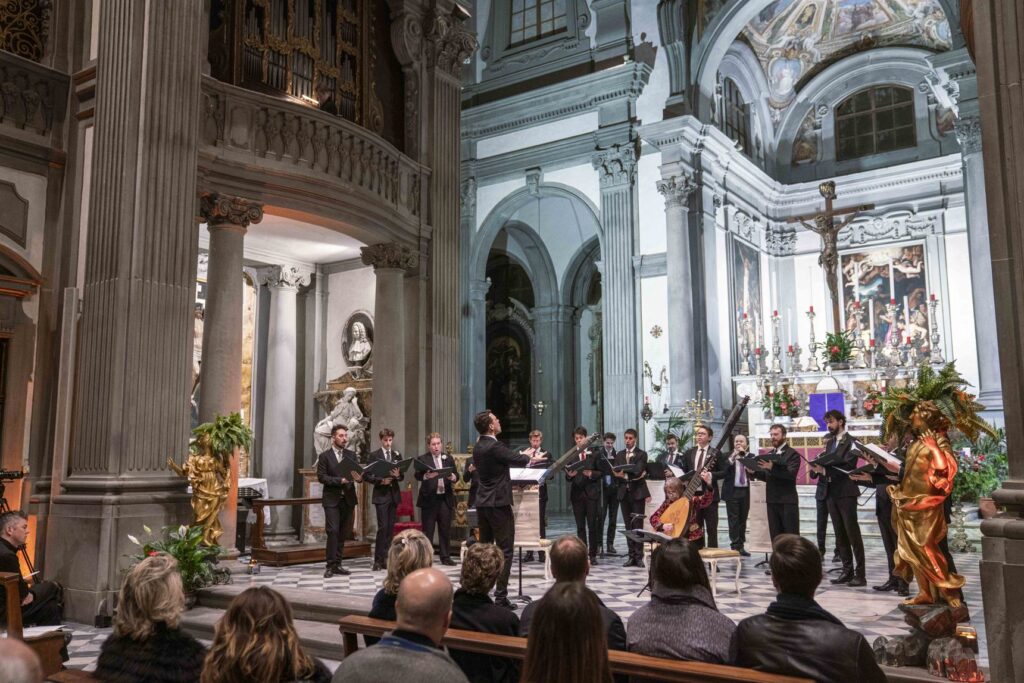
The research that the ensemble’s director Mark Spyropoulos and musicologist Giordano Mastrocola began in 2018 has led to the transcription of more than 150 motets, along with Masses, Magnificats, psalms, cantatas and laude (devotional songs in Italian) kept in archives and libraries across Europe.
In spring 2027 this work will make it onto record too: Vox Medicea will release on the Arcana label Sacred Masterpieces of the Medici, the first volume of a three-part recording project devoted to the musical heritage of Renaissance Florence.
Alongside the historical works there will also be the world-premiere recording of a motet by composer Nico Muhly, inspired by an anonymous Florentine piece.
Rediscovering music that sat in the archives for centuries and, at the same time, making new music. Here too, past and present end up far closer than we imagine.
In 2027, ballet arrives too
The New Generation Foundation’s project, though, now reaches well beyond opera. On March 14, 2027 the Nouveaux Ballets Russes will make their debut: the international ballet company founded by the Foundation together with its artistic director, Xander Parish.
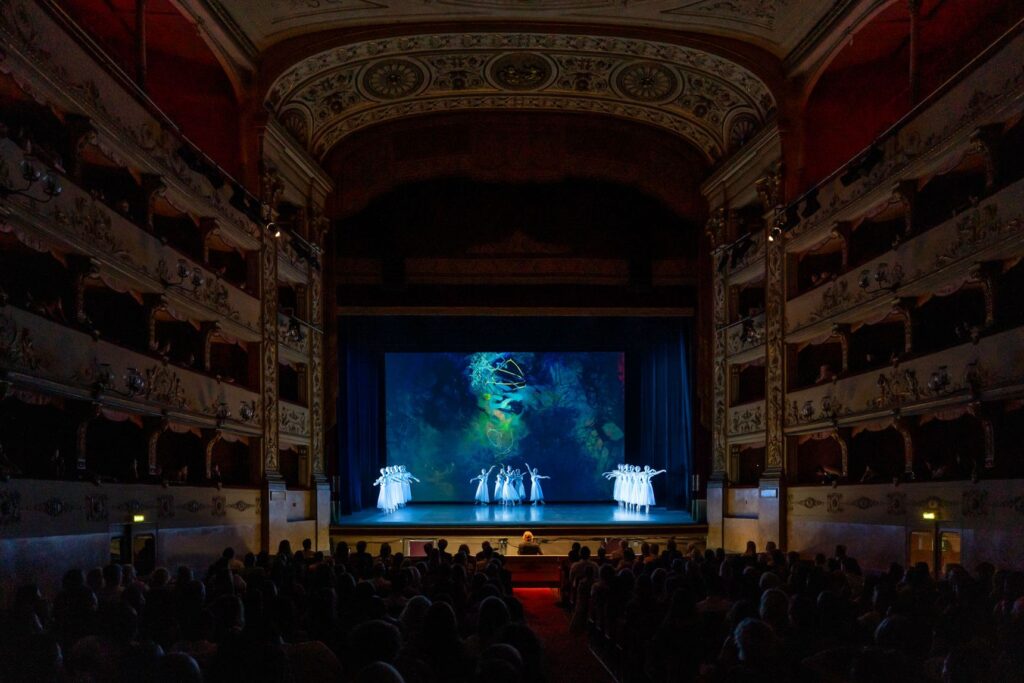
And to begin, 150 years after the ballet’s first performance, they will stage Tchaikovsky’s Swan Lake, in coproduction with the Teatro del Maggio Musicale Fiorentino.
The choreography will be by Xander Parish, James Conlon will conduct the Orchestra del Maggio and the staging will be entrusted to Jean-Romain Vesperini. The production runs at the Teatro del Maggio from March 14 to 21, 2027.
It is probably the clearest sign of the leap in scale that is underway: what we first came to know through the intimate evenings at Palazzo Corsini is now part of a project that brings together training, production and different artistic disciplines.
Ten years on
The season will then lead to an important anniversary. From June 2 to 6, 2027 the New Generation Festival will celebrate its first ten years with five days of opera, ballet, jazz, sacred music, chamber and symphonic music in some of Florence’s most prestigious venues, bringing together emerging talent, established soloists and international ensembles.
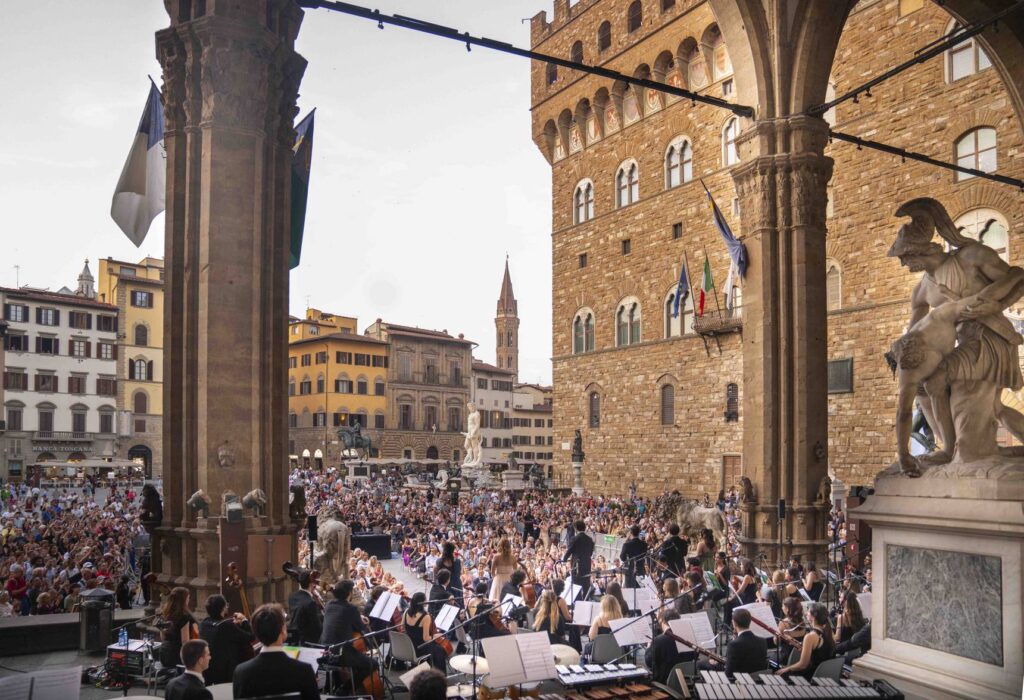
It was the Festival, born in 2017, that started the story of the New Generation Foundation. Ten years later, what was once just a festival has grown into a much broader project, which today brings together New Generation Festival, Mascarade Opera, Vox Medicea and Nouveaux Ballets Russes.
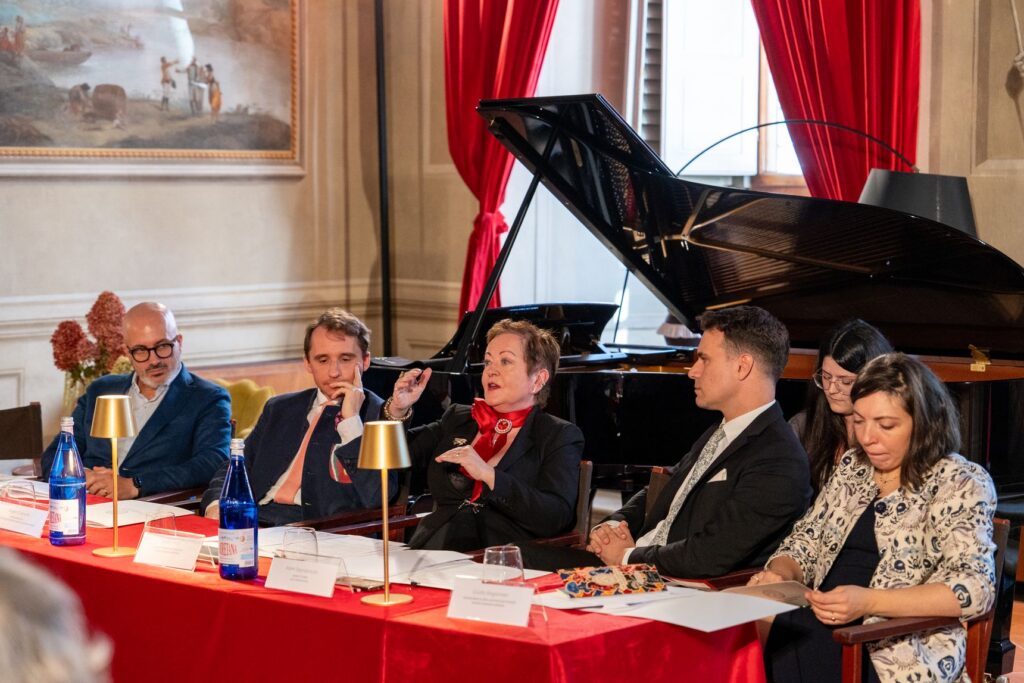
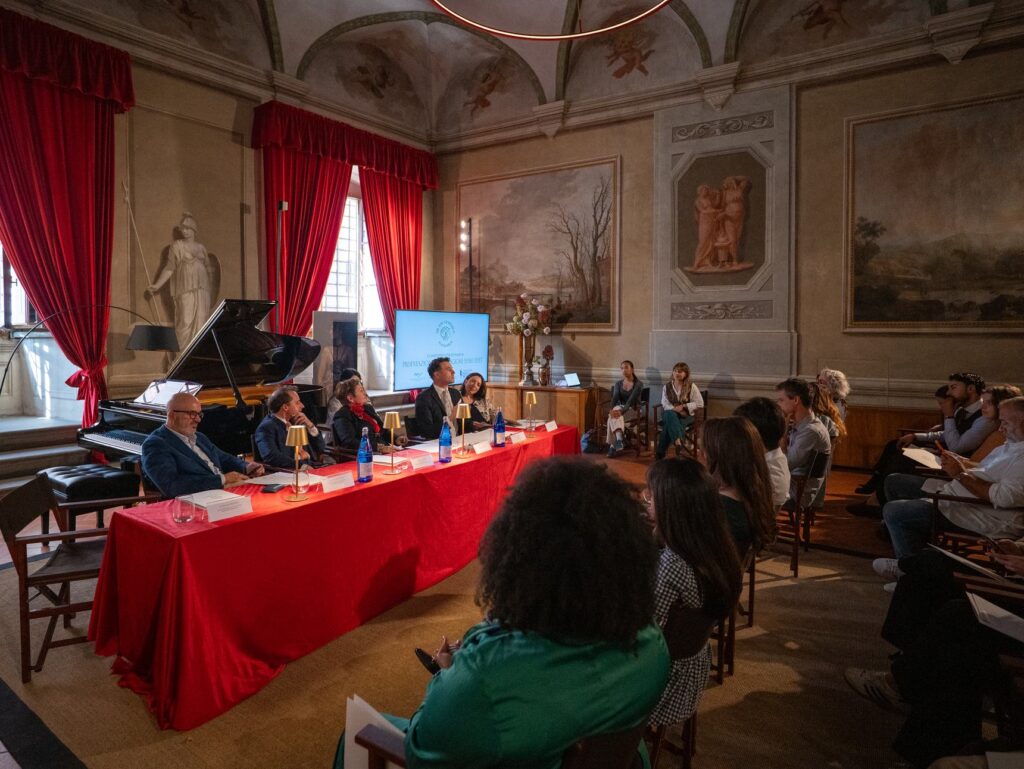
And perhaps it is by looking back at these ten years that the direction becomes clearer. Today young singers come to Florence from all over the world, forgotten Renaissance music is being brought back to light, and new ways of staging opera are being tried out.
In our earlier encounters with Mascarade, we had mostly asked ourselves whether opera could still speak to people who don’t usually go. This new season perhaps suggests a different question: not so much whether opera still belongs to the present, but how many different ways there are to keep telling it.