The Gardens of Florence: Beyond Boboli
One unmissable stop whenever the talk turns to Florentine gardens is, of course, Boboli — the Grand Ducal Garden of Palazzo Pitti — which draws roughly 800,000 visitors a year. What many people don’t know is that this most famous of the Medici gardens has “extensions,” or satellite gardens, that are open all year round and completely free to enter: the Giardino delle Ex Scuderie Reali and the Giardini del Bobolino.
The Giardino delle Ex Scuderie Reali and the Giardini del Bobolino
The Giardino delle Ex Scuderie Reali, also known as the Giardino di Porta Romana, is a historic park of more than five hectares set between Piazzale di Porta Romana and Viale Machiavelli. It was laid out in the second half of the nineteenth century (between 1869 and 1876) and still contains several buildings that once belonged to the so-called “royal stables complex,” built when Florence was the capital of Italy at the wish of King Vittorio Emanuele II of Savoy, who commissioned the architect Fabio Nuti to design a space large enough to house Palazzo Pitti’s horses, carriages and, naturally, its service staff.
When the capital was moved to Rome, however, the complex sadly fell out of use until at least 1919, when it was assigned to the Regio Istituto d’Arte (Royal Institute of Art), which installed its collection of plaster casts taken from antique models in the central hall of the former stables. The nearby Pagliere building also stood abandoned until the 1930s, when it was turned into the scenery workshop of Florence’s Teatro Comunale.
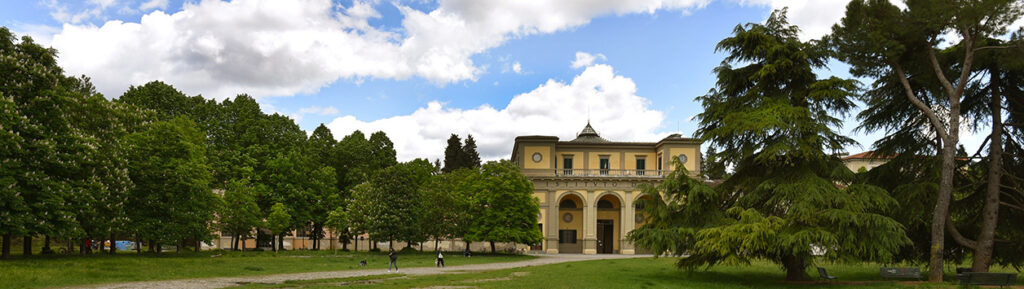
Today the park is home to the Liceo Artistico di Porta Romana, the art high school housed in the former stables, where crowds of students come to learn the secrets of their craft — and where, after an intense morning of classes, they can also find a place to unwind in the great green expanse whose centerpiece is a beautiful lawn ringed by horse chestnuts, plane trees and holm oaks (around 450 of them), which put on their full display in autumn with an enchanting show of foliage.
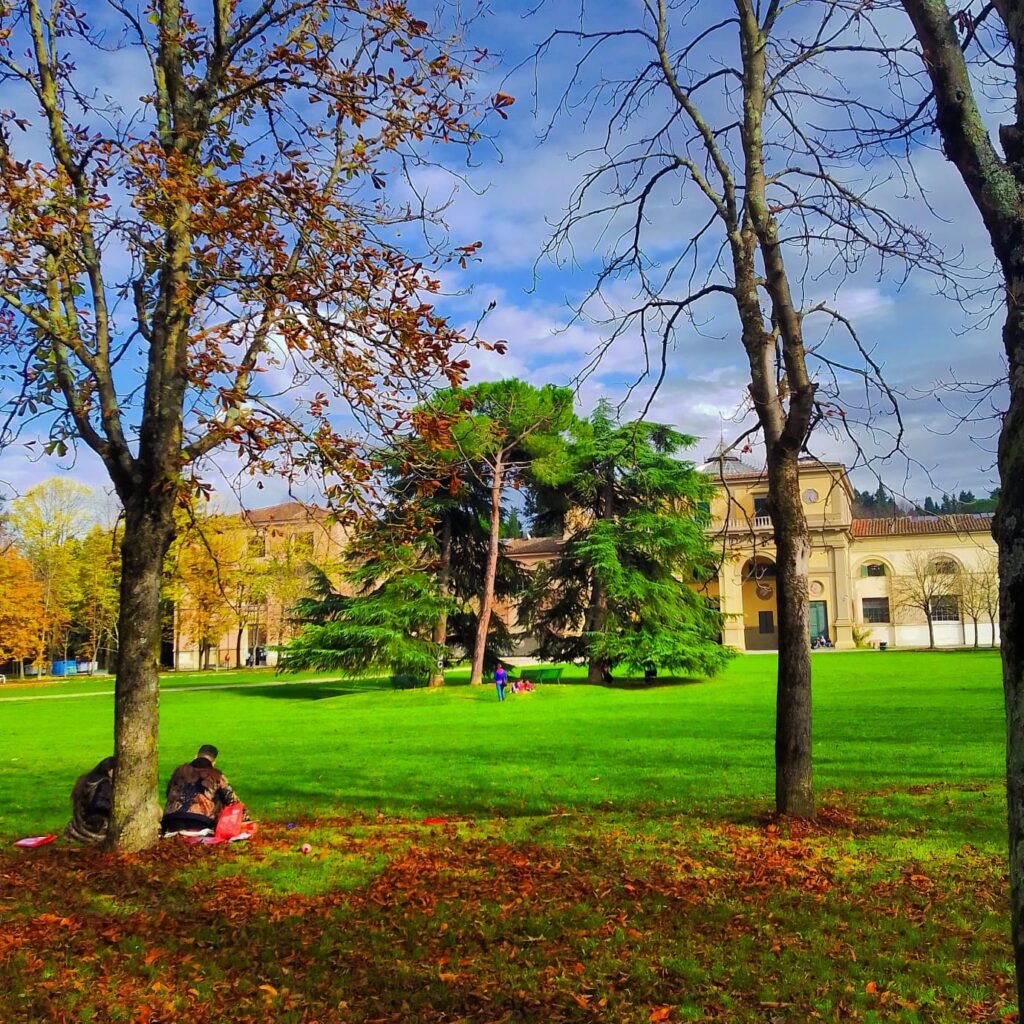
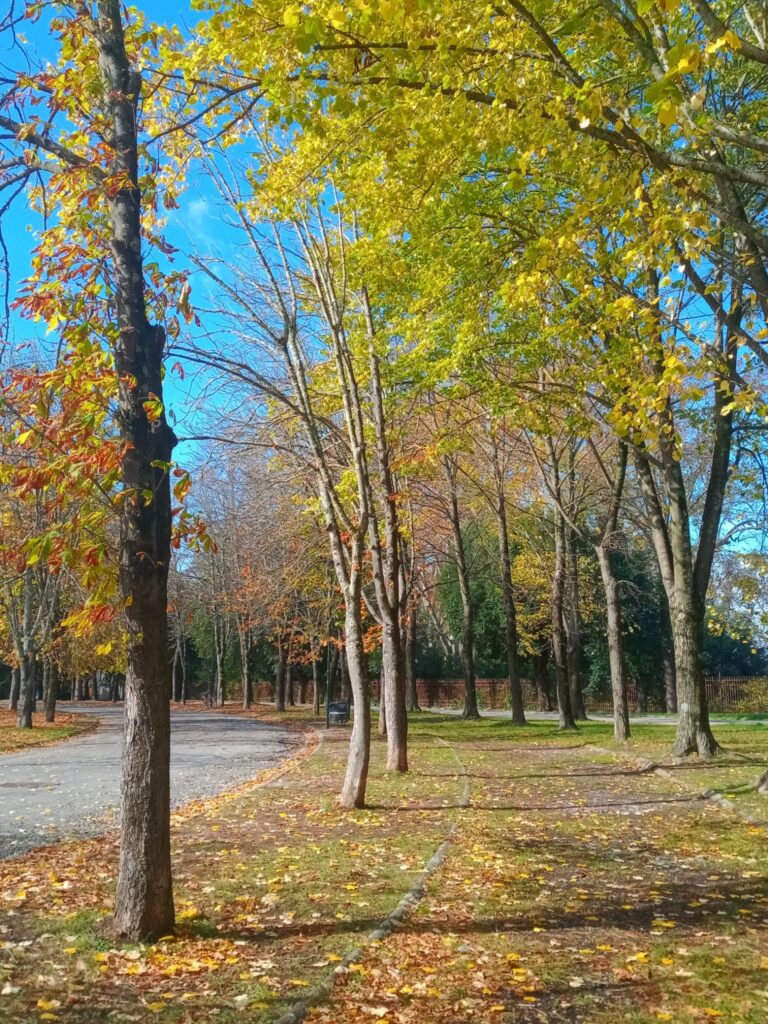
Open every day from 7 a.m. to 8 p.m., the garden is frequented not only by the art students but also by neighborhood residents and by those who come especially to spend a few hours in the greenery and quiet: some stop for a quick lunch in the picnic area, with its wooden benches and tables; some bring their children to the little playground; some let their dogs run free in the fenced-off area set aside for them; and some stretch out on the cool grass and lose themselves in the pages of a good book.
In short, a genuine green retreat that — overshadowed by the fame of Boboli — is well worth discovering and rediscovering, and above all worth living in when, worn down by work or study, we go looking for a little peace just steps from the noise and duties of everyday life.
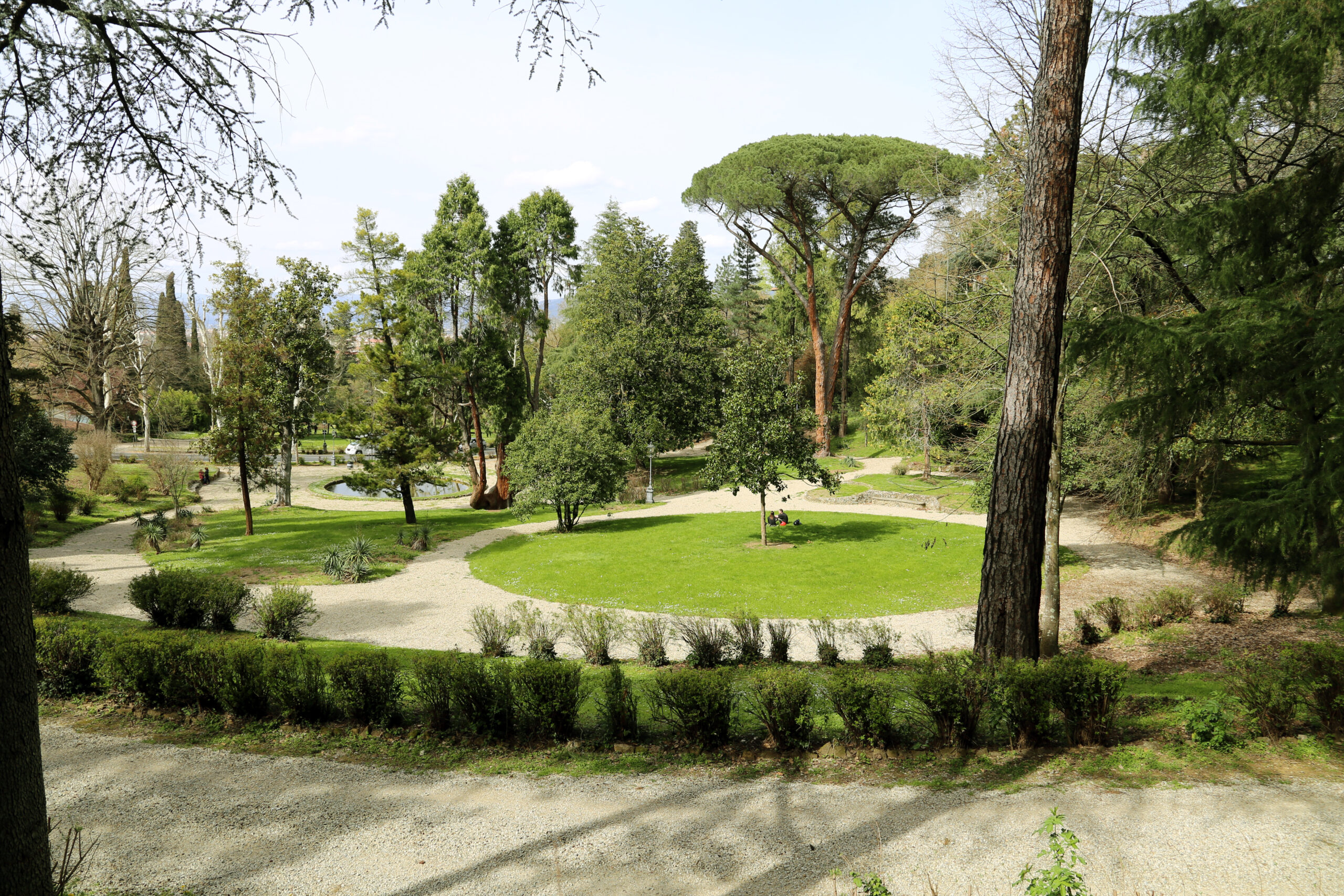
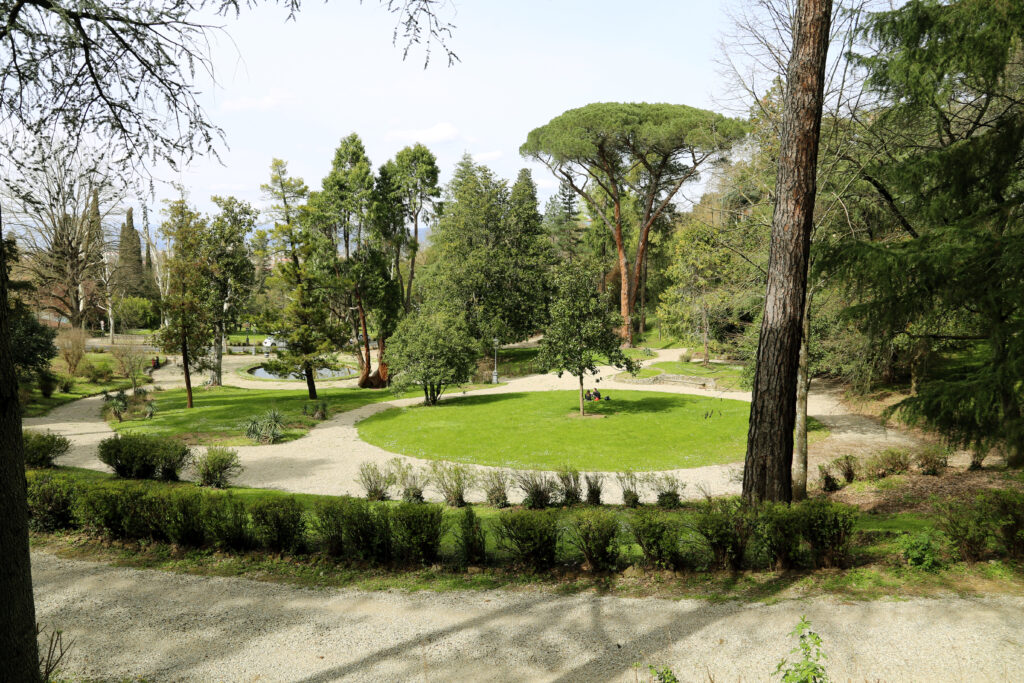
The green space of the Giardini del Bobolino — likewise an extension of the Boboli garden, from which it takes its name — runs instead along Viale Machiavelli and is made up of three separate gardens enriched with grassy slopes, staircases, gravel terraces, pools and artificial grottoes. Look closely and you’ll see that it is really a miniature version of Boboli, both in the way it unfolds and in the presence of an imposing, spellbinding incense cedar (Cedro Incenso) in the central flowerbed, echoing the great centuries-old trees of the famous garden.
And so, along the curves of Viale dei Colli, it’s almost inevitable that this green corner catches your eye, whether you’re on foot or in a car — enough to make you stop, or park, and go in to relax for a while.
The Giardino delle Rose
Shifting zones slightly and leaving behind Boboli’s “green extensions,” just below Piazzale Michelangelo on its western side we find the panoramic Giardino delle Rose (Rose Garden). Open year-round from 9 a.m. until sunset, except on Christmas and New Year’s Day, this magnificent, fragrant green space was created in 1865 by the architect and engineer Giuseppe Poggi, working with Attilio Pucci, head gardener of the botanical garden, during the years when Florence was Italy’s capital.
The garden was designed with a precise purpose: to house a vast collection of roses. To this day it holds some 350 varieties of antique roses that bloom each year between spring and autumn, offering up color and vitality.
The rose collection — along with more than a thousand other botanical varieties — was further enriched thanks to the Japanese architect Yasuo Kitayama, who in 1992, as part of the Tokyo–Florence twinning, donated an additional space that is now home to a Japanese shorai oasis.
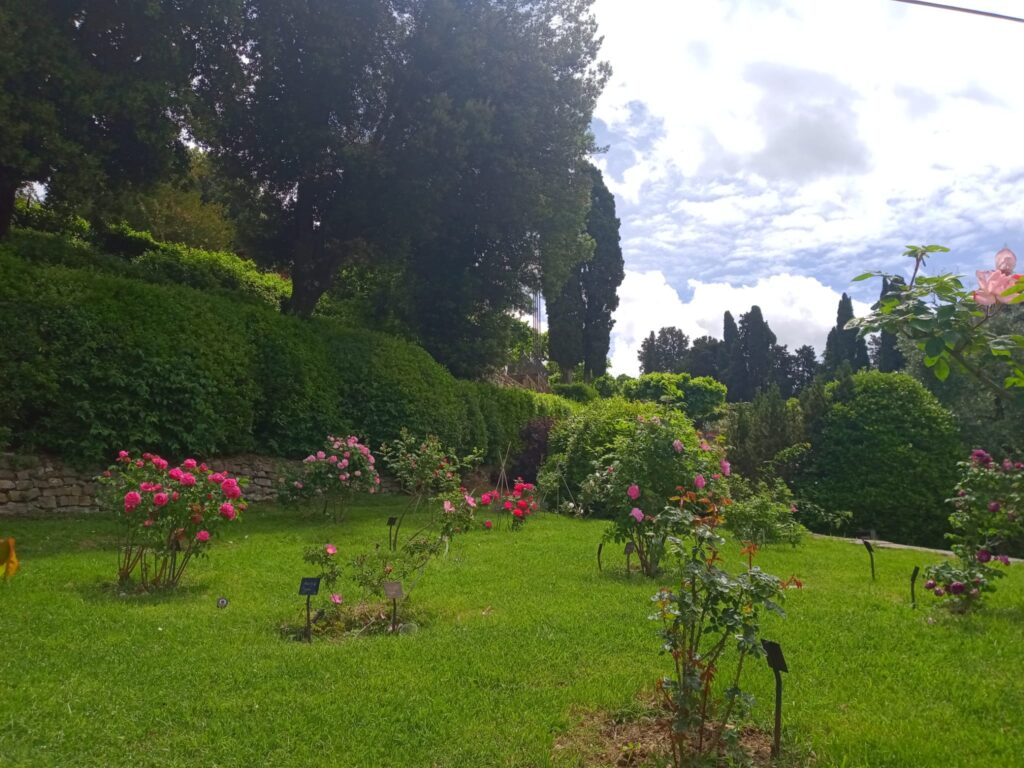
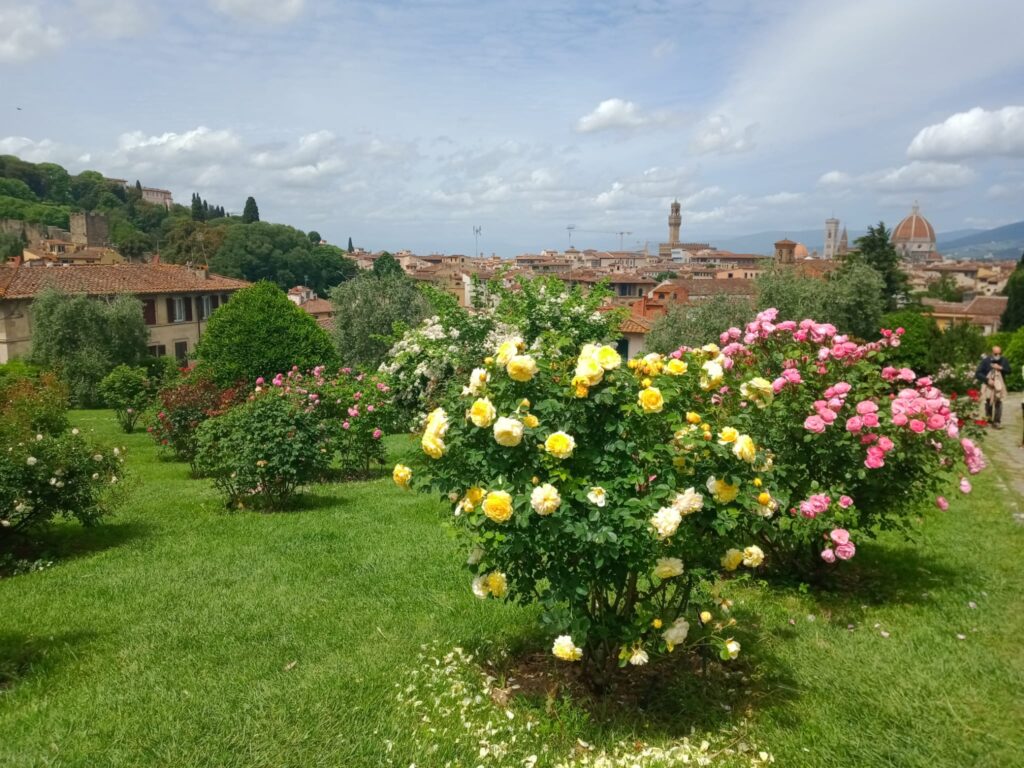
The Giardino delle Rose, which occupies roughly a hectare of terraced ground, once belonged to the Oratorian fathers; but after Poggi’s transformation it opened to the public for the first time in May 1895, during the Festival of the Arts and Flowers organized by the Società delle Arti Italiane and the Società Italiana di Orticoltura.
Today the garden boasts, besides a lovely greenhouse painted sky-blue, a small kiosk bar where you can relax over an excellent cocktail, as well as cultural events to take part in, especially in summer.
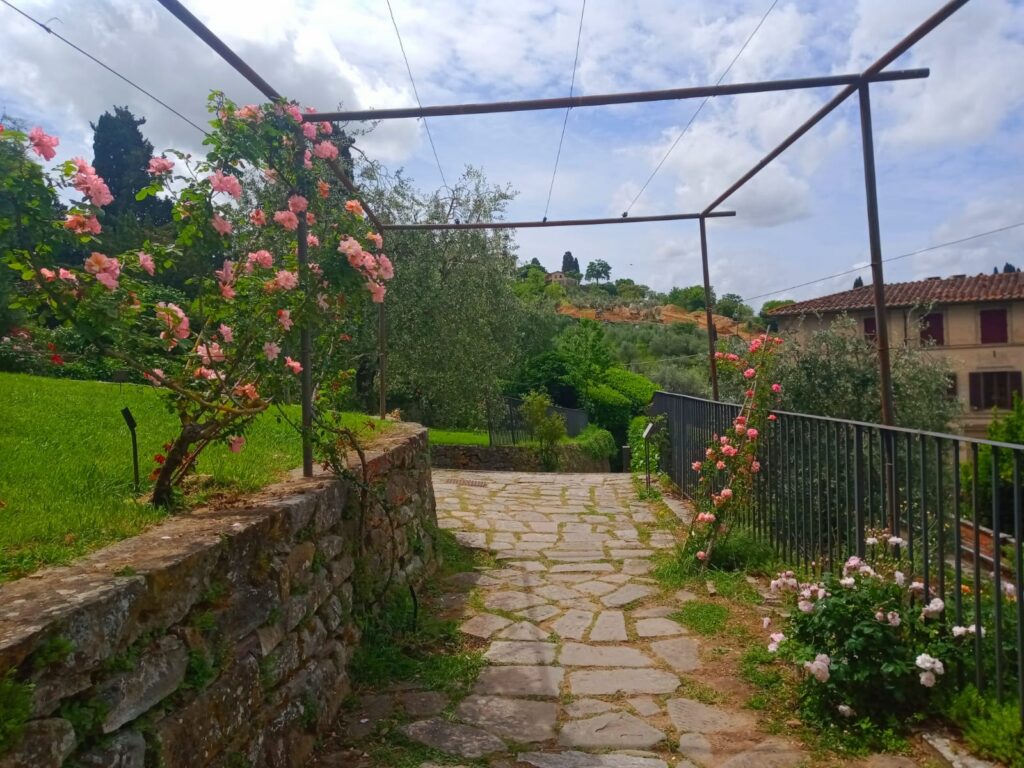
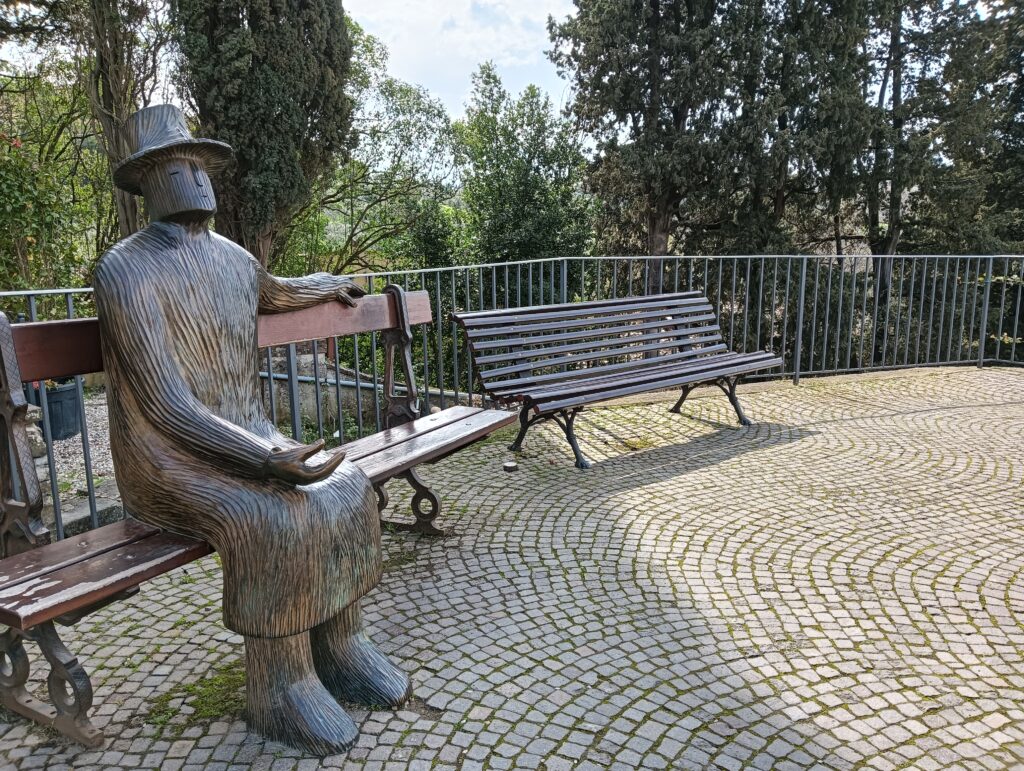
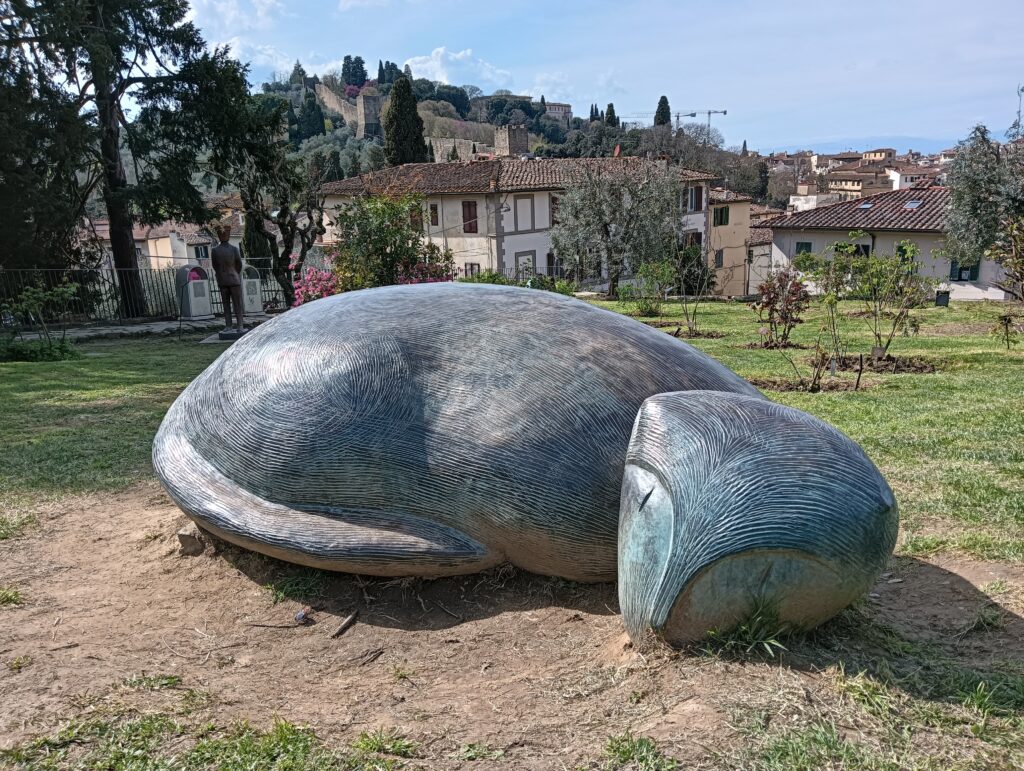
It’s a bucolic setting, yet an orderly one, where you’re asked to respect the plants and flowers but can also have fun discovering the striking bronze sculptures by the Belgian artist Jean-Michel Folon, which since 2011 have populated this garden, lending it an almost surreal atmosphere.
Little by little, as you explore the Rose Garden, you come upon a bronze man seated on a bench (Je me souviens, 2003), a cat asleep in the grass (Chat, 1996), and another bronze man who, nose turned upward, seems to be scanning the immensity of the sky above (L’Envol, 2005).
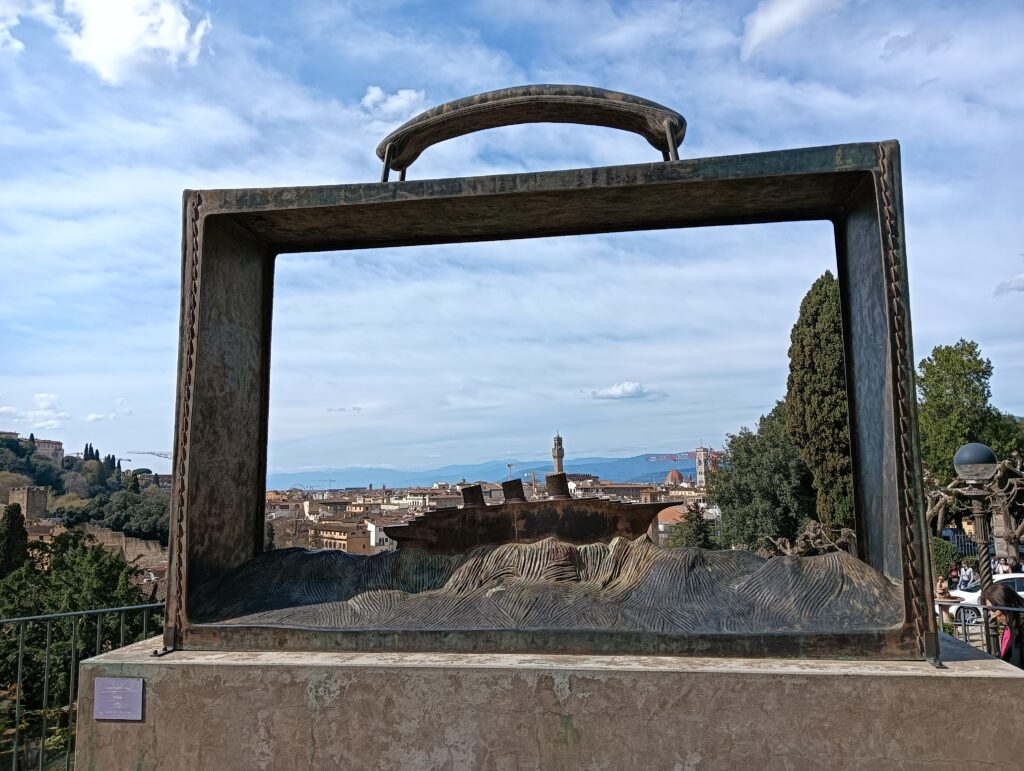
But the showpiece among Folon’s sculptures is surely the bronze outline of a suitcase, at the center of which a ship rides the waves and through which you can look out at the panorama of Florence from another, strikingly Magrittean perspective.
The Giardino dell’Iris
Finally, at the other end of Piazzale Michelangelo stands the Giardino dell’Iris (Iris Garden), created in 1954 to host an annual international competition — the Premio Firenze — for the finest iris varieties. It was hardly by chance that Florence was chosen as the competition’s home, given the city’s bond with this beautiful flower, its own emblem.
The garden, which spreads over about two and a half hectares on the so-called “Podere dei Bastioni,” was designed by the architect Giuliano Zetti and inaugurated in May 1957, by which time it had already been enriched by countless donations from foreign growers, as well as by a magnificent collection of historic Presby irises.
Ten years later, a charming little pond was added in the lower part of the garden, home to Japanese and Louisiana irises. Today specialists, botanists, hybridizers and horticulturists from all over the world still visit and work in this garden of great scientific interest, an important germplasm reserve for the genus Iris.
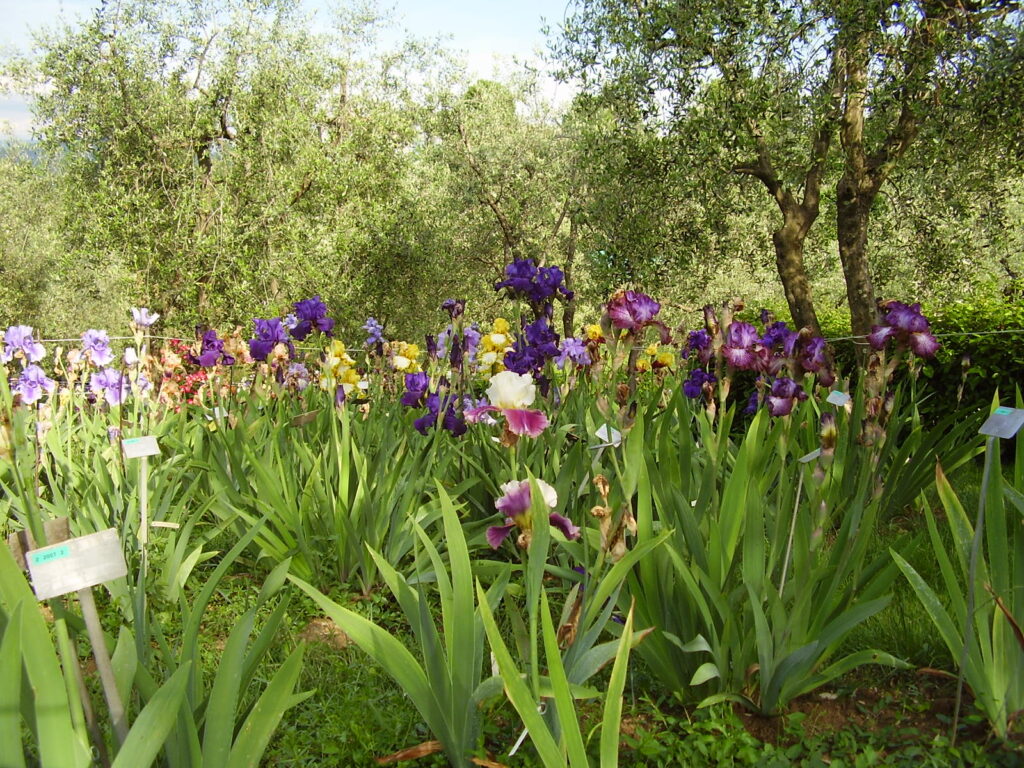
Strolling through the Iris Garden — along its pathways paved in pietra serena, across its little squares and down its perimeter staircases — is possible only from late April to mid-May, when the iris is at the peak of its bloom and its shapes and colors can be admired in full. A “country” atmosphere leads you through the flower’s many varieties, welcoming you into a rustic, Arcadian calm that almost catches you off guard, just steps from the chaos of the city.
Admission is free, though if you like you can leave a small contribution toward the garden’s upkeep — and needless to say it’s worth it, if only because it’s a fine thing to be able to do your small part for the care, conservation and appreciation of these magnificent green spaces of Florence: less famous, yet still holding on to their integrity and, perhaps, their purity, far from the tourism business.
Cover photo: By Sailko — Own work, CC BY 3.0, https://commons.wikimedia.org/w/index.php?curid=70377550