Festival dei Popoli 2026, the cinema that takes a side
Europe’s oldest international festival of “documentary cinema” returns to Florence. The Festival dei Popoli, from October 31 to November 8, 2026, celebrates the power of documentary as a safeguard of historical memory, of rights and of political commitment.
At Cinema La Compagnia and Cinema Astra, more than 80 films on the program, major guests and plenty of world premieres across 9 days. The festival is chaired by Roberto Ferrari, with Ken Loach as honorary president, under the artistic direction of Alessandro Stellino and the organizational direction of Claudia Maci.
Three special tributes
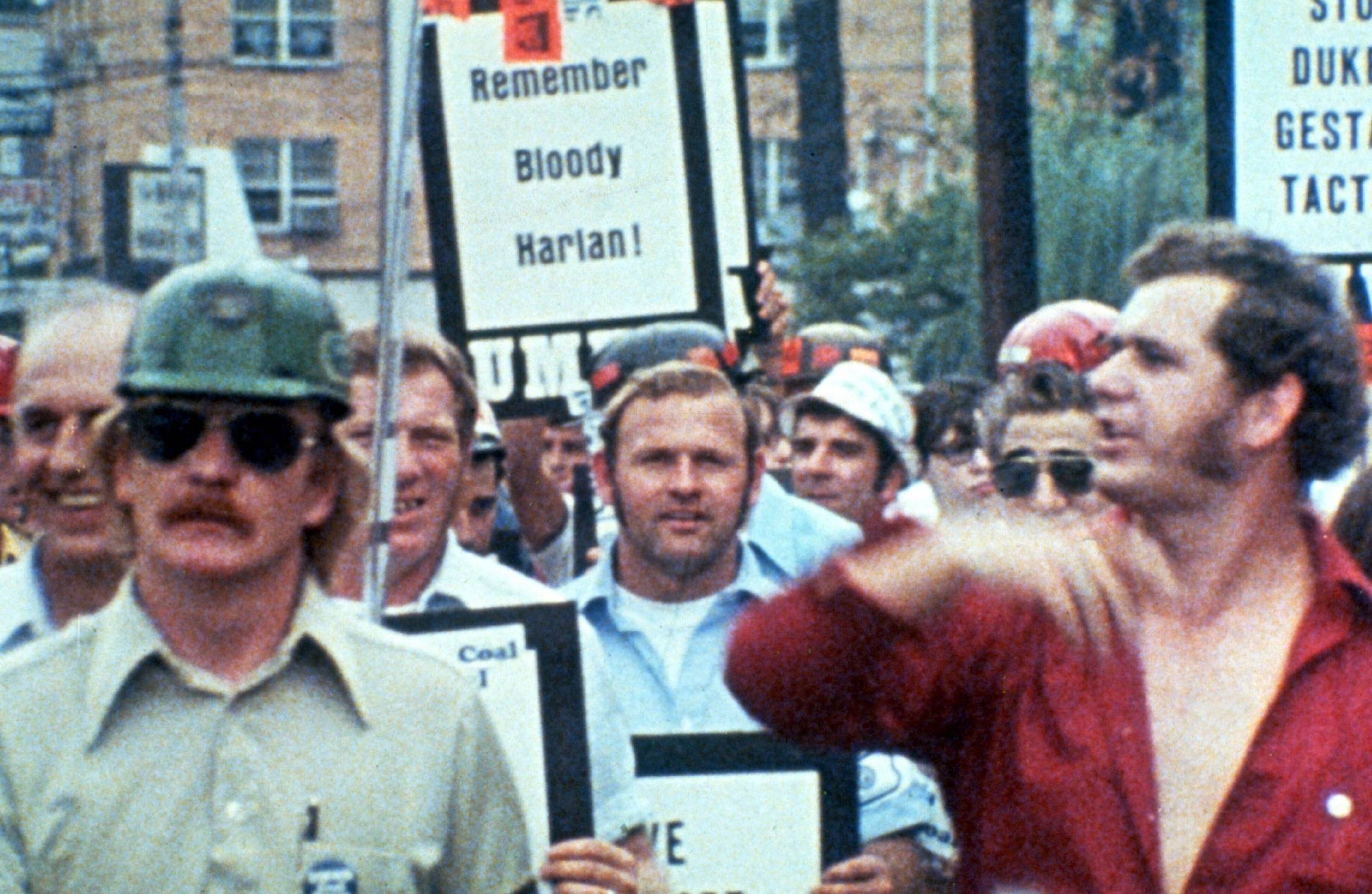
Barbara Kopple celebrates 50 years of filmmaking and receives the Women Trailblazers in Documentary Cinema award (Tuesday, November 3, at 9 p.m.), created in collaboration with Calliope Arts Foundation, and she will present her trilogy on workers’ rights. The first woman director to win two Oscars for best documentary, for the occasion she will screen her 1976 masterpiece, “Harlan County, U.S.A.”, about the miners’ strike at the Brookside Mine — the film was also Kopple’s debut. Next comes another Oscar winner, “American Dream” (1990), at Cinema Astra on November 5 at 5 p.m., about the Hormel workers’ strike in Minnesota, a bitter conflict inside the labor movement itself. The director’s latest film, already premiered at the Venice Biennale Cinema, Union Town (2026), will be screened at Cinema La Compagnia on November 4 at 5 p.m., following the talk with the director. The film offers a look at the precariousness of work today and at the new forms of collective organizing.
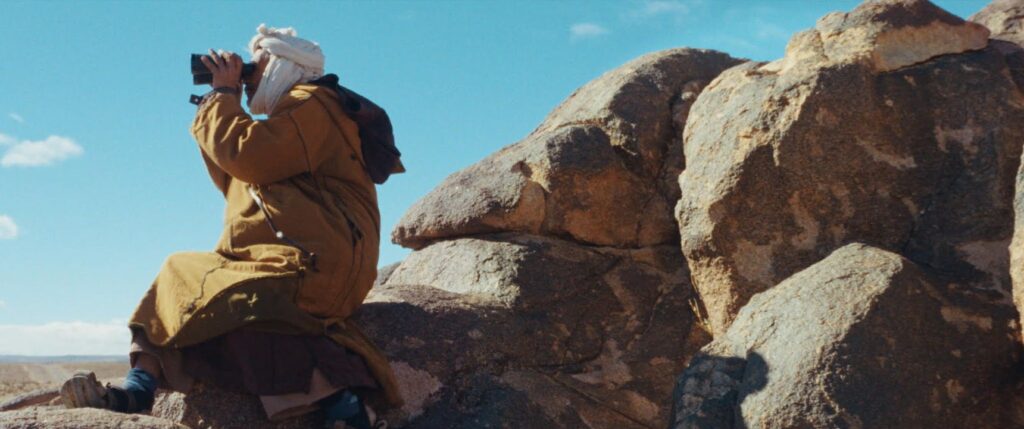
Another tribute goes to Haile Gerima, the Ethiopian director, in Italy for the first time. The festival presents Black Lions – Roman Wolves (a work running 9 hours in all), divided into 5 parts, which sets out to document Ethiopia’s resistance to the Italian invasion of 1935, the memory of Adwa and the history of colonialism.
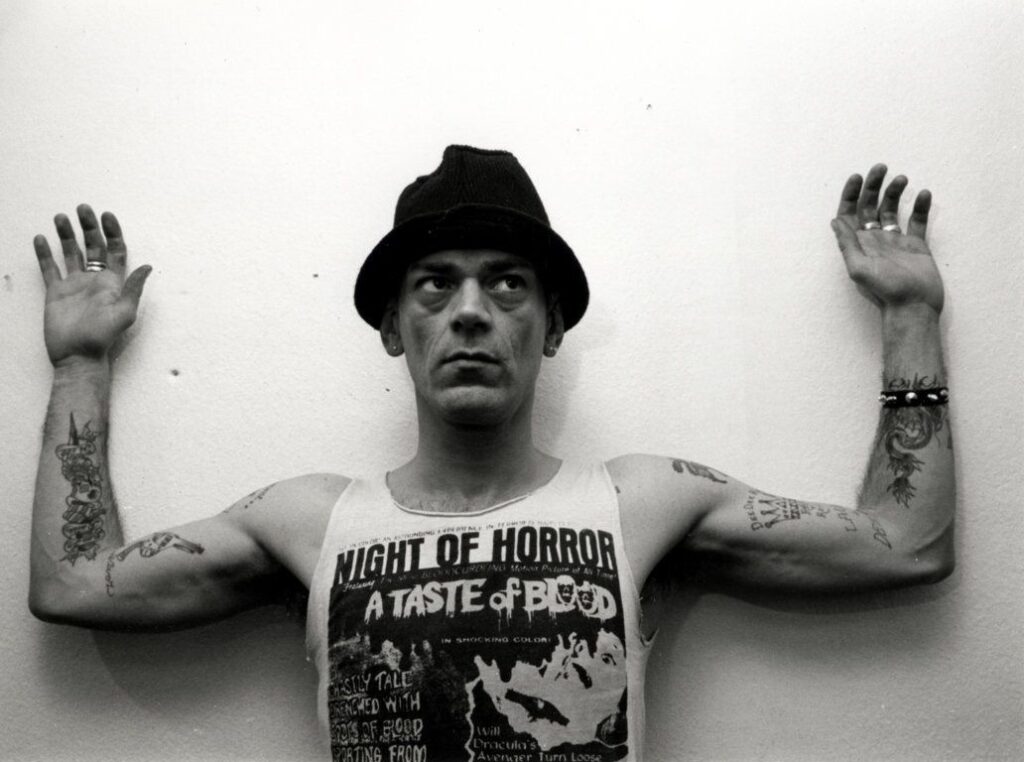
And a third tribute goes to Lech Kowalski, the only one in the Let the Music Play section. With his documentaries as a tribute to 50 years of punk, he shows us three portraits, of the Sex Pistols, Johnny Thunders and Dee Dee Ramone, and the screening of East of Paradise is a masterclass.
On Monday, November 2, the opening ceremony at Cinema La Compagnia: at 5 p.m. comes the first chapter of The Story of Documentary Film by director Mark Cousins, an Italian premiere — an encyclopedic work retracing 130 years of documentary history.
At 6:30 p.m. it is time for the first part of Black Lions – Roman Wolves by Ethiopian director Haile Gerima, a nine-hour epic in five parts on Italian colonialism and on Ethiopia’s resistance to the second Italian invasion, in 1935.
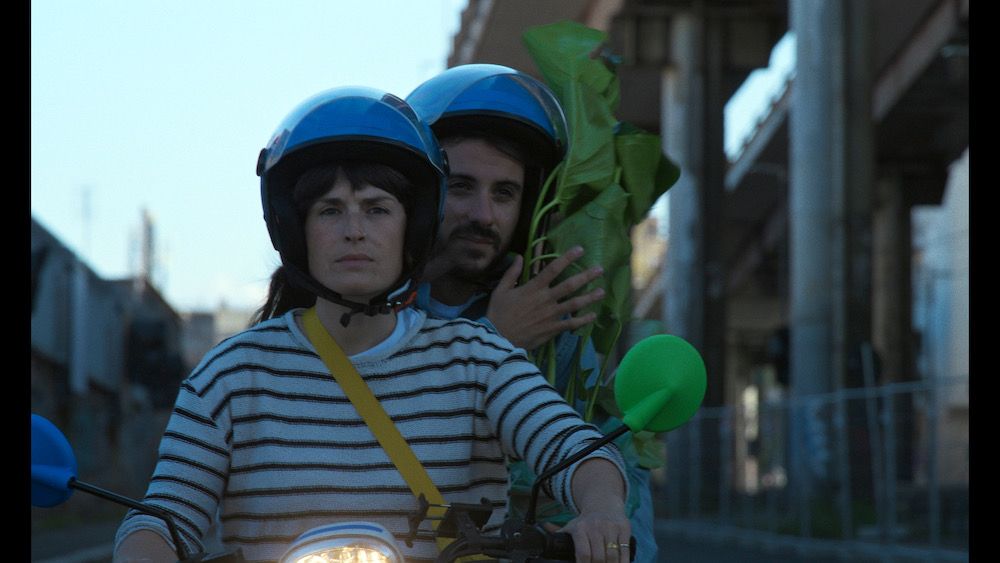
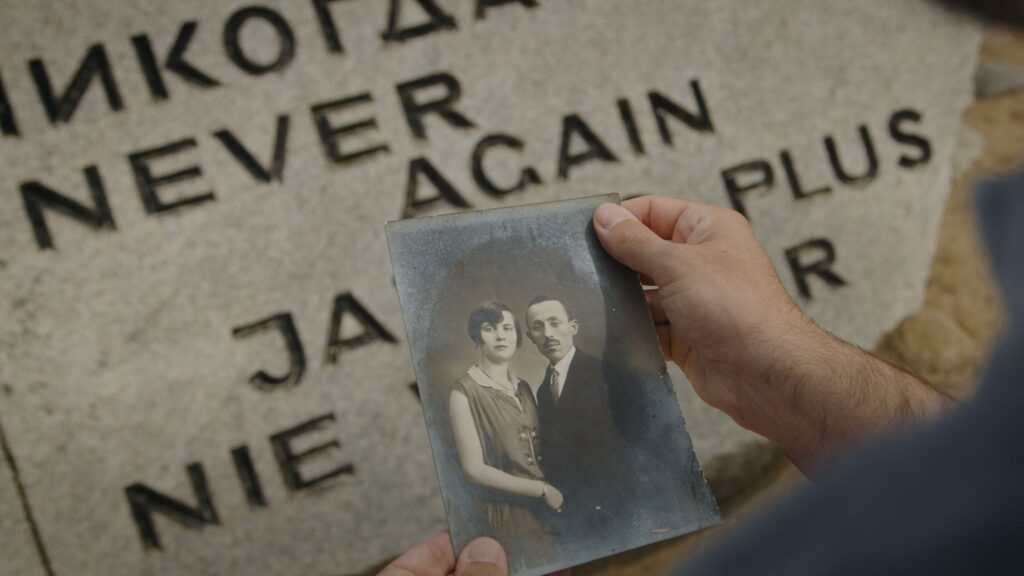
At 9 p.m. comes the official opening of the Festival: as a world premiere and in the Italian Competition, Finché resta il tuo nome (As Long as Your Name Remains) by Gianmarco D’Agostino, which brings to the screen the story of Gerhard Wolf, the German consul in occupied Florence, uncovering a story long kept silent within the family.
Florence, art and memory
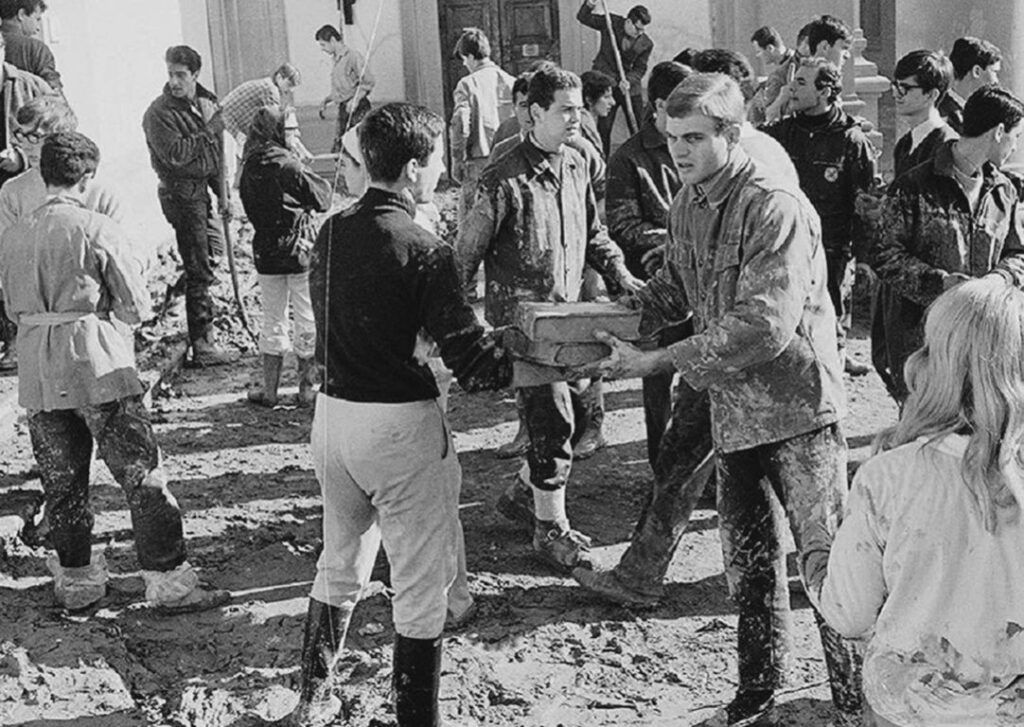
On November 4, the 60th anniversary of the flood, “Angeli del fango – La meglio gioventù europea” (roughly, Mud Angels – The Best of Europe’s Youth) by Marco Spagnoli comes to the screen, with eyewitnesses in attendance. The screening, a world premiere, is on November 4 at Cinema La Compagnia, at 7:30 p.m., in memory of the day the Arno flooded the city and hundreds of young volunteers from all over the world, the “Angeli del Fango”, the Mud Angels, rushed in to save artworks and books, in an extraordinary act of civic solidarity that brought Europe together, anticipating the values of peace and brotherhood of ’68.
And the world premiere of “Finché resta il tuo nome” by Gianmarco D’Agostino.
More guests and the Doc Highlights section
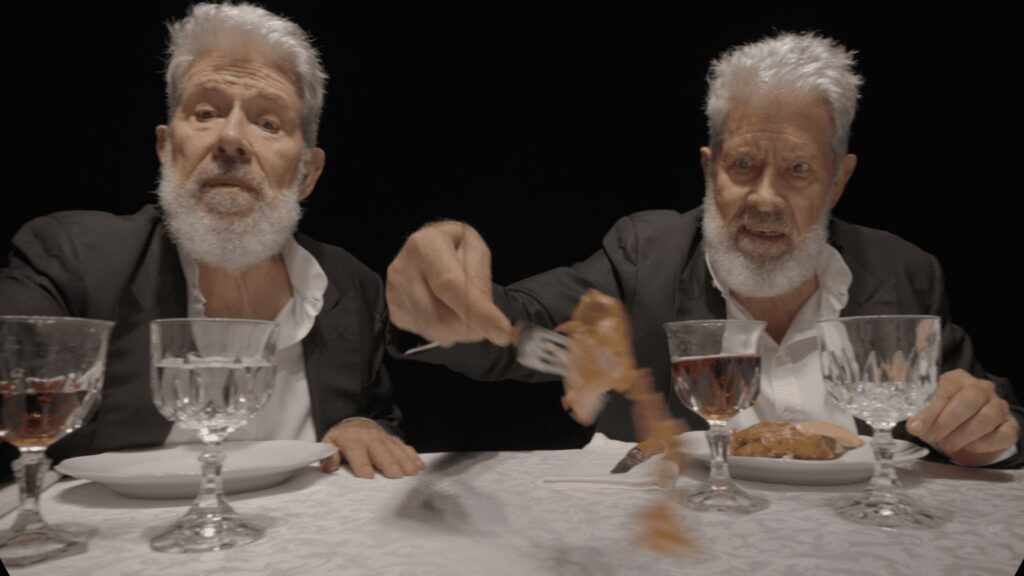
Among the festival’s guests is Alessandro Benvenuti, with the documentary on his career, “Io sono l’assente” (I Am the Absent One) by Adamo Antonacci, on November 7, a world premiere. A portrait of Alessandro Benvenuti: a poetic, puzzle-like journey into the human and artistic universe of an artist who has moved across theater, film, television and singer-songwriter music, told in the words of friends, artists and fellow travelers – among them Carlo Verdone, Stefano Fresi, Simone Cristicchi and his “Ivo il Tardivo” – from the birth of the Giancattivi, his comedy trio, to the success shared with Athina Cenci and Francesco Nuti, all the way to today, along a path of falls and rebirths.
Documentary from its origins to today: Mark Cousins is a guest on November 2 with his “Story of Documentary Film”, an Italian premiere, and with the talk on the state of nonfiction cinema in Italy alongside director Alina Marazzi. The film is an adventurous odyssey across the vast sea of nonfiction cinema. During his stay in Florence, on the morning of Tuesday, November 3, at Cinema Astra at 10 a.m., the director will hold a talk open to the public titled “Dieci momenti memorabili nella storia del cinema documentario” (Ten memorable moments in the history of documentary film).
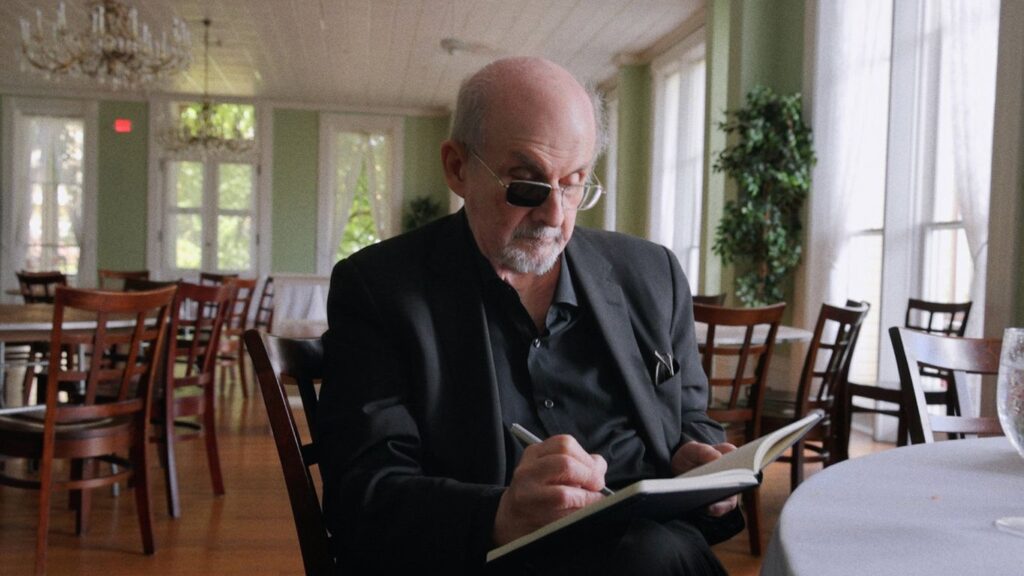
Also on screen on November 4 is “Knife: The Attempted Murder of Salman Rushdie” by Alex Gibney, on the writer’s recovery after the attempt on his life in 2022, retracing the story through his memoir as well and with footage shot by Rushdie’s wife (Rachel Eliza Griffiths) that the public has never seen before. It will be introduced in the theater by writer Giorgio Van Straten.
Gar O’Rourke also takes on overtourism in the Cinque Terre with The Siege of Paradise.
On November 7, an Italian premiere: “Holy Destructors” by Aistė Žegulytė, an enigmatic journey through the lens of a microscope, exploring the struggle of patient art restorers against the slow wear of microfungi.
On November 8, “Douglas Gordon by Douglas Gordon” by Finlay Pretsell, an Italian premiere: an intimate portrait of the celebrated artist who gave all of himself to his art, on the thin line between reality and performance.
On November 7, a national premiere: “Yugo Goes to America” by Filip Grujić and Aleksa Borković — four Serbian millennials from Belgrade cross the United States in a Yugo, an old Yugoslav car once considered the worst car ever made. On November 7, “The Mountain Won’t Move” by Petra Seliškar tells the story of three brothers who tend the family flock in the mountains of North Macedonia while questions surface about identity, freedom and their future.
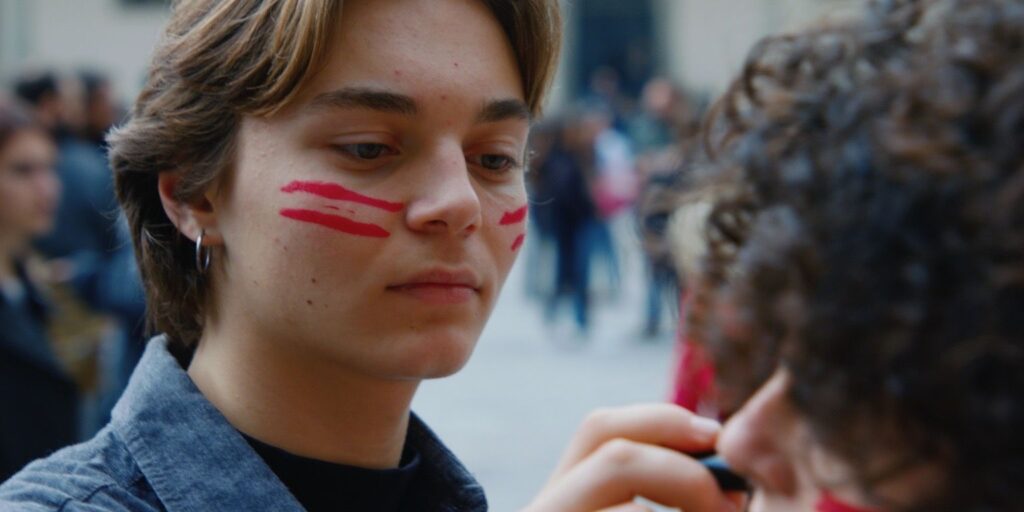
Rights and inclusion in Popoli Next Generation with Fondazione CR Firenze: a world premiere, “Le cose che posso cambiare” (The Things I Can Change) by Serena Mannelli and Federico Micali, on gender stereotypes as seen through the eyes of boys and girls.
FUL attended the press conference held on Monday, October 19, with Cristina Manetti, Tuscany’s regional councilor for Culture; Iacopo Di Passio, President of Fondazione Sistema Toscana; Maria Oliva Scaramuzzi, Vice President of Fondazione CR Firenze; and Giovanni Bettarini, Florence’s city councilor for Culture. The talk turned to how important it is to keep alive a space as important as documentary cinema, to shine a light on the great issues of our time and to keep “the heart of great nonfiction cinema beating in Florence” (to borrow councilor Bettarini’s words at the conference).
The competitions
International Feature Film Competition: 10 films will be presented as premieres, and the jury — director and producer Petra Seliškar, director and lecturer Mercedes Álvarez and critic Erika Balsom — will award the first prize (€7,000), the second prize (€4,000) and the Targa “Gian Paolo Paoli” for Best Anthropological Film.
Short and Medium-Length Film Competition: the jury, made up of programmer Babette Dieu, producer Vanja Jambroić and director Leonor Teles, will award the Discoveries prize (€3,500).
Italian Competition: 7 titles selected, devoted to stories of memory and of environmental, social and political struggles, in search of truth, justice and salvation. The jury is made up of researcher Alma Mileto, curator Riccardo Costantini and film editor Aline Hervé, and will give the winner the Award for Best Italian Documentary (€3,000). The documentaries, all premieres, are: “Controvento” (Against the Wind) by Federico Conti and Mattia Bosco, shot between Lampedusa and the central Mediterranean, starring Sea-Watch’s fast vessel on a search-and-rescue mission along the deadliest migration route in the world; “Schiuma di mondi” (Foam of Worlds) by Anna Marziano, which takes us to the island of S. Erasmo, in the Venetian lagoon, with a lawyer facing the joys and hardships of single motherhood as she tries to reinvent the meaning of her profession, while the water rises; in “Il grande buco” (The Big Hole) by Davide Crudetti, Davide (the director himself) and Paola, a millennial couple, wonder whether it is still possible to imagine the future and how much sense it makes today to bring a child into the world; “Azzorre” (Azores) by Cecilia Maria Giampaoli is the director’s first-person account, beginning in February 1989, when a plane crashes on the Atlantic islands, told through family photographs and a tape holding her father’s last footage; “Luana, ragazza” (Luana, a Girl) by Ernesto Pagano sheds light on the shattered story of Luana D’Orazio, a twenty-two-year-old textile worker and young mother who dies after being pulled into the machine she works at: it is the end of a life and the beginning of her mother Emma’s battle against a production system that, in Italy, kills three workers a day. From Florence, there is also “Finché resta il tuo nome” by Gianmarco D’Agostino, in which the director searches for evidence of the actions of Gerhard Wolf, the German consul in occupied Florence who also used his institutional role to save many of the city’s inhabitants from the fury of the Third Reich; and finally, “Quando è pronto, il fieno canta” (When It’s Ready, the Hay Sings) by Letizia Buoso, the director’s search in her family’s footsteps through the places of Italy’s northeast, now fragmented by Storm Vaia in 2018, among archives, history and changing landscapes.
Information
Tickets: €60 full festival pass, €40 reduced; €12 day pass (€10 reduced). Single tickets: afternoon €8 (€6 reduced); evening €8 (€6 reduced).
Cinema La Compagnia (Florence, via Cavour 50 r)
Cinema Astra (Florence, piazza Beccaria)
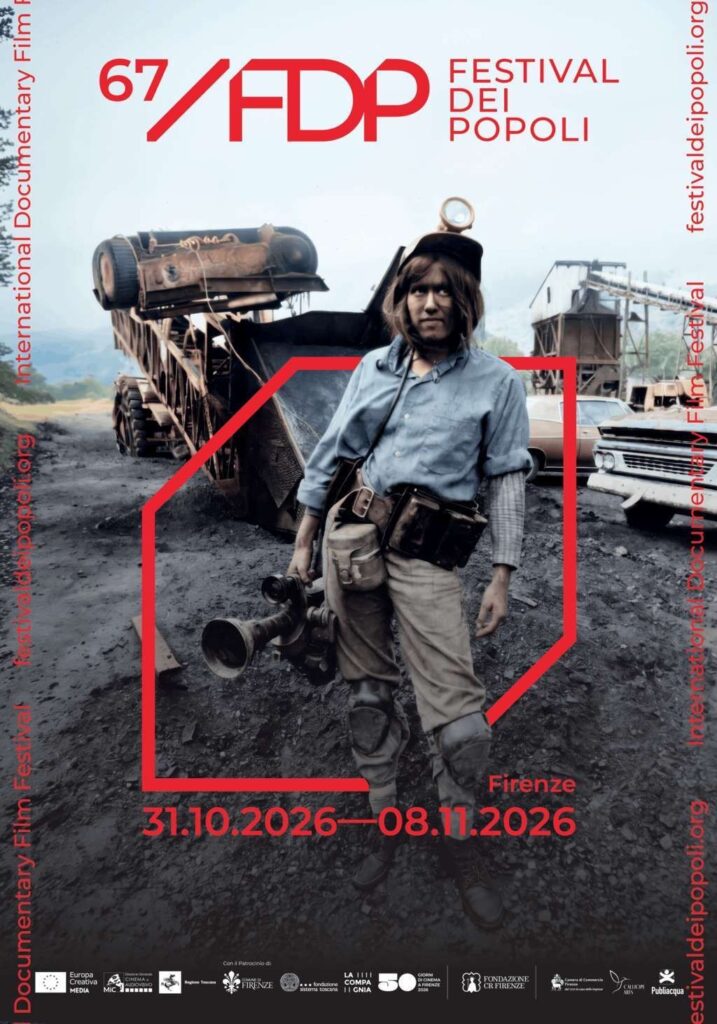
The Festival’s poster is dedicated to director Barbara Kopple, with one of her photos taken during the shooting of Harlan County (1976), once again as a reminder that neutrality is not an option.
The 67th Festival dei Popoli is made possible by the support of Creative Europe MEDIA, MiC (the Italian Ministry of Culture), the Tuscany Region, the City of Florence, Fondazione CR Firenze, Fondazione Sistema Toscana – 50 Giorni di Cinema a Firenze, Calliope Arts and Publiacqua.
https://www.festivaldeipopoli.org/
Photos: courtesy Festival dei Popoli