The Republic of Cospaia and the Devilish Virtues of Tobacco
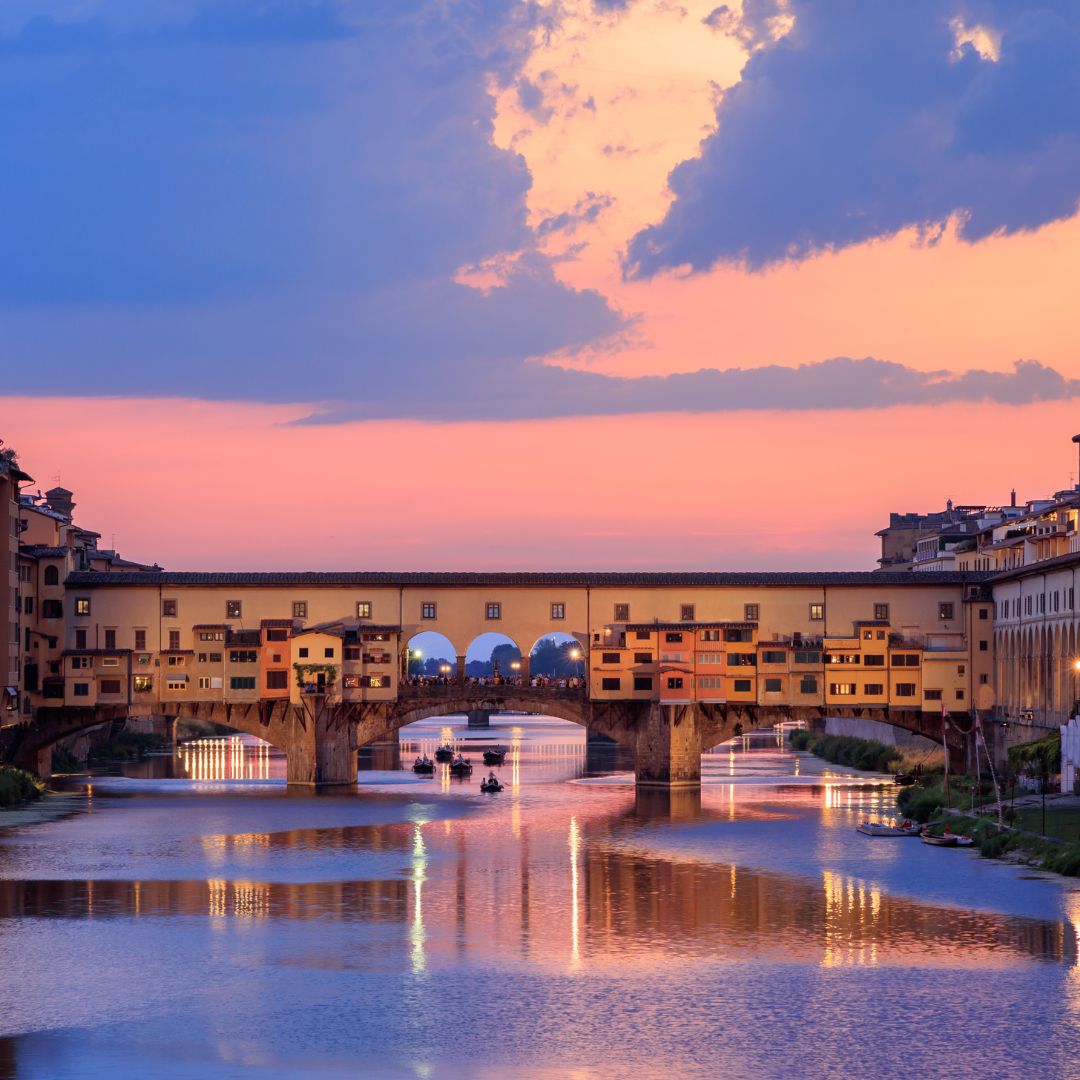
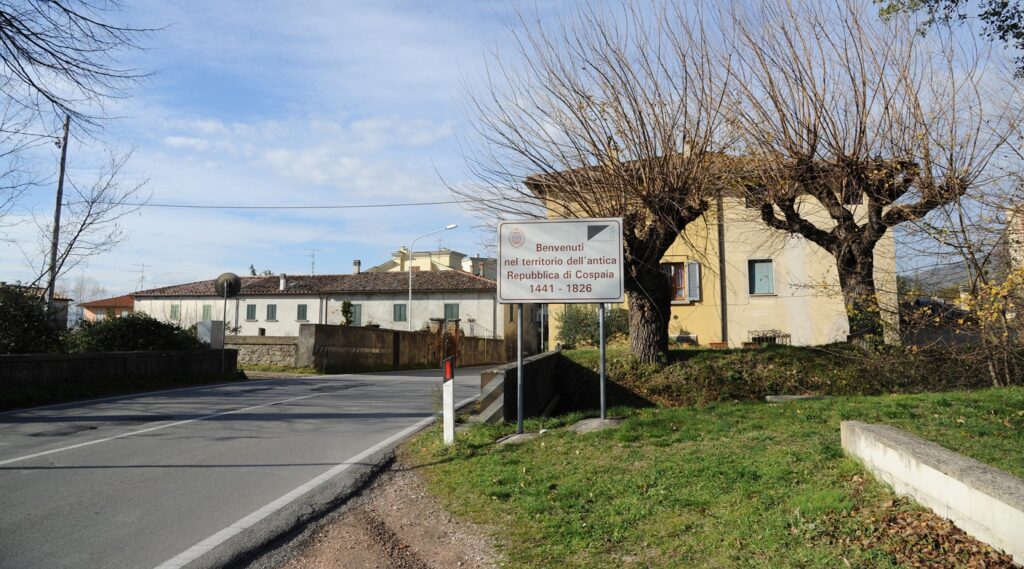
The story of tobacco and its troubled reception in Renaissance Europe includes a curious chapter that unfolded right here, in central Italy, when the substance became the improbable protagonist of an epic as fleeting as it is often forgotten. The two moral poles of the tale are a small village — Cospaia, on the border between Umbria and Tuscany (today in the Province of Perugia) — and the Manifattura Tabacchi di Firenze, the true landing point of an adventure that culminated in the accidental invention of the Tuscan cigar.
But let us start at the beginning. When Europeans first met tobacco in the early modern age, it drew conflicting reactions about whether using it was even permissible. The plant’s therapeutic virtues were already known to the peoples of Peru and Ecuador some 18,000 years ago. Among its most devoted consumers, history counts the Aztecs and the Incas (who are said to have taken it rectally) and, not least, the Maya, who preferred to inhale the fumes of its combustion. Elsewhere on the continent, too, tobacco had long been in wide use (among the Indians of the Great Lakes and the Tsenacommacah of Chesapeake Bay). Tobacco reached the Old World when Columbus’s first expedition returned to Spain in 1493. Rodrigo de Xerez, back in his native Ayamonte, caused a stir with the curious habit he had brought home from the mysterious “Indies.” It is fair to think of him as the first true smoker in Europe.
The pronouncements the Old World’s establishment made about tobacco across the sixteenth and seventeenth centuries reveal, in flagrant fashion, just how ignorant Europeans were of its effects. In a fascinating essay in his Il filo e le tracce — titled La riscoperta degli Sciamani (“The Rediscovery of the Shamans”) — Carlo Ginzburg gathers some of the learned testimony of the day. His sources (from Girolamo Benzoni’s Historia del Mondo Nuovo to the Primera y segunda y tercera partes de la historia medicinal of the Sevillian Nicolás Monardes) agree in branding tobacco a devilish plant, one with the power to conjure “imaginings and phantasms” (Monardes) and whose dreadful reek would keep any prudent soul at a careful distance from those who used it.
No less severe in his judgment is Gonzalo Fernández de Oviedo, author of the Historia general y natural de las Indias (1535), who not only dismisses this vice of the natives of Hispaniola as “muy malo” (“very bad”) and Luciferian in nature, but even ventures a theory of the plant’s European origin: it would be nothing other than the narcotic used by the Thracians in the celebrated ancient descriptions of Herodotus, Curtius Rufus, and Pomponius Mela. What — Ginzburg asks — was the strange cultural phenomenon that led, in those days, to demonizing tobacco (today outlawed as a drug only in Bhutan) while other substances enjoy no such indulgence? Set beside opium, cannabis, and coca, the Turinese historian reads tobacco as a kind of “wine with its sign reversed”: a drink not merely sacred but holy, used by the natives solely in idolatrous cults.
Conversely, the detached attitude the sources strike toward the other drugs would stem from their being seen, back then, as intoxicants meant for strictly personal, domestic use. Beyond these intriguing socio-cultural reflections — born of a century of anthropological research into the theme of the Other — the fact remains that tobacco arrived in Europe as a novelty far more ambiguous than the turkey or the tomato. Indeed, it is striking to consider that this was, to all effects, the first product traded simultaneously across the whole world to enjoy a sudden and unstoppable success: the nicotiana tabacum variety, grown in Venezuela, was by 1607 already winning over the Mughal sultan of Delhi, seducing the Japanese aristocracy at Nagasaki, and spreading fast through the lands of the Sublime Porte (the Ottoman Empire).
The way stations of the Atlantic slave trade had already gone mad for tobacco (in Sierra Leone), while in Manchuria the situation grew so untenable that the khan, Hong Taiji, banned it outright (1635). Much the same happened about a decade later in the Papal States, when Urban VIII was moved to issue a bull forbidding its use, at least inside churches (1642).
Growing the precious plant, then, would run into considerable political obstacles. Even so, where Italy is concerned, the story of the tiny Republic of Cospaia deserves telling, for the great part it played in those centuries in the birth of Italian tobacco growing. During the years of the Council of Basel (1431–1445) — convened to settle a tangle of disputes bound up with the election of an antipope — Cosimo de’ Medici lent the sum of 25,000 florins to Pope Eugene IV.
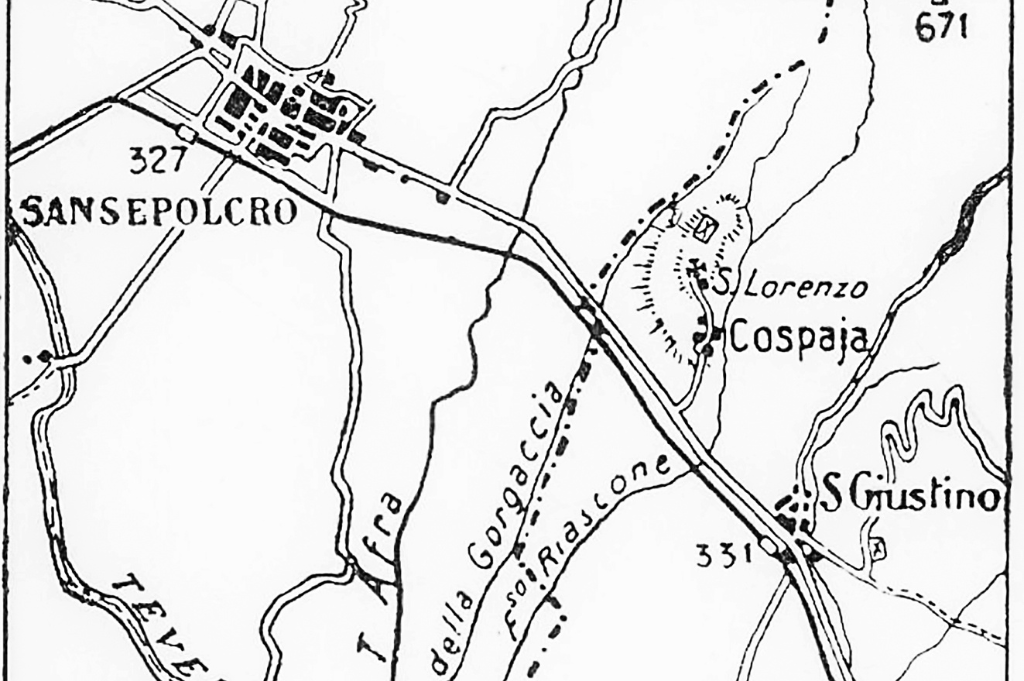
As security for the loan, the Pope ceded to the Republic of Florence the small town of Sansepolcro, near the Perugian countryside. When it came to fixing the new border, no one seemed to notice that the Rio stream — chosen for the purpose — had a namesake running just a few hundred meters away. The Florentine state took the northern Rio as the frontier (today the Gorgaccia stream); the papal delegates took the southern Rio (today the Riascone). And so, thanks to a cartographic slip over two little tributaries of the Tiber, the neutral territory of Cospaia was born, and its inhabitants lost no time in declaring independence (1441).

At just 330 hectares, Cospaia made a useful buffer between two rival states, and so, in 1484, the two adversaries officially recognized its existence. With its people subject to no neighbor’s taxes and its goods to no duty, the little statelet soon began to prosper. In 1574 the bishop of Sansepolcro, Alfonso Tornabuoni, received tobacco seeds from the New World from his nephew Niccolò. The erba tornabuona (“Tornabuoni herb”), as it came to be called, thus began to be cultivated. At first the snuff variety was favored, but from 1642 onward — just as the Pope was excommunicating smokers — the market for tobacco users swelled enormously, perhaps by virtue of the very bans (the eternal allure of the forbidden…). And so Cospaia lived its siglo de oro (“golden age”), governed by a council of heads of household and given over to the production of tobacco.
This state of affairs held at least until 1724, when Pope Benedict XIII lifted the excommunication against smokers, and Cospaia’s goods began to be taxed like any other farm produce. The picturesque interlude came to an end in 1826, when the Republic’s fourteen representatives signed their solemn act of submission to the Papal States. Each Cospaian is said to have received, by way of compensation, a silver papetto coin bearing the image of Leo XII. Yet the territorial upheavals did nothing to check so fertile a business — least of all then, on the threshold of a century that would witness the definitive rise of the bourgeoisie: a young, dynamic social class that loved to see itself reflected in some sort of status symbol. And what better badge of distinction than a drug that bore the cursed mark of centuries of persecution, yet promised elegance and charme in the same breath? In the lands of the Grand Duchy of Tuscany, following the Cospaia model, many tobacco manufactories then sprang up.

Legend has it that one day in 1815 a consignment of tobacco was accidentally soaked by a thunderstorm that broke suddenly over Florence. The leaves were laid out to dry, to be made into cheap cigars for sale. The product’s success — to the dismay of Grand Duke Ferdinand III himself — was immediate.
And so, as accidentally as the Republic of Cospaia itself, the famous Tuscan cigar was born. From 1818 it would be produced in the Sant’Orsola and San Pancrazio manufactories, forerunners of the Manifattura Tabacchi built by the State Monopoly in 1933 — today an architectural jewel, a veritable “city within the city” on via delle Cascine.