Emilio Pucci: The Marchese Who Freed Women from the Corset
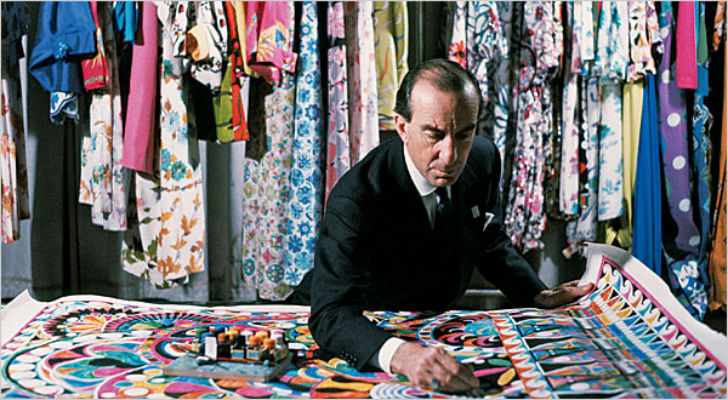
The marchese Emilio Pucci di Barsento was born in Naples on 20 November 1914, under the sign of Scorpio. Still a young man, he was picked for the Italian national team at the 1936 Winter Olympics, then won a skiing scholarship to Reed College in Oregon. It was there that he made his first garments, designing the team’s uniform. Skiing, as it turned out, would leave its mark on his life again and again.
THE 1940s — the Second World War
He returned from America the long way, sailing around the world on an old ship. In 1938 he enlisted in the Regia Aeronautica, Italy’s Royal Air Force, and during the Second World War he was decorated many times over for valor. He became a protagonist of countless missions and of significant historical episodes, among them the escape of Edda Ciano Mussolini into Switzerland. The Gestapo arrested him and took him to Milan, to the San Vittore prison, where he spent nine months of futile abuse, interrogation, and torture. With the war in its final days, Pucci too managed to reach Switzerland. There, to make a living, he became a ski instructor and severed every tie with aviation.
THE POSTWAR YEARS — fashion
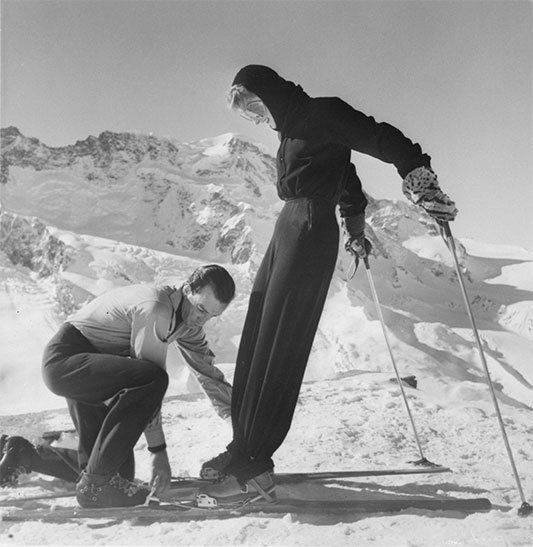
After a first spell teaching in the mountains of Sestriere, he decided to return to Florence, and at last turned his attention back to fashion. As chance would have it, Toni Frissell photographed a dashing gentleman in a sleek modern ski outfit. It was 1947, and the shot ran in the December issue of Harper’s Bazaar. The success that followed proved unstoppable. In 1950, the first boutique bearing the Emilio Pucci name opened in Capri.
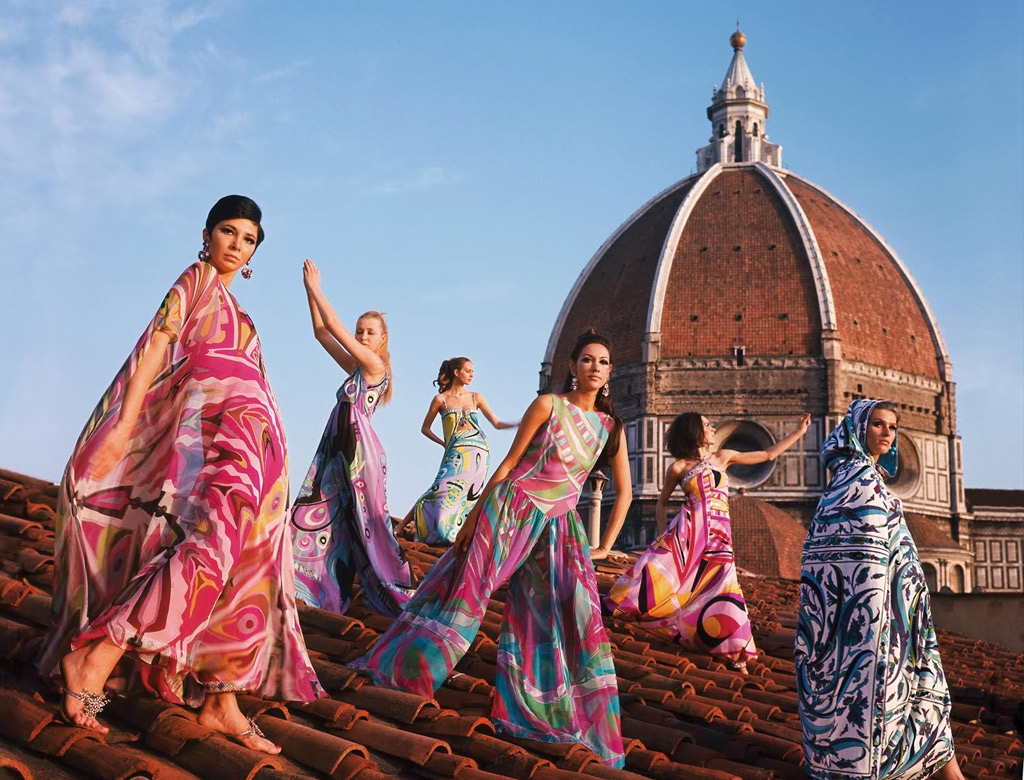
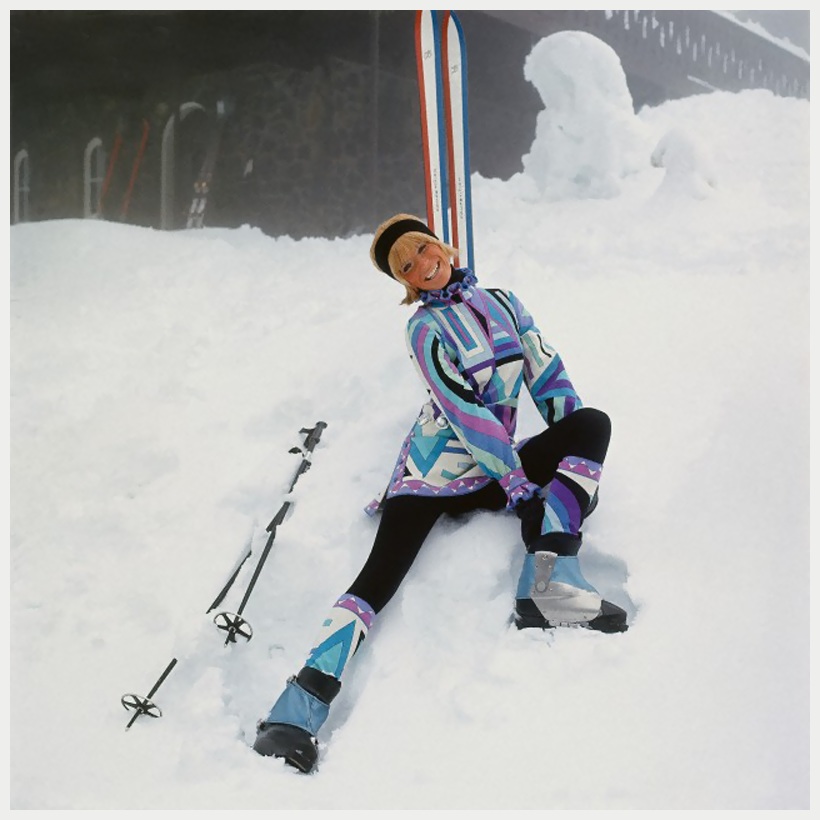
Brilliant colors and bold motifs — a playful twist of lemon yellows, Emilio pink, lavender, sky blues, and mint green. Mediterranean and exotic inspirations. Before him, women were bound up in clothing built of corsets and padding that shackled the body. This is the “Pucci Revolution,” which set loose a longing for freedom, color, lightness, and fluid movement. His creations were worn by every female icon of the era: Marilyn Monroe, Sophia Loren, Jackie Kennedy.
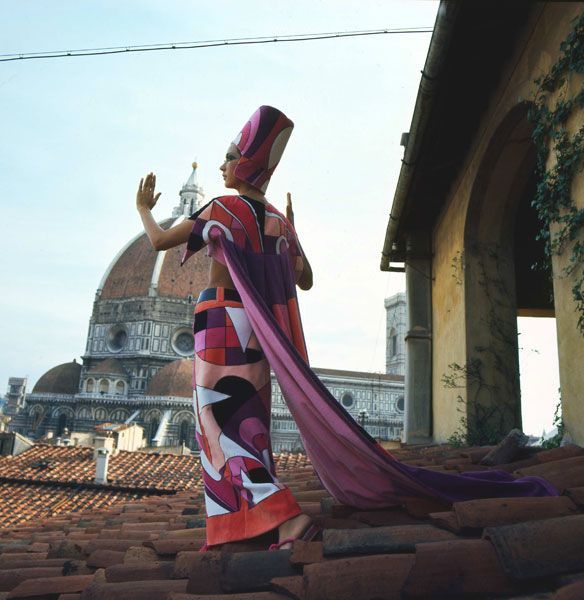
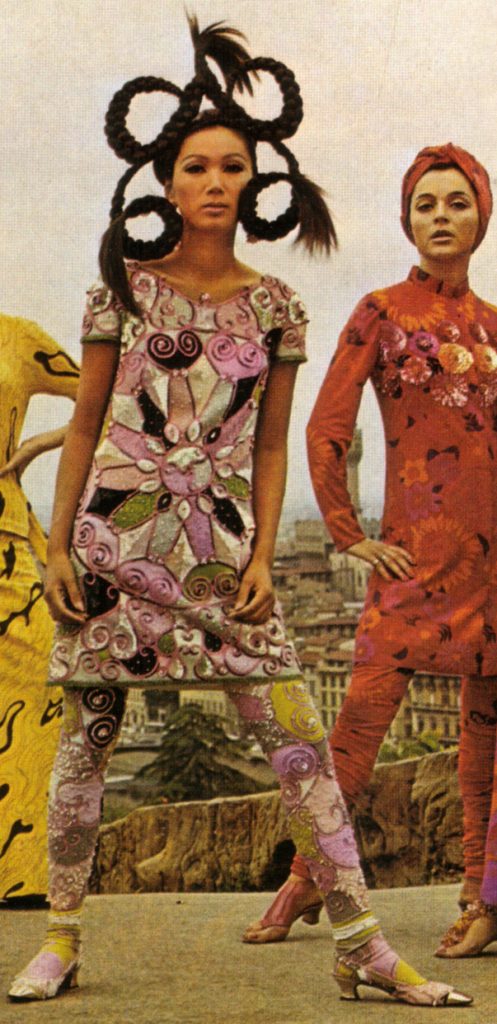
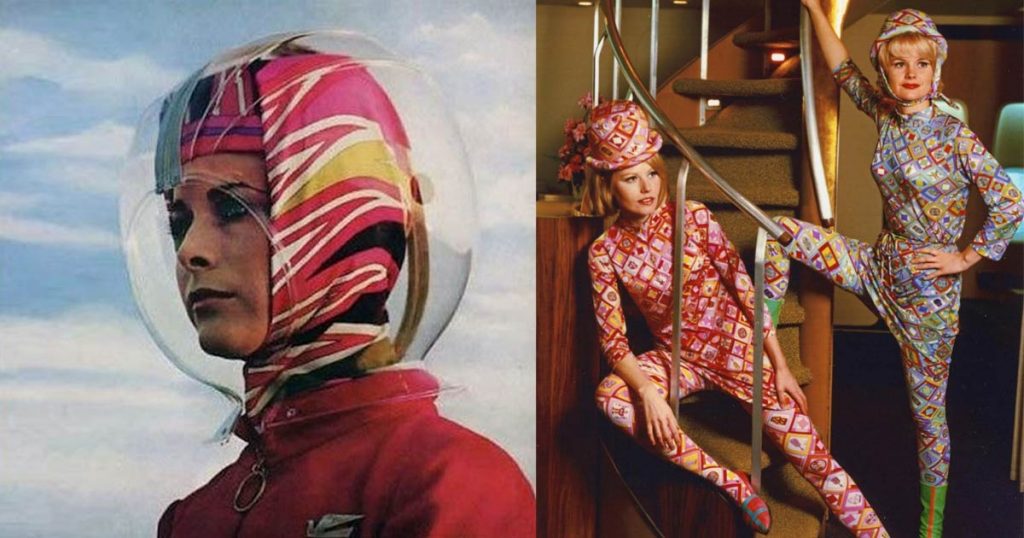
The designer’s career is studded with landmark moments. Emilio Pucci took part in the first fashion show ever held in Italy, staged on 12 February 1951 by Giovanni Battista Giorgini in Florence, at Villa Torrigiani. “The Prince of Prints” was the epithet the press coined expressly for him. The United States, too, fell for the Pucci style. He designed the emblem on the suits of the NASA astronauts for the Apollo 15 mission. He created the uniforms for Braniff International Airways, and in Italy he dressed the traffic police — long white gloves and oval helmets over a blue uniform.
In the 1990s his daughter Laudomia took over, and in 2000 the LVMH group — Louis Vuitton — acquired the rights and relaunched the label. The extraordinary Christian Lacroix, another absolute king of fashion, also worked for Pucci. Today the Emilio Pucci network counts more than 50 stores around the world.
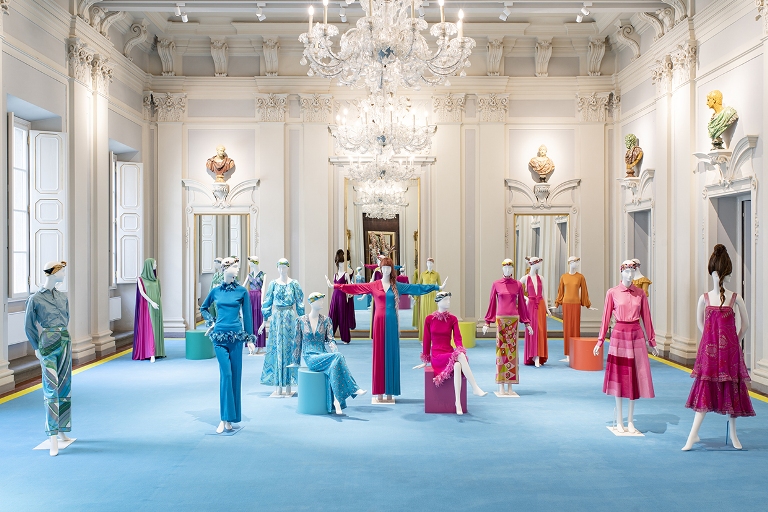
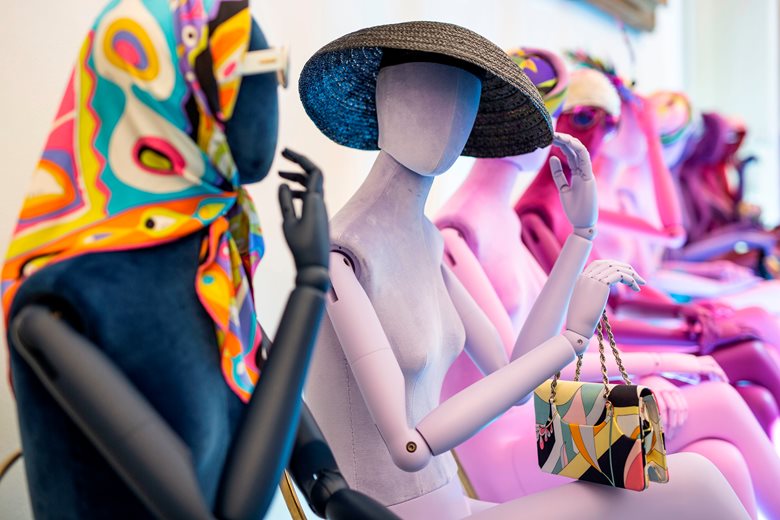
Collections and stories: Emilio Pucci