Where the book becomes an object of desire again: Brac & Co. opens in Florence
I look for the shop sign and find the one that has always been there: Benigni Calzoleria, dal 1919, Calzoleria La Fiorentina, an old shoemaker’s. For a few months now, behind those windows, Brac & Co. has been open, a project born out of passion as an offshoot of the historic Brac bookshop on Via de’ Vagellai.
A historic space
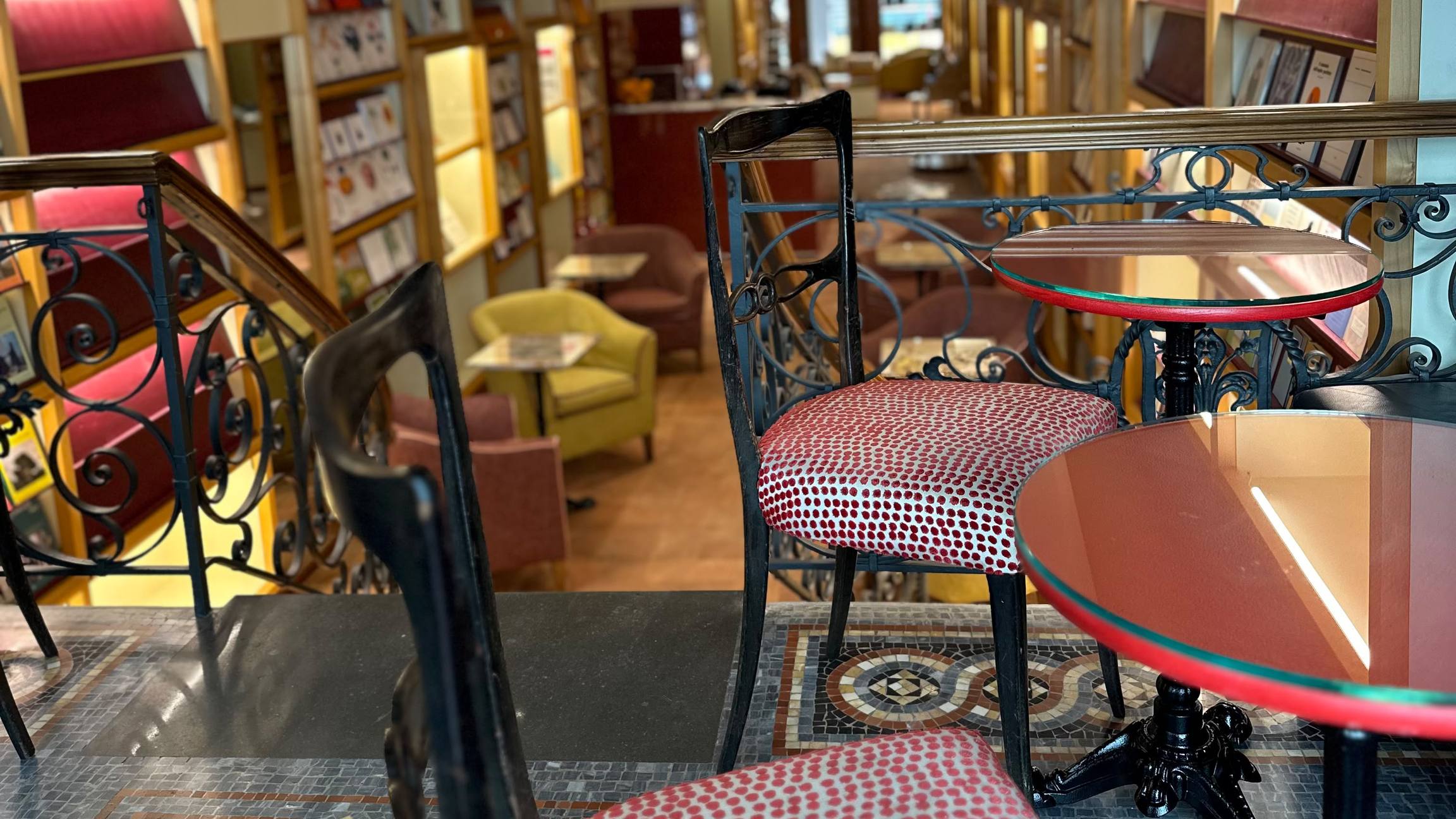
The space has stayed just as it was in the old shoe shop: wooden frames, display cases, shop windows. It unfolds, full of light, along one long straight line that leads to the second entrance on via Montebello, reached by a beautiful wrought-iron staircase and a patio paved in mosaic stone.
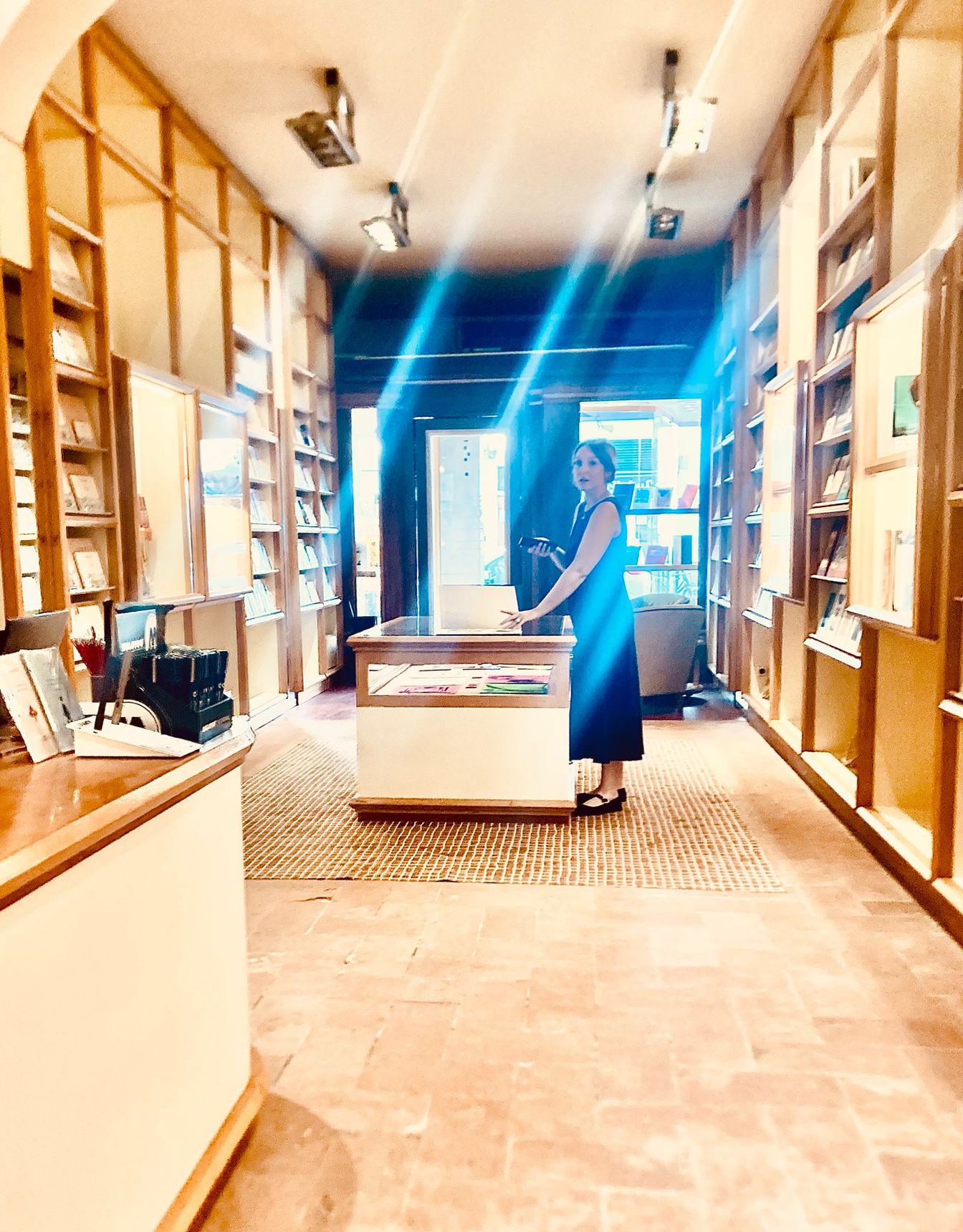
The building is surely more than three hundred years old, and history has left traces of it. In 1930 the Bruscoli family, printers and bookbinders, moved in here; in the early twentieth century they had won a silver medal at an Alinari competition for binding the Divina Commedia. In 1966 the Arno flooded the shop and workshop between Borgo Ognissanti and Via Montebello; as soon as work could resume, the Bruscoli firm was called in to help restore the volumes damaged by the flood. In the years that followed, the space passed to the Benigni family, a historic Florentine shoemaker in business since 1919, as the sign still reminds passersby.
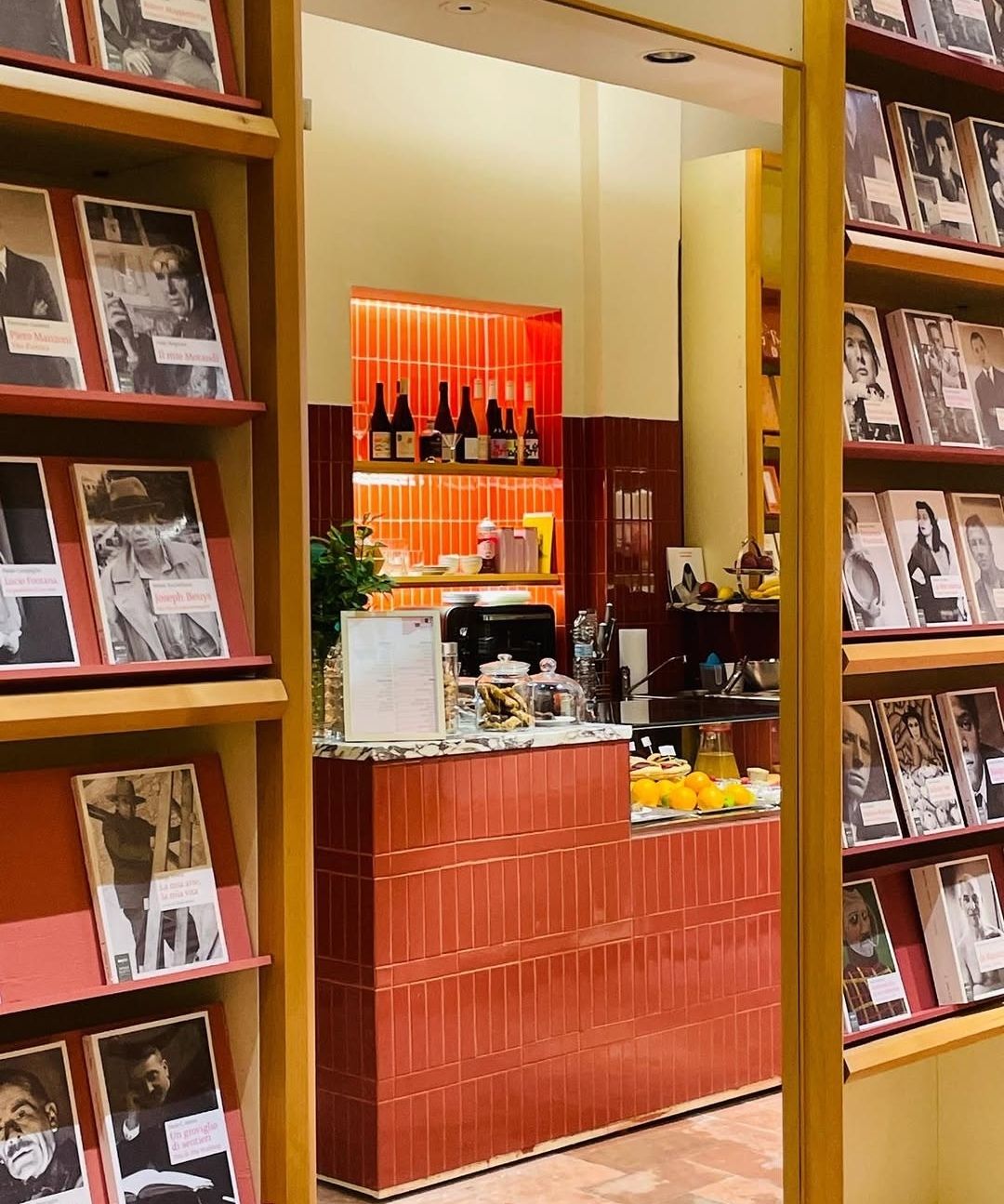
Today a bookshop with a distinctly female signature is born here, thanks to four booksellers who devote themselves to researching and managing the collections: Astrid, Lilith, Letizia and Anna Sara. In the middle of the shop there is a small bar corner under the Brac name, true to its classic vegetarian and vegan style.
The common thread: care
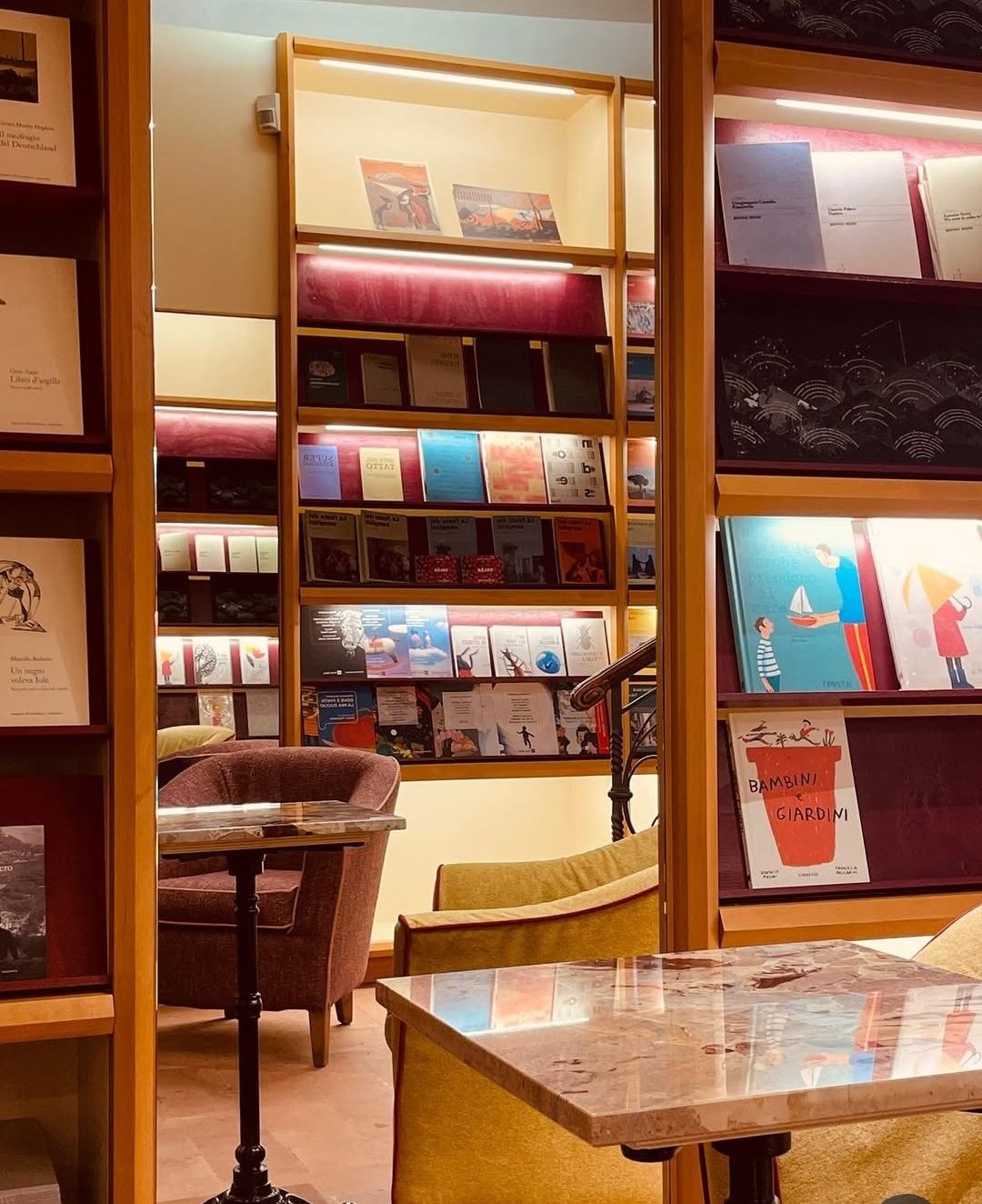
The history of the place is mirrored in the choice of editions. The publishers you’ll find here are bibliophiles who publish little, with great attention to images and typography. Brac & Co. sets out to gather the best of contemporary publishing history.
Nuages, for example, is a Milan gallery that invests part of its proceeds in publishing classics, entrusting the illustrations to its own artists. It produces limited editions with numbered artist’s multiples.
Henry Beyle is a supremely refined publisher, with a catalog of great authors and books crafted with real mastery. Marie-Henri Beyle was Stendhal’s real name, a writer so in love with Milan that he wanted his tombstone to read «Arrigo Beyle, milanese, visse, scrisse, amò» (“Arrigo Beyle, Milanese: he lived, wrote, loved”). Art touched his soul: “Stendhal syndrome,” that rapture and turmoil in front of works of art, takes its name from his notes on his travels in Italy, written after he walked out of Santa Croce with his heart pounding and afraid he might fall.
And Monotype printing? It is the soft spot of Vincenzo Campo, bibliophile and founder of the publishing house, which is devoted to rediscovering the crafts around the book: uncut pages, hand-sewn bindings, fine papers (Zerkall, Fabriano, Cartiere di Sicilia), historic Monotype and Linotype faces. The titles, in limited print runs, are a kaleidoscope of lesser-known writings by twentieth-century masters, released sparingly year after year.
Else, together with Orecchio acerbo, publishes mostly screen-printed books, many of them leporellos, the accordion-fold books, stunning and numbered; some volumes are made with more than 5 color passes. From Else there is also the Manuale di zoologia fantastica (2014), Borges’s bestiary of imaginary creatures: Maurizio Quarello turns Borges into pictures in an illustrated, three-dimensional book where demons and monsters come to life thanks to Luigia Giovannangelo’s pop-ups. Quarello, born in Turin in 1974, has published more than thirty books and received awards such as the Premio Andersen, the Libreter and the Libbylit. For this project he produced thirty plates, which then became pop-ups.
Then there is Tallone, a publisher like perhaps no other left, the most extraordinary of all, I’d say, because it still uses movable type, with truly tiny print runs, in some cases from one to three copies or not many more.
And there is Tara Books: an independent publisher based in Chennai, India, that publishes hand-bound books which can sometimes recall facsimile editions, with textured paper and colors you can’t find anywhere else. Then GOST Books, an independent publisher of visual arts and photography based in London. From Corraini, the Mantua publishing house steeped in the work of Bruno Munari, there are numbered Munari prints for sale, as well as prints by Calderara, Fioroni and others.
A private collection for everyone: relearning beauty
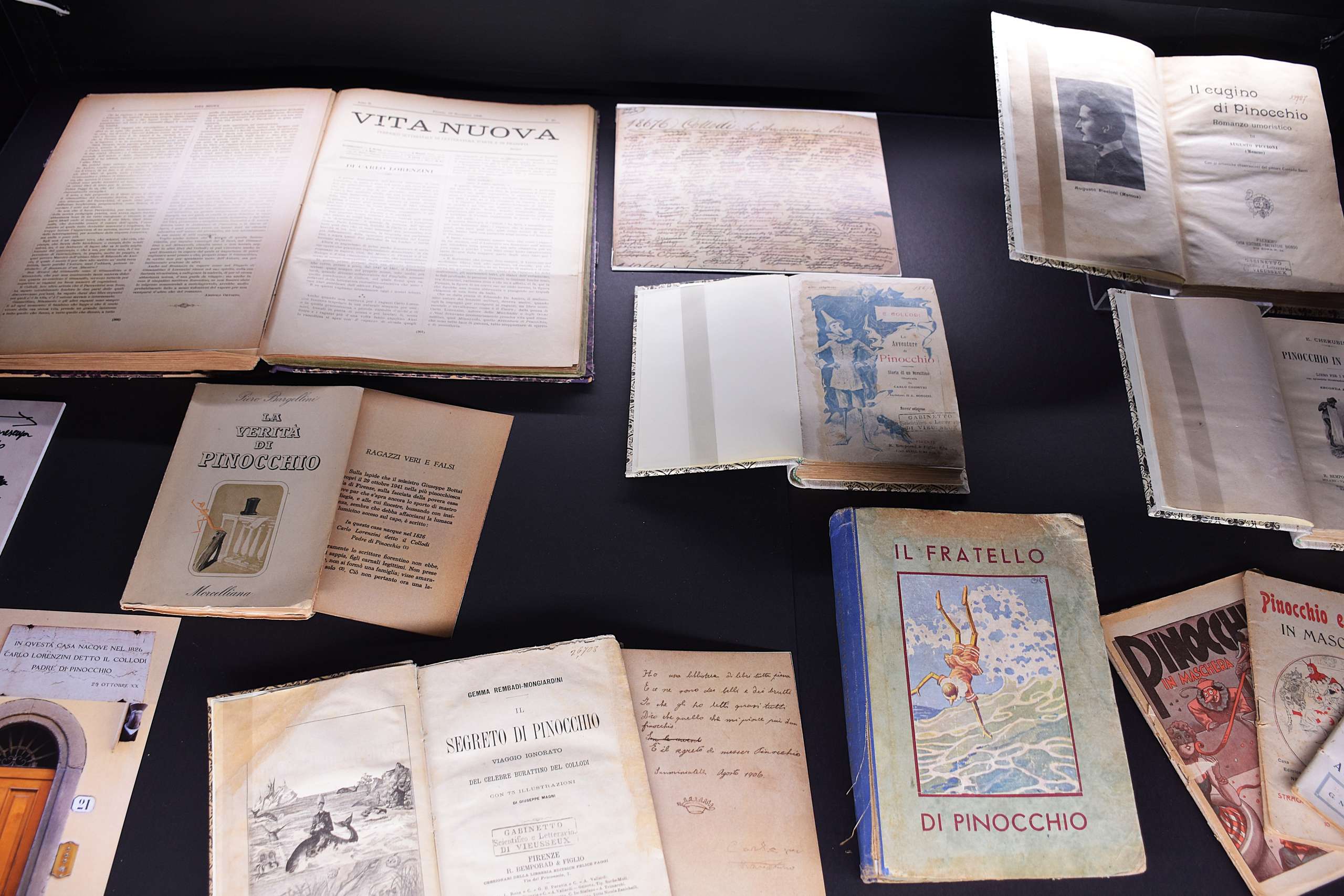
There is also a private collection on display, meant to teach the eye the form of the book all over again. In one case sits Zia Franca, il gioco della musica (Angelo Signorelli Editore), an educational book illustrated by Sto, that is, Sergio Tofano. It is a copy in which the book as a project shows all its care and complexity, proof that every publishing project allowed for a pen, a line suited to that very thing, and that even the endpapers were carefully made. Attention to everything.
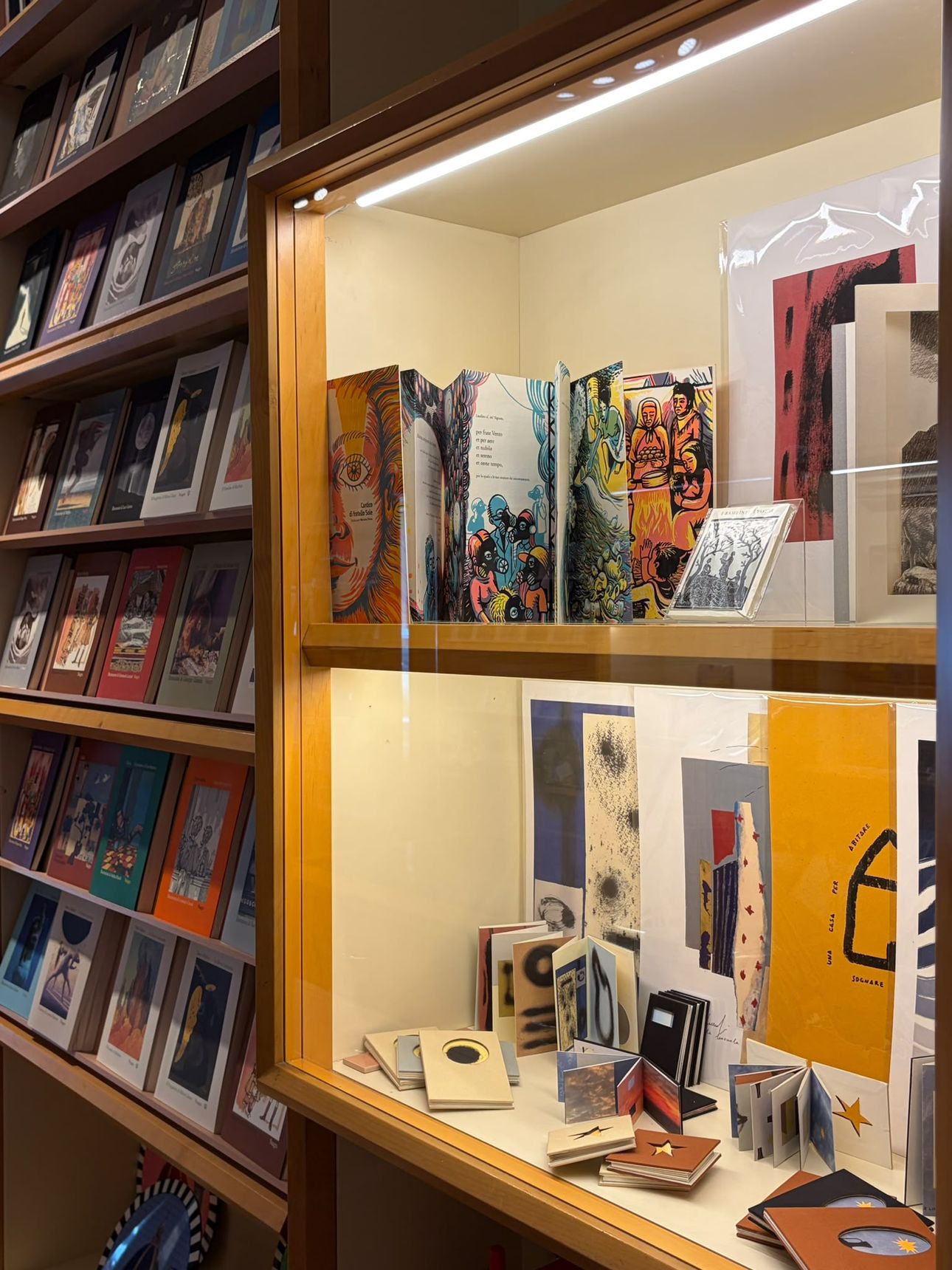
There are also the beautiful books of the publisher Giometti e Antonello, for rediscovering minor authors, and the plaquettes of Pulcino Elefante.
Katsumi Komagata and paper made of light
Among the books on display, those by Katsumi Komagata shine: a graphic designer who worked with Munari for a long time. The Italian edition of Piccolo albero (Little Tree) was recently published in Italy by Lazy Dog, a publisher that has always cared about the history of printing and typography. In the plates of this poetic work you can see drawings made of light, backlight and shadow, tenants of the paper where the little tree grows.
Yellow to red is another precious book by the same author: the adventure of a little bird that loses its parents and sets off to look for them, meeting many characters who, thanks to cut paper in different textures and colors, literally step out of the book. The text is in Japanese with a French translation, published by One Stroke, the design studio Komagata founded in 1986.
On the shelves you’ll also find the books of the Adelphi series I Cavoli a merenda, devoted to children’s literature with extraordinary illustrations that are never trite (one has mind-blowing miniatures), and the Éditions des Musées de Strasbourg, the publishing arm of the city’s municipal museums. A bold choice that gives them independence over publishing their collections: art books and children’s books, 10-15 titles a year in French or German, reflecting Strasbourg’s nature as a border city.
In the window, little Enrico Pantani booklets too!
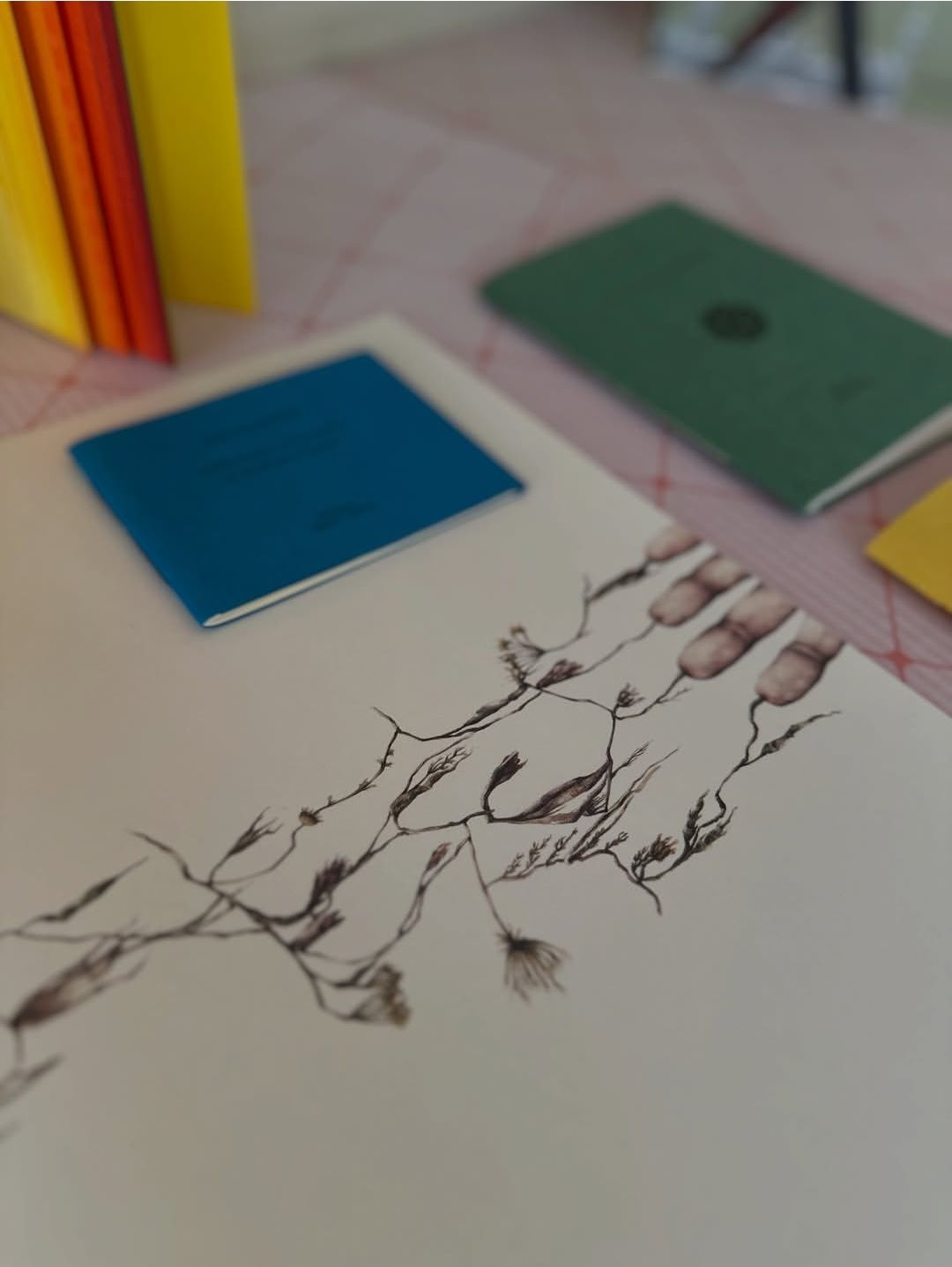
Finally, on one side of the shop, the finest paper and fine-art supplies: nibs, pencils, graphite, watercolors.
How did this treasure chest come to life? Sacha and Melisa, the founders of Brac, used to frequent and adore Babele, a bookshop run by Laura Accodi, closed for years now, which in a tiny space gathered and sold Franco Maria Ricci editions and other true delights.
“We have always missed it. Brac&Co. takes its inspiration from it, and was born of the passion for books we have always had.”
Florence was missing spaces like this, not least for their calling to celebrate an object, the book, which has a dimension where all of us can find something, and find ourselves.