Wear it wise. A Young Generation’s Guide to Conscious Fashion
We buy more clothes today than at any point in history, and most of them don’t stay in our closets for long. Fast fashion has made it normal to wear something a few times and then forget about it. New collections arrive every few weeks, prices are low, and buying has never been easier.
But this convenience comes at a cost. Cheap materials wear out fast, so clothes get thrown away instead of repaired. Factories producing fast fashion often use huge amounts of water and chemicals, additionally, workers in these factories are frequently underpaid. On top of that, brands have learned to take advantage of people’s growing environmental awareness through greenwashing. It makes people feel good about a purchase without any actual benefit to the planet, and makes it harder to tell which brands are genuinely trying to do less harm.
The result of a cycle is that we consume faster, throw away faster, and trust labels that often don’t mean much. Changing this pattern starts with the individual consumer.
Fashion is definitely a form of self-expression, but it shouldn’t cost the planet’s future. Breaking free from trends is about taking control of your choices.
The international project “Wear It Wise” was held in Tammispea, Estonia, with the participation of five different countries: Italy, Estonia, Turkey, Germany and Sweden. With the support of Erasmus+ Fund, we created a youth exchange and through open dialogue and informal educational methods, we as youth were looking for solutions to huge fashion overconsumption, fashion’s harm to the environment, and our responsibility as consumers. We were searching for an answer to the question: What can I do as a consumer to keep my planet clean, and what does true sustainability really mean?
The word “sustainable,” which at first glance seemed too broad to us, actually found its definition pretty easily. The word “sustainable” means using resources and methods in a way that meets our needs right now and lets us enjoy this life, but without ruining the chances of future generations to do the same.
Knowing this, we found some hacks for our lifestyle that we can use to become more conscious consumers. So, we found our answer and developed a whole guide based on our thoughts and insights and we are ready to share it. As a consumer, you should follow a list of guidelines when buying new clothes. First of all, you need to be critical.
Before Buying
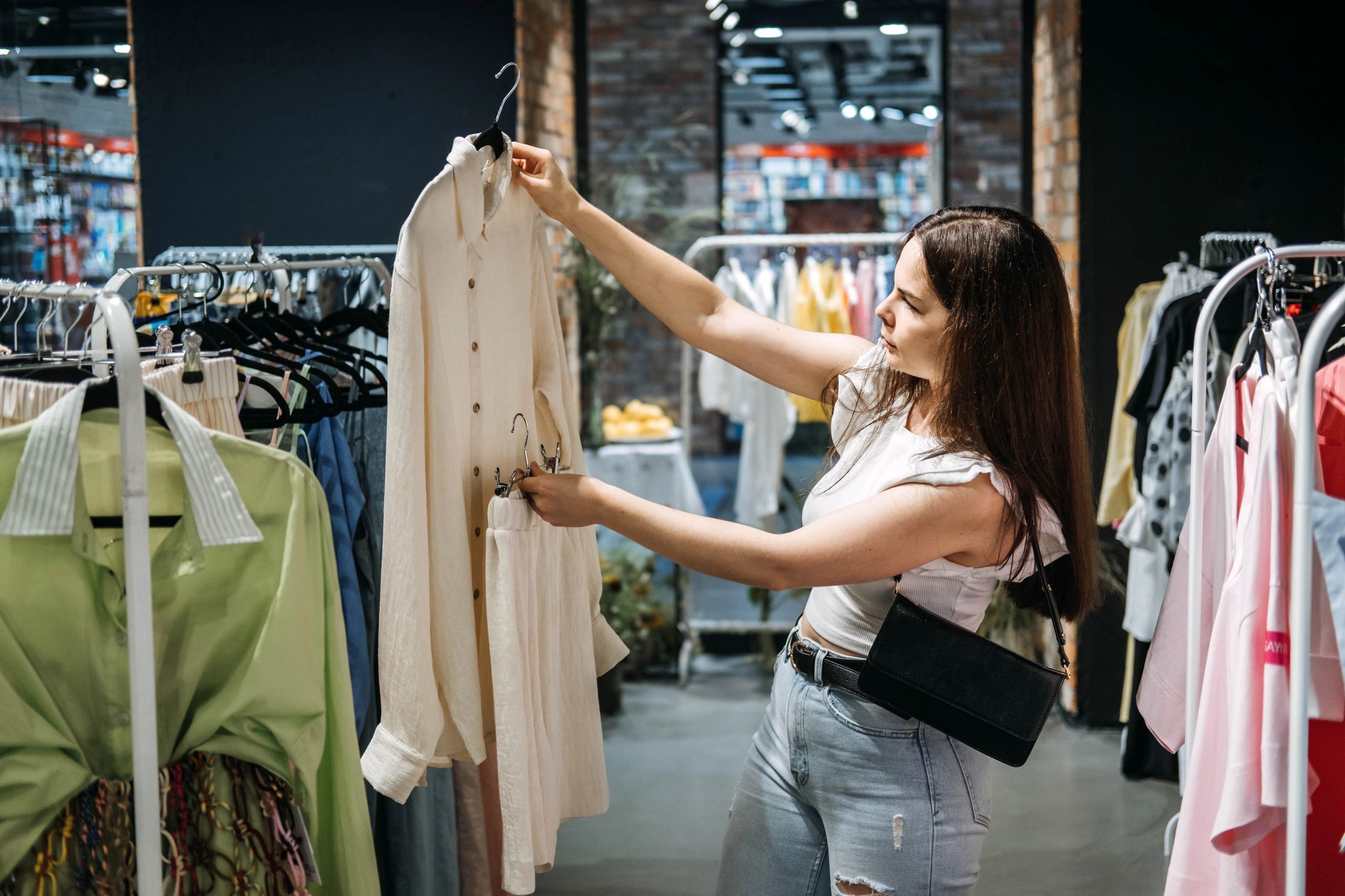
The 24-hour rule is a good one to follow. During those 24 hours, imagine yourself wearing that piece of clothing 30 times. If the thought isn’t appealing, then don’t buy it. After these steps, you could declare the item worthy of purchasing.
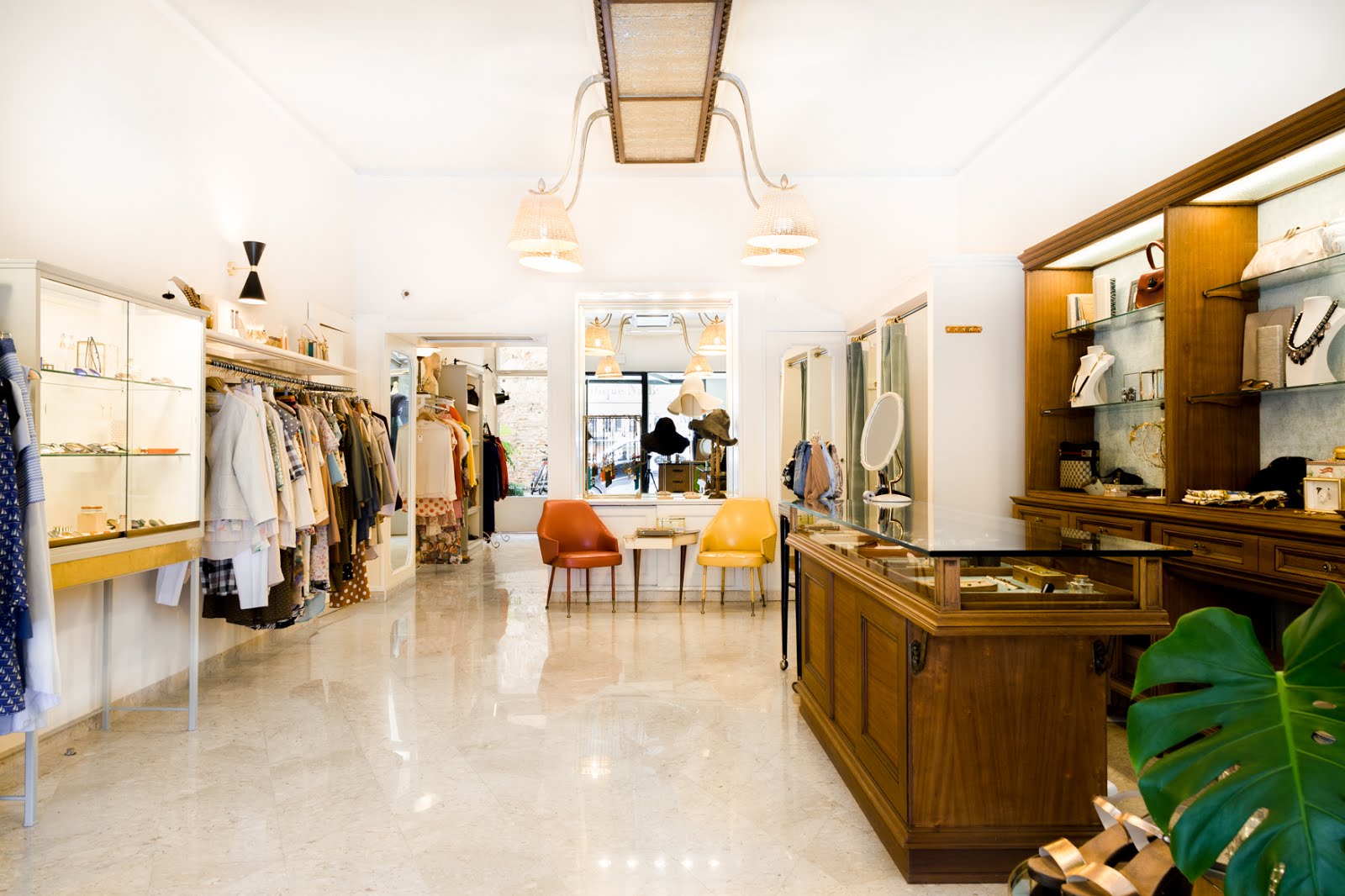
Prioritize shopping at second hand or thrift shops. Not only are you helping by buying something that would otherwise be thrown away, but you are also giving the big companies one less new shirt sold. However, when you do need to buy new, choosing a physical store over an online order lets you check quality in person and avoid unnecessary packaging, shipping, and carbon emissions.
It is important to gain knowledge about the company that you’re buying from. Is the company producing clothes in an environmentally friendly way? Are the goods imported or transported from far away? Does the company care about the climate at all?
One simple effort of research about the company should reveal all of the information you want, but if it doesn’t, it probably means that they’re hiding something. Be sure to do your research thoroughly, because a lot of companies use greenwashing, which is a way to mislead consumers about the details of production, materials and environmental impact.
Quality matters more than quantity. Buying better clothes, but fewer of them, saves money over time and reduces waste, since well-made items simply last longer. Taking care of what you already own is part of this too, follow the washing instructions instead of ignoring them.
Repair, Reuse, Repurpose
If the clothes are ripped you can easily repair them. Learn basic repair skills, like sewing a button or fixing a small hole, instead of throwing something out over a minor flaw. Some people take it further and sew their own clothes, which is complete, which could be a complete alternative to buying new ones.
You can also learn to repurpose clothes yourself. A piece of clothing you don’t use can be turned into something else, which means less need for new materials. For example, if you were to rip a hole in a shirt, instead of throwing it away, you could craft something out of it, like a handbag. Or you could use the fabric as sewing material, maybe patching up another ripped piece of clothing.
Utilize
Not only are there things to do when buying, but it is also important to know what to do when you want to get rid of clothes. Some people might just throw old clothes away, but there is actually a lot you can do!
You are able to give the clothes a second life by giving them to a friend, selling them, donating them, or taking them to a secondhand shop. In some countries and cities, there are recycling stations for textiles, so that would also be an alternative.
Swapping clothes with friends is a free way to refresh a wardrobe, and renting a costume for a one-time event makes more sense than buying something you’ll wear once.
In conclusion there are a lot of things you as a consumer can change in your life to shift toward sustainable fashion consumption. You should do research both about the companies and the clothes, for example what materials they use to create the clothes. Always take good care of them and if you don’t use them anymore you can sell, give or recycle them. When shopping you should always think critically and think about if you really need the clothes or if you just want them. If everyone starts shifting towards this we would have less waste, less pollution, less water waste, better quality clothes and a lot more. We need to start acting, the environment is in need and you as a consumer are given the power to make a change.
The project gave us a sense of respect and appreciation for nature, where we felt a deep concern and learnt about the consequences of industrial harm, and found opportunities to take responsive actions to a perceived global ecological crisis. So, the next time you are about to buy something new, stop for a moment and ask yourself, do I really need this? And if the answer is yes, can I make a more conscious choice?
Small choices become habits. Habits make changes. Changes make “Wear it wise”.
Sofija Poluškina is a student at IED Florence.