Astra Cinema: directing a cinema that resists
Cinema: the shared experience of a dark room immersed in silence, time suspended in other worlds. A ritual for enthusiasts, distancing itself from the addiction to flashing screens that engulf us, with bite-sized videos lasting only seconds. Cinema is something else entirely: we discuss it through a brief journey into the seventh art and the Florentine venues that continue to preserve its magic. Talking about cinema with Michele Crocchiola, one thing becomes immediately clear: for him, building the identity of a theater means having a consistent editorial line and offering films that leave a mark, creating a genuine connection with the audience. By maintaining this careful and passionate approach over the years, Michele has risen to the role of general director of Fondazione Stensen, the owner of the namesake arthouse cinema, currently closed for improvements and innovations. Since its opening on January 26, 2023, Stensen has managed the Astra cinema in Piazza Beccaria in collaboration with PRG, a company that organizes live performances in Florentine theaters (such as Mandela Forum and many others). “We closed Stensen the day before Astra opened—I like to call Astra our backup cinema!”
From the artistic direction of a major festival to running a cinema: how have these experiences influenced your perspective on the role of cinema in contemporary society and cultural debate?
“Yes, for four years, I was the director of a major and important arts festival in Poggibonsi. Then, the Tuscany Region invited me to direct the Odeon for three years. After my time at Odeon, I returned to Stensen, where I had previously volunteered. I found a method, a freedom of action, and a cultural sensitivity that were lacking elsewhere. By statute, the Foundation focuses on interculturalism and education, aiming to foster a shared approach to questioning cultural, ethical, and political dynamics as they emerge. Just consider the social and political upheavals of the past five years… Together with the President, Father Brovedani, we have dedicated ourselves in recent years, through cinema and beyond, to creating programs that integrate different perspectives, valuing diverse identities with a secular approach, avoiding sterile oppositions. The goal is to help citizens identify innovative criteria for interpreting changes and to promote conscious citizenship, responsible coexistence, and constructive dialogue.”
Stensen has undergone several phases. Can you tell us about them? And how has this legacy influenced its current identity and role in the Florentine cinema scene?
“Founded by the Jesuits in the 1960s, Fondazione Culturale Stensen was initially a student residence, then a cultural center, and eventually a key venue for auteur cinema. Its history was particularly interesting during the 1970s and 1980s, when the progressive leftist reality of the Florentine Church—already influenced by La Pira—was followed by an intellectual fervor. For example, I was told that one of the preparatory meetings for the creation of the communist newspaper Il Manifesto took place right here at Stensen in Florence. Throughout the 1980s and 1990s, it became well known as a hub for film forums. In 2000, Stensen underwent a leadership change with the arrival of a new Jesuit priest, who is still in charge today. With him came some transformations, including the involvement of young university students as volunteers. Some of those young people are still active in the Florentine cinema scene—perhaps the two most ‘well-known’ among them are me and Marco Luceri (Cinema Manager at Giunti Odeon, ed.).”
In 2013, thanks to films like The Brand New Testament, Stensen built a strong identity and developed a loyal audience. How did you contribute to its growth, turning it into a reference point in the Florentine and national cinema landscape?
“Andrea Romeo, founder of the distribution company I Wonder, proposed that I sign a nine-week contract for that film—an incredible gamble. The film became a local and national phenomenon. I remember it well because many people still recall watching The Brand New Testament at Stensen. In a world where you can watch movies almost anywhere, it is crucial for a cinema to build its own identity. This is achieved through an editorial line, with films that act as a kind of trademark, overlapping with an emotional and shared experience. It’s like dating the most popular guy in school at 18: even if it never happens again, the emotional experience stays with you.
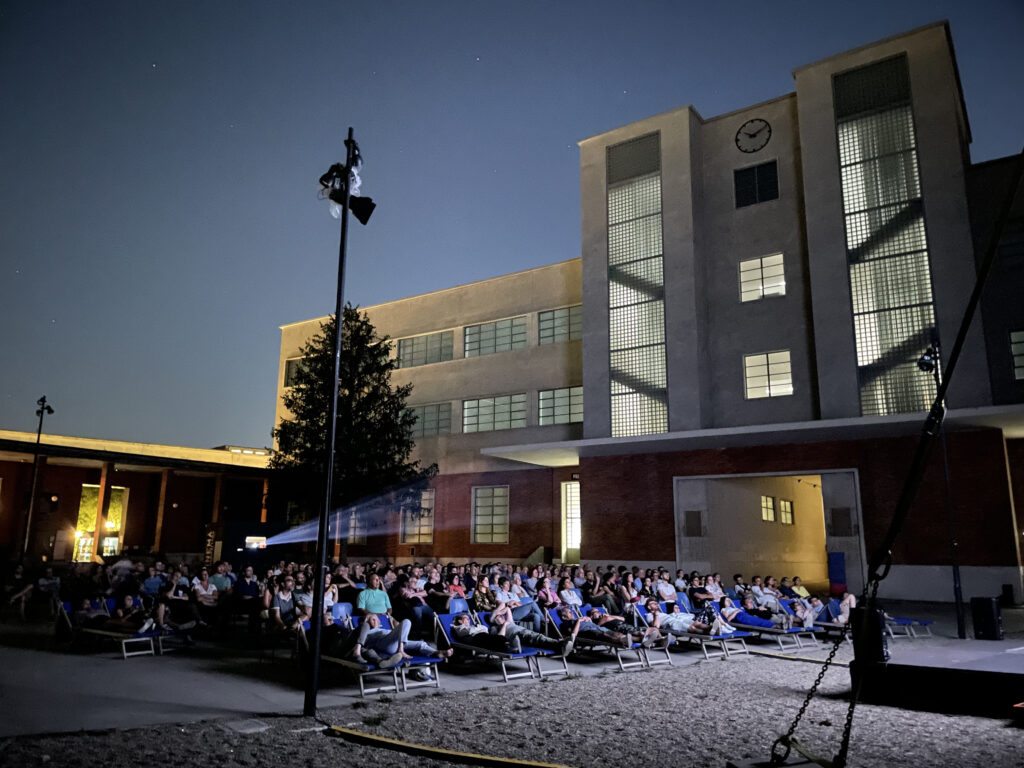
In the early years, I was responsible for programming Stensen alongside some volunteer colleagues. Over time, things improved, and we were able to provide continuity. The Foundation decided to make the cinema a stable reality, even appointing a general director. Today, I oversee both the artistic side, together with colleagues, and the ‘less fun’ aspects such as human resources, budgets, and maintenance. The Foundation also manages programming and training for other venues, such as Nuovo Cinema Italia in Pontassieve, Cinema L’Unione in Girone, Teatro di Fiesole, and Garibaldi in Prato. It also handles summer arenas at Villa Bardini, Teatro Romano di Fiesole, and Manifattura Tabacchi, aiming to create a quality network.”
How important has it been to create a network of cinemas, and how did you ensure that these venues, while maintaining their identity, became places for socializing and public discussion?
“Creating a network means helping venues remain independent while being part of a coordinated structure with a shared approach. It promotes the idea that cinema is, above all, a place for socializing, meeting, discussion, and debate.”
Let’s talk about Cinema Astra—what makes it unique?
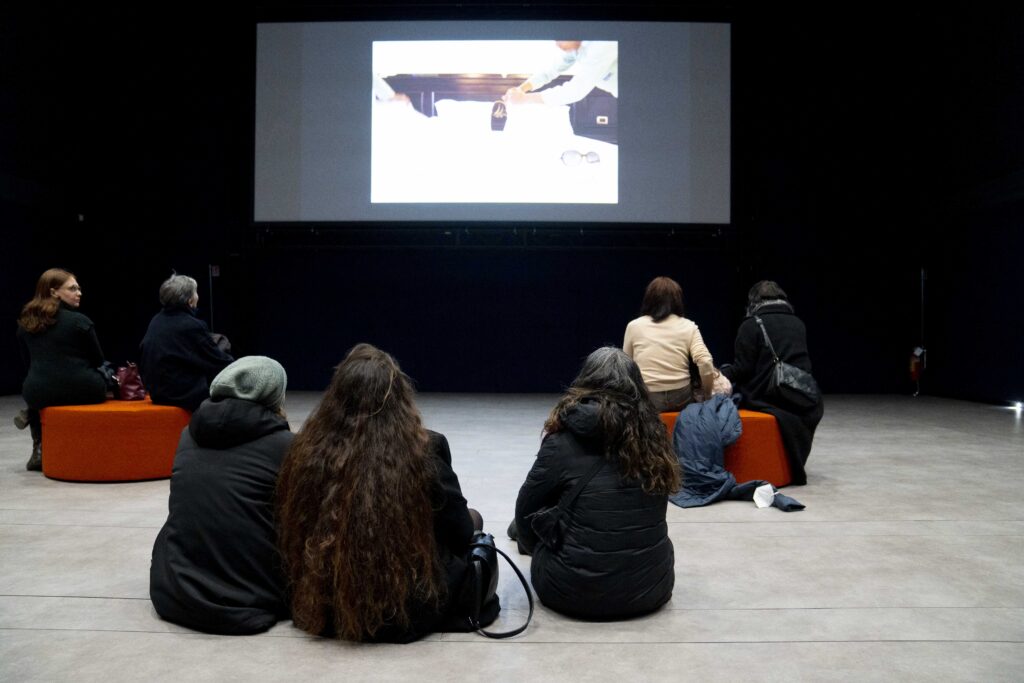
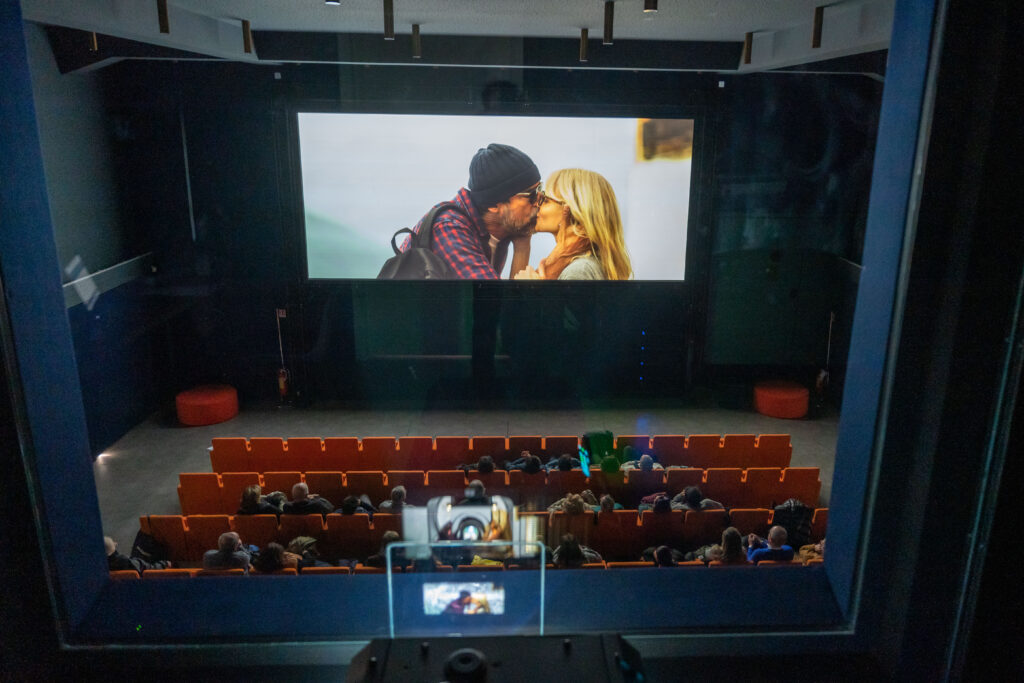
“Astra, now two years old, is a multifunctional space: its seats can be hidden under the floor, a feature that requires creativity and imagination. We’ve also used it as an exhibition space for photography shows, projecting images onto the screen as a slideshow. With the film Tatami, which explores Israel and Iran through the sport of judo, we involved Florentine judo schools, removed the seats, transformed the theater into a sort of dojo, and watched the film lying on tatami mats. These are ways to enhance the cinematic experience, broadening perspectives and knowledge through unique experiences.”
What impact do architectural and cultural restrictions have on the survival of cinemas in Florence?
“Cinemas close based on their specific contexts—each city has its own reasons. Architectural and cultural restrictions should protect both tangible and intangible heritage, but they have often become mere limitations, with policymakers failing to find suitable solutions, compensations, or transformations to revitalize them, even in cases of private property. Florence has seen emblematic examples: the Odeon cinema underwent changes due to economic and management reasons; Fulgor closed due to a failed real estate speculation; SpazioUno is on hold, hoping to reopen in the same building, which is undergoing major renovations. Fiorella and Flora have also been, or are about to be, transformed into larger multiplexes to adapt to new market dynamics.”
What role do film festivals play in Florence, and how are they addressing the challenges of digital audiovisual consumption?
“I hadn’t yet mentioned La Compagnia, a public theater (managed by the Region, ed.), known for its pricing policy, programming choices, and for being home to numerous festivals (such as Middle East Now, Korea Film Festival, Festival dei Popoli, River to River…). With institutional support, this cinema operated even during the pandemic. As audience demographics shifted—more young people under 35 and fewer over 55—La Compagnia has been ‘raising’ the audience of tomorrow. Hosting all these festivals helps tackle important and diverse topics. Florence is one of the Italian cities with the most internationally recognized film festivals. However, even these are transforming: in a world where you can watch anything anywhere, organizing exclusive premieres is becoming increasingly complex.”
How do you see technological evolution in cinema today, and what do you think is the importance of the human dimension compared to technology in the moviegoing experience?
“I’d say that the biggest technological innovation in cinemas right now is… the seats! Joking aside, we’ve experimented with augmented reality projections using headsets, turning an otherwise solitary experience into a shared one. But ultimately, technology doesn’t make a cinema—people do. The key is designing innovative, welcoming spaces, using technology to enhance architecture. Perhaps, in theaters, we may even see a return to film projection, because the cinema experience will never fade.”
Finally, what are your long-term goals for Cinema Astra and the future of film culture in Florence?
“Many things are in the works—guest events, festivals, retrospectives, restorations—but the most important is completing the renovation of our theater, which requires a multimillion-euro investment. For now, let’s focus on this: those looking for a welcoming, vibrant cinema in Florence should come to Astra.”