The Poggi Ramps: Florence from Capital City to Today
It was 1864 when the Parliament of the new Kingdom of Italy decided to move the capital from Turin to Florence: an epochal event that changed the fortunes of the city, which in these years underwent a true metamorphosis that transformed and completely reshaped its appearance.
The transfer to Florence of King Vittorio Emanuele II, followed by the entire apparatus of public administration, was to take place formally on February 18, 1865. But the city that would host it still had an irremediably medieval layout, hardly suited to its new role. For this reason, the King charged the Florentine architect and engineer Giuseppe Poggi (1811–1901) with drawing up a new plan to expand the city — later called the “risanamento” (redevelopment) — that would make Florence resemble the great capitals of Europe.
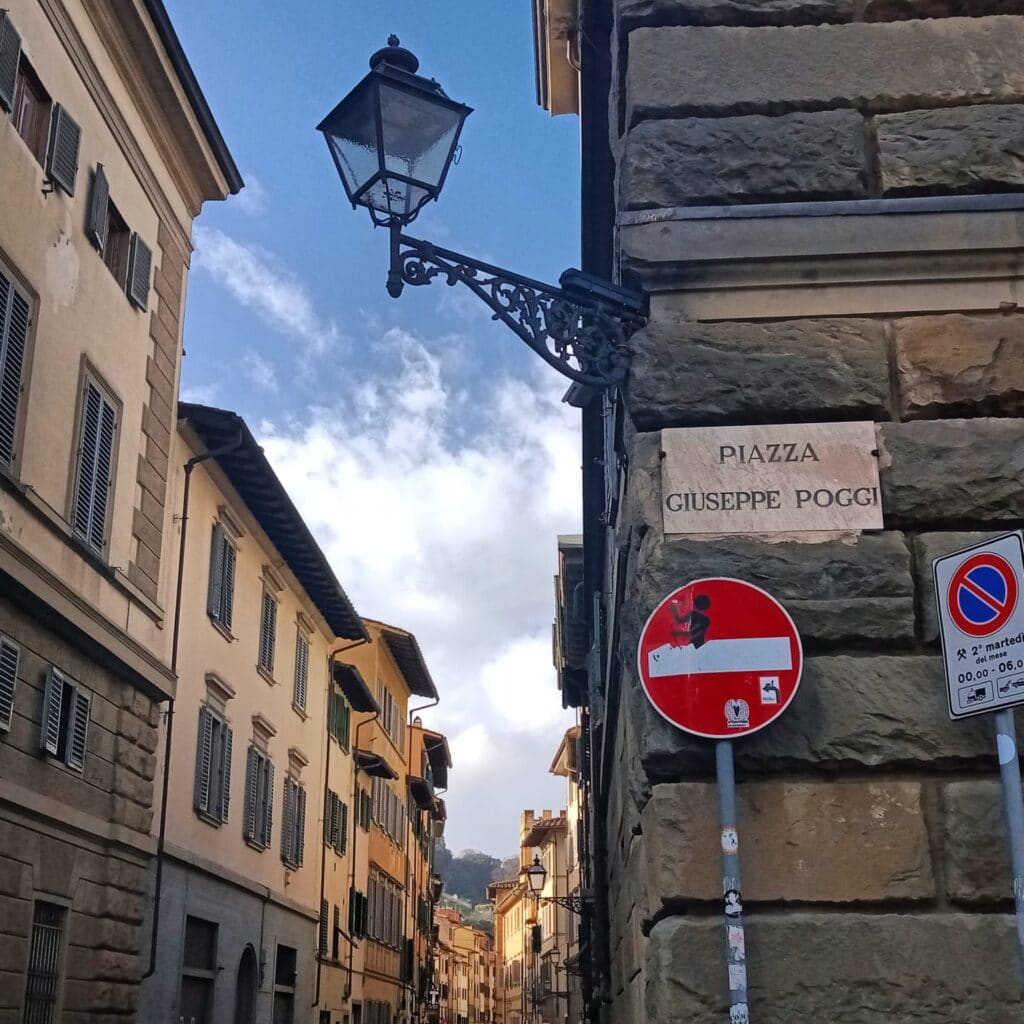

And so, while King Vittorio Emanuele walked the halls of the majestic Palazzo Pitti, where he took up residence, Poggi set his ambitious plan of urban development in motion. It called for a great many interventions, among them the demolition of the medieval walls and the construction of ring-road avenues in the manner of the French “boulevards” laid out by the urbanist Haussmann in Paris, together with circular squares where the old city gates had stood; and then new districts, including Campo di Marte, designed for military drills and parades, along with the modernization of the sewer system and the renewal of parks and gardens such as the Cascine, with the aim of giving the city’s green spaces back to the less privileged classes as well.
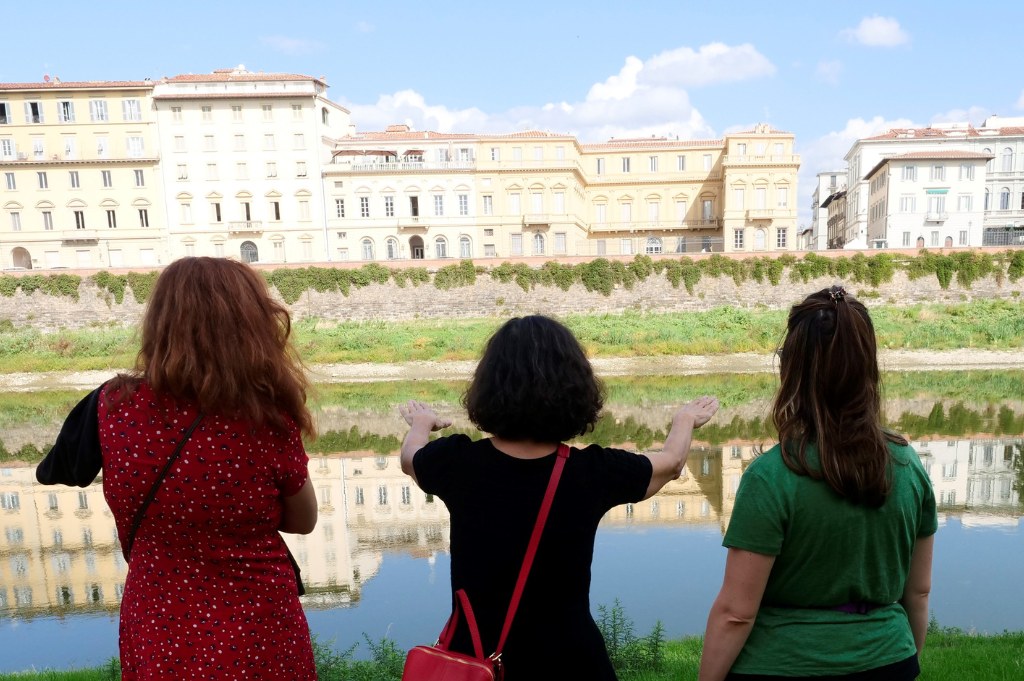
In doing so, Poggi carried out works that, in a sense, gave breathing room and greater beauty to a city where buildings still stood crammed one against the other. At the time those constructions hid the banks of the Arno, which was almost invisible even though floods in Florence were very frequent — the last had struck in that same year, 1864. For this reason, Florentines feared their river and, over time, had done everything they could to keep the population away from the water, raising tall, tightly packed buildings that lent the city a disorderly, almost chaotic look.

Against this backdrop, Giuseppe Poggi also conceived the extraordinary, sweeping panoramic Viale dei Colli, which — set entirely in nature — begins at Porta Romana, climbs over the hills, and descends again to the banks of the Arno. Like the city’s new districts, the avenue was enriched with green spaces and with sumptuous Neo-Renaissance villas, soon inhabited by members of the local elites, who could at last set themselves apart from the poorer classes. Those poorer classes, sadly, continued even after the redevelopment to crowd into the cramped, wretched dwellings of the old town center. This gave the city a purely bourgeois character that favored the aristocracy above all — yet still brought about general transformations that would certainly improve the quality of life for everyone.
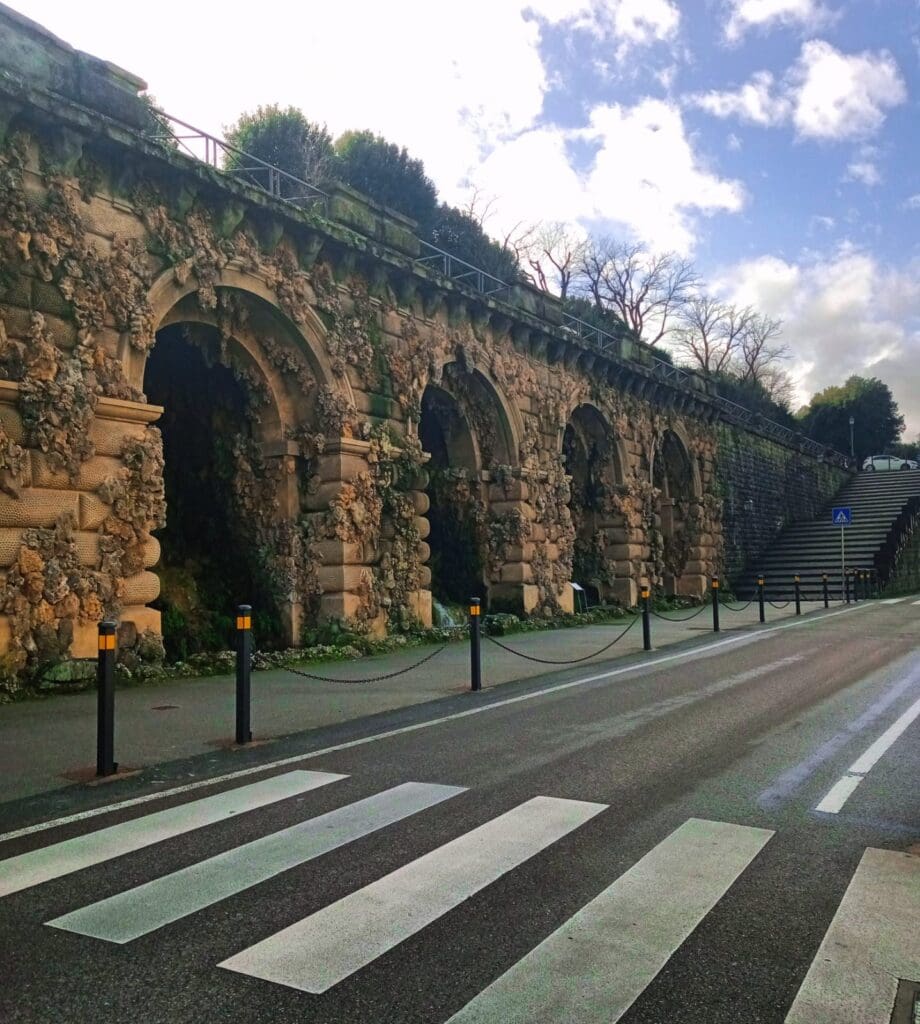
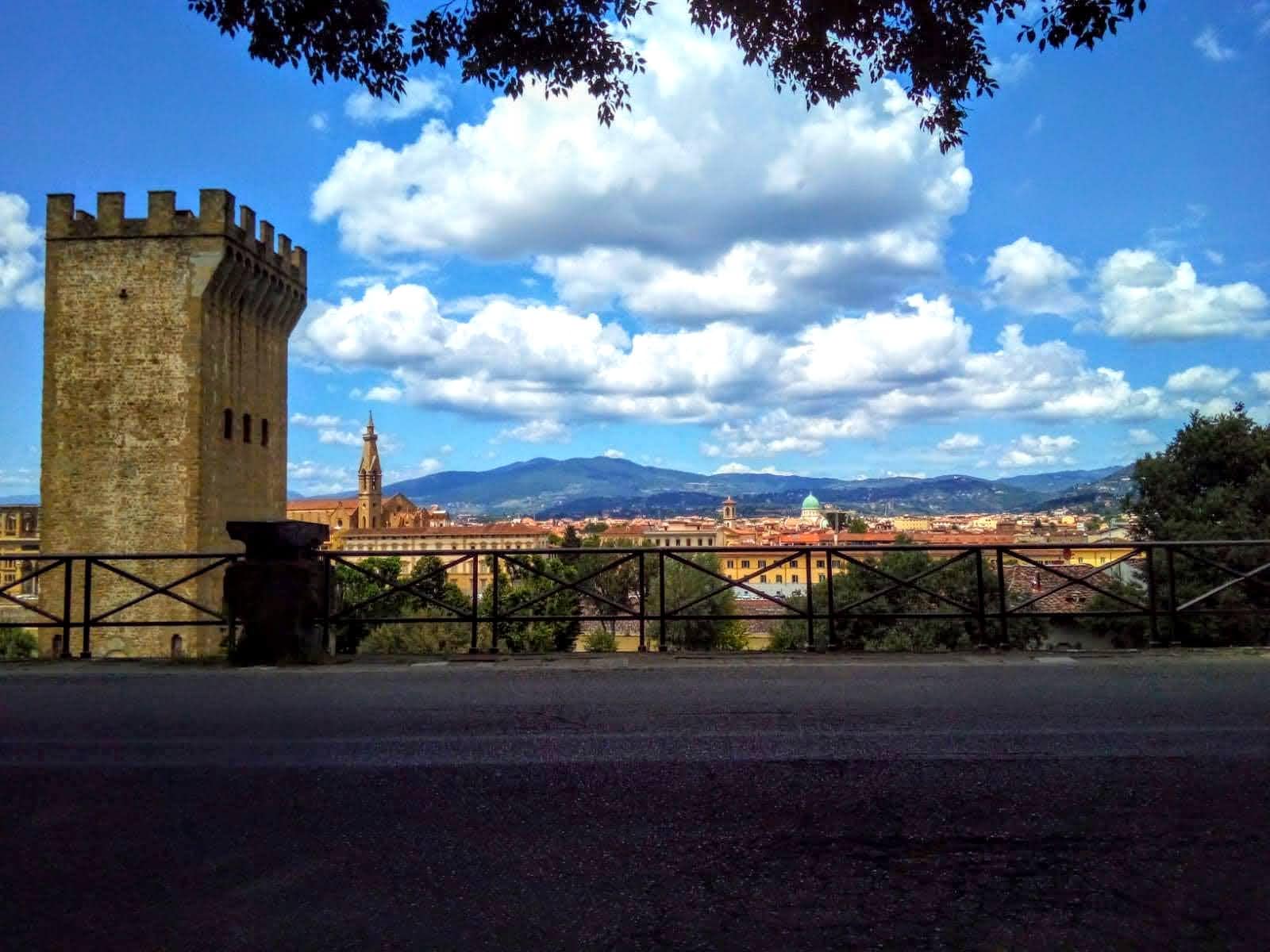
The creation of “the most beautiful promenade in the world,” as the architect himself called it, could not leave out the building of an enormous, imposing terrace that, halfway along the Viale dei Colli, would offer a kind of “resting place” crowned by a splendid view over the whole city: we are speaking, of course, of Piazzale Michelangelo, itself part of the grand redevelopment project. Originally conceived as a true open-air museum devoted to Michelangelo, meant to display copies of the artist’s greatest works, it ended up showing only the bronze copy of the David, with copies of the four allegories from the New Sacristy of San Lorenzo set around its base.
And it was precisely at the foot of the piazzale that the architect decided to build spectacular ramps, which would connect the banks of the Lungarno Serristori directly to the terrace and, at the same time, address a problem in the stability of the hillside below, which was in danger of giving way.
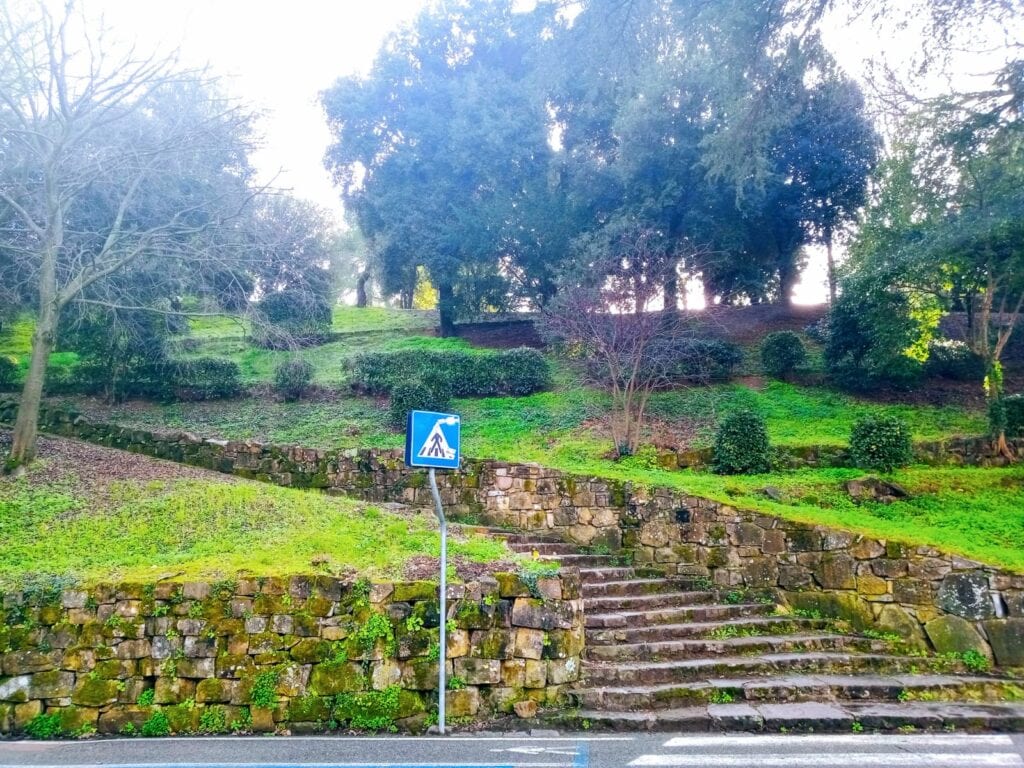
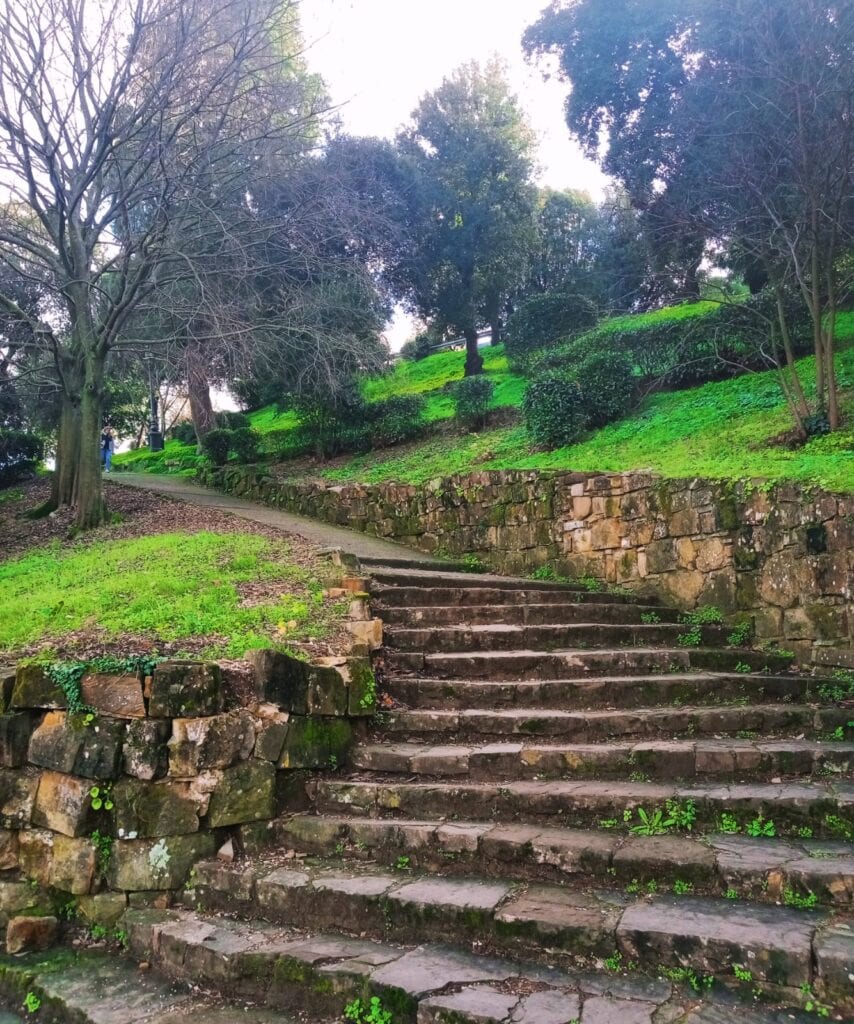
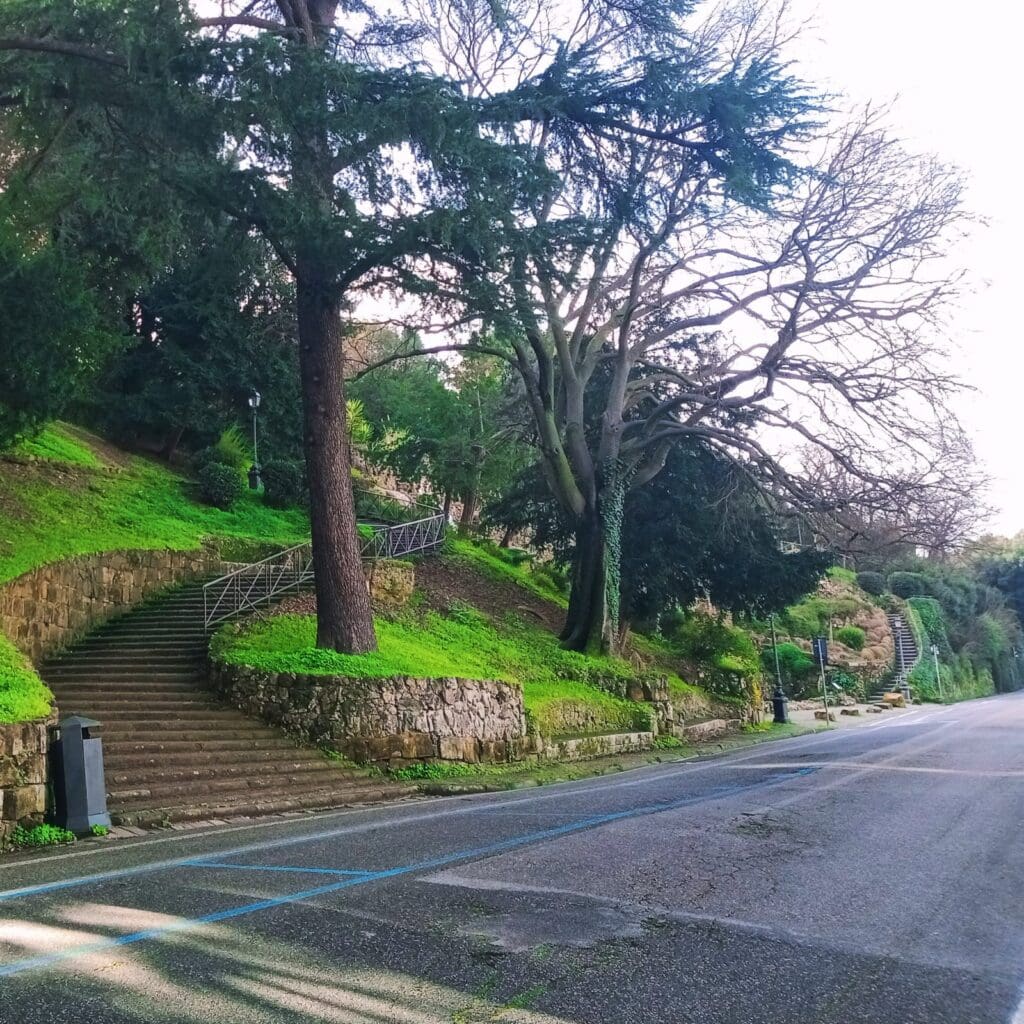
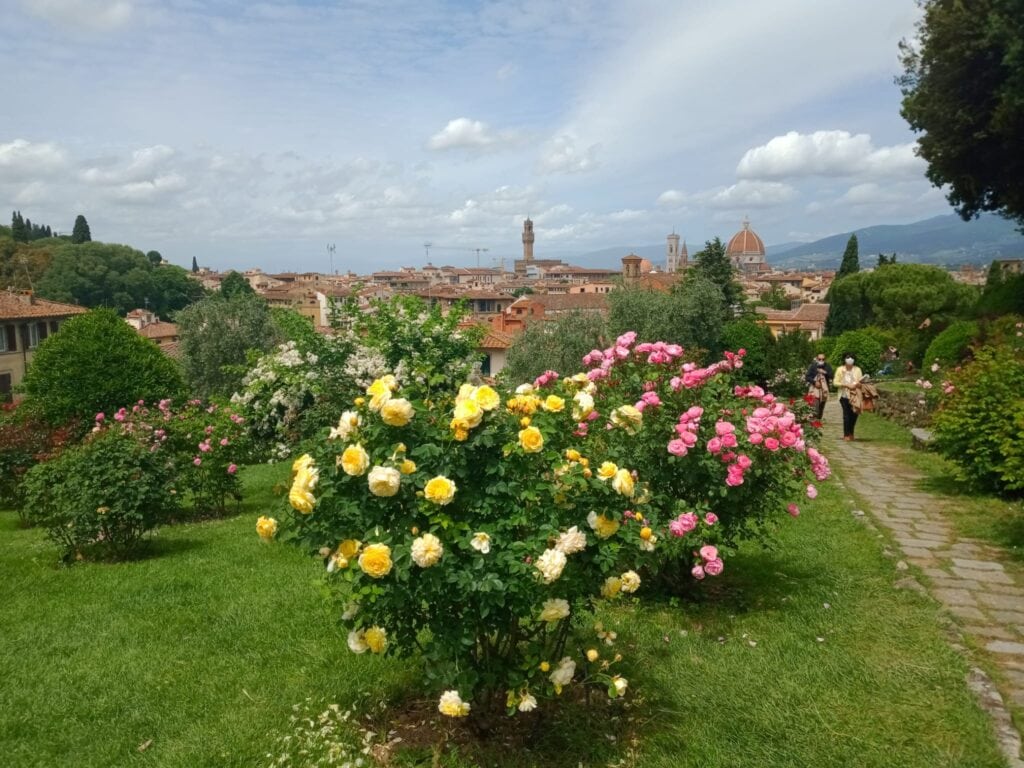
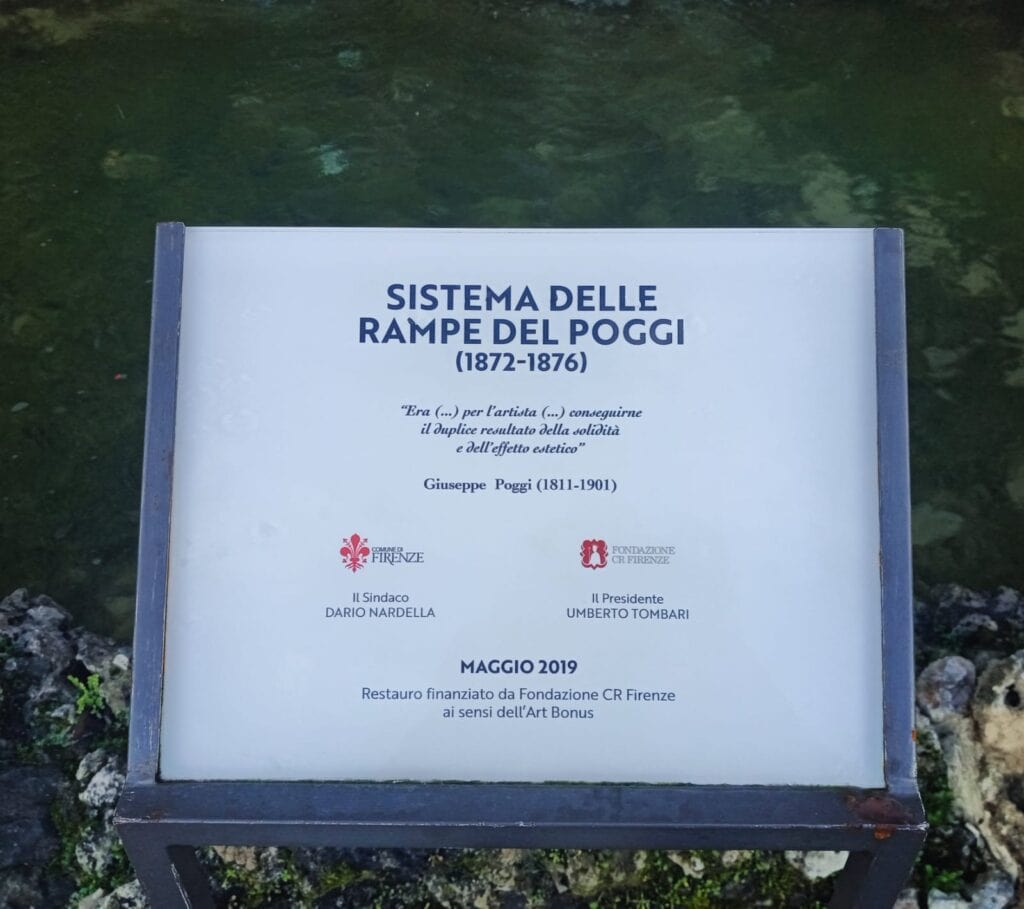
With the collaboration of Attilio Pucci — head gardener of the Botanical Garden and later Municipal Superintendent of gardens and public landscapes — the Ramps were built between 1872 and 1876 in the manner of a vertical garden, over a surface of a full 6,700 square meters. This colossal construction is laid out on three levels, enriched with gardens — such as the evocative, panoramic Rose Garden — as well as with grottoes and niches in a purely neo-Mannerist style, carved directly into the retaining walls and decorated with stalactites and shells that recall Buontalenti’s Grotta Grande in the Boboli Gardens.
But the defining element of the ramps can only be the water, which gushes through waterfalls and fountains before reaching magnificent basins entirely lined with enchanting mosaics. Poggi conceived the presence of water as the “unifying element of the ramps”: starting from the highest point, where the Giglio — the lily that is the symbol of Florence — and a shell rise proudly, it descends through the first three grottoes, then flows into the five lower grottoes and finally into the great basin at Porta San Niccolò, where Piazza Poggi stands.
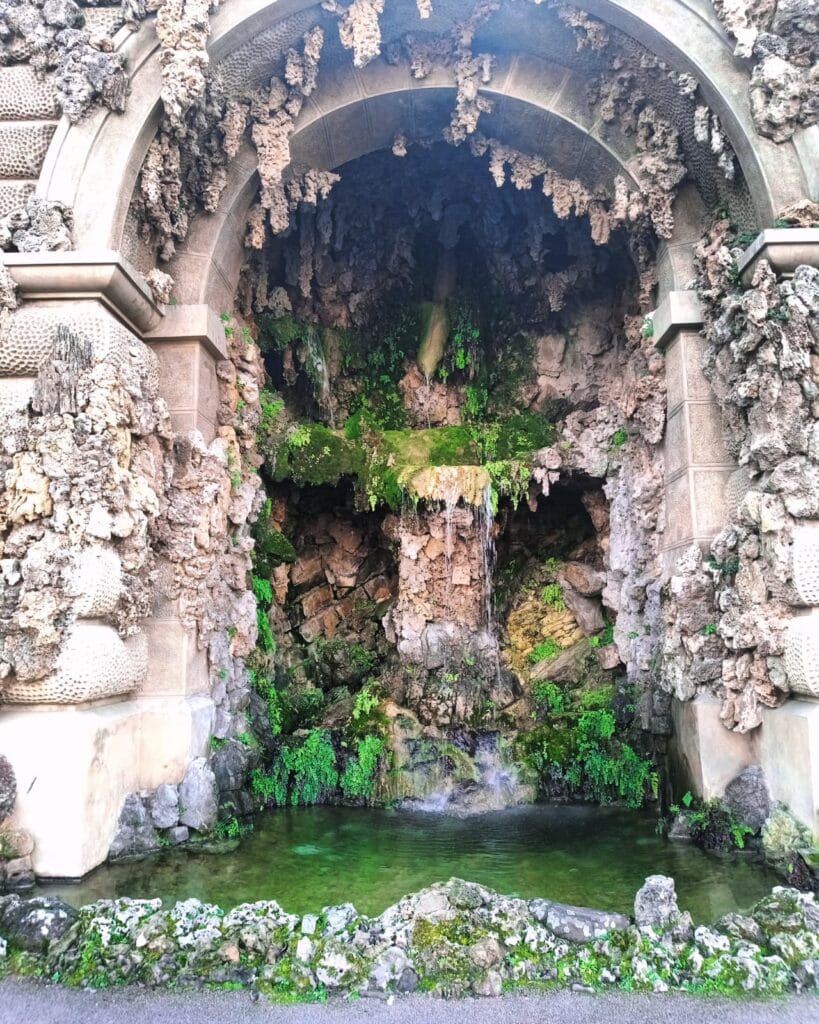
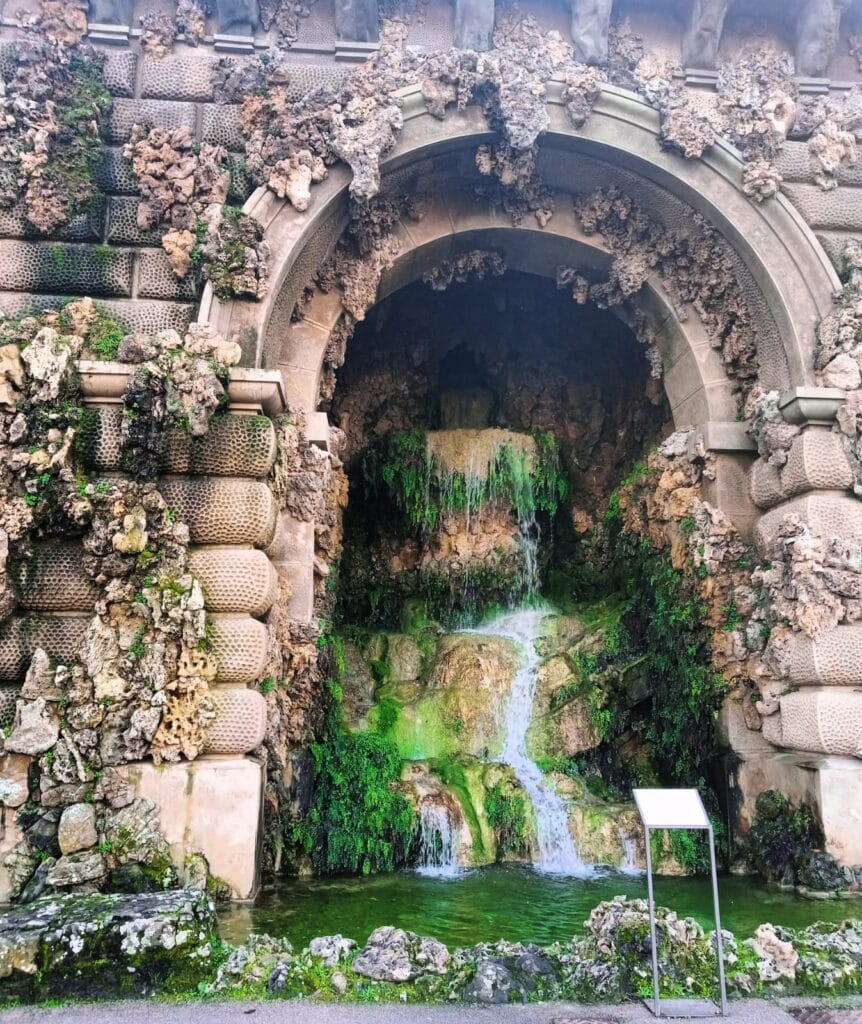
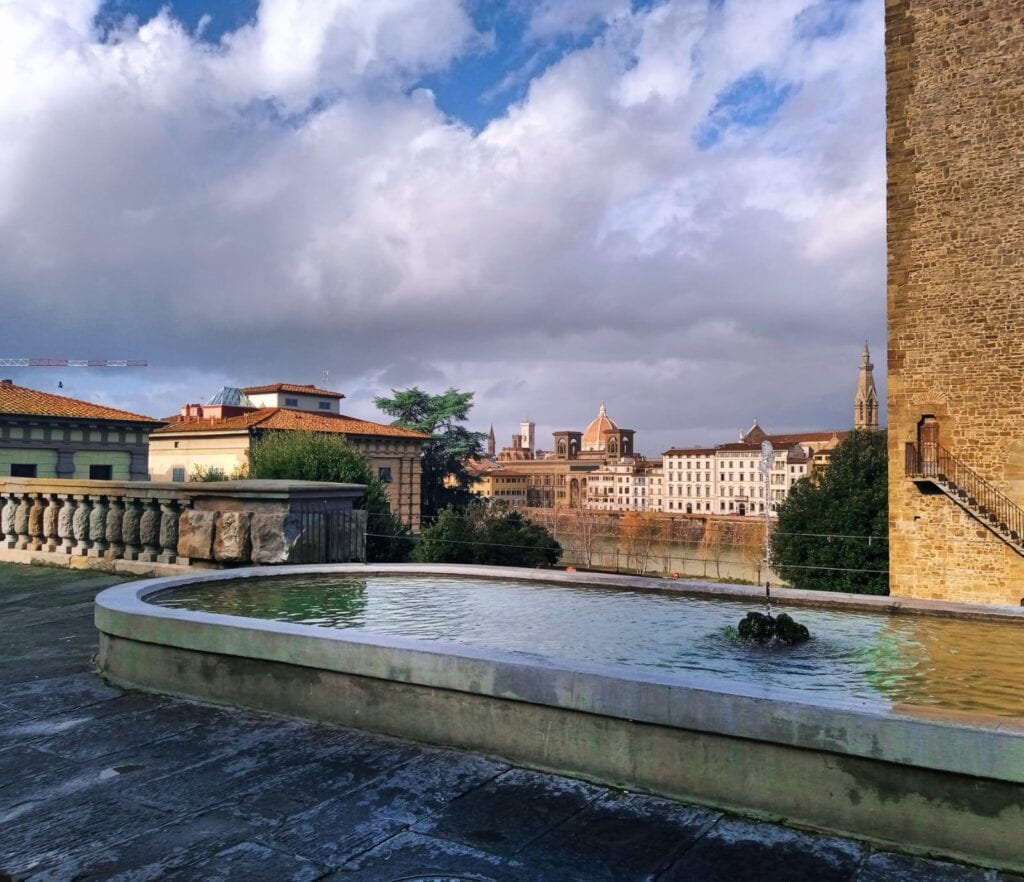
Sadly, after the Second World War the upkeep of the ramps grew ever more difficult, above all because of the trouble in securing water. And so, after the first restoration in 1955, the hydraulic system gradually ceased to work properly, until the 1970s, when the water vanished altogether and the ramps were swallowed up by thick, invasive vegetation. Fortunately, in July 2018, as part of a program of urban interventions, a restoration was planned for the Poggi Ramps — one of the most complex undertaken in Florence in the past 50 years — strongly championed by the City with the support of the Fondazione CR Firenze.
And so, after just nine months and thanks to an investment of 2.5 million euros, on June 1, 2019 the Ramps were returned to the public in all their splendor. After decades, the water began to flow again, and ornamental and aquatic plants very much like the originals were replanted to frame basins, grottoes and waterfalls, to the delight of the Florentine community and of the visitors who come every year to admire the capital of the Renaissance. But the project was not limited to the purely aesthetic recovery of the Poggi Ramps: it also involved the design of a new, ecologically sustainable hydraulic system with a water-recirculation loop, fed by well water through a 27,000-liter cistern placed at the foot of Porta San Niccolò, which makes it possible not to draw on the city’s water supply.
You could say, then, that heading up to Piazzale Michelangelo by climbing the Poggi Ramps is not only a most delightful walk — one that all but demands a few brief pauses in the surrounding gardens to take in a view of Florence that grows more breathtaking the higher you go — but also, and above all, a plunge into a chapter of the city’s history, when Florence reached the height of its power by becoming the capital of Italy. What you feel as you walk is a contrast between the peaceful drift of the Arno, which almost seems to sleep, laid gently among the city’s houses and monuments, and the overbearing force of the water on the ramps, gushing endless and loud.
At the same time, a harmonizing force comes to meet us, one that makes it clear how the purpose of this magnificent structure was, and still is today, to offer an opening onto that river which every so often flooded Florence violently, striking great fear into its people. Not to hide it, but to make it more visible, improved the Florentines’ relationship with the Arno; and even now, from the Poggi Ramps restored to their former glory, this harmony between the city, the river and the hills appears more majestic and unexpected than ever.
Photos by Valentina Vetrano