Lumen and the Future of Florence’s Cultural Spaces
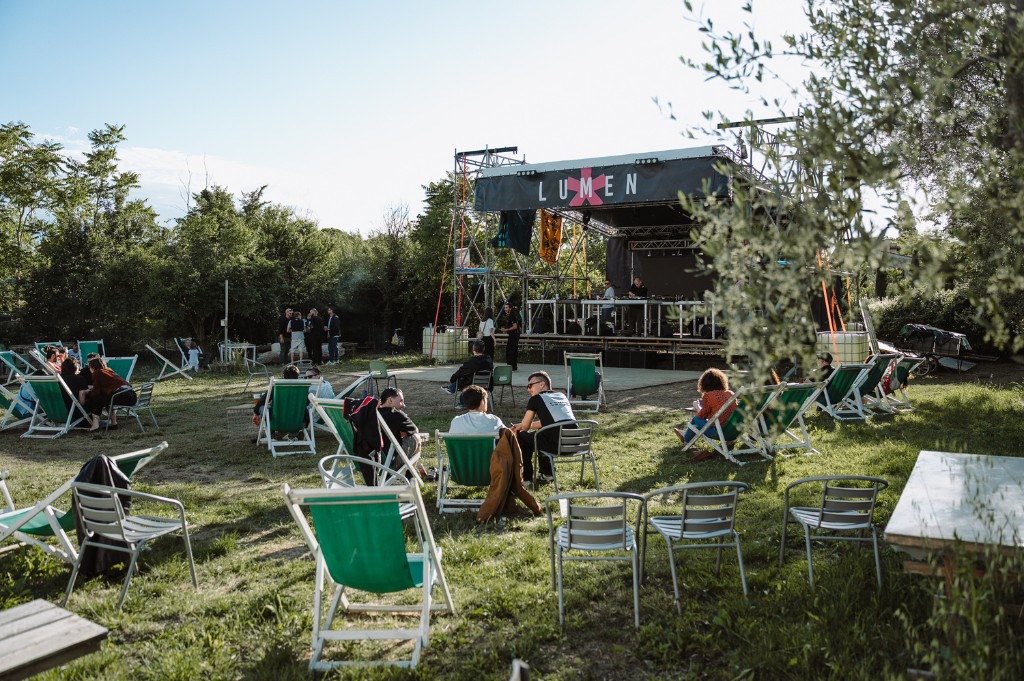
Whose city is it? Does it belong to the people who live in it, to those who run it, or also to those who try, every day, to imagine it differently? That deliberately provocative question is the starting point for the event Lumen has organized for Sunday, October 18: a day of music, art, debate and participation that, from noon to midnight, will bring together residents, associations, artists, cultural workers and Florence’s institutions.
The gathering comes just over two months after the joint inspections carried out by several agencies on the night of July 31 into August 1, an episode that sparked a citywide debate about the cultural space and, more broadly, about the relationship between safety, regulation and the work of associations.
But for Lumen the goal is not to reopen a controversy. On the contrary, the idea is to use what happened as the starting point for a broader reflection on the future of Florence’s independent cultural spaces.
“We don’t want to be one of a kind. We’d like places such as Lumen, Glue or Exfila to keep multiplying,” say Alessandro Bezzi, secretary of Icchè Ci Vah Ci Vole, the nonprofit association (an Associazione di Promozione Sociale) that runs Lumen, and Davide Romagnoli, the association’s vice president, in our interview. “We want to move beyond a constant state of emergency and create a moment of open discussion, to look each other in the eye and ask ourselves what we want to make of this city.”
The July 31 inspections and the dialogue with the institutions
On the night of July 31 into August 1, Lumen was the subject of a joint inspection involving, among others, the ASL (the local health authority), the Vigili del Fuoco fire service, the Guardia di Finanza (Italy’s financial police) and the Ispettorato del Lavoro, the labor inspectorate. According to the association, what surprised people most was the way it was carried out and its sheer scale, and its consequences are still keeping the project busy on both the legal and the organizational front.
Some aspects are still under review, and the association prefers not to offer any assessment before the relevant offices have completed their checks.
“We are absolutely in favor of inspections, because they are a necessary tool to make sure activities are run properly,” say Lumen’s representatives. “What surprised us was the way it was done. A situation like this inevitably has repercussions, financial ones too, because it brings a whole series of legal issues to deal with.”
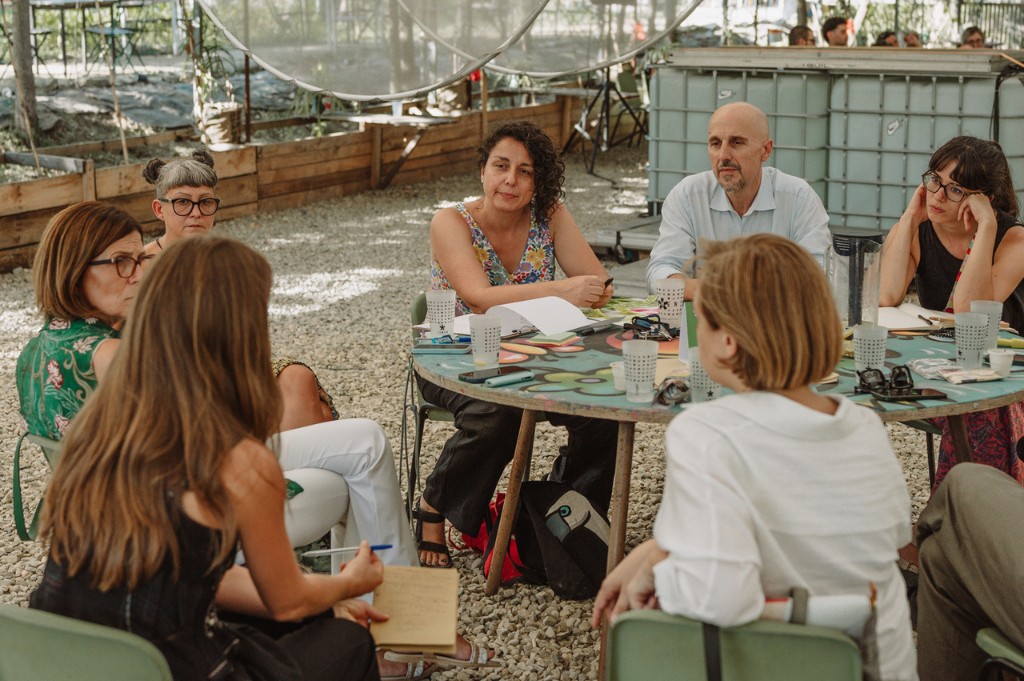
The episode, however, is part of a process that was already under way before the summer. Together with other Florentine associations and cultural groups, Lumen had in fact launched a working table with the city administration and the Polizia Municipale, the city police, precisely to tackle the regulatory complexities affecting these spaces.
It is a dialogue that involves organizations such as ARCI, Glue and La Chute and that, according to the association, stems from the need to find shared rules and interpretations, capable of guaranteeing safety and accessibility without compromising the chance to experiment with new cultural models.
“Often the issue is more bureaucratic than real. There are gray areas in how the rules are interpreted, and our goal is to build a dialogue with the institutions so that we arrive at a shared reading, at both the city and the regional level.”
The future of Lumen
Then there is another date weighing on the project’s future: December 31, 2026, when the current temporary concession for the space expires.
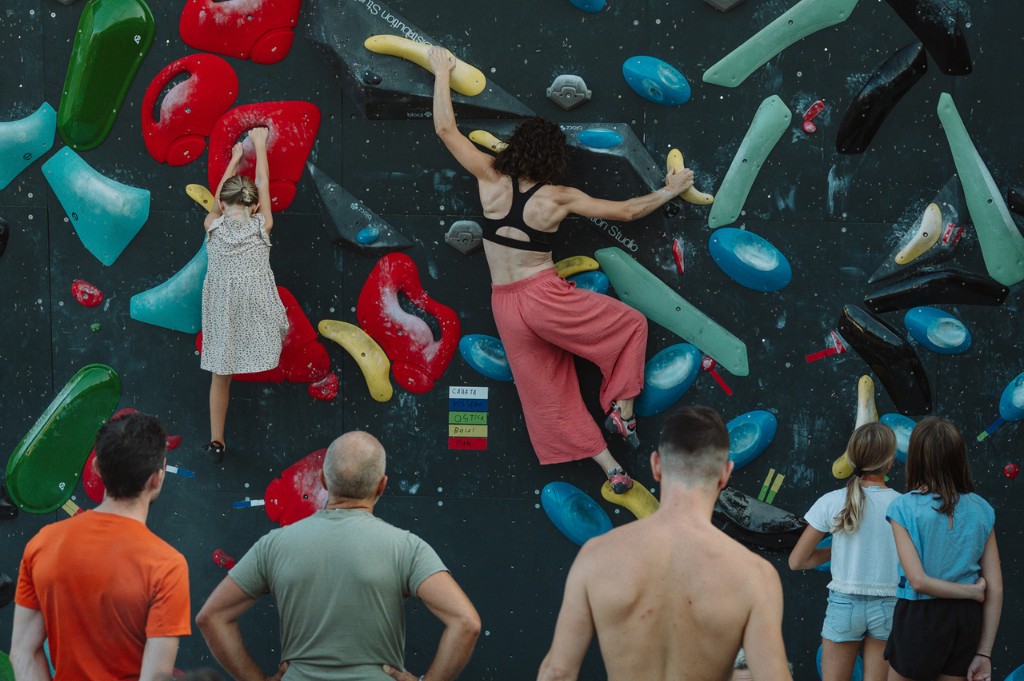
Lumen came to life when the City of Florence assigned it a previously abandoned area, transformed over the years through volunteer work, self-building and cultural activities, and it is now aiming for a thirty-year concession.
That prospect would allow the association to plan investments, structural improvements and activities over a much longer time horizon.
“For us, the thirty-year concession is essential. We believe the conditions are there to achieve it and we’re confident, also because the administration has repeatedly stated its wish to give the project a different kind of breathing room.”
So the talks with the city go on. At the same time, Lumen and the other associations involved are exploring the possibility of a more structured recognition of the role that cultural and community spaces play in the life of the city, also looking at administrative models already developed in other cities, such as Bologna.
The issue is not just the survival of a single venue, but the chance to build a system in which independent cultural projects can operate with greater stability, responsibility and recognition.
A positive season, despite the difficulties
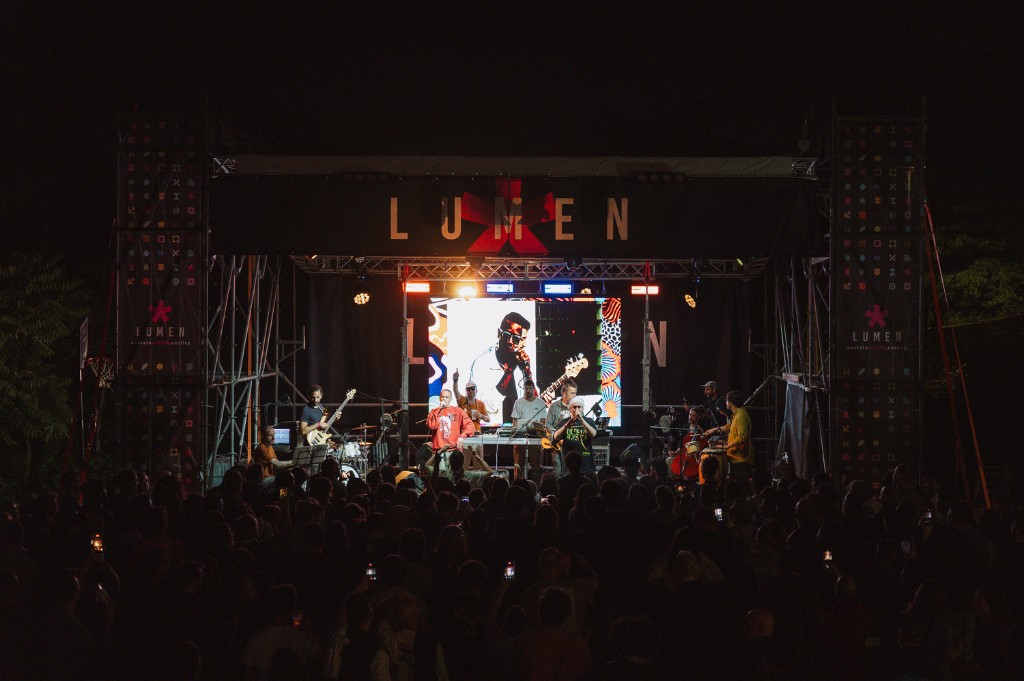
Meanwhile, Lumen points to the results of a season that, despite one month less of programming, matched the previous year’s numbers.
The association highlights the work done to make the space ever more multipurpose, able to welcome different audiences and activities ranging from music to sports, from education to socializing.
The free shuttle service was confirmed again this year, while public turnout and the support of partner associations were, according to the organizers, an important sign.
“It was a great season. We’re very satisfied both with the results we achieved and with how people have perceived us. There have been difficulties, but they also reflect how big we’ve grown as an organization.”
An experience that, according to Lumen, makes it all the more urgent to find the right tools to support the growth of grassroots projects.
October 18: concerts, talks, workshops and a city to imagine
The day, titled “Di chi è la città?!” (Whose City Is It?!), will be free and open to everyone, not only to the association’s members. That matters for an event that aims to reach beyond the community that usually frequents the space.
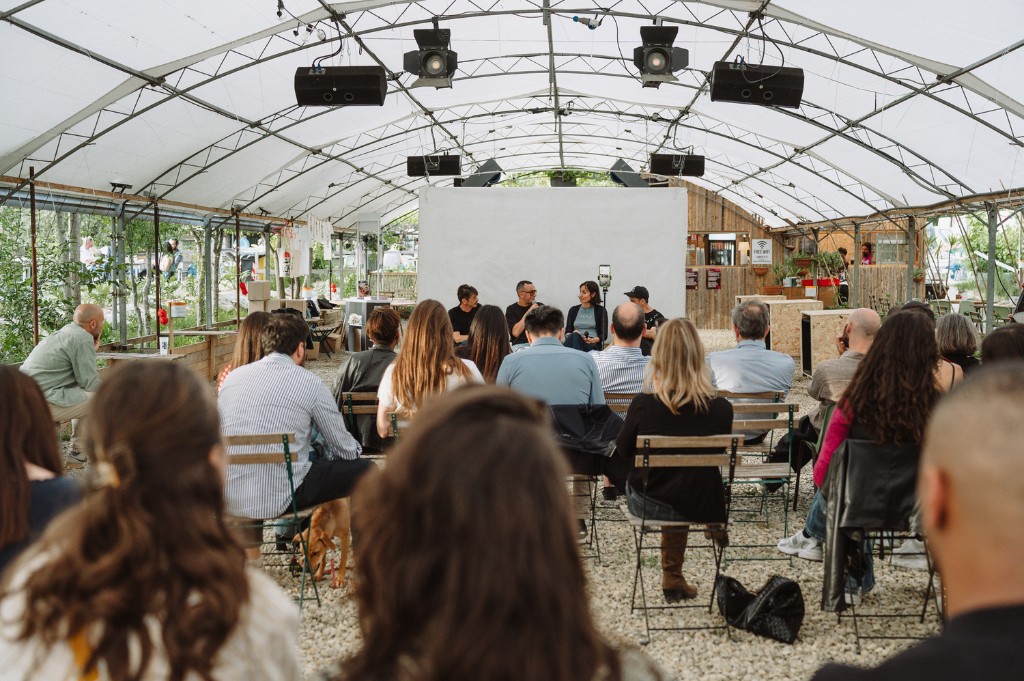
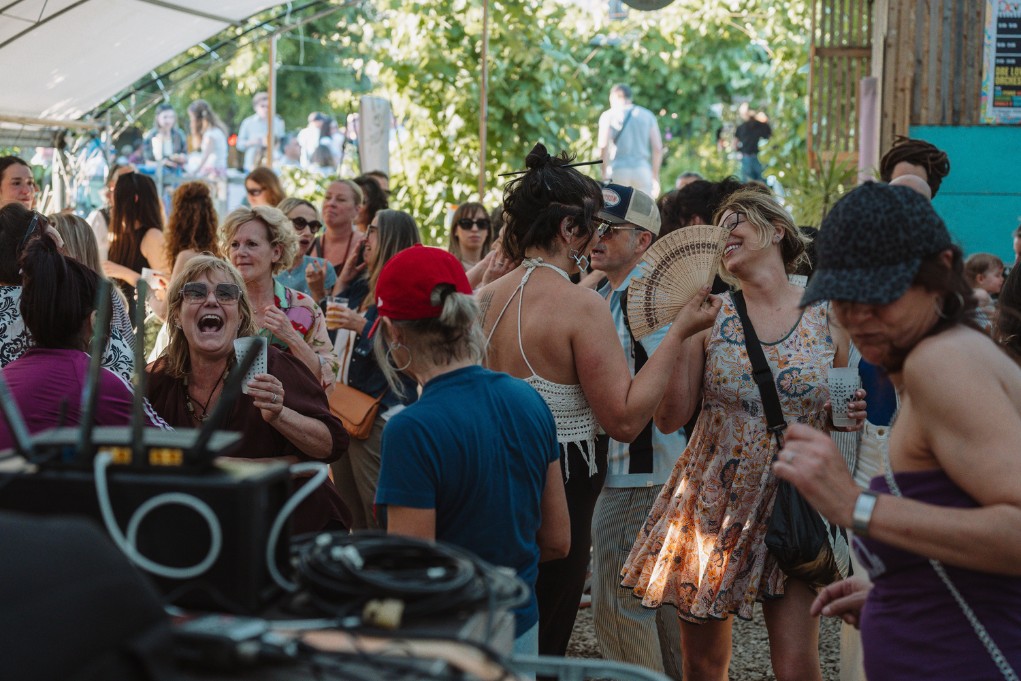
From noon until midnight there will be live concerts, DJ sets, activities for kids, sports, a market and moments of public debate.
Among the artists announced in a lineup still being finalized are Cecco & Cipo, Nervi, Co.Lore, Gavinuttah, Banpay Crew, Numa Crew, Dedalo District, Dissidanza, Spleen, Cassandra, Apollineo, Mirco Roppolo, Autentica, Giosu, Introspettiva, Isidora, Barretta, Save Our Sound, Mario Mario and more.
There is room for families too, with the KinderDisco hosted by Bosconi Records from noon to 2 p.m. and activities led by the staff of the Cosmo summer camps from 2 to 4 p.m. Throughout the day there will also be the Only Usato Market, a secondhand market, and a beach volleyball tournament.
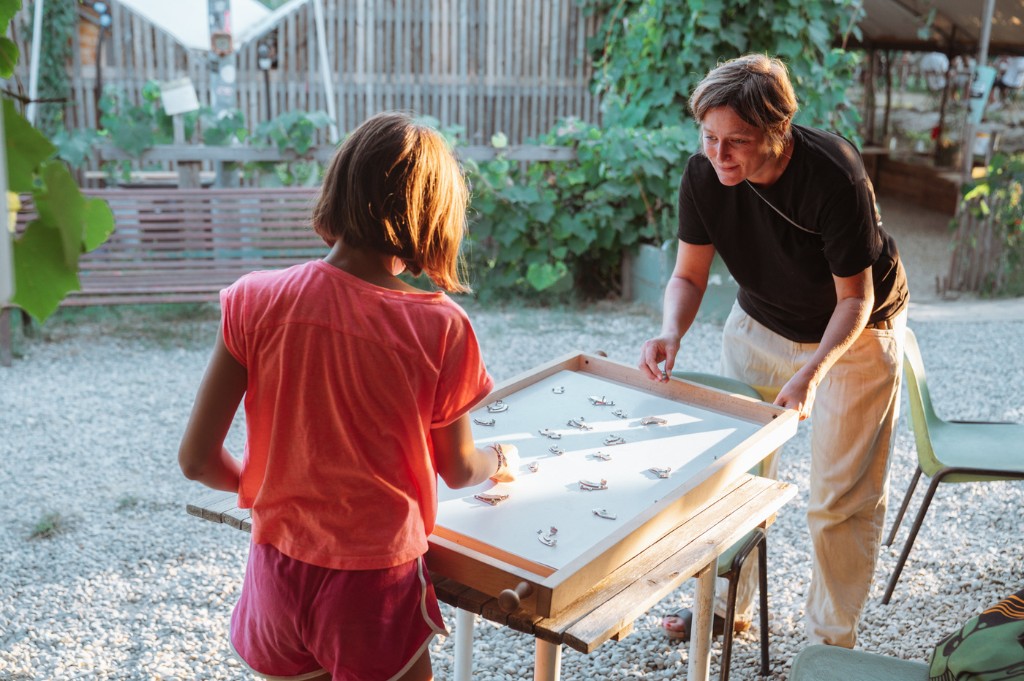
The political and cultural heart of the event, however, will be the afternoon of discussion, organized in three parts.
At 4 p.m., “La Fotografia – Capire la città” (The Snapshot: Understanding the City) will look at what it means today to produce culture and social life in Florence. In focus: the rules that govern association activities, the financial sustainability of spaces given back to the community, and the participation tools available to citizens.
At 5 p.m., “Il Cerchio – Immaginare la città” (The Circle: Imagining the City) will open a discussion organized together with Criticity, which will present the experience of the Laboratori Ex OGR, the workshops on the former railway repair yards: eight months of research and grassroots participation that culminated in a counter-proposal for the Porta al Prato area. This will be followed by an open mic, with five-minute slots in which anyone can share ideas, proposals and needs.
The program continues with “Il Punto – Trasformare la città” (Taking Stock: Transforming the City), devoted to the tools and practices needed to move beyond an emergency-driven management of cultural spaces and to imagine long-term solutions.
Whose city is it, really?
The fundraiser that will accompany the event is meant to cover the legal and organizational costs the association has faced since the summer inspections. But the meaning of the day goes beyond financial need.
“We don’t want to point the finger at anyone,” Alessandro Bezzi and Davide Romagnoli make clear. “We want to assert our presence in the cultural life of the city and think together about how to build its future.”
This is exactly the question Lumen wants to bring to the center of the debate: what role can independent cultural spaces play in the Florence of tomorrow? And above all, how can we imagine a city where culture is not just something to consume, but an experience to build and share?
The story of Lumen, born from the recovery of a disused area through reuse, self-building and volunteer work, shows a concrete possibility: turning an abandoned space into a place of encounter, experimentation and participation, where music, art, sports and education become tools for building relationships and community.
But the question “Whose city is it?” goes beyond the boundaries of this project. It concerns all the groups that, often through association work and volunteer commitment, help enrich the cultural and social life of Florence. Groups that today are looking not only for recognition, but also for the tools and prospects to keep going over time.
The October 18 event is therefore born with the ambition of moving past individual difficulties and opening a collective conversation about the future of the city. A conversation to which institutions, associations and citizens can all contribute ideas, experiences and proposals.
Because a city is made not only of its buildings, its squares and its streets, but also of the people who choose to live in it and take care of it. And it is precisely through culture, encounter and participation that spaces can become places capable of creating relationships and giving life to new communities.
Artist lineup and talks still being updated.
Photos by Lumen